Box breathing kills cigarette cravings by hijacking the same mechanism the cigarette used. Inhale through your nose for 4 seconds, hold for 4, exhale through your mouth for 4, hold empty for 4 — and repeat for 6–8 cycles, about three minutes in total. That is usually longer than the peak of a craving, and the slow exhale activates your parasympathetic nervous system, dropping the stress spike that triggered the urge in the first place.
Why breathing works when willpower doesn’t
Here’s the secret smokers rarely hear: a large part of what felt “relaxing” about smoking was never the nicotine — it was the breathing pattern. A drag on a cigarette is a slow 2–4 second inhale, a pause, and a long exhale. That is a paced-breathing exercise with smoke in it. Box breathing gives you the identical respiratory ritual, minus the 7,000 chemicals. You’re not fighting the habit with willpower; you’re replacing its mechanical core.
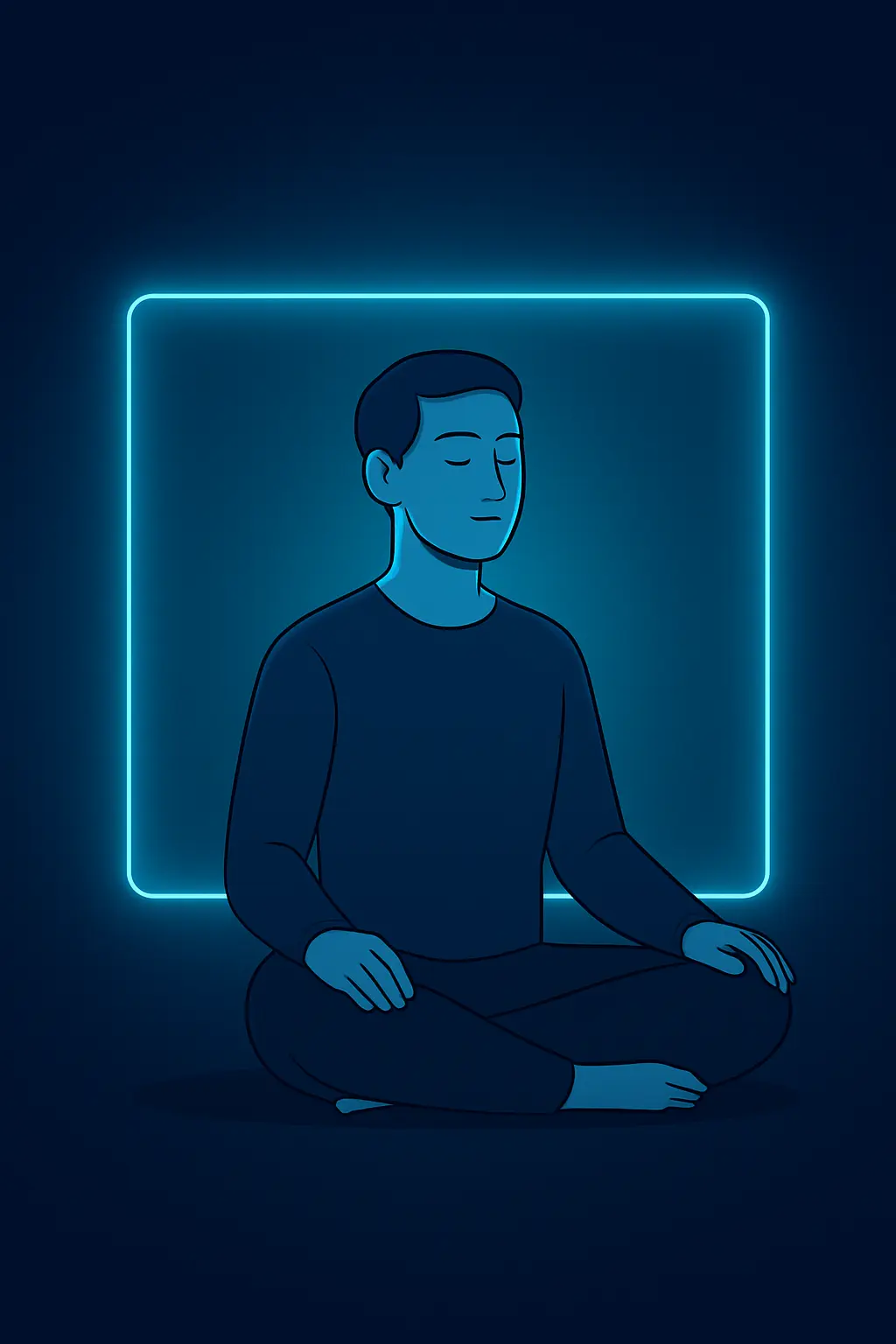
The 4-4-4-4 method, step by step
- Sit and empty your lungs. Sit upright (or stand still), drop your shoulders, and exhale everything through your mouth. Starting empty makes the first inhale feel like relief.
- Inhale — 4 seconds. Breathe in slowly through your nose. Fill your belly first, then your chest. Count “one-thousand-one… one-thousand-four.”
- Hold — 4 seconds. Keep the air in without clenching. Jaw loose, shoulders down.
- Exhale — 4 seconds. Release slowly through your mouth, as if fogging a mirror. This is the step that calms you — don’t rush it.
- Hold empty — 4 seconds. Stay with empty lungs for four counts. This pause is what makes box breathing more powerful than ordinary deep breathing.
- Repeat 6–8 cycles. One full box takes 16 seconds; eight cycles take just over two minutes. Most cravings peak and start fading within three minutes — you will usually outlast the urge before you finish.
Common mistakes that make it “not work”
- Counting too fast. Under stress your internal clock speeds up. Use a visual timer or an app that paces you — a real 4 seconds feels surprisingly long.
- Chest-only breathing. If your shoulders rise, you’re shallow-breathing. Put a hand on your belly; it should move first.
- Quitting after two cycles. The calm arrives around cycle four or five. Commit to at least six before judging.
- Only using it during emergencies. Practice once or twice a day when calm. A rehearsed skill fires automatically under pressure; an unrehearsed one falls apart.
When box breathing isn’t enough
Some cravings — especially in the first 72 hours — are too loud for breathing alone. Stack techniques: follow the box with 5-4-3-2-1 sensory grounding (name 5 things you see, 4 you can touch, 3 you hear, 2 you smell, 1 you taste), or ride the urge with craving surfing. If night cravings are your weak point, poor sleep may be amplifying them — see why sleep breaks after quitting and how long it lasts.
Put a breathing coach in your pocket
Counting seconds while your brain screams for nicotine is hard — which is why guided pacing beats solo counting. The free iQuit app includes a visual box-breathing timer (plus 4-7-8 for sleep and belly breathing for quick resets) inside its SOS button: one tap when a craving hits, and the screen paces every inhale, hold and exhale for you. It even rehearses the technique with you during onboarding, so the skill is ready before your first real craving. Your successes get logged, and over time the app shows which coping strategies work best for you.
FAQ
How long should I box breathe during a craving?
Six to eight full cycles — roughly two to three minutes. That typically outlasts a craving’s peak.
Is 4-4-4-4 better than 4-7-8 breathing for cravings?
Box breathing (4-4-4-4) is better for acute cravings because it’s easy to keep steady under stress; 4-7-8 shines for falling asleep. Use box by day, 4-7-8 at night.
Does box breathing reduce nicotine withdrawal?
It doesn’t remove nicotine from your system, but controlled breathing measurably reduces the anxiety and irritability of withdrawal — the parts that actually push people to relapse.
How often should I practice?
Twice daily while calm, plus whenever a craving hits. Rehearsal is what makes it available under pressure.
Craving right now? Get iQuit free on Google Play and let the SOS button pace your next three minutes.