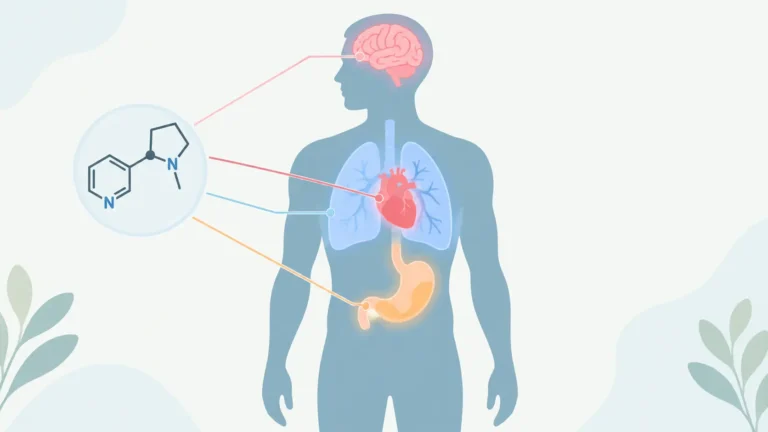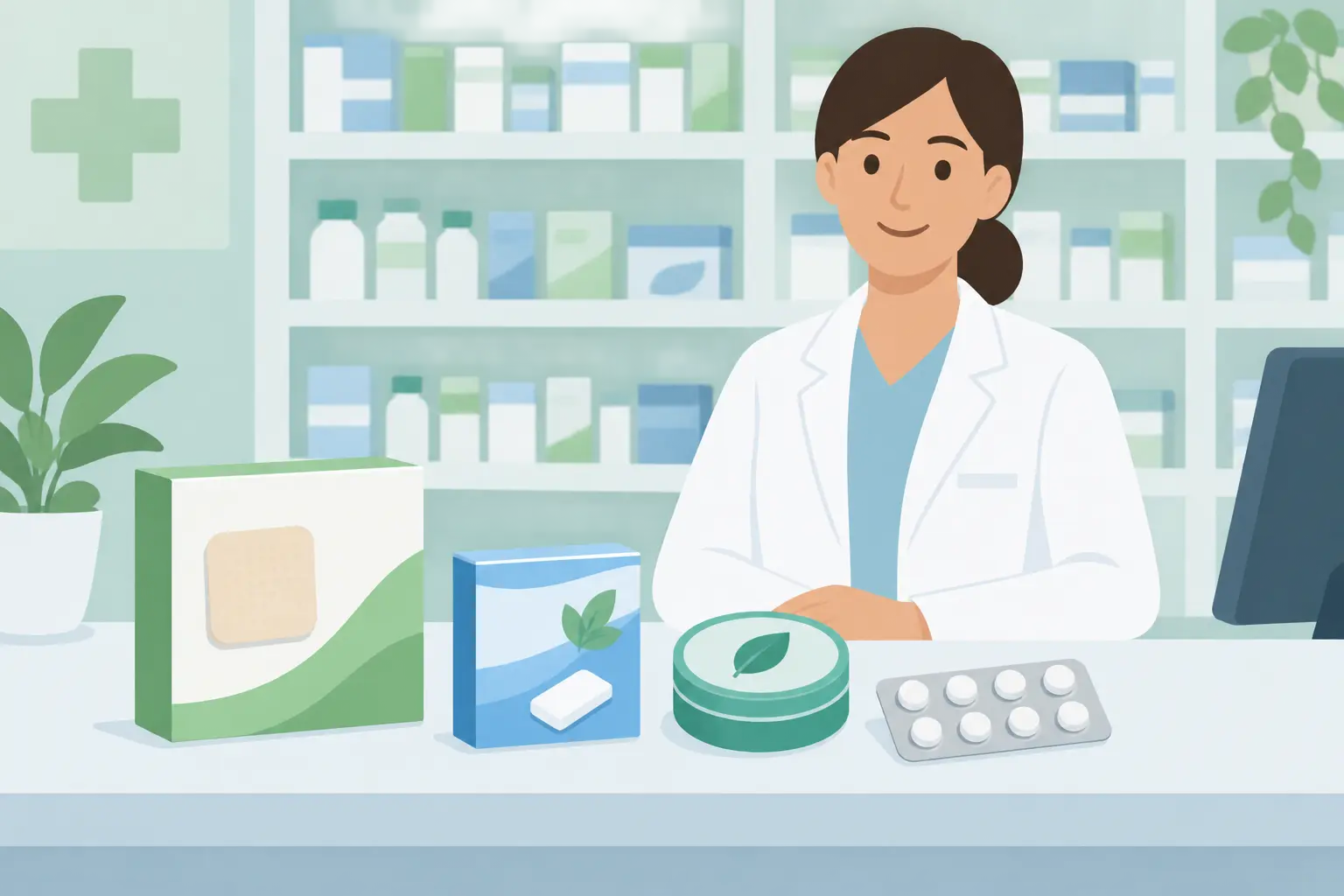
The best stop smoking aids in the UK in 2026 are the ones you will actually use for long enough, and for most people the strongest plan combines two of them with free professional support. The NHS now lists nicotine replacement therapy (NRT), the tablets varenicline and cytisine, bupropion, and nicotine vapes as proven options, and its local stop smoking services are free. This guide ranks how each aid works, how you get it, what it costs where the NHS has published a price, and how to choose.
Stop Smoking Aids at a Glance
The table summarizes what the NHS says about each aid. Everything in it comes from NHS pages reviewed in 2026, so check with a pharmacist or adviser for your own situation.
| Aid | How it works | How you get it |
|---|---|---|
| NHS stop smoking service | Adviser support, breath test, treatment plan for up to 12 weeks | Free; GP, pharmacist or phone |
| Varenicline | Blocks nicotine’s effects in the brain | Local stop smoking service or GP |
| Cytisine | Plant-derived, works like varenicline | Local stop smoking service or GP |
| Bupropion (Zyban) | Changes brain chemicals to reduce cravings | Local stop smoking service or GP |
| NRT (patch, gum, lozenge, inhaler, sprays) | Gives a lower dose of nicotine without tobacco smoke | Pharmacies, supermarkets, or from a GP or service |
| Nicotine vape | Delivers nicotine without burning tobacco | Buy it; not on NHS prescription (some services give a free starter pack) |
Free First: NHS Stop Smoking Services
The NHS describes local stop smoking services as “free” and says they “can improve your chances of quitting for good.” You normally see an adviser one to one, though many areas run group and drop-in sessions, and some sessions can be by phone or online. At the first appointment you talk about why you smoke, pick a quit date, take a carbon monoxide breath test and discuss treatments. Support usually runs for up to 12 weeks, and you receive an emergency number for out-of-hours cravings.
To reach a service, ask your GP, pharmacist or health visitor, or phone the national helpline for your country: England 0300 123 1044, Scotland 0800 84 84 84, and Wales 0800 085 2219. Our guide to how NHS stop smoking services work covers the first appointment in more detail.
Varenicline, Cytisine and Bupropion
The NHS calls these “nicotine-free medicines” and says there are “3 main medicines that are proven to help people quit smoking.” You can get them through your local stop smoking service or your GP.
- Varenicline (formerly sold as Champix) helps by blocking nicotine’s effects in your brain, which makes smoking less enjoyable and reduces cravings. The NHS says it is “now available again in the UK.”
- Cytisine comes from plants and works in the same way as varenicline. The NHS says it is “new to the UK” but has been used for many years in some countries.
- Bupropion, sometimes called Zyban, was originally an antidepressant and works by changing brain chemicals to reduce cravings and withdrawal symptoms.
Ask your adviser or GP whether they suit you, especially if you take other medicines. For a closer comparison of the two newest options, read varenicline vs cytisine vs NRT on the NHS.

NRT: Which Form for Which Smoker
The NHS says NRT products are “safe, proven to work and can double your chances of quitting for good.” You can buy them from pharmacies, supermarkets and some other shops, or get them through a GP or your local service. The forms are:
- Patches (slow-acting): a steady dose through the skin. You can wear a 24-hour patch or a 16-hour patch while awake, and heavier smokers should start with a higher strength.
- Gum and lozenges (fast-acting): short bursts of nicotine through the lining of the mouth.
- Microtabs: small tablets that dissolve under the tongue.
- Inhalator: works faster than gum or lozenges and mimics the hand-to-mouth habit.
- Mouth spray and nasal spray: very fast acting; the NHS says nasal spray is the fastest way nicotine can enter the bloodstream.
The NHS recommends using NRT for about 12 weeks, or as long as it is needed to stop you smoking again, then reducing the dose gradually. For brand differences, see Nicotinell vs Nicorette, and for a form-by-form overview read our NRT options compared. One caution from the NHS: nicotine pouches “are not licensed stop smoking products in the UK.”
Combining Aids: What the NHS Recommends
One product on its own helps, but the NHS says “research shows that using a combination of products can give you the best chance of success.” There are two combinations it highlights.
- Nicotine-free medicine plus NRT. The NHS states that this “makes you over 5 times more likely to quit for good,” because the medicine reduces the pleasure of smoking while patches or sprays weaken withdrawal symptoms.
- Slow plus fast NRT. A patch for steady support all day, plus gum, a lozenge, an inhalator or a spray for sudden cravings.
The same NHS page advises talking to your local service or GP, because “talking to a professional can help you choose the right stop-smoking product, which increases your chances of quitting successfully.”
This short NHS trust video introduces local stop smoking support and what to expect.
Vapes as a Quit Aid in the UK
The NHS is open about vaping as a quit aid. It says e-cigarettes are “likely to be far less harmful than cigarettes” and that “vaping is not completely risk-free, but it poses a small fraction of the risk of smoking cigarettes,” adding that long-term risks are not yet clear. It cites a 2021 review that found people who used e-cigarettes with expert face-to-face support “can be up to twice as likely to succeed” as people who used other NRT such as patches or gum.
Practical points from the NHS: e-cigarettes are “not currently available as medicines,” so they cannot be prescribed or supplied by services, though “your local Stop Smoking Service may offer a free e-cigarette starter pack.” You buy them from vape shops, some pharmacies and other retailers. You will not get the full benefit “unless you stop smoking cigarettes completely,” and vapes are for adult smokers, not for children or people who have never smoked. We compare the free-vape scheme with NRT in Swap to Stop: free vape vs NRT. If you are reading from the US, see the separate list of FDA-authorized e-cigarettes, which follows different rules.
Apps and Digital Support
Apps do not replace medicine or an adviser, but they can cover the hours between appointments. The NHS runs its own NHS Quit Smoking app, which it says lets you track your progress, see how much you are saving and get daily support. If you want to compare options, our UK quit smoking app guide sets them side by side.
iQuit is another free option. It does not prescribe or treat anything; it gives you a craving log, SOS support for strong urges, a real-time dashboard of days smoke-free and money saved, and an AI coach, alongside whatever aids you choose.
What It Costs
This guide does not quote pharmacy pack prices, because they vary by brand, strength, pack size and shop, and they change often. Compare in store or online before you buy, and ask a pharmacist which pack size gives the best value for your plan.
What the NHS does publish: the stop smoking service itself is free, and the services “make it easy and affordable for you to get stop smoking treatments.” On the NHS prescription charges page for England, “the current prescription charge is £9.90 per item,” charged per item, not per prescription. Vapes are not prescribed, so they are an out-of-pocket purchase unless a local service hands out a starter pack.
How to Choose Your Plan
If you want the strongest evidence-backed route
Book with your local stop smoking service and ask about a nicotine-free medicine plus NRT.
If you prefer to buy and manage it yourself
Use a patch plus a fast-acting form such as gum, lozenges or a spray, for around 12 weeks. A pharmacist can advise on strength.
If you already vape or want to try
Use a nicotine vape to replace cigarettes completely, and plan a step-down date so it does not become a second habit.
If you are pregnant
The NHS says licensed NRT is safe to use in pregnancy if you need support to quit, but advises speaking to a healthcare professional first so you choose the right product. It also says to avoid licorice-flavored nicotine products in pregnancy, as they may contain licorice root.
Frequently Asked Questions
What is the most effective way to stop smoking in the UK?
The NHS says combining a nicotine-free medicine such as varenicline or cytisine with nicotine replacement makes you over 5 times more likely to quit for good. It also says talking to a stop smoking service or GP helps you choose the right products (NHS Better Health, 2026).
Are NHS stop smoking services free?
Yes. The NHS describes local stop smoking services as free, with one-to-one, group or drop-in support for up to 12 weeks, plus a breath test and help getting treatments. You can be referred by a GP or pharmacist, or phone your national helpline (NHS, reviewed September 2026).
Can I get a vape on the NHS?
Not on prescription. The NHS says e-cigarettes are not currently available as medicines, so a GP cannot prescribe them, but your local stop smoking service may offer a free e-cigarette starter pack. You otherwise buy them from specialist shops, pharmacies or other retailers (NHS, 2026).
How long should I use nicotine replacement therapy?
The NHS recommends using NRT for about 12 weeks, or for as long as needed to avoid returning to smoking, then reducing the dose gradually until you stop. It warns that many people stop using products too early, which can bring cravings back (NHS Better Health, 2026).
Are nicotine pouches a recognized stop smoking aid in the UK?
No. The NHS says nicotine pouches are not licensed stop smoking products in the UK and that there is not yet enough evidence on how safe they are or how well they work. It recommends trying proven, licensed NRT instead (NHS Better Health, 2026).
What is the cost of an NHS prescription in England?
The NHS prescription charges page says the current prescription charge is £9.90 per item, and it applies to each item rather than each prescription. Ask your pharmacist or stop smoking adviser how this applies to your treatment, since the services aim to make treatments affordable (NHS, 2026).
Add Free Craving Support With iQuit
Whichever aid you choose, cravings still arrive at odd moments. iQuit gives you a craving log, SOS support, a money dashboard and an AI coach, and it works with cold turkey or gradual reduction. It is free on Google Play and the App Store.
Download iQuit Free on Google Play Download on the App Store
Sources: NHS stop smoking services, NHS Better Health: find the best stop-smoking products, NHS Better Health: NRT, NHS Better Health: nicotine-free medicines, NHS: using e-cigarettes to stop smoking, NHS prescription charges (England).