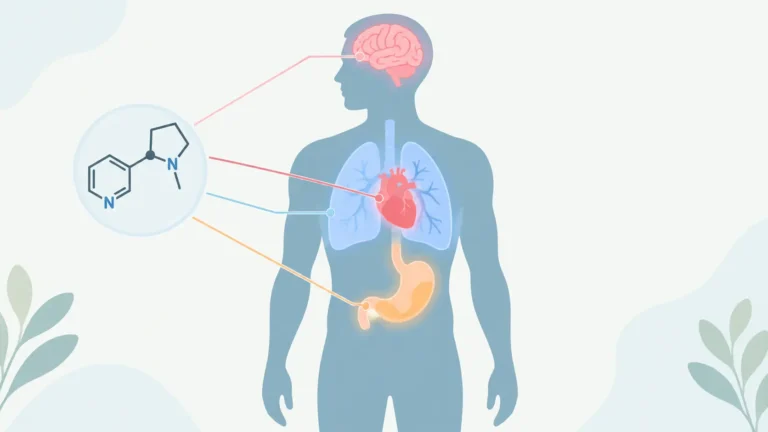
If you are searching for FDA approved vapes, the first thing to know is that the FDA has not approved any e-cigarette. What it has done is authorize a short list of them for sale. As of the FDA’s list dated August 28, 2026, that list names 48 products from five companies: Glas, JUUL Labs, Logic, NJOY and R.J. Reynolds Vapor (Vuse). This guide walks through every one of them, what the label strengths mean, and what the evidence says about using a vape to leave cigarettes behind.
Authorized Is Not the Same as Approved
People often say “FDA approved vape,” and brands sometimes encourage it. The FDA itself is blunt about the wording. On its authorized e-cigarette page, it states: “While these products are authorized to be sold in the United States, it does not mean these products are safe, nor are they ‘FDA approved.’ All tobacco products are harmful and potentially addictive.”
So what does authorization mean? According to the FDA’s e-cigarette page, authorized e-cigarettes “have undergone rigorous scientific review, including toxicologic assessments, and have been found by FDA to meet the statutory public health standard.” In plain terms, a company applied, the agency reviewed the evidence, and it granted a marketing order. That is a legal permission to sell, not a medical endorsement.
The distinction matters for quitters in one more way. The FDA notes that products “marketed for therapeutic purposes (for example, marketed as a product to help people quit smoking)” are regulated by a different part of the agency, the Center for Drug Evaluation and Research. No authorized vape on the list below carries that status. If you want an FDA-regulated cessation medicine, look at nicotine gum, patches or lozenges. Our comparison of every NRT option covers them.
FDA Approved Vapes: The Full Authorized List, Brand by Brand
The table below reorganizes the FDA’s list of authorized e-cigarettes (page content current as of August 28, 2026). The FDA says it intends to update its list “the day of an e-cigarette authorization,” so treat this table as a snapshot and check the source before you buy.
| Manufacturer | Authorized products named by the FDA | Count |
|---|---|---|
| Glas Inc. | Glas G 2 device; pods named Blonde Tobacco, Gold, Fresh Menthol, Sapphire and Classic Menthol (all 50 mg/mL) | 6 |
| JUUL Labs Inc. | JUUL device; JUUL2 device; JUULpods in Menthol and Virginia Tobacco at 3.0% and 5.0%; JUUL2 Virginia Tobacco 2-pack (18 mg/mL); Polar Menthol JUUL2 pod | 8 |
| Logic Technology Development LLC | Logic Regular and Vapeleaf cartridge packages; Logic Pro capsule tank systems (two listings); Vapeleaf Tobacco vapor system; Power and Pro Tobacco e-liquid packages; Power rechargeable kit | 8 |
| NJOY LLC | NJOY ACE device; ACE pods in Classic Tobacco (2.4%, 5%), Rich Tobacco (5%) and Menthol (2.4%, 5%); NJOY DAILY Rich Tobacco 4.5%, DAILY EXTRA Rich Tobacco 6%, DAILY Menthol 4.5%, DAILY EXTRA Menthol 6% | 10 |
| R.J. Reynolds Vapor Company (Vuse) | Vuse Vibe (two power units, Original tank 3.0%); Vuse Ciro (two power units, Original cartridge 1.5%); Vuse Solo power unit; Vuse Alto power unit and Golden Tobacco and Rich Tobacco pods at 1.8%, 2.4% and 5%; Vuse Original replacement cartridges 4.8% (G1 and G2) | 16 |
Two patterns stand out. First, the authorized products are overwhelmingly tobacco- and menthol-style products, with a few color-named Glas pods the FDA lists without further description. Second, Vuse alone accounts for a third of the list, and its Alto line comes in three strengths.

How to Read the Strengths on the List
The FDA list mixes two ways of writing nicotine strength, and that confuses buyers. Some products use a percentage (5%), others use milligrams per milliliter (50 mg/mL). The conversion is simple arithmetic: 1% equals 10 mg/mL. That means a 5% pod and a 50 mg/mL pod hold the same concentration, and JUUL2’s 18 mg/mL is the same as 1.8%.
- Lower range (1.5% to 3.0%): Vuse Ciro (1.5%), Vuse Alto (1.8% and 2.4%), NJOY ACE (2.4%), JUULpods (3.0%) and Vuse Vibe (3.0%).
- Middle range (4.5% to 5%): NJOY DAILY (4.5%), Vuse Original (4.8%), Vuse Alto (5%), NJOY ACE (5%), JUULpods (5.0%) and Glas (50 mg/mL).
- Highest on the list: NJOY DAILY EXTRA at 6%.
Concentration is not the whole story, because the amount of nicotine you absorb depends on the device, how often you puff and the pod size. Still, a higher percentage generally means a heavier nicotine hit per puff, which can make the vape harder to leave later. If you are using a vape only to stay off cigarettes, many people aim to step down the strength over time rather than hold it steady.
What the Evidence Says About Vapes and Quitting
The best single source is the Cochrane living systematic review of electronic cigarettes for smoking cessation. Its 2026 update searched the literature to January 1, 2026 and included 80 completed randomized controlled trials with 29,861 participants. Its authors conclude: “There is high-certainty evidence that nicotine EC increase quit rates compared to NRT.”
The numbers behind that sentence: nicotine e-cigarettes produced higher quit rates than nicotine replacement therapy (risk ratio 1.61, 95% CI 1.23 to 2.12, 11 studies, 4,114 participants). In absolute terms the review estimates “an additional four quitters per 100.” Compared with non-nicotine e-cigarettes, nicotine e-cigarettes probably raised quit rates too (risk ratio 1.34, moderate-certainty evidence).
Two cautions belong right next to those results. The review states that “longer, larger trials are needed to fully evaluate safety,” and that the studies “tested regulated nicotine-containing EC; illicit products and/or products containing other active substances (e.g. tetrahydrocannabinol (THC)) may have different harm profiles.” In other words, the evidence applies to regulated products, which is exactly why the authorized list matters. For a broader view of how methods stack up, see our quit success rates by method, and for the head-to-head with patches read vaping vs nicotine patches.
This short CDC video frames e-cigarettes as a public health issue; it is an older recording, so use it for background rather than for the current authorization list.
Switching Versus Quitting: The Dual-Use Trap
The FDA’s own position is measured. It says that “while e-cigarettes can generally be a lower-risk alternative for adults who smoke cigarettes, the use of e-cigarettes is not risk-free,” and that switching completely “may reduce exposure to many harmful chemicals present in cigarettes.”
The key word is completely. The FDA warns that “long periods of dual use of cigarettes and e-cigarettes can result in harms to health similar to, or in addition to, the harms from exclusive use of cigarettes.” Many people begin vaping intending to switch, then keep smoking a few cigarettes a day. That is the pattern that gives up the benefit. If you want the wider harm comparison, read is vaping worse than smoking.
A useful rule of thumb: pick a date by which cigarettes are gone, log every cigarette you still have, and treat the vape as a bridge with an end point. A bridge with no end becomes a second addiction.
What If Your Vape Is Not on the List?
The FDA states that the 48 listed products “are the only e-cigarettes that may be lawfully sold in the United States.” A product that is missing from the list is therefore not authorized, however widely it is sold.
- Match the exact brand, device and pod name against the FDA page, not just the brand.
- Check the strength on the pod against the table above. Authorized products have specific listed strengths.
- Be wary of any product that promises to “quit smoking” or to be “FDA approved.” Neither claim is accurate for an e-cigarette.
- Remember that retail sales of any tobacco product, including e-cigarettes, to anyone under 21 are illegal, according to the FDA.
The FDA also flags non-nicotine-related hazards of vaping devices, including “overheating, fires, and explosions,” lung injuries and seizures, and it asks people to report problems to the agency. An authorized product still needs sensible battery handling.
Getting Off the Vape Afterward
Most readers who ask about authorized vapes are one step from quitting entirely. A realistic exit plan has three parts.
1. Lower the strength first
Move from a 5% pod toward the lower strengths over weeks, if your device allows it. Some people then try a nicotine-free liquid; our piece on nicotine-free vapes and the evidence explains what that does and does not do.
2. Choose cold turkey or a taper
If you prefer a clean stop, the first week is the hardest. We lay out the symptoms and tactics in quitting the vape cold turkey. If you prefer to taper, ask a pharmacist or clinician which regulated aids fit you.
3. Track cravings and cost
Writing down when you reach for the vape shows the triggers: coffee, stress, driving, after meals. A craving log turns a vague habit into a short list you can plan around. Money matters too: pods are not free, and seeing the saving grow is a real motivator.
Frequently Asked Questions
Is any vape actually FDA approved?
No. The FDA authorizes e-cigarettes for sale but says authorized products are not “FDA approved” and that authorization does not mean they are safe. The agency treats products marketed to help people quit smoking as drugs under a separate review process (FDA, authorized e-cigarettes page, 2026).
How many e-cigarettes has the FDA authorized?
The FDA’s list, current as of August 28, 2026, says 48 e-cigarettes are authorized. They come from five manufacturers: Glas, JUUL Labs, Logic, NJOY and R.J. Reynolds Vapor (Vuse). The agency updates the list on the day of a new authorization (FDA, 2026).
Is an authorized vape safe?
No tobacco product is safe. The FDA says all tobacco products “are harmful and potentially addictive,” and that e-cigarettes are not risk-free, though switching completely from cigarettes may reduce exposure to many harmful chemicals. Nonsmokers should not start (FDA, 2026).
Do vapes help you quit smoking better than patches?
In the 2026 Cochrane review, nicotine e-cigarettes gave higher quit rates than nicotine replacement therapy, with high-certainty evidence and about four additional quitters per 100. The trials used regulated products, and the authors say longer, larger safety trials are still needed (Cochrane Database of Systematic Reviews, 2026).
Is it legal to sell vapes that are not on the FDA list?
According to the FDA, the 48 listed products are the only e-cigarettes that may be lawfully sold in the United States. Anything not on its current list is not authorized for sale, regardless of how common it is in stores or online (FDA, 2026).
What is the minimum age to buy an e-cigarette?
The FDA says it is illegal for a retailer to sell any tobacco product, including e-cigarettes, to anyone under 21. The age limit applies to every product on the authorized list as well as to those that are not authorized (FDA, e-cigarettes page, 2026).
Plan Your Step-Down With iQuit
Whether you are leaving cigarettes for a vape or leaving the vape behind, iQuit gives you a craving log, SOS support for strong urges, a real-time dashboard of days smoke-free and money saved, and an AI coach. It supports cold turkey or gradual reduction, and it is free on Google Play and the App Store.
Download iQuit Free on Google Play Download on the App Store
Sources: FDA list of authorized e-cigarettes, FDA e-cigarette overview, Cochrane review: electronic cigarettes for smoking cessation (2026, PubMed).