Finding the right words for congratulations on quitting smoking can feel surprisingly hard. You want to sound proud without sounding pushy, and you want to avoid anything that could sting if their quit wobbles. This guide gives you 40 original messages you can copy, tweak or use as a starting point, organized by milestone, plus a short guide to what not to say.
Why encouragement matters
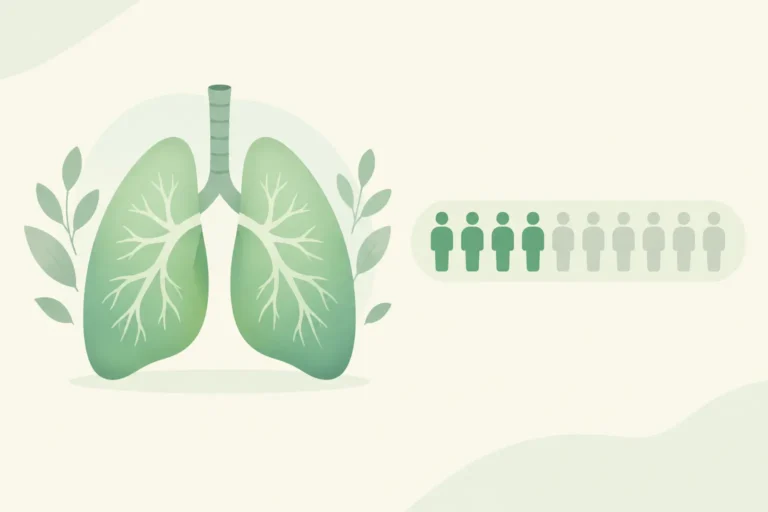
Quitting is hard, and it is rarely done alone. Smokefree.gov says that someone who feels supported is more likely to quit smoking for good, and that about 40% of smokers who quit say support from others mattered a lot in their success. The same page notes that it can take more than one try to quit successfully.
That is why a short message can matter more than it seems. It tells the person you notice the effort. A good message does three things: it names the milestone, it praises the person rather than the outcome, and it offers something small, like a call or a walk. Everything below follows that pattern.
If you want a deeper guide on being a steady supporter, read our piece on how to help someone quit smoking. If you are choosing a present to go with your words, our list of gifts for someone quitting smoking pairs well with a message. And if you want ready-made lines for the quitter to read to themselves, try our quit smoking motivation quotes that help.
Messages for day 1 and the first 48 hours
The first two days are about showing up. Keep messages light and warm, and avoid health lectures. The NHS says that after 48 hours the senses of taste and smell are improving, which is a nice, true thing to mention.
- You did it. Day one is behind you, and I am proud of you.
- Today you chose yourself. I am cheering for every hour of it.
- Whatever today throws at you, you can text me. I will answer.
- Hard first day, strong first day. You are doing the thing.
- Your taste and smell are already starting to recover. Go eat something wonderful.
- Forty-eight hours in. Take the win and drink some water.
Messages for week 1
The first week is when cravings and irritability often peak, so a kind message lands hard. The NHS says that after 72 hours, breathing may feel easier because the bronchial tubes have started to relax, and energy can be increasing.
- One week. That is seven mornings you did not light up, and that is huge.
- I know this week was not easy. I am so glad you stuck with it.
- Your breathing may already feel a little easier. Notice it and enjoy it.
- A whole week! Let me take you for a walk to celebrate.
- You have been brave all week. Dinner is on me.
- One week down. Look at what you have already shown yourself.
Messages for one month
Four weeks is a milestone worth a bigger celebration. The NHS says the goal is to reach 28 days smoke free, because if you can do that you are 5 times more likely to quit for good (see NHS Better Health). For more on what a month can bring, see our guide on one month of quit smoking benefits.
- Four weeks smoke free. That is a milestone, and you earned every day.
- You reached 28 days. The NHS says that makes you 5 times more likely to quit for good.
- A month ago this felt impossible. Now look at you.
- Proud of you does not cover it. A full month!
- Your circulation has been improving for weeks now. Your body is thanking you.
- You have gone a month without a cigarette. Let us celebrate properly.
Hearing a real quitter helps you find the right tone. In this short film from NHS Devon, Donna talks about quitting after surgery and what she believes it did for her recovery.
Messages for three months
Smokefree.gov notes that it is not uncommon for ex-smokers to start smoking again within the first three months, so reaching three months is something to celebrate and to protect. The NHS says that between three and nine months, coughs, wheezing and breathing problems will be improving as lung function increases by up to 10%.
- Three months. You have outlasted the hardest stretch, and I am amazed.
- Smokefree.gov says restarting in the first three months is not uncommon. You made it through, and that took real grit.
- The NHS says coughs and breathing problems improve from around three months. I hope you are feeling it.
- Three months of choosing yourself, one day at a time.
- I am so proud of how steady you have been. Keep going.
- Look how far you have come. I would love to hear what has changed for you.
If the person says motivation is dipping at this stage, point them to our guide on the three month quit plateau and how to stay motivated.
Messages for one year
One year is a landmark, and Smokefree.gov lists a smokefree year as a reason to celebrate. The NHS says that after one year the risk of heart attack is half that of a smoker, which belongs in any message you send. Our guide to one year smoke free anniversary ideas has ideas for marking the day.
- One year smoke free. I am truly proud of you.
- The NHS says your risk of heart attack is now half that of a smoker. What a gift to yourself.
- A year ago you made a choice that is still paying off. Congratulations.
- You did something hard and you kept doing it. A year!
- Happy quit-iversary. Let us do something fun to celebrate.
- I do not have words big enough. I am just so glad you are here.
Messages after a slip
A slip is when your message matters most, and when the wrong word does the most damage. Smokefree.gov says the person will probably feel guilty, so getting angry will not help. Its advice is to tell them you know they can still quit and remind them of the progress they have made. Here are five ways to put that into words:
- A slip does not erase your progress. You are still the person who quit, and I am still in your corner.
- You are not starting from zero. You are starting from experience.
- Let us look at what triggered it, and make a plan for next time.
- Be kind to yourself today. Tomorrow is a good day to begin again.
- Many people need more than one try. I believe you can do this.
If you want to go further, our guide to finding a quit smoking accountability partner explains how to build a support system that survives a slip.

Funny versus heartfelt
Humor can work if you know the person well and the joke is on the good news, not on their past. Here are five light messages. Keep them for people who enjoy a laugh and who are doing well; if they are struggling, send a heartfelt one instead.
- Congrats on quitting. Your wallet and your lungs both say thank you.
- You are officially cooler than a cigarette. And much better smelling.
- Look at you, smelling like a person again. I love it.
- Your lungs just sent a thank-you card. It is very short and says thanks.
- You quit and I did not have to nag even once. Truly a legend.
| Situation | Best tone | Example opener |
|---|---|---|
| Quit day or first week | Warm and brief | I am proud of you and I am here. |
| One month or three months | Celebratory | Look how far you have come. |
| One year | Heartfelt and specific | A year ago you made a choice that is still paying off. |
| After a slip | Gentle and steady | You are not starting from zero. |
| Close friend who loves jokes | Light and funny | Your lungs just sent a thank-you card. |
What not to say
Smokefree.gov lists several things to avoid when helping someone quit, and they apply to messages too. Do not nag about why smoking is bad, count their cigarettes, ask whether they smoked today or argue about irritability. Do not give them a hard time if appetite rises during withdrawal, and do not get upset if they slip.
- Skip the lecture. A congratulations message is not the moment to list the harms of smoking.
- Skip the test. Avoid lines like “Don’t mess this up.” They add pressure without help.
- Skip the comparison. Do not compare their quit to someone else’s.
- Skip body talk. Weight, mood and appetite changes are common in withdrawal. Leave them out.
- Skip invented facts. If you mention a health benefit, check it against the NHS timeline first.
If the person you are messaging is thinking about the bigger picture, send them our quit smoking motivation complete guide staying strong.
Where iQuit fits
iQuit is a free app on Google Play and the App Store that tracks days smoke-free, cigarettes avoided and money saved, so the person you are cheering for can see the same milestones you are celebrating. It lets them log cravings with their triggers and gives them SOS tools such as breathing exercises, grounding and craving surfing. Streak shields and slip recovery treat a slip as data, not defeat, which matches the tone of the messages above. It does not replace medication or professional support.
Frequently Asked Questions
What do you say to someone who just quit smoking?
Keep it short, warm and about them. Something like “I am proud of you, and I am here if you need me” works well. Smokefree.gov says someone who feels supported is more likely to quit smoking for good, so a simple message that shows you are paying attention is already helpful.
When should I send a congratulations message?
Send one on the quit day, after the first few days, and at milestones such as one week, four weeks, three months and one year. Smokefree.gov lists one day, one week and one year as reasons to celebrate, and the NHS says reaching 28 days smoke free makes someone 5 times more likely to quit for good.
What should I avoid saying to someone who is quitting?
Avoid nagging, counting their cigarettes, asking whether they smoked today and getting upset if they slip. Smokefree.gov lists these as things to avoid. Skip comparisons, jokes about weakness and any comment about weight or mood. Keep the tone positive and let them tell you how it is going.
What do I say if someone slips?
Say that you know they can still quit and remind them of the progress they have made. Smokefree.gov also suggests helping them figure out what triggered the craving and plan for next time. Avoid anger or disappointment, because they will probably already feel guilty.
Is it okay to send a funny message?
Often yes, if you know the person enjoys humor and the joke is about the good news, not about their past smoking. Keep it light, avoid anything that mocks cravings or slips, and pair a joke with something sincere. When in doubt, choose the heartfelt version.
Do encouraging messages really help?
They can. Smokefree.gov reports that about 40% of smokers who quit say support from others mattered a lot in their success. A message cannot do the quitting for someone, but it shows you are on their side, which makes a hard stretch feel less lonely.
Can I use a quit-tracking app to know when to send messages?
If the person shares their quit date or progress with you, yes. A tracking app such as iQuit shows days smoke-free and milestones, so you know when day 7, day 28 or three months arrive. Ask first, and let them decide what to share.
How do health milestones fit into a message?
A health fact can add weight to a message if it is accurate. The NHS lists milestones such as improving taste and smell after 48 hours, easier breathing after 72 hours and a halved heart attack risk after one year. Quote them carefully and keep the focus on the person, not the statistic.
Be the support they remember
Pick a message, send it today and offer to do something small together. If they want a free tracker for their milestones, iQuit is on Google Play and the App Store.