Hearing Recovery After Quitting Smoking: Tinnitus, Hearing Loss & What Improves (2026)
You already know smoking damages your lungs and heart — but few people realise that every cigarette is also quietly eroding your hearing. Nicotine constricts the tiny blood vessels that feed the cochlea, your inner ear’s sound-processing organ, while carbon monoxide starves its delicate hair cells of oxygen. The result is measurable: smokers are significantly more likely to develop sensorineural hearing loss and chronic tinnitus than people who have never smoked. The encouraging news is that hearing recovery after quitting smoking is real, and it begins sooner than most people expect.
This guide explains exactly what smoking does to your auditory system, which changes are reversible when you quit, what a realistic recovery timeline looks like, and what the science says about tinnitus — including the temporary ringing some people notice during the first weeks of cessation. Whether you quit last week or last year, understanding your ear health trajectory can keep you motivated and reassured on the journey ahead.
How Smoking Damages Your Hearing
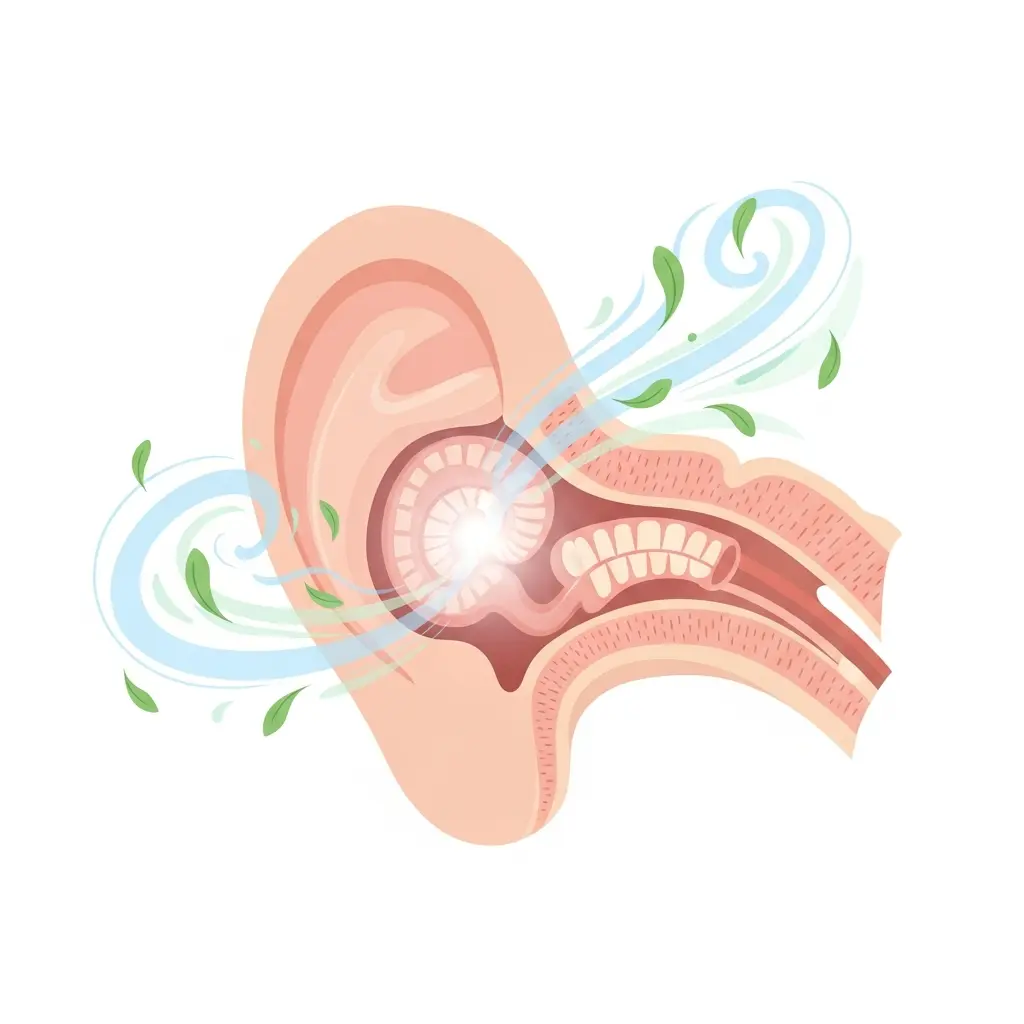
The inner ear is one of the most metabolically demanding structures in the human body. The cochlea — a fluid-filled, snail-shaped organ housing around 15,000 hair cells — converts sound vibrations into electrical signals that the brain interprets as speech, music, and every other sound in your world. Those hair cells depend on an uninterrupted, high-quality blood supply. Smoking interrupts it in multiple ways simultaneously.
Research published in Tobacco Induced Diseases using NHANES data found that smokers had substantially higher rates of hearing loss at every frequency compared to non-smokers. For high-frequency hearing loss — the kind that first affects the ability to follow conversations in noisy rooms — the prevalence was 53.5% in smokers versus 37.0% in non-smokers. Speech-frequency hearing loss was present in 23.2% of smokers compared to 13.0% of non-smokers, and unadjusted odds ratios for hearing impairment exceeded 2.0 (2.20 for high-frequency, 2.27 for speech-frequency) — associations that remained statistically significant after adjustment for age and noise exposure. These are not marginal differences — they represent a profoundly elevated burden of auditory damage tied directly to tobacco use.
The World Health Organization identifies smoking as a risk factor for adult-onset hearing loss and projects that by 2050 nearly 2.5 billion people globally will have some degree of hearing impairment. Preventing avoidable contributions to that burden — including tobacco — is a core public health priority.
Four Mechanisms That Harm Your Ears
Understanding how smoking damages hearing helps explain why certain changes recover quickly after quitting and others require much longer — or may be permanent.
1. Cochlear Vasoconstriction
Nicotine is a powerful vasoconstrictor. It causes the stria vascularis — the blood-vessel-rich tissue lining the cochlea — to narrow, reducing the oxygen-rich blood that hair cells need to function and survive. Even brief, repeated episodes of reduced cochlear blood flow accelerate hair cell apoptosis (programmed cell death).
2. Carbon Monoxide Displacement
Every cigarette delivers a pulse of carbon monoxide (CO), which binds to haemoglobin with 200 times the affinity of oxygen. This produces carboxyhaemoglobin, which cannot carry oxygen. The NHS notes that within just 8 hours of quitting, blood carbon monoxide falls by half and oxygen levels begin to normalise — a change that benefits the cochlea almost immediately.
3. Nicotine-Induced Hair Cell Toxicity
A study published in Translational Neuroscience and indexed on PubMed Central demonstrated that nicotine causes direct, dose-dependent outer hair cell (OHC) loss in cochlear cultures. Even at concentrations as low as 1 ng/mL, nicotine produced stereocilia disorganisation, mitochondrial swelling, endoplasmic reticulum dilation, and apoptotic body accumulation. The outer hair cells — responsible for amplifying quiet sounds — are the first to go, which is why high-frequency loss typically appears before low-frequency decline.
4. Oxidative Stress and Inflammation
Cigarette smoke generates reactive oxygen species (ROS) that trigger a systemic inflammatory response. In the ear, this oxidative stress damages the cochlea’s melanocyte-rich lateral wall, impairs the stria vascularis’s ion pump function, and degrades the endocochlear potential that powers sound transduction. This same inflammatory cascade also affects the Eustachian tubes (covered below), contributing to middle ear problems that compound the inner ear damage.
Tinnitus and Smoking: Why Your Ears Ring
Tinnitus — the perception of sound (ringing, buzzing, hissing, or roaring) without an external source — affects a significant proportion of smokers. The cochlear mechanisms described above all contribute: when hair cells are stressed or dying, they send erratic signals to the auditory cortex, which the brain interprets as phantom noise.
A case-control study published in the International Tinnitus Journal found that smokers showed a mean pure-tone average threshold of 12.5 dB compared to 3.7 dB in non-smokers, and that 27% of smokers in the sample exhibited measurable hearing loss compared to none in the control group. Importantly, tinnitus severity correlated with pack-year exposure — the more cigarettes smoked over time, the louder and more intrusive the ringing tended to be.
A large prospective cohort study of women published on PubMed Central (the Nurses’ Health Study II, following over 81,000 women for 22 years) found that hearing loss risk decreased progressively with time after cessation — from a 1.43× increased risk in those who had quit for fewer than 5 years, dropping to 1.27× at 5–9 years, and 1.17× at 10–14 years, trending toward the baseline risk of never-smokers over time. For tinnitus specifically, reduced cochlear ischaemia after quitting removes one of the primary drivers of the signal misfiring that produces phantom sound.
Just as quitting smoking improves how your lungs recover after quitting smoking by restoring tissue oxygenation, the same circulatory improvements reach the auditory system — with measurable downstream benefits for both tinnitus intensity and hearing thresholds.
Withdrawal Tinnitus: The Temporary Ringing After Quitting
Here is something that catches many people off guard: some people experience a new or worsened tinnitus in the first weeks after quitting. If this happens to you, it does not mean quitting is harming your hearing. It is almost always a temporary withdrawal symptom, and understanding why it happens can prevent panic — and prevent relapse.
Why Withdrawal Can Trigger Temporary Tinnitus
Nicotine is a stimulant that keeps certain neurological systems in a state of heightened arousal. When you remove nicotine, the nervous system — including the auditory neural pathways — temporarily becomes hyper-excitable as it adjusts to the absence of the drug. This increased neural firing can manifest as ringing or buzzing in the ears. At the same time, withdrawal-related anxiety and sleep disruption are themselves known tinnitus aggravators.
Many people report ear ringing during nicotine withdrawal, with anecdotal reports suggesting it typically peaks between days 3 and 14 after the quit date — the same window when most withdrawal symptoms are most intense. This nervous-system hyper-excitability is part of the same withdrawal mechanism that produces night sweats and temperature instability in the early weeks: the autonomic nervous system overshooting as it recalibrates without nicotine’s steadying influence. For the majority, this resolves significantly by weeks 4–6 and clears entirely by 8–12 weeks. If tinnitus persists beyond three months, it warrants evaluation by an audiologist or ENT physician regardless of smoking history.
Hearing Recovery Timeline After Quitting
Recovery is not linear, and the degree of improvement depends heavily on how long you smoked, how heavily, and whether other risk factors (noise exposure, age, genetics) are present. That said, research points to a consistent pattern of staged improvement.
| Timeframe | What Happens in the Auditory System |
|---|---|
| Within 20 minutes | Blood pressure drops; nicotine-induced vasoconstriction of cochlear vessels begins to ease |
| 8–24 hours | Carbon monoxide halved; blood oxygen rises; cochlea receives measurably better oxygenation |
| Days 3–14 | Withdrawal tinnitus may peak; Eustachian tube inflammation begins to settle; mucociliary clearance in middle ear improves |
| Weeks 4–8 | Most withdrawal tinnitus resolves; improved circulation reaches inner ear structures; oxidative stress markers decline |
| 3–6 months | Systemic inflammation falling; Eustachian tube function continuing to improve; hearing thresholds may stabilise |
| 1–5 years | Risk of further smoking-related hearing loss decreases progressively; residual risk (1.43× at <5 years, 1.27× at 5–9 years) continues to fall toward baseline |
| 10–15+ years | Hearing loss risk approaches that of never-smokers; cumulative benefits compound alongside other systemic recovery gains |
It is worth noting that this same recovery process parallels broader systemic healing. As the year-by-year roadmap of health benefits after quitting shows, the circulatory improvements that help your heart and lungs also drive auditory recovery — making this a true whole-body transformation. The six-month milestone in particular marks the point where cochlear blood flow, lung function, and cardiovascular health have all consolidated into a new, healthier baseline together.
Eustachian Tube Dysfunction and Smoking
The Eustachian tube connects the middle ear to the back of the throat, equalising pressure and draining fluid. Smoking inflames and paralyses the cilia lining this tube, leading to a condition called obstructive Eustachian tube dysfunction (OETD) — which causes ear fullness, muffled hearing, and susceptibility to middle ear infections.
A large-scale study published on PubMed Central analysed 9,472 participants and found that current smokers had a relative risk of 1.75 for OETD compared to non-smokers. At 20+ pack-years of exposure, risk rose to 2.29× — meaning heavy, long-term smokers more than doubled their odds of developing dysfunctional middle ear pressure equalisation. A separate case-control study in the International Tinnitus Journal confirmed that 59% of smokers showed impaired tubal function compared to just 19% of non-smokers.
After quitting, the mucociliary system in the Eustachian tubes begins to recover as inflammation eases and cilia regain normal function. Fluid drainage improves, and negative middle ear pressure resolves for many former smokers over weeks to months. However — as with other aspects of recovery — the more years smoked, the longer it may take for full function to return, and in some individuals, OETD from chronic exposure may require medical management.
The cilia recovery that restores Eustachian tube function is the same process responsible for the healing cough after quitting smoking — airways cilia throughout the respiratory tract reactivate simultaneously, explaining why both symptoms peak and resolve on similar timelines. The immunological recovery that supports Eustachian tube healing is part of the broader pattern described in our guide to how your immune system recovers after quitting smoking — reduced systemic inflammation is one of the earliest and most wide-reaching benefits of cessation.
What May Not Fully Reverse
Honesty matters here. Not everything reverses when you quit smoking, and it is important to have realistic expectations alongside genuine hope.
Permanent Hair Cell Loss
Mammalian cochlear hair cells do not regenerate. If nicotine’s ototoxic effects or ischaemia-induced apoptosis have destroyed a significant number of outer or inner hair cells over years of smoking, that structural loss is permanent. No amount of cessation time will recreate those cells. This is why high-frequency hearing loss that is already established — the characteristic “notch” seen on audiograms of long-term smokers — may remain even after years of abstinence.
Cumulative Dose Still Matters
The Nurses’ Health Study II data referenced earlier showed that hearing loss risk remained elevated for former smokers even 10–14 years after quitting, with the residual risk correlating with lifetime pack-year exposure. Heavier past smokers carry more residual risk than lighter smokers, even after the same duration of abstinence.
Synergistic Noise Damage
Smoking sensitises the cochlea to noise-induced hearing loss. Former smokers who are exposed to loud occupational or recreational noise may experience accelerated hearing decline despite having quit — underscoring the importance of hearing protection even after cessation.
None of this should be discouraging. Quitting prevents all future smoking-related hearing damage, reduces ongoing inflammation, improves cochlear blood flow, and lowers the risk of age-related hearing decline accelerating further. This mirrors what we know about other organ systems: as skin recovery after quitting smoking illustrates, some damage reverses quickly while deeper structural effects take longer — but the direction of travel is always positive.
How to Protect Your Hearing During Recovery
While your auditory system heals, several evidence-informed steps can accelerate and protect that recovery.
Avoid Loud Noise Exposure
Your recovering cochlea is more vulnerable to noise damage than a healthy cochlea. Use ear protection (earplugs or noise-cancelling earmuffs rated ≥25 dB SNR) in loud workplaces or at concerts. Keep personal listening device volume at no more than 60% of maximum.
Manage Cardiovascular Health
Cochlear blood flow depends on cardiovascular health. Regular aerobic exercise, a Mediterranean-style diet, and blood pressure management all support the microvascular environment that feeds the inner ear. The same factors that help your heart recover from smoking also help your hearing recover — another reason systemic lifestyle change compounds over time.
Consider Antioxidant Nutrients
Several micronutrients have shown promise in supporting cochlear health in observational studies: magnesium (helps prevent noise-induced vasoconstriction), vitamin C and E (counter oxidative stress), and folate (supports vascular function). Discuss supplementation with a healthcare provider before starting, especially if on other medications.
Get a Baseline Audiogram
If you smoked for several years, consider requesting a baseline audiogram from an audiologist. This gives you a documented starting point so any future changes can be caught early and managed appropriately — rather than discovered only when significant progression has occurred.
Address Tinnitus Proactively
If tinnitus persists beyond three months after quitting, sound therapy, cognitive behavioural therapy (CBT), and in some cases tinnitus retraining therapy (TRT) are all evidence-based interventions. Anxiety and sleep deprivation worsen tinnitus perception — addressing both through cessation support, exercise, and good sleep hygiene can provide meaningful relief even before the auditory system fully recovers.
Supporting your fertility and overall health recovery is equally important during this period — our resource on quit-smoking effects on fertility and reproductive health covers how hormonal and vascular recovery support multiple systems simultaneously.
Ready to Protect Your Hearing and Quit for Good?
The iQuit – Quit Smoking App uses an AI coach, craving tracker, and personalised health milestone alerts to keep you on track. As your cochlear blood flow improves, your lung capacity grows, and your cardiovascular health strengthens, iQuit helps you celebrate every milestone along the way — including the hearing recovery journey described in this guide.
Track your health. Manage your cravings. See the money you’re saving. Download iQuit today and give your ears — and your whole body — the recovery they deserve.
Frequently Asked Questions
Can quitting smoking improve your hearing?
Quitting smoking can halt further hearing decline and allow some functional recovery as cochlear blood flow improves, Eustachian tube inflammation eases, and oxidative stress diminishes. Hearing loss already caused by destroyed hair cells is permanent, but risk of further deterioration decreases progressively over years after cessation. Many former smokers report stabilisation of their hearing and reduction in tinnitus within months of quitting.
Why do my ears ring more after I quit smoking?
Temporary tinnitus or worsened ringing in the first 2–8 weeks after quitting is a recognised nicotine withdrawal symptom. It occurs because the auditory nervous system becomes temporarily hyper-excitable as it adjusts to the absence of nicotine’s stimulant effect. Withdrawal-related anxiety and disrupted sleep also aggravate tinnitus perception. This withdrawal ringing typically peaks around days 3–14 and resolves by 8–12 weeks. It is not a sign that quitting is harming your hearing.
How long does it take for hearing to improve after quitting smoking?
Cochlear blood flow starts improving within hours of the last cigarette as nicotine-induced vasoconstriction eases and carbon monoxide clears. Eustachian tube inflammation settles over weeks to months. The risk of future smoking-related hearing loss falls progressively — studies show risk drops from 1.43× that of never-smokers within the first 5 years to approximately 1.27× at 5–9 years, continuing toward baseline thereafter. Full functional benefits require sustained long-term cessation.
Does smoking cause permanent hearing loss?
Yes, smoking can cause permanent sensorineural hearing loss by destroying outer hair cells in the cochlea. These cells do not regenerate in humans. Nicotine’s direct ototoxic effects and cochlear ischaemia both contribute to irreversible hair cell death. The good news is that quitting smoking prevents further damage — all future smoking-related hearing loss is avoided once you stop, which is the most impactful protective step you can take.
Does smoking cause Eustachian tube dysfunction?
Yes. Research on 9,472 participants found smokers had a 1.75× relative risk of obstructive Eustachian tube dysfunction compared to non-smokers, rising to 2.29× at 20+ pack-years of exposure. A separate study found 59% of smokers showed impaired tubal function versus 19% of non-smokers. Quitting reduces the inflammation and cilia damage that cause this dysfunction, with gradual improvement over weeks to months for most former smokers.
How much does smoking increase the risk of hearing loss?
According to NHANES data, smokers have unadjusted odds ratios of approximately 2.0–2.3 for hearing loss compared to non-smokers across low, speech, and high-frequency ranges. High-frequency hearing loss — the first type typically affected — was present in 53.5% of smokers versus 37.0% of non-smokers. The WHO identifies smoking as a significant preventable cause of adult hearing impairment worldwide.