Hookah, Shisha, and Waterpipe Smoking: The Complete Health Guide for 2026
Walk through the social districts of most UK cities on a Friday night and the sweet, fragrant clouds drifting from shisha bars tell a story of hookah’s remarkable rise in popularity. Millions of people worldwide smoke shisha regularly, and a widespread perception persists that waterpipe tobacco is somehow less harmful than cigarettes — a “natural” or “filtered” experience made safer by the water the smoke passes through. The evidence from the CDC, FDA, and WHO’s Tobacco Regulatory (TobReg) advisory body is unambiguous: this perception is wrong, and in some important respects, a single hookah session is more hazardous than smoking a single cigarette.
This complete hookah shisha health guide for 2026 explains exactly what you inhale during a waterpipe session, debunks the myths, reviews the evidence on cancer, heart disease, and respiratory harm, and offers practical guidance if you want to quit. Whether you smoke shisha occasionally or regularly, this is information you deserve to have clearly.
What Is Hookah, Shisha, and Waterpipe Smoking?
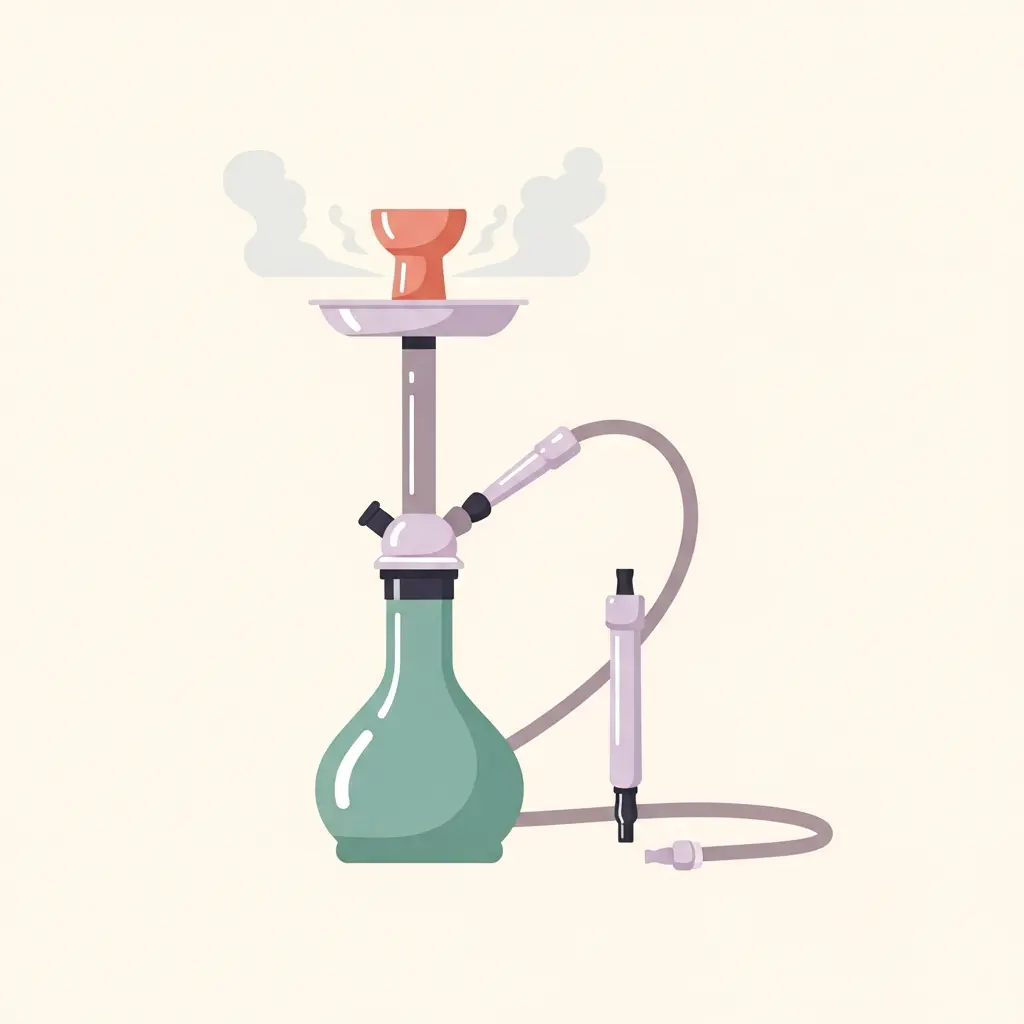
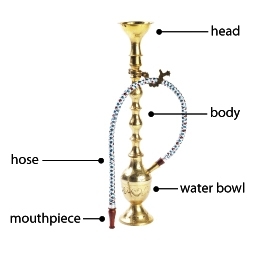
The terms hookah, shisha, and waterpipe all refer to essentially the same practice, though regional terminology differs. A hookah (from the Arabic word for “pot” or “box”) is a water pipe consisting of a bowl at the top where tobacco is placed, a central chamber filled with water, a long hose, and a mouthpiece. Charcoal is placed on top of the tobacco to heat it; the smoke generated travels through the water chamber before being inhaled through the hose.
“Shisha” technically refers to the tobacco product smoked in the pipe — a moist, flavoured tobacco often mixed with molasses or honey and available in hundreds of flavours from apple and mint to bubble gum and cola. “Waterpipe” is the term most commonly used in scientific and public health literature globally.
A typical hookah session lasts between 45 and 90 minutes, often involving multiple people sharing the same pipe. This social dimension is central to hookah’s cultural appeal and also to its infectious disease risk.
What Is Actually in Hookah Smoke?
Hookah smoke contains the same broad categories of harmful chemicals found in cigarette smoke — because both involve the combustion of tobacco. Specifically:
- Nicotine: The addictive component of tobacco is present in shisha at levels sufficient to cause dependence, and the longer session times and higher smoke volumes mean total nicotine exposure per session can exceed that of a single cigarette.
- Carbon monoxide (CO): CO is produced by the combustion of charcoal as well as tobacco. The CDC notes that CO exposure during a hookah session can be nearly nine times higher than from a single cigarette. CO binds to haemoglobin in red blood cells, reducing oxygen delivery to tissues — including heart muscle.
- Tar: The sticky residue from combusted tobacco contains polycyclic aromatic hydrocarbons (PAHs) and other carcinogens. Hookah smoke contains significant levels of tar despite its moist, flavoured appearance.
- Heavy metals: The charcoal used to heat the tobacco releases lead, arsenic, and chromium into the smoke. Research has detected elevated levels of these heavy metals in the blood and urine of waterpipe smokers.
- Volatile organic compounds: Benzene, formaldehyde, and acetaldehyde — all recognised carcinogens and toxicants — are present in hookah smoke.
- Particulate matter: Fine and ultrafine particles that penetrate deep into the lungs are found in hookah smoke in concentrations comparable to or exceeding those in cigarette smoke.
Debunking the Water Filter Myth
The most persistent misconception about hookah smoking is that the water in the pipe’s base filters out harmful substances before the smoke reaches the lungs. This belief drives many casual shisha users to consider it a “safer” option. The science is clear that this is false.
According to the CDC: “Even after the hookah smoke passes through the water, the smoke has high levels of toxic agents… There is no proof that any device or accessory can make waterpipe smoking less risky.”
What does the water actually do? It cools the smoke, making it easier to inhale large volumes. This cooling effect creates the sensation of smoothness and reduces the throat irritation that might otherwise limit how deeply or how long someone inhales — paradoxically making it easier to inhale more harmful substances than the raw harshness of cigarette smoke would allow.
Researchers have tested this specifically: water does trap a small proportion of water-soluble components of smoke, but it has no meaningful effect on the majority of carcinogens, heavy metals, carbon monoxide, or fine particles. The filtered fraction is negligible relative to total toxic exposure.
The charcoal factor
Unlike cigarettes, hookah requires charcoal for heating — and the charcoal itself is a significant source of additional toxic exposure. Burning charcoal produces carbon monoxide, benzene, and heavy metals independently of the tobacco. Studies have found that hookah smokers are exposed to charcoal-related toxicants above and beyond the tobacco combustion products, making the charcoal itself a health risk that has no equivalent in cigarette smoking.
The Health Risks: Cancer, Heart Disease, and Lung Damage
WHO’s TobReg advisory panel has concluded that waterpipe tobacco smoking is causally associated with the following:
Cancer
Hookah smoking is associated with lung cancer, oesophageal cancer, bladder cancer, and oral cavity cancers — the same spectrum linked to cigarette smoking. The carcinogenic compounds in hookah smoke (PAHs, nitrosamines, benzene, formaldehyde) are well-established causes of DNA damage. Research reviewed in a PMC systematic review found significant associations between waterpipe smoking and multiple cancer types.
Cardiovascular disease
High carbon monoxide exposure during hookah sessions has direct cardiovascular consequences: CO reduces oxygen delivery to the heart, promotes oxidative stress in arterial walls, and encourages platelet aggregation. Nicotine raises heart rate and blood pressure. Studies have measured acute cardiovascular stress responses during hookah sessions comparable to those seen with cigarette smoking.
Lung and respiratory disease
Chronic waterpipe smokers show patterns of lung function decline, increased respiratory symptoms, and higher rates of chronic obstructive pulmonary disease (COPD) consistent with tobacco smoke exposure. The fine and ultrafine particle deposition from hookah sessions causes lasting damage to alveolar tissue.
Pregnancy and neonatal risk
Waterpipe smoking during pregnancy carries the same risks as cigarette smoking: reduced birthweight, preterm birth, and developmental impacts associated with nicotine and carbon monoxide exposure in utero.
The Infectious Disease Risk: Sharing a Mouthpiece
Hookah smoking is almost always a social, shared activity — and this creates an infectious disease risk entirely absent from individual cigarette smoking. Sharing a mouthpiece (even with individual disposable tips) has been associated with transmission of:
- Herpes simplex virus (cold sores)
- Hepatitis C virus
- Tuberculosis (TB) — particularly significant in settings with higher TB prevalence
- Other respiratory pathogens including influenza and SARS-CoV-2
Individual disposable mouthpiece tips reduce but do not eliminate this risk, since the hose and internal components of a shared pipe remain vectors for pathogen transmission even when the visible tip is swapped between users.
Hookah and Nicotine Addiction
Because shisha tobacco is flavoured, sweet-smelling, and consumed socially rather than daily, many hookah users do not identify themselves as “addicted” to nicotine in the way a daily cigarette smoker might. The FDA is explicit: hookah tobacco contains nicotine and is capable of causing nicotine dependence.
The long session times and pleasant flavours of shisha may actually increase total nicotine absorption per session compared to smoking a single cigarette, as users often smoke for 45–90 minutes continuously. Casual or weekend hookah users who begin to notice cravings for their next session, irritability or anxiety when they skip it, or increasing frequency of use are showing classic signs of nicotine dependence — regardless of whether they smoke daily.
Understanding how nicotine tolerance develops and deepens dependence applies equally to waterpipe users as to cigarette smokers.
How to Quit Hookah Smoking
The principles of quitting hookah overlap substantially with quitting cigarettes, but there are some specific challenges to address:
Identify your triggers
Hookah use is often strongly socially triggered — specific venues, specific friends, specific occasions. Mapping these triggers is the first step. You may need to temporarily avoid certain social settings or have honest conversations with friends about your decision to quit.
Use NRT to manage nicotine withdrawal
If you smoke shisha regularly enough to have developed nicotine dependence, Nicotine Replacement Therapy — patches, gum, lozenges, or nasal spray — can help manage the physiological withdrawal while you break the behavioural habits. Our guide to NRT options in 2026 covers every product, what the evidence says, and how to choose the right one.
Address the social dimension
Because hookah is intensely social, quitting often requires building a new social script: what to do with your hands, what to drink, how to explain your decision to friends. Many former hookah smokers find that having non-shisha activities in the same social settings — playing cards, joining conversation at another table — helps them stay present socially while removing themselves from the smoking circle.
Get support
NHS Stop Smoking Services are available free of charge and provide evidence-based behavioural support alongside NRT. They are equally relevant for hookah smokers as for cigarette smokers. The complete guide to quitting smoking provides a comprehensive framework applicable to any form of tobacco cessation.
An app like iQuit can track your savings and health recovery from the day you quit your last hookah session, providing the same reinforcing milestones that help cigarette quitters stay motivated.
Frequently Asked Questions
Is hookah safer than cigarettes?
No. The CDC, FDA, and WHO TobReg all conclude that hookah carries the same serious health risks as cigarettes — including cancer, heart disease, and lung disease. In some respects, a single hookah session produces greater exposure to carbon monoxide and certain toxicants than a single cigarette, due to the longer session time and higher smoke volumes inhaled.
Does the water in a hookah filter out harmful chemicals?
No. The CDC states that even after smoke passes through the water, it retains high levels of toxic agents. There is no evidence that any device or accessory makes waterpipe smoking less risky. The water cools the smoke, making it easier to inhale large volumes — which may actually increase total toxicant exposure.
Can you get addicted to hookah?
Yes. Shisha tobacco contains nicotine, which is addictive regardless of delivery method. The FDA is explicit that hookah can cause nicotine dependence. The long sessions and pleasant flavours may mask the development of addiction, but the neurological mechanisms are identical to those involved in cigarette dependence.
How much carbon monoxide does a hookah session produce?
According to the CDC, a hookah session can expose the user to nearly nine times more carbon monoxide than a single cigarette. The charcoal used to heat the tobacco is itself a significant CO source, in addition to the tobacco combustion.
Can sharing a hookah spread disease?
Yes. Sharing a hookah mouthpiece or hose is associated with transmission of herpes, hepatitis C, tuberculosis, and respiratory infections including influenza. Disposable tips reduce but do not eliminate the risk, as the hose and internal components can still transmit pathogens.
Is occasional hookah smoking harmful?
Occasional use still exposes you to significant levels of carcinogens, carbon monoxide, and heavy metals during each session. There is no established safe level of tobacco smoke exposure. The harm from occasional hookah use may be lower than daily cigarette smoking in cumulative terms, but individual sessions carry meaningful acute cardiovascular and respiratory risks.