Can an App Help You Quit Vaping? How iQuit Supports Vape Cessation in 2026
If you’ve ever tried to put down your vape and failed, you’re not alone — and you’re not weak. Vaping delivers nicotine with remarkable efficiency, especially the nicotine salt formulations found in most modern pods, which reach the bloodstream faster than cigarettes and trigger dependence quickly. When that craving hits and your usual coping tool is the device in your pocket, willpower alone rarely wins. A dedicated quit vaping app changes that equation: it replaces the impulsive reach for your vape with structured support, craving tools, and real-time data about your progress — available exactly when you need them most.
In 2026, the evidence for app-based vaping cessation has moved well beyond pilot studies. Peer-reviewed research published in the Journal of Medical Internet Research analysed 16 studies of digital vaping interventions and found that personalized, behaviorally grounded programs achieved 30-day abstinence rates as high as 45% — comparable to many clinical programs. That’s not a guarantee for every person, but it’s a compelling argument for giving a high-quality app a serious try before writing off digital support entirely.
This guide walks through the science of why quitting vaping is hard, what the research says works in a quit vaping app, and how iQuit is specifically designed to address the unique challenges of vape cessation — not just cigarette quitting.
Yes — a quit vaping app can meaningfully improve your chances of success. Research shows that digital interventions combining personalized support, craving tracking, and behavioral tools produce abstinence rates significantly higher than quitting cold turkey alone. iQuit’s AI coach, craving tracker, and milestone system are tailored to the specific nicotine delivery patterns of vaping, making it one of the most targeted quit vaping apps available in 2026.
Why Vaping Is So Hard to Quit
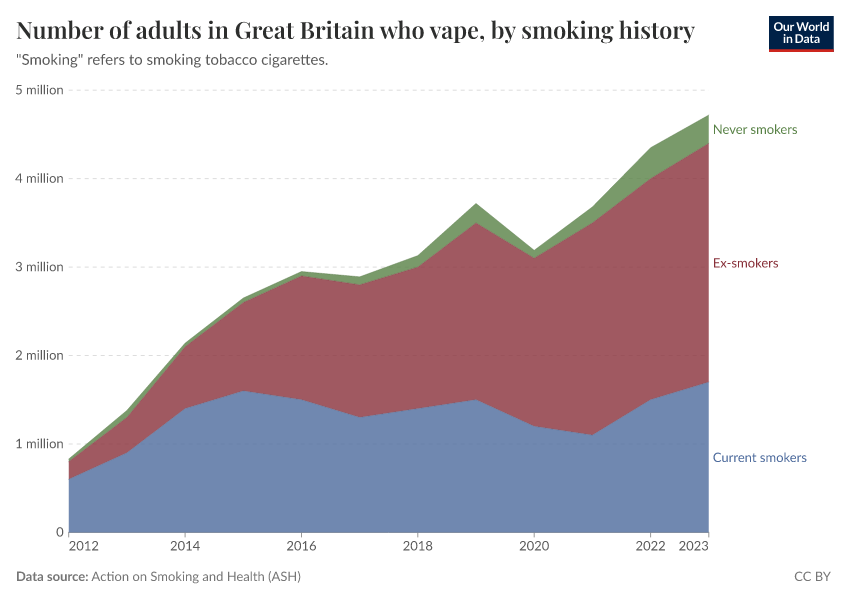
Vaping was originally marketed as an easier alternative to cigarettes — and for some smokers, it has served as a transition tool. But for the millions who started vaping without ever smoking cigarettes (61.4% of 18–24-year-old vapers in the US have never smoked, according to CDC data), it introduced a nicotine habit without any intention of quitting smoking.
Several factors make vaping particularly sticky as a habit:
- High nicotine concentration: Modern pod systems use nicotine salts that can deliver 25–50mg/ml — far higher than most cigarettes. The rapid absorption reinforces the reward cycle intensely.
- Behavioral rituals: Vaping is convenient, discreet, and often tied to dozens of daily triggers — stress, boredom, social situations, meal completion. Each trigger reinforces the habit loop.
- No clear “end point”: Unlike lighting a cigarette that burns down, a vape device offers unlimited, on-demand puffs. There’s no natural stopping signal built into the product.
- Social normalization: In many peer groups, vaping is normalized in a way cigarettes no longer are, reducing the social cost that sometimes motivates quitting.
The CDC reports that 60.1% of adult vapers intend to quit — yet only around 15–26% report having made a quit attempt in the past year. The gap between intention and action is enormous, and it’s exactly where a structured quit vaping app can intervene.
What the Science Says About Quit Vaping Apps
The evidence base for digital vaping cessation has grown substantially since 2020. A 2025 scoping review published in the Journal of Medical Internet Research examined 16 peer-reviewed studies of digital interventions for vaping cessation, covering text messaging programs, mobile apps, telehealth models, and web-based platforms.
Here’s what the research found:
| Intervention Type | Program | Abstinence Rate | Timeframe |
|---|---|---|---|
| Text messaging | This is Quitting | 37.8% (adolescents); 24.1% (young adults) | 7-day abstinence |
| Text messaging | Kick Vaping | 75% | 7-day abstinence at 3 months |
| Mobile app | Pivot | 45% | 30-day abstinence at 6 months |
| Telehealth + contingency management | Hybrid model | 55.4% vs. 8% control | Point abstinence |
The same review identified two design features that consistently predicted better outcomes: personalization (tailored messaging based on the user’s own vaping patterns and readiness to quit) and social support (peer community, professional coaching, or both). These aren’t soft add-ons — they’re the core architecture of effective digital quit support.
A separate systematic assessment of 30 vaping cessation apps published in PMC found that most apps averaged just 8.9 out of 21 possible behavior-change features. Crucially, only 40% included goal-setting — one of the most evidence-backed elements of cessation support. This quality gap is significant: it means choosing which app matters as much as deciding to use one. For a ranked comparison of every major option, see the 2026 guide to the best quit vaping apps.
Good Morning America (ABC, Jan 2025): The best way to quit vaping — covering research on the most effective cessation strategies, including digital interventions.
Features That Actually Support Vape Cessation
Not every quit vaping app is built equally. Based on the peer-reviewed literature, these are the features that move the needle on actual cessation outcomes:
1. Craving Tracking and Real-Time Intervention
Cravings are the most immediate barrier to quitting. Each nicotine craving typically peaks and passes within 10–15 minutes, but in that window, most people relapse. An app that detects a craving check-in and immediately delivers a distraction tool, breathing exercise, or motivational prompt can interrupt the craving-to-relapse pipeline at the most critical moment.
2. Personalized Quit Plan Based on Your Vaping Patterns
Someone who vapes 20 times a day under stress needs a different plan than someone who vapes socially on weekends. Effective apps gather baseline data on when, where, and how much you vape — then build a personalized reduction or cessation schedule around that profile. Generic advice rarely works for nicotine dependence; personal plans do.
3. Health and Financial Milestone Tracking
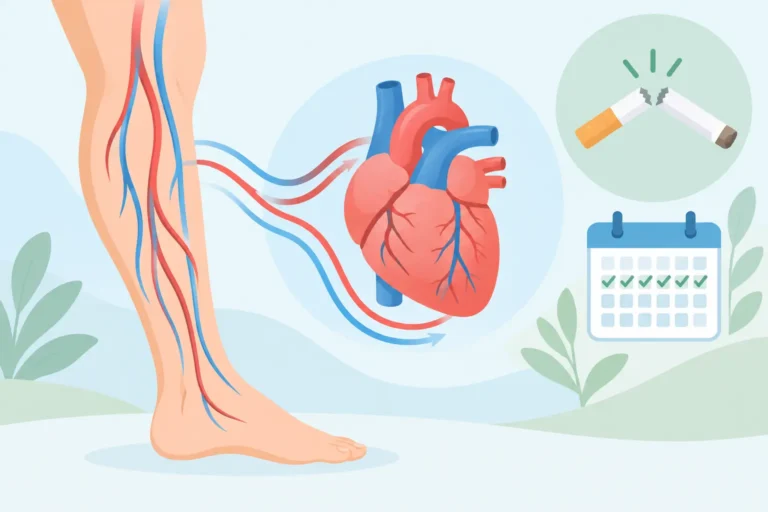
Nicotine dependence creates a distorted sense of risk: the benefits of quitting feel abstract while the discomfort of withdrawal feels very real. Milestone tracking makes the benefits concrete and immediate. Knowing that your heart rate has normalized after 20 minutes, your lung function is improving after 3 months, and you’ve saved £200 since you quit — all visualized in a dashboard — shifts the psychological calculus powerfully in favor of continued abstinence.
4. AI-Powered Coaching
Human quit coaches are effective but expensive and not available at 2am when a craving strikes. AI coaches that have been trained on evidence-based cessation methods can deliver personalized, responsive support around the clock. They can recognize patterns in your craving data, adjust their advice accordingly, and provide the kind of consistent encouragement that sustains motivation through the hardest early weeks.
5. Community and Peer Support
Social support is one of the strongest predictors of cessation success across the research literature. A quit vaping app with a genuine community — where members share strategies, celebrate milestones, and support each other through slip-ups — replicates the benefit of group counseling in a format that fits into modern life.
6. Goal-Setting and Progress Visualization
Despite being one of the most evidence-backed behavior change mechanisms, goal-setting was present in only 40% of the apps evaluated in the PMC study. Setting a clear quit date, establishing daily vape-free goals, and seeing visual progress toward those goals creates commitment and accountability that sustains effort over time.
How iQuit Addresses Vape-Specific Challenges
Most quit-smoking apps were designed with cigarettes in mind. They assume a fixed number of cigarettes per day, a clear burn-through signal, and decades of research on cigarette cessation timelines. Vaping breaks all of those assumptions. iQuit was built to work across all forms of nicotine dependence — including vaping — which means its architecture maps directly onto vape cessation challenges.
The iQuit AI coach doesn’t just deliver pre-scripted messages. It learns from your craving check-ins, your trigger patterns, and your progress data to adapt its support in real time. If you consistently report cravings at 9pm, it will send a proactive check-in at 8:45 with a tool ready. That level of personalization is precisely what the JMIR research identified as a key driver of better abstinence outcomes.
The craving tracker inside iQuit is designed for the on-demand nature of vaping. Because vapers don’t have a “cigarette count” to measure usage, iQuit lets you log puff sessions or craving moments — building a picture of your personal trigger map without requiring the rigid structure that cigarette-quitting apps typically impose.
Health milestones within iQuit are calibrated to nicotine recovery generally, not just cigarette-specific lung metrics. Within hours of your last puff, your cardiovascular system begins to normalize. Within days, your taste and smell sharpen. Within weeks, your respiratory tract clears. iQuit surfaces these milestones as they happen — and you can see exactly how it tracks each one in the dedicated guide to how iQuit tracks health recovery milestones in real time.
The money-saved tracker is particularly compelling for vapers. Pod systems and disposable vapes are often more expensive per week than cigarettes, and the financial drain is frequently invisible because each purchase feels small. Seeing the cumulative total — what you’ve saved since your quit date — reframes the habit’s true cost and gives a tangible reward for continued abstinence.
For a full breakdown of iQuit’s feature set and how it compares to alternatives, see the best quit smoking app 2026 comparison guide.
Using iQuit as Your Quit Vaping App: A Step-by-Step Plan
The following plan is designed for someone who is currently vaping and wants to use iQuit to achieve complete cessation. Adjust the timeline based on your level of nicotine dependence — heavier, more frequent vapers may benefit from an extra week in the reduction phase. For a fuller, standalone roadmap that works with or without an app, see the complete step-by-step plan to quit vaping.
Week 1–2: Baseline and Awareness
- Download iQuit and set up your profile. Enter your vaping frequency, device type, and primary triggers. This gives the AI coach the data it needs to personalize your plan from day one.
- Don’t quit yet. Spend the first week logging your vaping sessions and cravings honestly. Most people are surprised by how many times they reach for their device — and by the patterns that emerge (post-meal, under stress, during social situations).
- Set your quit date. Choose a date 10–14 days out. Having a specific date creates commitment and gives you time to prepare without indefinite procrastination.
- Tell someone. Social accountability significantly improves quit rates. Use iQuit’s community feature to post your quit date publicly, or tell a friend or family member.
Week 2–3: Gradual Reduction (Optional)
- Use iQuit’s tracker to set daily limits. If cold turkey feels too daunting, a structured taper gives your brain time to adjust. Reduce by 20–25% each week.
- Identify and pre-plan for your top 3 triggers. The craving tracker will surface these. Work with the AI coach to develop a specific alternative behavior for each one (e.g., five-minute walk for stress cravings; sugar-free gum for post-meal cravings).
- Clear your environment. Before your quit date, remove all vaping devices and pods from your home, car, and workspace. Environmental cues are powerful relapse triggers.
Quit Day and Beyond
- Open iQuit first thing on quit day. Confirm your quit date, review your trigger plan, and engage with the community for opening-day support.
- Use the craving tool for every urge in the first 72 hours. The first three days are the hardest — this is when withdrawal symptoms peak. Log every craving in iQuit and use the in-app distraction techniques to ride out each one.
- Check your milestones daily. The iQuit milestone tracker gives you visible proof that your body is healing. These early wins — 20 minutes, 8 hours, 24 hours, 48 hours — build the momentum that carries you through the first week.
- Lean on the AI coach during difficult moments. Don’t white-knuckle through a bad craving in silence. Open the app, talk to the coach, and let it guide you through.
- Celebrate your first week. Use the money saved to do something you enjoy. This positive reinforcement matters — it connects quitting to reward, not just deprivation.
For a deeper look at how the AI coaching component works behind the scenes, the full guide on how artificial intelligence helps you quit explains the behavioral science and personalization mechanisms in detail.
What to Expect: Nicotine Withdrawal Timeline for Vapers
Understanding what your body is going through — and when it gets easier — is one of the most powerful tools for sustaining a quit attempt. Withdrawal symptoms from vaping follow a predictable timeline, though their intensity varies based on how much nicotine you were consuming and for how long.
| Timeframe | What’s Happening | Common Symptoms | iQuit Support |
|---|---|---|---|
| 20–60 minutes | Nicotine levels drop; first cravings begin | Restlessness, urge to vape | Craving timer + breathing tool |
| 24–48 hours | Nicotine clears the body; peak physical withdrawal | Irritability, headaches, difficulty concentrating, anxiety | AI coach check-ins + milestone alerts (heart rate normalized at 20 min) |
| 3–5 days | Symptoms peak then begin to ease | Strong cravings, mood swings, sleep disruption | Community support + streak protection |
| 1–2 weeks | Physical symptoms resolve for most people | Reduced craving frequency; improved taste and smell | Milestone celebrations + money-saved tracker |
| 1 month+ | Habit rewiring; psychological triggers persist longest | Situational cravings (stress, social triggers) | Long-term AI coaching + trigger journaling |
The most important thing to know: each individual craving lasts only 10–15 minutes. Riding out each craving — rather than giving in to it — is a winnable game. The iQuit craving timer makes this visible: you can watch the timer count down and see the craving pass, which builds the self-efficacy that makes the next craving easier to manage. For a toolkit of techniques to deploy in those windows — from diaphragmatic breathing to urge surfing — the guide to beating vape cravings with 12 evidence-based techniques covers every approach in depth.
Quit Vaping App vs. Going Cold Turkey
Cold turkey — stopping all at once without any structured support — works for some people. But the research suggests it works for far fewer than many think. For smoking cessation broadly, cold turkey success rates at 6 months are typically below 5% without any form of support, according to data consistently cited by public health organizations including WHO.
Vaping presents additional challenges: the high nicotine concentration in modern pods means dependence can develop more rapidly, and the device’s always-available nature removes the natural friction that sometimes slows cigarette use. Without replacing the device with something — a structured quit plan, a craving tool, a community — many people simply pick it back up.
A quit vaping app doesn’t remove willpower from the equation. It amplifies whatever willpower you have by giving you better tools, better information, and better support at the moments willpower is most likely to fail. Reading an iQuit review from 2026 users consistently reveals the same theme: “I’d tried cold turkey twice before — this time I had something to do instead of vape.”
For those who are also transitioning from cigarettes to vaping and back, the picture is more complex. The guide to switching from smoking to vaping then quitting both covers both use cases in detail, including the evidence on optimal timing for the second step. You can also compare iQuit against phone-based quitlines in the iQuit vs quitlines comparison for 2026.
iQuit — Quit Smoking App is free to download. Set your quit date, log your first craving, and let the AI coach personalize your plan from day one. Every vape-free minute is tracked. Every milestone is celebrated. Every craving has a tool designed to help you through it.
Frequently Asked Questions
Can a quit vaping app really help me stop for good?
Yes — with the right features, a quit vaping app meaningfully improves your odds. Research published in the Journal of Medical Internet Research found that personalized digital interventions produced 30-day abstinence rates as high as 45% in some studies. The key is choosing an app with evidence-backed features: craving tracking, personalized plans, goal-setting, and community support. iQuit includes all of these, calibrated for the specific challenges of vaping rather than just cigarette cessation.
Is quitting vaping harder than quitting cigarettes?
Many people find vaping harder to quit because modern pod devices use nicotine salts with concentrations far exceeding those of cigarettes, and the device’s discreet, always-available design means there’s no natural friction to slow use. The behavioral ritual is also more embedded — vapers typically puff many more times per day than cigarette smokers smoke. That said, the underlying nicotine withdrawal physiology is similar, and evidence-based quit strategies work for both.
How long does nicotine withdrawal from vaping last?
Physical withdrawal symptoms typically peak within 48–72 hours of your last vape and begin to ease within 10 days for most people. However, psychological triggers — cravings linked to stress, social situations, or habitual contexts — can persist for weeks or months. This is why sustained app-based support matters: the AI coach and craving tools remain useful long after the acute physical phase has passed.
What makes iQuit different from other quit vaping apps?
iQuit combines an AI coach that personalizes to your specific craving patterns, a craving tracker that works for the on-demand nature of vaping (not just cigarette counts), health milestones calibrated to nicotine recovery, a money-saved tracker, and a peer community — all in one platform. Most generic quit apps were designed for cigarette cessation; iQuit’s architecture handles vaping’s unique patterns. A full feature comparison is available in the best quit smoking app 2026 guide.
Should I use nicotine replacement therapy alongside a quit vaping app?
For heavier vapers, combining an app with NRT (nicotine patches, gum, or lozenges) can ease withdrawal symptoms and improve success rates. A 2025 clinical trial is currently evaluating nicotine patch plus nicotine mouth spray specifically for vaping cessation. Speak with a GP or pharmacist about whether NRT is right for your level of dependence — and use iQuit alongside it to handle the behavioral and psychological dimensions of quitting.
Is iQuit free to use as a quit vaping app?
iQuit is free to download, with core features including the craving tracker, milestones, and community access available at no cost. Premium features including the full AI coaching experience are available via subscription. Given the average weekly cost of a vaping habit, many users find that iQuit pays for itself within days of quitting. For full details on features and pricing, see the iQuit 2026 review.