If you are trying to work out how to tell if your teen is vaping, you are probably noticing small things that do not quite add up: a sweet smell, a new cough, a charger that fits nothing in the house. Vaping is easy to hide. The American Lung Association says so directly: the signs can be easy to miss, and unlike cigarettes, e-cigarettes do not leave the telltale scent of tobacco. This guide walks through 12 signs (eleven drawn from medical and public-health sources, one flagged as our own inference), explains why none of them proves anything on its own, and shows how to start a calm conversation and where to get help.
What Vapes Look Like Now
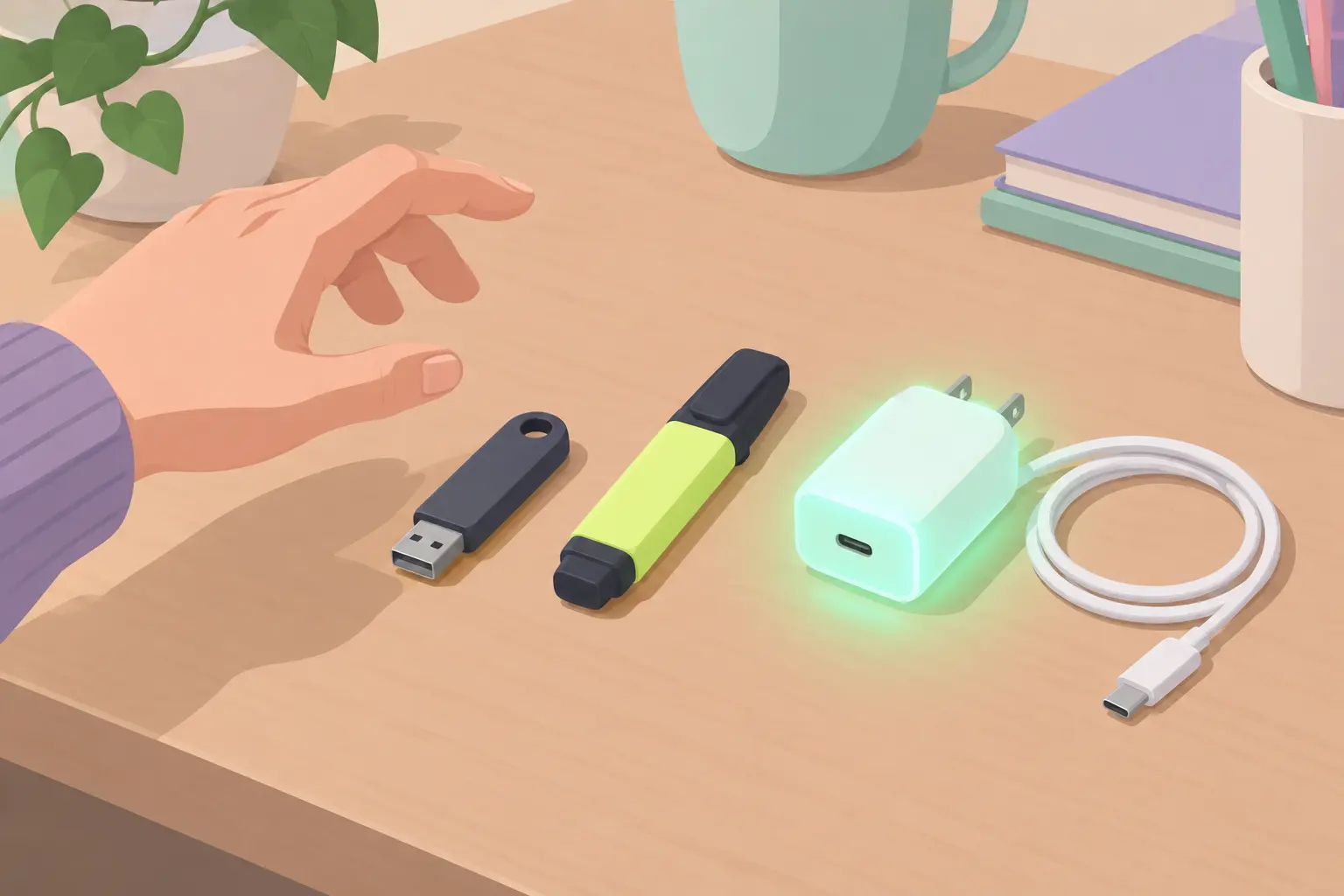
Before you can spot a vape, it helps to know that most of them do not look like a cigarette. The FDA notes that these products may be made to look like cigarettes, cigars or pipes, but adds that “some resemble pens or USB flash drives,” and larger tank systems or mods “bear little or no resemblance to cigarettes.” The American Lung Association goes further and lists household look-alikes: USB devices, pens, highlighters and chargers. It also names disposable brands such as Elf Bar and Puff Bar, which are designed for one-time use.
In practice that means the object to look for is often an ordinary-looking gadget. A small rectangular device with a mouthpiece, a pod or cartridge you do not recognize, or a charging cable that does not match any phone or tablet in the house are all worth a second look. Sources: the FDA overview of e-cigarettes and vapes and the American Lung Association vaping facts page.
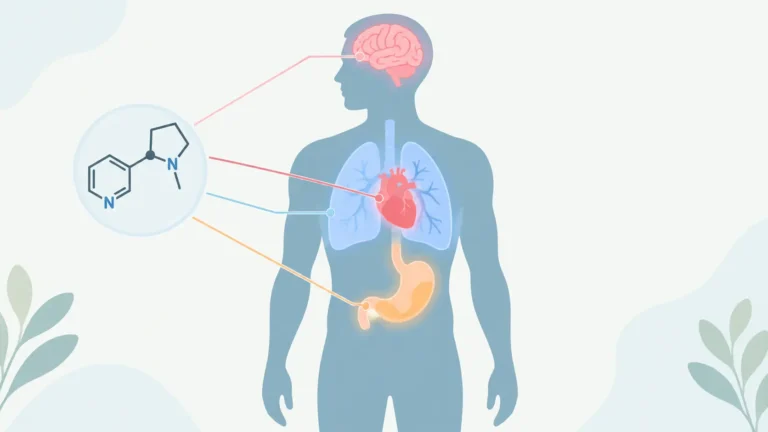
One more point on what is inside. Nemours KidsHealth warns that the aerosol “usually contains nicotine, other harmful chemicals, and flavorings,” and that even e-cigarettes that claim to have no nicotine have been found to contain nicotine. It also says “you don’t have to vape every day to get addicted.” If you want a deeper look at why modern pods hit so hard, our guide to what nicotine salts are and why they are more addictive explains the chemistry in plain language.
How to Tell If Your Teen Is Vaping: 12 Signs
The signs below come from two parent-facing sources, the American Lung Association and Nemours KidsHealth. We have grouped them so they are easier to scan. Keep the frame in mind as you read: each one has other possible explanations.
Things you can see or find
- Unfamiliar technology. The American Lung Association lists “unfamiliar technology, online purchases or packaging.” A device you cannot explain is the single most direct clue.
- Look-alike objects. A USB-style gadget, a pen or a highlighter that does not seem to be used for writing or storage (both the FDA and the American Lung Association describe these designs).
- Online purchases and packaging. Small parcels, unfamiliar labels, empty pod packs or loose cartridges. Nemours lists “e-cigarette supplies, like cartridges or other suspicious looking items.”
- Charging cables that fit nothing you own. This one is an inference from the fact that many vape devices are rechargeable, not a sign any source ranks, so treat it as a prompt to look closer rather than as evidence.
Things you can smell or notice in the body
- Faint sweet or fruity scents. Both sources mention this. Nemours notes that some flavored products have been banned but many remain on the market, so a fruity or sweet smell is a clue.
- A new cough or wheeze. Nemours lists “new health issues such as coughing or wheezing.”
- Increased thirst. The American Lung Association includes it in its list of signs.
- Nosebleeds. Also on the American Lung Association list.
Changes in mood and routine
- Behavior and mood changes. The American Lung Association names “behavioral and mood changes” without further detail, which is a reminder of how broad this category is.
- Irritability or restlessness. Also on the American Lung Association list. Nemours describes nicotine withdrawal as feeling “tired, cranky, angry, or depressed,” with “trouble concentrating or sleeping,” hunger and restlessness.
- Cutting back on caffeine. This appears on the American Lung Association list. It is one of the less obvious items, which is why a cluster matters more than any one entry.
- A new interest in flavors or taste changes. The American Lung Association lists “desire for flavor due to tastebud degradation.” It also lists pneumonia as a possible sign, which needs medical attention in its own right regardless of the cause.
Signs Are Clues, Not Proof
The ranking in the table below is our own judgment about how much weight to give each kind of sign. It is not drawn from a study, so use it as a thinking tool only.
| Kind of sign | Examples | How strong a clue |
|---|---|---|
| A device or supplies | Unfamiliar gadget, pods, cartridges, packaging | Strongest. It points to vaping directly, though it may belong to a friend. |
| Smell | Faint sweet or fruity scent on clothes or in a room | Moderate. Flavored products, air fresheners and candles can smell similar. |
| Physical symptoms | Cough, wheeze, thirst, nosebleeds | Weak on their own. Colds, allergies, dry air and sport all cause them. |
| Mood and routine | Irritability, restlessness, sleep or concentration problems | Weak on their own. These are common in teenage years for many reasons. |
The American Lung Association’s own wording is cautious: if you notice these things, “it’s best to talk with your child about your concerns and whether or not they may be vaping.” Note what that says. The recommended next step after a sign is a conversation, not a search of the bedroom and not a punishment.
The opposite error is real too: a teen who vapes may show none of these signs. Look for patterns over weeks and keep the door open.
You may come across websites linking vaping to dramatic lung conditions. The American Lung Association’s conversation guide warns that scare tactics reduce your credibility, so stick to what is established. Our explainer on popcorn lung and vaping looks at what the evidence does and does not show.
Why It Matters: Nicotine and the Teenage Brain
Parents often ask whether vaping is really a big deal. The CDC says it plainly: “Nicotine can harm the parts of an adolescent’s brain that control attention, learning, mood, and impulse control.” Nemours adds that nicotine makes anxiety and depression worse and affects memory, concentration, self-control and attention, “especially in developing brains,” and that young people who vape are more likely to start smoking regular cigarettes.
This is background for you, so your tone comes from care rather than panic. If you want current numbers on how common vaping is among young people in the United States, we keep them in one place in our youth vaping statistics for 2026. Sources: CDC youth e-cigarette page and Nemours KidsHealth.
How to Bring It Up
Nemours recommends starting “in a nonjudgmental, concerned way” by asking whether your child has tried vaping, to “encourage conversation, not shut it down.” The American Lung Association’s conversation guide adds a practical framework you can use, drawn from its “Before you talk,” “While you’re talking” and “After you talk” sections.
Before you talk
- Know the basics. The guide says to get comfortable with the key dangers, and adds that you do not have to feel like an expert.
- Choose the moment. It suggests a calm, distraction-free time, such as passing a vape shop or watching TV together, rather than a confrontation.
- Practice. It recommends running through your main points first and anticipating how the conversation may go.
While you talk
- Ask open-ended questions. The guide recommends open-ended questions instead of yes-or-no ones, such as “How do you feel about vaping?”
- Hear their side first. If they are interested in trying it, ask why.
- Be ready to hear yes. The guide notes that a much higher percentage of kids have tried vaping than most parents recognize, and says to start by thanking them for being honest.
- Avoid scare tactics. It warns that comparing vaping to illegal drugs can reduce your credibility.
After you talk
- End on trust. The guide says ending on a note of trust makes it easier for them to come to you later.
- Look at the bigger picture. Ask what pressures or stress they may be carrying and whether they have healthy outlets.
The FDA has published its own short video on spotting the signs of youth vaping and nicotine addiction, which is a useful companion to this section.
If a first conversation goes badly, that is normal. Try again another day, with less pressure and a shorter message. Our article on helping your teenager quit vaping picks up from the point where you know and your teen is ready to talk about stopping.
What Not to Do
- Do not lead with an accusation. The American Lung Association says to avoid judgment or frustration, because kids may pick up on your tone and tune out or react defensively.
- Do not assume “nicotine-free” means safe. Nemours says some products labeled this way have been found to contain nicotine.
If your teen is smoking cigarettes as well as, or instead of, vaping, our guide to quitting as a teenager covers that situation.
If Your Teen Is Vaping: Getting Help
Once you know, the aim is to support your teen to stop, and nobody has to do it alone. Nemours says your child will need your help and support to quit, and suggests talking about their own motivations: being the healthiest version of themselves, not wanting to be addicted, sport performance, saving money, and pushing back on advertising that targets young people.
Tools built for teens
The federal Smokefree Teen site offers a quit-plan builder, the quitSTART app, SmokefreeTXT for Teens, and a Vaping Reality Check. Nemours also points to the Truth Initiative’s This Is Quitting texting program, which it says can help young people quit vaping. The American Lung Association runs Not On Tobacco, which it describes as a teen smoking and vaping cessation program.
Talk to a clinician
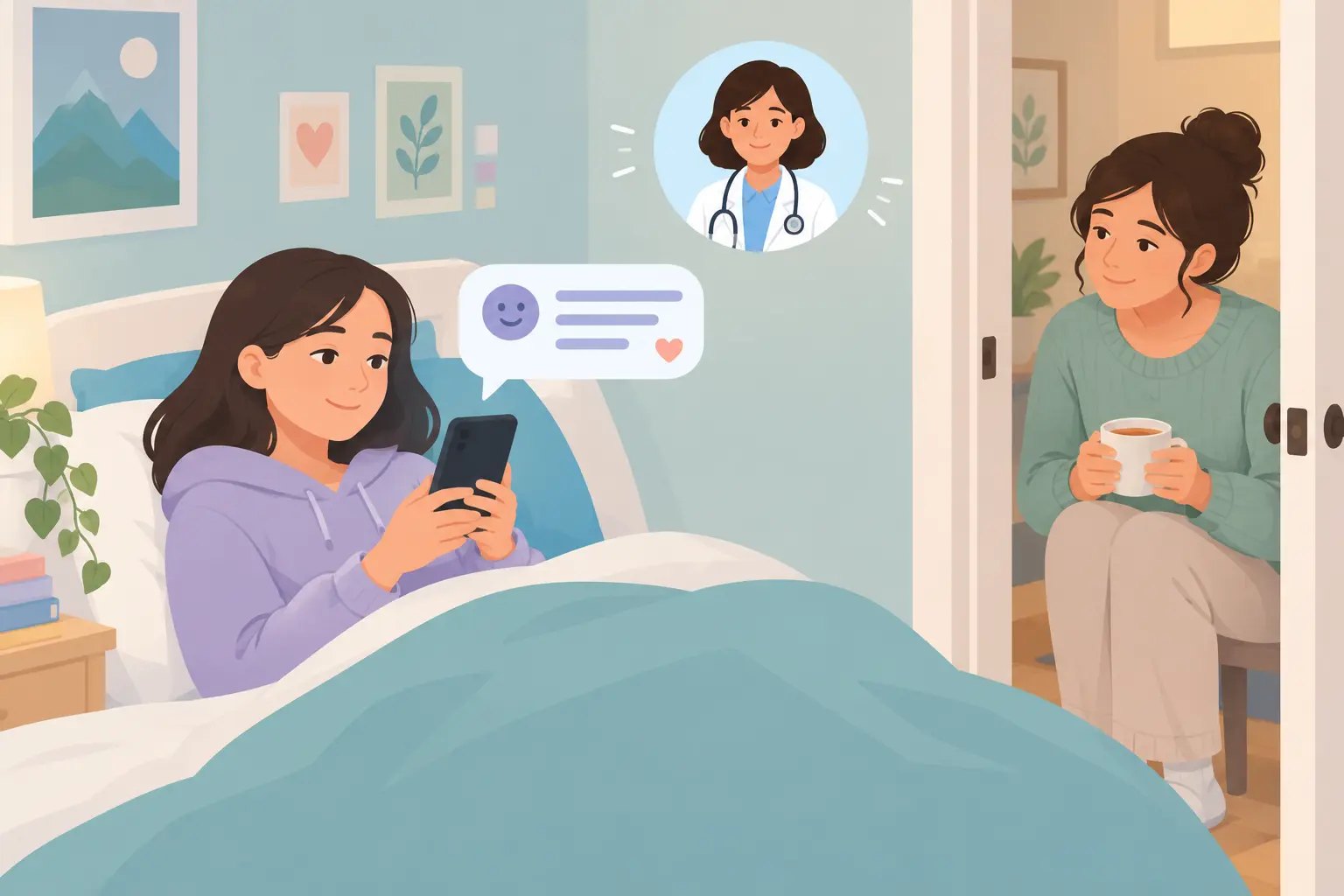
Nicotine dependence is a medical issue as well as a family one. A pediatrician or family doctor can talk through options with your teen. The American Lung Association notes that no vaping product has been approved by the FDA as a safe and effective way for adults or teens to quit, so a prescriber is the right person to talk about medicines.
Expect withdrawal
Nemours lists the usual signs: very strong cravings, especially in the first few days, along with headaches, feeling tired, cranky, angry or depressed, trouble concentrating or sleeping, hunger and restlessness. It says these problems get better over the following days and weeks. Knowing that in advance makes it easier to stay patient when your teen is short-tempered in week one.
Make the Home Vape-Free Together
Nemours advises parents to set a good example, make the house smoke-free and vape-free, and, if you smoke or vape yourself, to commit to quitting. It also advises keeping vaping supplies and refill materials in child-resistant packaging out of reach of young children, because nicotine can poison and even kill a child.
If you are the one who smokes or vapes, this is a good moment to start your own change, and a shared effort lands better than a rule that only applies to one person. iQuit is free on Google Play and the App Store. It lets you log cravings with their triggers and intensity, use SOS support when an urge hits, and track days smoke-free, cigarettes avoided and money saved. It is a tool for the adult in the house; for your teen, use the teen-specific programs above and your clinician.
Frequently Asked Questions
What are the first signs a teen is vaping?
Common early clues are an unfamiliar device or packaging, a faint sweet or fruity smell, a new cough, increased thirst and mood changes such as irritability. The American Lung Association says the signs can be easy to miss, so look for a pattern across several weeks rather than a single event. (American Lung Association, Nemours KidsHealth)
What does a vape look like?
Many vapes look like cigarettes, but others resemble pens, USB flash drives, highlighters or chargers. The FDA notes that some resemble pens or USB flash drives, and the American Lung Association lists USB devices, pens, highlighters and chargers. Some are disposable and others are rechargeable. (FDA, American Lung Association)
Do vapes smell?
They can. Nemours notes that some flavored e-cigarettes have been banned but many remain on the market, so parents might notice fruity or sweet scents. The American Lung Association adds that, unlike cigarettes, vapes do not leave the telltale scent of tobacco, which is why the smell is faint. (Nemours KidsHealth, American Lung Association)
How do I talk to my teen about vaping?
Ask in a calm, nonjudgmental way and choose a distraction-free moment. The American Lung Association recommends open-ended questions, hearing their side first, thanking them for honesty and avoiding scare tactics. Nemours advises encouraging conversation rather than shutting it down. (American Lung Association, Nemours KidsHealth)
Can I tell for sure from the signs?
No. The signs are suggestive, not proof. A cough, thirst or irritability can have many causes. The American Lung Association’s advice is to talk with your child about your concerns when you notice them. A medical professional can help if symptoms persist. (American Lung Association)
Is nicotine-free vaping safe for teens?
Nemours says even e-cigarettes that claim to have no nicotine have been found to contain nicotine, and the CDC says nicotine can harm the parts of an adolescent brain that control attention, learning, mood and impulse control. So a nicotine-free label is not a guarantee. (Nemours KidsHealth, CDC)
What if my teen admits to vaping?
Thank them for being honest, which the American Lung Association says is key to keeping trust. Then ask what they want to do. Nemours says your child will need your help and support to quit. Tools such as Smokefree Teen and a pediatrician can help. (American Lung Association, Nemours KidsHealth)
Where can my teen get help to quit?
The federal Smokefree Teen site offers a quit-plan builder, the quitSTART app and SmokefreeTXT for Teens. Nemours also mentions the Truth Initiative texting program This Is Quitting. A pediatrician can discuss other options with you both. (Smokefree Teen, Nemours KidsHealth)
For Parents Who Smoke or Vape: Start Your Own Quit
If you smoke or vape yourself, starting your own quit is the example Nemours asks parents to set. iQuit is a tool for you, the adult in the house: it is free on Google Play and the App Store and offers craving logging with triggers and intensity, SOS support for urges, a virtual cigarette, and a dashboard for days smoke-free, cigarettes avoided and money saved. For your teen, stick with the teen programs above and your pediatrician.