Beating Vape Cravings: 12 Techniques for Quitting E-Cigarettes (2026)
The craving hits without warning — a tight pull in your chest, restlessness in your hands, and your brain firing a single, insistent message: just one more puff. If you vape and you’re trying to stop, you already know how different this feels from willpower problems. Nicotine delivered by e-cigarettes reaches the brain within seconds, creating the same dopamine loop as traditional cigarettes — and in some cases faster, because modern pod devices deliver higher nicotine concentrations than a pack of cigarettes did a decade ago. Knowing how to beat vape cravings is not about gritting your teeth harder; it is about matching the right tool to what your brain is actually doing in that moment.
The good news: individual cravings are temporary. Research consistently shows that a single nicotine urge typically peaks within the first few minutes and then subsides — even if you do nothing at all. The goal of every technique on this list is simply to help you outlast that window, again and again, until your brain rewires itself away from the habit. For a full evidence-based picture of every method available for quitting vaping — including NRT and prescription medication — see the guide to how to quit vaping in 2026.
Why Vape Cravings Feel So Intense
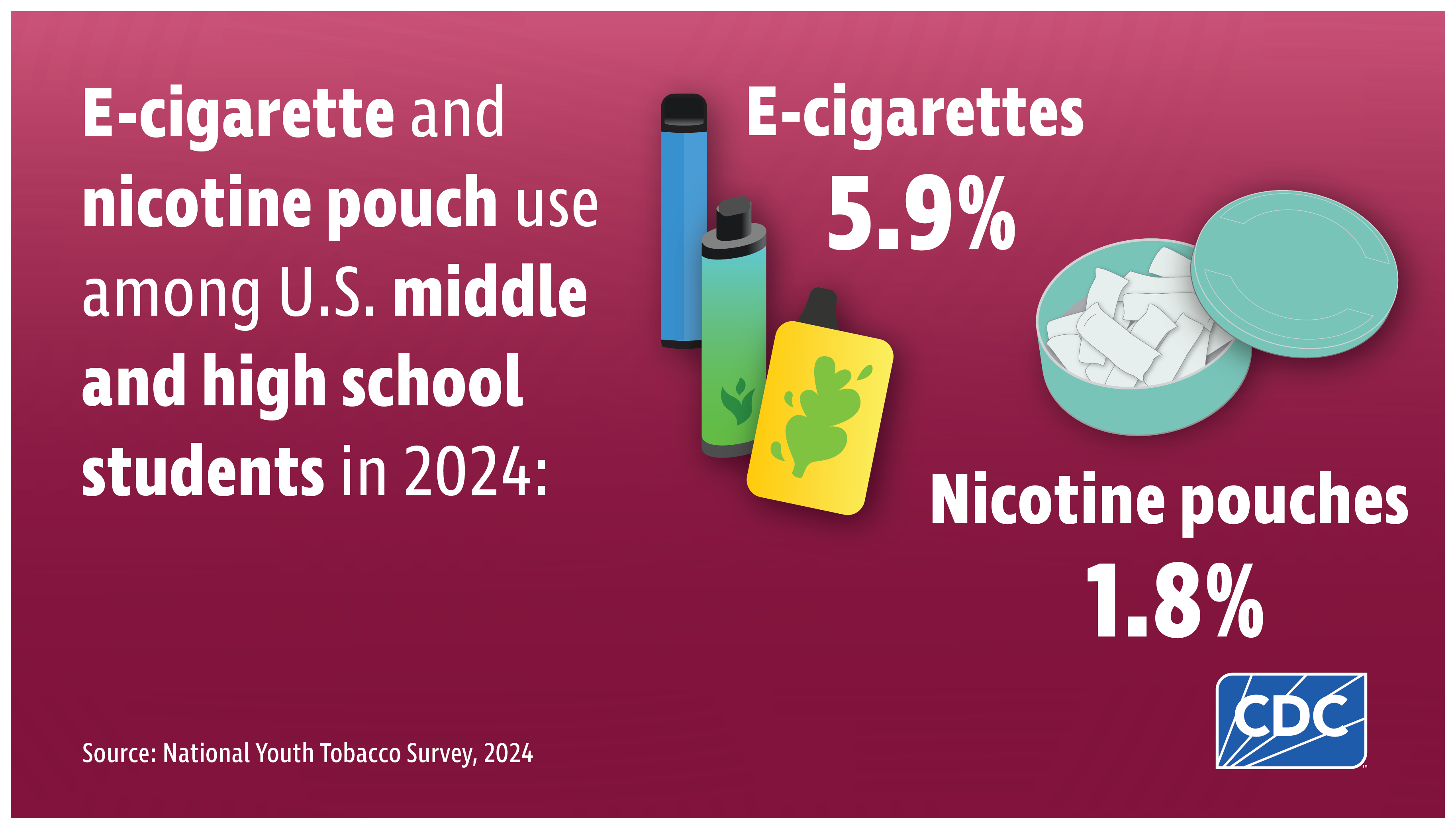
E-cigarettes are engineered for fast nicotine delivery. Modern salt-nicotine pods can contain the equivalent nicotine of a full pack of cigarettes in a single cartridge, and devices that heat liquid to a consistent temperature deliver a more predictable hit than a combustible cigarette. The result is that the brain’s reward circuitry — particularly dopamine pathways in the nucleus accumbens — adapts quickly and forcefully.
According to CDC guidance on quitting vaping, nicotine dependence from e-cigarettes presents the same core withdrawal profile as tobacco smoking: irritability, difficulty concentrating, increased appetite, and intense urges to use the product. Because many vapers use their devices far more frequently than a smoker would light a cigarette — often dozens of small puffs spread through the day — the brain forms extremely dense situational associations. A coffee cup, a work meeting, a moment of boredom — each one can become a trigger. The morning coffee trigger is one of the most persistent: the guide to breaking the coffee-and-cigarette (or coffee-and-vape) trigger covers exactly how to detach that conditioned pairing without giving up your morning cup.
Understanding the psychology behind these urges can help you treat them as information rather than commands. Our guide to the psychology of nicotine cravings and how to overcome them covers the neurological basis in depth, but the core insight is simple: a craving is a learned pattern, not evidence of weakness — and learned patterns can be unlearned.
The Vape Craving Timeline: What to Expect
| Phase | What Happens | Best Response |
|---|---|---|
| 0–72 hours | Peak intensity. Frequent, sharp urges as blood nicotine drops to near zero. Irritability, difficulty concentrating. | NRT + breathing + 5-minute rule |
| Days 4–14 | Physical withdrawal mostly resolves. Situational cravings (post-meal, boredom, stress) dominate. | Trigger mapping + sensory substitution |
| Weeks 3–8 | Cravings become shorter and less frequent. Emotional triggers (stress, celebration) remain. | Urge surfing + journalling + social support |
| Months 2–6 | Occasional cue-triggered urges. Most people report these as manageable rather than overwhelming. | Continue mindfulness; celebrate milestones |
The NHS Inform vaping addiction campaign confirms that nicotine dependence from vaping can develop within days of starting, even with occasional use — which is why cravings on quit day can feel disproportionately powerful even if someone considers themselves a “light” vaper. For a fuller day-by-day breakdown of what the first weeks feel like, see our complete vape withdrawal timeline.
12 Techniques to Beat Vape Cravings
1. Diaphragmatic Breathing (4-7-8 Method)
This is the fastest-acting technique available to you at zero cost, anywhere. When a craving hits, the body’s stress response releases cortisol and adrenaline — the same chemicals that make the urge feel urgent. Slow diaphragmatic breathing activates the parasympathetic nervous system, physically counteracting that stress signal.
How to do it: Inhale slowly through your nose for 4 counts. Hold your breath for 7 counts. Exhale completely through your mouth for 8 counts. Repeat 3–5 cycles. By the time you have completed two full rounds, the craving is usually diminishing — not because the nicotine has arrived, but because you have changed your physiological state.
Smokefree.gov’s guide to dealing with vape cravings specifically recommends this slow nasal-in, mouth-out breathing as a first-line craving response, noting that the craving typically passes within the time it takes to complete 10 breath cycles.
2. Urge Surfing
Urge surfing is a mindfulness technique that teaches you to observe a craving the way you would observe a wave — watching it build, crest, and break without being swept away by it. Rather than fighting the urge or panicking about it, you become a curious observer of your own experience.
Sit or stand comfortably. Notice where in your body you feel the craving (throat, hands, chest). Give it a number from 1–10. Breathe steadily and watch the number change. Most people find that within 5–8 minutes, the number drops — not because they white-knuckled it, but because they stopped adding mental fuel to the fire. Our dedicated guide on craving surfing and mindfulness for nicotine urges walks through this in detail with additional variations.
3. The 5-Minute Rule
Make a deal with yourself: you are allowed to vape — but only after waiting five minutes. Set a timer. During those five minutes, do anything else: walk to another room, drink water, send a text, look out a window. Research into craving neuroscience confirms that individual urges are not sustained indefinitely — they are self-limiting physiological events. When the timer ends, the craving will almost always have peaked and begun to fade. If it hasn’t, reset the timer for another five minutes.
The power of this technique is that it removes the all-or-nothing framing. You are not saying “I will never vape again right now.” You are only saying “not in the next five minutes.” That is a promise almost anyone can keep — and each kept promise builds the neural trace of a new habit.
4. Cold Water Drinking
Drinking a full glass of cold water slowly serves three purposes. First, the physical act of drinking engages the hands and mouth — the same motor pattern as vaping — satisfying part of the habitual craving without the nicotine. Second, cold water triggers a mild vagal response that gently dials down the stress arousal accompanying the urge. Third, staying hydrated during nicotine withdrawal reduces headaches and fatigue, two withdrawal symptoms that can masquerade as cravings.
Keep a refillable water bottle with you for the first two weeks of quitting. The mere act of reaching for it when an urge hits begins to build a new automatic response.
5. Brief Physical Activity
A short burst of physical movement — even a brisk two-minute walk up a flight of stairs — releases endorphins and temporarily elevates dopamine, partially compensating for the dopamine drop that triggers nicotine cravings. Smokefree.gov recommends exactly this: “Take a quick walk or go up and down the stairs a few times” when a craving strikes.
While a 2022 systematic review published in PMC (aerobic exercise and smoking/vaping cessation) found that sustained exercise programmes did not significantly increase long-term quit rates on their own, the acute craving-reduction effect of brief exercise is well-documented in the smoking literature. In other words: a 10-minute walk won’t replace a quit plan, but it can bridge you through a craving in the moment.
6. Nicotine Replacement Therapy (NRT)
NRT products — patches, gum, lozenges, inhalers, and nasal sprays — deliver a controlled, lower dose of nicotine without the thousands of chemicals in vape aerosol. A Cochrane review of over 150 trials found that NRT increases quit rates by approximately 50–70% compared with no pharmacological support. The NHS endorses NRT as a first-line cessation aid and makes it available through stop-smoking services in the UK.
For vapers specifically, a combination approach often works best: a slow-release patch to manage background cravings throughout the day, supplemented by fast-acting gum or lozenge for acute urges. Talk to your GP or pharmacist about the right dosage — vapers using high-strength pods may need the higher-dose NRT options initially. The FDA has not approved any vaping product for cessation, but FDA-approved NRT remains the evidence-based pharmaceutical choice for managing nicotine withdrawal.
7. Trigger Mapping
Many vape cravings are not random — they are triggered by specific, predictable situations: the morning commute, post-lunch routine, stress at work, socialising with other vapers, or the act of picking up your phone. Trigger mapping means systematically identifying your personal craving triggers before they ambush you.
For one week, keep a simple note: every time you crave (or use) your vape, jot down the time, location, emotional state, and what you were doing. Patterns almost always emerge. Once you can anticipate a trigger, you can plan a response in advance rather than relying on willpower in the heat of the moment. Situational triggers are some of the most powerful: the after-meal craving and the driving craving are two of the most frequently reported — both have dedicated guides with specific replacement strategies. Our article on identifying and managing smoking and vaping triggers includes a full trigger audit template.
8. Sensory Substitution
Vaping is not only a nicotine habit — it is also an oral, visual, and tactile habit. The ritual of holding a device, inhaling, and exhaling vapour provides sensory input that many vapers crave independently of the nicotine itself. Sensory substitution addresses this layer by providing alternative inputs:
- Mouth/hands: Sugar-free gum, chewable herbal sticks, a straw to breathe through, a fidget ring or pen
- Oral: Cinnamon sticks, chilled cucumber slices, seeds, toothpicks
- Breathing ritual: An NRT inhaler closely mimics the hand-to-mouth action of a vape device and is specifically recommended for vapers who miss the physical act
Replacing the ritual, not just the substance, dramatically reduces cue-triggered urges in the first two weeks of quitting.
9. Progressive Muscle Relaxation (PMR)
PMR involves systematically tensing and releasing muscle groups throughout your body, from your feet upwards to your face. The tension-release cycle generates a physiological relaxation response that lowers cortisol and heart rate — the same stress physiology that feeds vape cravings. A session takes approximately 10–15 minutes and can be done anywhere: sitting at a desk, in a parked car, or lying down before sleep.
PMR is especially useful for vapers who use their devices primarily as a stress-management tool. Rather than reaching for the pod in a tense moment, the PMR routine provides genuine nervous-system relief. Apps like Calm and Headspace include guided PMR sessions; practising daily for the first two weeks of your quit builds a reliable alternative stress-response pathway.
10. Craving Journalling
Writing about a craving as it happens shifts attention from the felt urgency of the urge to an analytical, observational mode. Even three sentences — “I want to vape right now because I’m bored at my desk. The feeling is in my throat. I’m going to breathe for two minutes.” — create a tiny moment of cognitive distance between the impulse and a possible action.
Over time, a craving journal builds a data set about your own quitting journey. You will see which triggers are shrinking, which times of day are hardest, and how dramatically the frequency and intensity of cravings diminish over the first month. That visible evidence of progress becomes its own motivational fuel. For a broader set of evidence-based craving tools, our complete 2026 craving management toolkit covers additional strategies for every situation.
11. Social Accountability
Telling even one other person that you are quitting vaping meaningfully increases your chances of success. Social accountability works through two complementary mechanisms: anticipated regret (not wanting to report a slip to someone who knows your goal) and social support (having someone to call when a craving feels overwhelming).
Free quit lines — including 1-800-QUIT-NOW in the US — provide trained quit coaches available by phone at no cost. In the UK, the NHS Stop Smoking Service offers free in-person and digital support. Combining professional support with personal accountability (a friend, family member, or online community) addresses both the practical and emotional dimensions of quitting.
12. AI-Assisted Craving Tracking
One of the most meaningful recent developments in cessation support is AI coaching that works in real time, during the craving itself. Apps like iQuit – Quit Smoking App give you a craving tracker you can tap the moment an urge hits, logging the intensity, context, and outcome. The AI coach analyses your personal craving patterns and responds with tailored in-the-moment support — whether that is a breathing exercise, a motivational prompt, or a reminder of how much money you have already saved.
The craving log also shows you something that raw willpower never could: objective proof that your cravings are becoming shorter and further apart. When you are three weeks into your quit and questioning whether it’s worth continuing, seeing a graph that shows your average craving down from 8 per day to 2 is the kind of tangible evidence that keeps people going. The app’s health milestones and money-saved tracker reinforce the same message: every craving you beat is a small, real victory that compounds. For a full breakdown of iQuit’s vaping-specific features, see the guide on how iQuit supports vape cessation in 2026.
For a broader overview of what works in the moment when an urge strikes hard, our guide to instant craving relief techniques for smokers and vapers compiles 20 approaches ranked by speed of effect.
Does NRT Work Specifically for Vaping Cessation?
This is a fair and important question, because most NRT clinical trials have enrolled cigarette smokers. The short answer from current evidence is: yes, with caveats. A preliminary mixed-methods study published in PMC (NRT for vaping cessation among mono and dual users) found that a protocol combining counselling, NRT, and nicotine tapering showed promise in youth and young adult vapers. The mechanism is identical to cigarette cessation — NRT reduces the severity of withdrawal symptoms, making it easier to resist cravings long enough for behaviour-change techniques to take hold.
What differs for vapers is the dosing calculation. Because pod systems can deliver higher nicotine per session than the average cigarette, vapers may need to start at a higher NRT dose and taper more gradually. A GP or pharmacist can help calibrate this based on how many pods or cartridges you use per day.
Stack Your Techniques for Greater Effect
No single technique works for every craving, every person, every moment. The most effective approach is stacking — combining an immediate physical response (breathing or cold water), a cognitive strategy (urge surfing or the 5-minute rule), and a background support layer (NRT or AI coaching). Think of it as a three-layer defence:
- Layer 1 — Physical: Breathing, cold water, or brief movement to change your physiological state immediately
- Layer 2 — Cognitive: Urge surfing, the 5-minute rule, or craving journalling to interrupt the automatic thought pattern
- Layer 3 — Structural: NRT to blunt the underlying withdrawal, trigger mapping to reduce how often cravings arise, and AI coaching to track your progress
The more layers you build, the more resilient your quit becomes. A slip when one layer fails is far less likely to become a relapse when the others are in place. For a complete, step-by-step quit plan that integrates all three layers into a structured programme, see the step-by-step guide to quitting vaping in 2026.
Frequently Asked Questions
How long do vape cravings last?
An individual vape craving typically lasts between 3 and 10 minutes if you do not act on it. Peak withdrawal intensity occurs in the first 24–72 hours after your last vape. Most people find that the frequency and strength of cravings reduces significantly over the first 2–4 weeks, though situational cravings triggered by specific places or emotions can persist for months and occasionally longer.
Are vape cravings worse than cigarette cravings?
Many vapers — particularly those who used high-nicotine pod devices — report that withdrawal cravings feel at least as intense as those from cigarettes, and sometimes more frequent. This is partly because vapers tend to use their devices more often throughout the day than a smoker would light a cigarette, creating a denser network of situational associations. The techniques for managing vape cravings are essentially the same as for cigarette cravings, though NRT dosing may need to be higher to match prior nicotine intake.
What is the fastest way to stop a vape craving?
The fastest-acting techniques are slow diaphragmatic breathing (inhale 4 counts, hold 7, exhale 8) and drinking a full glass of cold water. Both work within 2–3 minutes because they change your physiological state immediately. If fast-acting NRT (gum or lozenge) is already in your mouth, combining it with breathing exercises produces the quickest combined effect.
Can I use nicotine gum to quit vaping?
Yes. Nicotine gum is an NHS-approved, evidence-based NRT product that works by delivering a controlled dose of nicotine through the lining of the mouth, reducing withdrawal symptoms and cravings without the harmful chemicals in vape aerosol. Preliminary studies specifically examining NRT for vaping cessation show it can be effective, particularly when combined with behavioural counselling. Use the “chew and park” technique: chew until you feel a tingle, then park the gum between cheek and gum to allow absorption.
What should I do when a vape craving is overwhelming?
When a craving feels too strong to manage alone, use multiple techniques simultaneously: start breathing slowly, take fast-acting NRT if you are using it, and call or text a supportive person. If you are in your car or at home, change rooms or go outside — a physical change of environment disrupts the cue-response loop. Remember that even the most intense craving will subside within 10–15 minutes if you don’t act on it. Reaching out to the free helpline 1-800-QUIT-NOW (US) or the NHS Stop Smoking Service (UK) gives you immediate trained support.
Does exercise help with vape cravings?
Short bursts of exercise — a brisk two-minute walk, climbing stairs, or 20 jumping jacks — can reduce the acute intensity of a craving in the moment by releasing endorphins and briefly elevating dopamine. Sustained long-term exercise programmes have not been proven to significantly increase quit rates on their own, but they support overall wellbeing during the quit process, reduce stress, and provide a healthy behavioural substitution for the vaping routine.
Ready to Beat Every Craving — Not Just This One?
The iQuit – Quit Smoking App gives you an AI craving coach in your pocket, a real-time craving tracker, health milestones, and a money-saved counter that shows you the tangible value of every urge you overcome. When a craving hits at 11pm and there’s no one to call, iQuit is there — with a personalised response built around your patterns, not a generic script.
Every craving you log makes the next one easier to predict and beat. Download iQuit and start building your personal craving playbook today.