Does Quitting Smoking Boost Your Immune System? How Fast It Recovers (2026)
Yes — quitting smoking begins restoring immune function within weeks, and the improvements are real and measurable. Smoking suppresses the white blood cells that fight infection, damages the airway defences that trap pathogens, impairs wound healing, and raises infection risk across the board. The moment you stop, your body starts reversing these effects. Understanding what recovers and how quickly gives you another compelling reason to stay smoke-free.
How Does Smoking Suppress the Immune System?
Tobacco smoke contains more than 7,000 chemicals, dozens of which have direct immunosuppressive effects. Nicotine suppresses the activity of neutrophils — the most abundant white blood cells, which are the body’s first responders to bacterial infection — and reduces the effectiveness of natural killer (NK) cells, which identify and destroy virus-infected cells and early-stage cancer cells. Carbon monoxide reduces the blood’s oxygen-carrying capacity, starving immune tissues of the oxygen they need to mount an effective response.
The airway epithelium provides the body’s first physical barrier against inhaled pathogens. Healthy airways are lined with cilia — tiny hair-like structures that beat continuously to sweep mucus and trapped particles upward and out of the lungs. Chronic smoke exposure damages and eventually paralyses these cilia, dramatically reducing mucociliary clearance. Pathogens that would normally be swept away instead reach the deeper lung tissue, explaining why smokers have significantly higher rates of respiratory infections including bronchitis, pneumonia, and influenza.
Additionally, smoking drives chronic low-grade systemic inflammation — a paradoxical immune state in which the immune system is simultaneously over-activated (increasing cardiovascular disease risk) and under-effective at targeted pathogen defence. This “exhaustion” of immune resources is one reason smokers experience slower recovery from illness and surgery.
How Long Does Immune Recovery Take?
The good news is that immune recovery begins almost immediately after the last cigarette:
- Within 8 hours: Carbon monoxide in the blood begins dropping; oxygen delivery to immune tissues improves.
- Within 48–72 hours: Carbon monoxide largely cleared; airway tissue healing begins; cilia start recovering function.
- Within 2–4 weeks: White blood cell counts and activity begin to normalise; wound healing improves; immune inflammatory signalling starts rebalancing.
- Within 9 months: The NHS confirms that lung cilia have largely recovered, significantly reducing infection risk, breathlessness, and coughing.
- 1–5 years and beyond: Systemic inflammation markers continue to decline; cancer surveillance mechanisms recover progressively; overall infection risk approaches that of a never-smoker over time.
Full immune restoration is not instantaneous and the timeline varies with how long and heavily a person smoked. But meaningful, clinically significant improvements happen within the first weeks and months — far sooner than most people expect. For the full recovery timeline including cardiovascular, pulmonary, and oncological milestones, see our article on what happens when you quit smoking.
Does Quitting Improve Wound Healing?
Smoking impairs wound healing through several overlapping mechanisms. Nicotine is a potent vasoconstrictor — it narrows blood vessels, reducing blood flow and therefore oxygen and nutrient delivery to healing tissue. This slows fibroblast activity (the cells that produce collagen, the structural protein that knits wounds closed) and increases the risk of surgical site infection.
Carbon monoxide compounds the problem by reducing the oxygen-carrying capacity of haemoglobin, meaning even the blood that does reach wound tissue is carrying less oxygen. White blood cell suppression further reduces the ability to fight wound infections. Studies have consistently shown that smokers have significantly higher rates of post-surgical wound complications, including infection, dehiscence (wounds reopening), and tissue necrosis.
After quitting, vascular tone improves as nicotine is cleared, collagen synthesis gradually recovers, and wound infection risk decreases. These benefits are especially important for anyone planning surgery: CDC guidance underscores that quitting at least four weeks before surgery significantly reduces wound complication rates.
Does Quitting Reduce Infection Risk?
Yes, and the evidence is robust. Smokers have significantly elevated rates of respiratory infections, urinary tract infections, periodontal infections, and post-procedural infections compared to non-smokers. The restoration of mucociliary clearance after quitting is the primary mechanism for reducing respiratory infection risk: as cilia recover over the first weeks and months, the airway’s ability to trap and expel pathogens improves markedly.
Smokers also have a reduced antibody response to several vaccines — a fact that is often overlooked but is clinically significant, particularly for influenza and pneumococcal vaccination. As immune function recovers after quitting, vaccine effectiveness improves. This is a meaningful but underappreciated benefit of cessation for older adults and those with chronic health conditions who rely on vaccination for protection.
For a detailed view of how smoking affects the lungs specifically and what recovers over time, our article on can your lungs heal after years of smoking covers the nuanced picture of which lung changes reverse and which do not.
Why Quitting Before Surgery Matters
If you are scheduled for surgery, quitting smoking in advance is one of the most impactful things you can do to reduce surgical risk. The main immune-related benefits of pre-surgical cessation include: reduced wound infection risk, improved tissue oxygenation, better anaesthetic response, and lower rates of post-operative pneumonia.
The minimum recommended cessation period before elective surgery is typically four weeks, though longer periods produce progressively better outcomes. Some improvement in vascular function and CO clearance occurs within days of quitting, providing benefit even for short notice quit attempts. Speak to your surgeon and GP about timing, as they can provide specific advice tailored to your procedure.
Does Immune Recovery Reduce Cancer Risk?
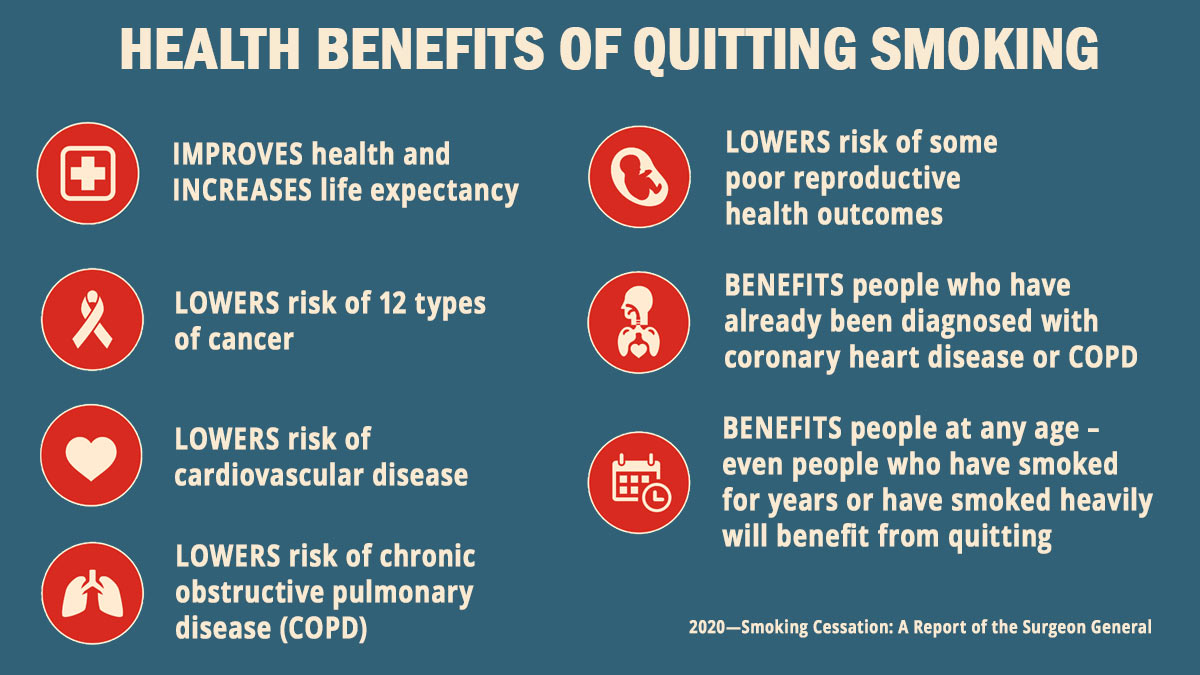
Partially, yes. The immune system performs continuous “cancer surveillance” — NK cells and cytotoxic T cells patrol the body identifying and destroying abnormal (pre-cancerous) cells before they can proliferate. Smoking suppresses these surveillance mechanisms, which is thought to contribute to elevated cancer risk beyond the direct carcinogenic effects of tobacco chemicals. The combination of carcinogen exposure and impaired immune detection creates a compounded risk.
After quitting, cancer surveillance mechanisms gradually recover. While reversing decades of carcinogen-induced DNA damage is not possible, the restoration of immune surveillance adds to the overall reduction in cancer risk that accumulates with time smoke-free. Our comprehensive article on the health recovery timeline after quitting smoking covers cancer risk reduction milestones in detail, from the first hours to 15 years.
For daily support during your quit — including tracking the health milestones described here — the iQuit app logs your progress and reminds you of the real physiological wins happening inside your body each day you stay smoke-free.
Frequently Asked Questions
Does quitting smoking improve your immune system?
Yes. Immune function begins recovering within 2–4 weeks of quitting. Smoking suppresses white blood cell activity, damages airway cilia, and impairs the body’s infection defences. After quitting, these mechanisms start recovering and infection resistance improves progressively.
How does smoking suppress the immune system?
Nicotine suppresses neutrophil and natural killer cell activity. Carbon monoxide reduces oxygen delivery to immune tissues. Smoke damage paralyses airway cilia, reducing mucociliary clearance. Chronic smoke exposure also drives systemic inflammation that exhausts immune resources over time.
How long does it take for the immune system to recover after quitting smoking?
Initial improvements begin within days (carbon monoxide clears within 48–72 hours). White blood cell activity recovers over 2–4 weeks. The NHS confirms lung cilia largely recover within 9 months. Full immune restoration takes months to years depending on smoking history.
Does quitting smoking improve wound healing?
Yes. After quitting, vascular constriction from nicotine resolves, improving blood flow and oxygen delivery to healing tissue. Collagen synthesis recovers and wound infection risk decreases. Quitting at least four weeks before surgery significantly reduces post-surgical wound complication rates (CDC).
Does quitting smoking reduce your risk of infections?
Yes. As airway cilia recover after quitting, mucociliary clearance improves and pathogens are more effectively removed before reaching lung tissue. The NHS confirms that within 9 months, lung cilia largely recover, significantly reducing respiratory infection risk and breathlessness.
Does smoking affect vaccine effectiveness?
Yes. Research has shown that smokers have a reduced antibody response to several vaccines including influenza and hepatitis B. As immune function recovers after quitting, vaccine responsiveness improves — a meaningful benefit for older adults and those with chronic conditions.
Does smoking increase cancer risk through immune suppression?
Partly yes. Smoking suppresses natural killer cells and cytotoxic T cells that perform cancer surveillance. This compounds the direct carcinogenic effects of tobacco. After quitting, cancer surveillance mechanisms gradually recover, contributing to the progressive reduction in cancer risk over years of abstinence.
Are there immediate immune benefits when you first quit smoking?
Yes. Within 8 hours, carbon monoxide levels start dropping and oxygen delivery to immune tissues improves. Within 48–72 hours, CO has largely cleared and airway tissue healing begins. These early changes build the foundation for longer-term immune recovery.