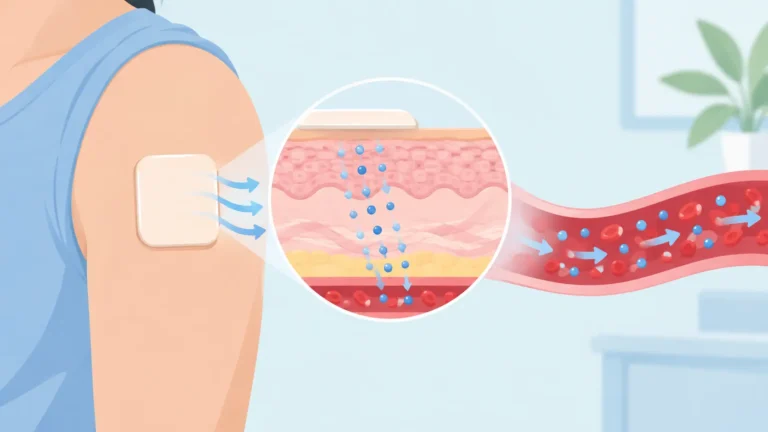
Thinking about the pros and cons of quitting smoking is one of the most useful things you can do before you commit, because it forces the real trade-offs onto paper. This list is deliberately honest. It covers what you gain, what quitting will genuinely cost you in the first weeks, how long the hard parts last, and what carrying on costs too, so you can decide with your eyes open.
Pros and Cons of Quitting Smoking: Why a List Helps
If part of you wants to quit and part of you does not, that is normal, and it is the whole reason a list is useful. Writing both columns down, sometimes called a decisional balance, stops the louder voice from winning by default. It also makes the cons less scary, because a named worry (“I will get irritable for a couple of weeks”) is easier to plan for than a vague dread.
If you are on the fence, you are not alone. Our guide on how to quit smoking when you do not want to is written for exactly that mindset, and being scared to quit covers the fears that tend to show up in the cons column.
The Pros of Quitting Smoking
Your body starts repairing quickly
The NHS says that you will notice benefits within days or weeks, including better taste and smell, easier breathing and more energy. Longer term, it lists “after 1 year, risk of heart attack halves compared to a smoker’s” and “after 15 years, risk of heart attack falls to the same as someone who has never smoked” (NHS Better Health).
You live longer
A large US study of more than 200,000 adults concluded that “smokers lose at least one decade of life expectancy” compared with people who never smoked, and that “cessation before the age of 40 years reduces the risk of death associated with continued smoking by about 90%.” People who quit at 25 to 34, 35 to 44 or 45 to 54 gained about 10, 9 and 6 years of life respectively (Jha et al., New England Journal of Medicine, 2013). The pattern is clear: earlier is better, but later still helps.
Your mood and stress improve
This is the pro people least expect. A systematic review of 26 studies found that smoking cessation “is associated with reduced depression, anxiety, and stress and improved positive mood and quality of life compared with continuing to smoke” (Taylor et al., BMJ, 2014). The NHS adds that “it can take as little as 6 weeks to start feeling the mental health benefits.” It is worth reading our piece on the smoking stress relief myth if you believe cigarettes are your calm-down button.
You keep money in your pocket
In the UK, the NHS says the average smoker can save “around £49 a week” by quitting, or “over £2,500 a year.” That is a UK figure at UK prices; your own number depends on your local price and how much you smoke. We break it down in how much money you save when you quit smoking.
You protect and influence the people around you
Quitting ends the secondhand smoke exposure of the people you live with. The NHS also notes that “teens whose parents or caregivers smoke are 4 times as likely to take up smoking,” which is a pro that is easy to overlook (NHS Better Health).

The Honest Cons
A pros and cons list that only flatters quitting is useless, so here are the real costs.
Con 1: Nicotine withdrawal and cravings
The NHS says that when you quit “your body will miss the nicotine it is used to,” which can cause “feeling on edge, anxious, or craving cigarettes.” It stresses that these symptoms are temporary. For a day-by-day view, see our nicotine withdrawal timeline.
Con 2: Weight gain
Smokefree.gov says “It’s common for smokers to have bigger appetites and slower metabolisms after quitting smoking.” A meta-analysis of 62 studies measured it: among untreated quitters, mean weight gain was 4.67 kg (95% confidence interval 3.96 to 5.38) at 12 months, which is roughly 10 pounds, and most of it came within the first three months. The spread is wide. At 12 months, about 16% of untreated quitters had lost weight and about 13% had gained more than 10 kg (Aubin et al., BMJ, 2012). The NHS puts the trade-off plainly: “the health benefits of quitting are far greater than the risks of gaining some weight.”
Con 3: Losing a ritual
For many people the hardest loss is not the nicotine but the pause: the break at work, the coffee, the after-dinner step outside. The NHS acknowledges that “some people say quitting smoking feels like losing a friend.” Naming that grief in advance helps. Plan a replacement break, not just an absence.
Con 4: Temporary physical side effects
The NHS says your lungs clear out built-up mucus, so you may cough more or notice extra phlegm, a “short-term process” it calls “a good sign.” Less commonly, people report constipation, dizziness or mouth ulcers, which it describes as temporary.
Con 5: Mood swings in the first weeks
The NHS says “it is normal to feel a mix of emotions in the first few days and weeks after quitting smoking.” Irritability and low mood are common early on, even though the evidence above shows mood improving over the longer run.
How Long the Cons Last
Not every con has a firm expiry date, and we will not pretend otherwise. This table shows what the sources do and do not say.
| Con | What sources say about timing | What helps |
|---|---|---|
| Withdrawal and cravings | Described by the NHS as temporary | Stop-smoking products, a plan for triggers, support |
| Weight gain | Most of the average gain occurs within three months (Aubin, 2012) | Balanced meals, walking, nicotine replacement |
| Extra cough or phlegm | Described by the NHS as short-term | Fluids; see a doctor if it persists or worries you |
| Low mood or irritability | Benefits can start in as little as 6 weeks (NHS) | Routine, sleep, talking to someone |
| Missing the ritual | No fixed timeline in the sources | Replace the break with a new one |
Here is a short NHS video on the question of whether to give up smoking.
The Cons of Not Quitting
A fair list has a third column that people forget: the costs of staying the same. They are quieter than withdrawal but larger.
- Years of life. Current smokers lose at least a decade of life expectancy on average (Jha, 2013).
- Money, every week. In the UK, the NHS estimates the average smoker spends around £49 a week; wherever you live, that money goes whether or not you notice it.
- A stress cycle that does not fix stress. The NHS explains that smoking “gives a quick hit of nicotine, which feels relaxing at first, but that feeling fades fast,” and when it wears off “you can feel even more anxious, stressed or down.”
- A wider range of health harms than most people expect. The NHS page on the true impact of smoking lists effects on hearing, vision, joints, digestion, blood pressure and dementia risk, beyond the well-known heart and cancer risks.
For the numbers on how often quit attempts succeed and what raises the odds, see quit smoking success rates.
Build Your Own List
Take five minutes with a pen and fill in all four boxes. Be specific and personal. “Health” is weak; “walking up the stairs at work without stopping” is strong.
| Quitting | Carrying on smoking | |
|---|---|---|
| Good things | What would I gain? (health, mood, money, family) | What do I get from smoking? (break, taste, comfort) |
| Costs | What worries me? (cravings, weight, losing the ritual) | What does smoking cost me? (money, health, time, worry) |
Then star the two items that matter most to you in each box. Those are your real reasons, and also your real obstacles. If the “quitting costs” box is the longest, do not give up on the idea. Turn each item into a problem to solve. A worry about weight becomes “plan meals and a daily walk.” A worry about stress becomes “find three ways to unwind.” Our comprehensive quit smoking motivation guide has more ways to build that list into something you can stick to.
From List to Plan
Once the list tips toward quitting, the next question is how. The NHS says that going cold turkey can be tough and that using stop-smoking products or expert help “can really boost your chances of quitting for good,” and that your local Stop Smoking Service can “boost your chances of quitting by 3 times” (NHS Better Health). In the US, Smokefree.gov points people to a trained counselor by online chat or telephone quitline.
- Turn each con into one action. One line each, written down.
- Pick a method. Which quit smoking method should you choose compares cold turkey, gradual reduction and medication.
- Tell one person. Share your starred reasons with someone who will check in.
- Track the pros. Seeing smoke-free days and money saved add up is the cheapest motivation there is.

Frequently Asked Questions
What are the main pros of quitting smoking?
The main pros are better physical health, lower disease risk, improved mood, money saved and protecting others from secondhand smoke. The NHS says heart attack risk halves after 1 year and matches a never-smoker’s after 15 years. A US study found quitting before 40 cuts the excess risk of death by about 90% (NHS; Jha, 2013).
What are the cons of quitting smoking?
The main cons are nicotine withdrawal and cravings, weight gain for many people, losing the smoking ritual, a temporary cough or extra phlegm, and mood swings in the first weeks. The NHS describes these effects as temporary, and says the health benefits far outweigh the risks of gaining some weight (NHS Better Health).
How much weight do you gain after quitting smoking?
A meta-analysis of 62 studies found untreated quitters gained a mean of 4.67 kg at 12 months, with most gained in the first three months. About 16% lost weight and about 13% gained more than 10 kg, so individual results vary widely (Aubin et al., BMJ, 2012).
Does quitting smoking improve mental health?
Evidence suggests yes. A BMJ systematic review of 26 studies found smoking cessation is associated with reduced depression, anxiety and stress, and improved positive mood and quality of life, compared with continuing to smoke. The NHS says benefits can begin in as little as 6 weeks (Taylor et al., BMJ, 2014; NHS).
Is it ever too late to quit smoking?
No. The NHS says it is never too late because quitting improves your health whatever your age and however long you have smoked. In the US study, people who quit at 45 to 54 still gained about 6 years of life compared with those who kept smoking (NHS; Jha et al., 2013).
How do I make a pros and cons list for quitting?
Draw four boxes: good things and costs of quitting, then good things and costs of carrying on smoking. Be specific, star your top two items in each box, and turn each worry into one practical action. That converts a vague hesitation into a plan you can actually start.
Do the cons of quitting go away?
Most of them ease. The NHS describes withdrawal symptoms, extra phlegm and other early effects as temporary, and the weight data show most of the average gain occurs within three months. Missing the ritual has no fixed timeline, so plan a replacement break rather than waiting for it to fade (NHS; Aubin, 2012).
See the Pros Add Up Every Day
The pros column is easier to believe when you can see it. The iQuit dashboard shows your days smoke-free, cigarettes avoided and money saved in your currency, and the craving log and SOS tools help with the cons while they last. iQuit is free to download on Google Play and the App Store.
Download iQuit Free on Google Play Download on the App Store