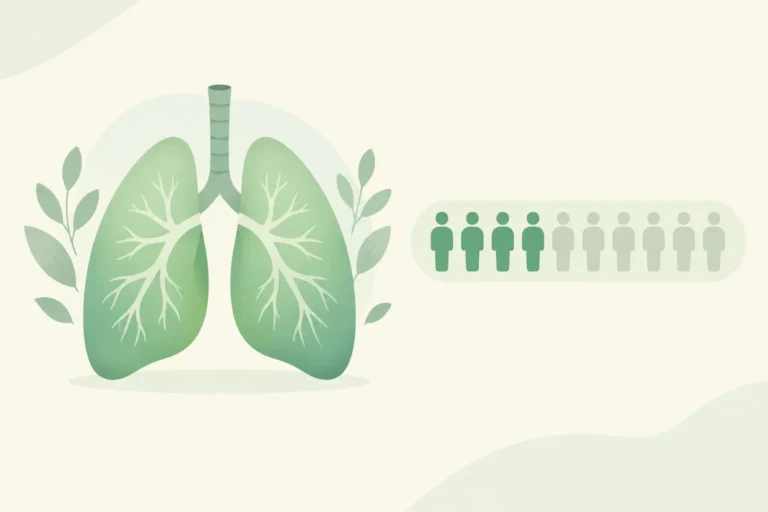
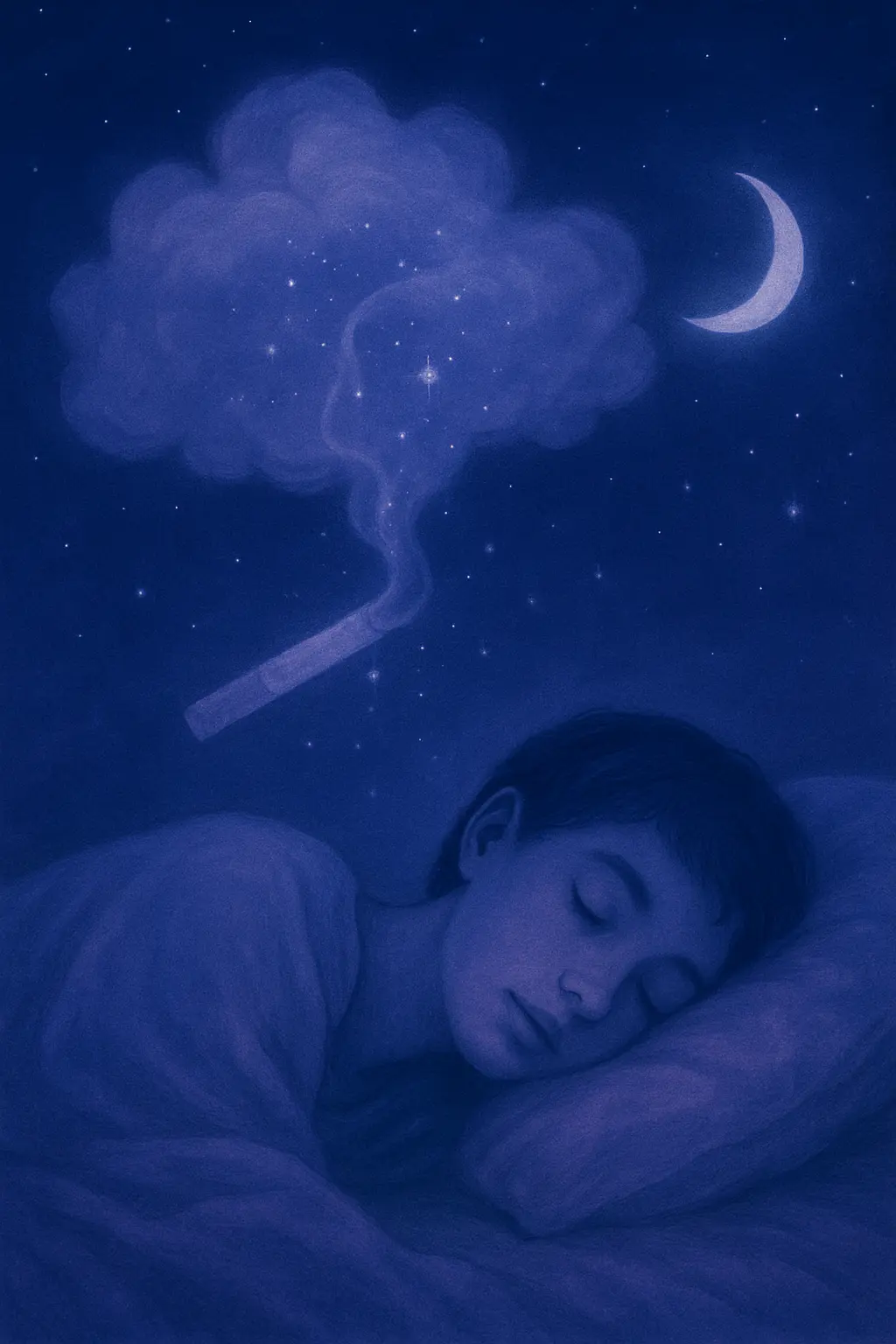
You smoked in the dream. It felt completely real — the pack, the lighter, the drag — and you woke up flooded with guilt before realizing: it didn’t happen. Smoking dreams are one of quitting’s strangest and least-discussed side effects, reported by a large share of quitters in the first weeks. Here’s the good news the research adds: dreaming about smoking doesn’t predict relapse. In the classic studies, quitters who had these dreams — researchers call them dreams of absent-minded transgression — were more likely to stay smoke-free.
Why the dreams happen
Three mechanisms converge in early quitting:
- REM rebound. Nicotine suppresses REM sleep. Remove it and REM bounces back hard for a few weeks — longer, denser, more vivid dreaming across the board. (The same rebound drives the strange, intense dreams many quitters notice about everything, not just cigarettes.)
- Memory reprocessing. Sleep is when the brain consolidates and reorganizes habits. You performed the smoking sequence tens of thousands of times; the network doesn’t dissolve quietly. Dreaming the ritual is, in a real sense, the brain filing it away.
- The monitored goal. Minds rehearse what matters to them — including failures they’re trying to avoid. An athlete dreams of missing the shot; a quitter dreams of lighting up. The dream is your commitment showing up in the projection room.
The guilt on waking is the tell
The signature of these dreams isn’t the smoking — it’s the horror after. In Hajek and Belcher’s research on quitters, that guilt-soaked wake-up was associated with better abstinence outcomes. The interpretation: the dream reveals how deeply “I don’t smoke” has been internalized. Your sleeping brain broke the rule, and even your sleeping self was appalled. That’s identity change, measured in REM.
What to do with a smoking dream
- Don’t count it. A dreamed cigarette contains no nicotine and breaks no streak. Your quit is intact — some quitters genuinely need to hear this after a vivid one.
- Expect a tender morning. Some people wake with a real craving echo. Treat it as any morning urge: water, breathing, the 3-minute rule.
- Journal it. One line — “smoked in a dream, woke up horrified, still smoke-free” — turns an unsettling night into logged evidence of how much you care. In the free iQuit app, that entry also recharges your streak shields, which is a nicely literal way for a bad dream to strengthen your defenses.
- If sleep itself is rough, the broader picture — insomnia, fragmented nights, when it normalizes — is covered in the post-quit sleep guide.
When they stop
Frequency peaks in the first month and fades over the following months as REM normalizes and the habit network weakens. Occasional smoking dreams can surface even years later — ex-smokers of decades report the odd one — and they mean nothing beyond a well-archived memory getting a dusty replay. By then most quitters report the dreams lose their charge: you smoke, you notice, you shrug, you wake.
FAQ
Why do I dream about smoking?
REM rebound makes dreams vivid while your brain reprocesses its most-repeated habit — with your quit commitment watching. A documented, normal withdrawal phenomenon.
Does a smoking dream mean relapse is coming?
Research suggests the opposite — guilt-laden smoking dreams correlate with better abstinence.
Does a dreamed cigarette break my streak?
No. No nicotine, no smoke, no reset. Log the feeling and carry on.
How long do they last?
Peak in month one, fading over several months; rare echoes years later are harmless.
Turn strange nights into logged progress: download iQuit free on Google Play — journal, shields and a coach for the tender mornings.