

Quitting smoking can feel strangely like a breakup. For years, cigarettes were there with your morning coffee, on hard days and at the end of every meal. A goodbye letter to cigarettes is a simple writing exercise that helps you name what smoking gave you, what it took, and why you are leaving. It will not replace nicotine replacement or support, but it can give your quit date a clear, personal starting point. This guide explains why the exercise can help, what research on writing actually shows, and gives you a fill-in template.
Why Write a Letter to Cigarettes?
It can sound a little dramatic to write to an object. But smoking is rarely just an object. It is a routine, a coping tool and sometimes a companion. The NHS notes that some people say quitting smoking feels like losing a friend, and that feeling sad or low during the process is normal and passes (NHS Better Health).
A letter gives that feeling somewhere to go. Instead of carrying a vague sense of loss, you put it into words. That can make three things easier:
- Being honest about the good parts. Pretending smoking gave you nothing makes the pull feel confusing later. Naming what it really did for you takes away some of its mystery.
- Seeing the full cost. Money, health, time, smell and worry look different written in one place.
- Marking a clear ending. A letter has a last line. That makes the decision feel more real than a thought in your head.
If months after quitting you still feel a pang of missing it, that is common. Our article on missing smoking months later explains why, and a letter written now can be something you return to then.
What Expressive Writing Research Suggests
Psychologists have studied “expressive writing,” which means writing about your deepest thoughts and feelings on a meaningful topic, for decades. The evidence is real but modest, and it is worth being clear about that.
A large meta-analysis combined 146 randomized studies of this kind of writing. It found a positive and statistically significant effect on health and wellbeing, but the average effect was small (Frattaroli, Psychological Bulletin, 2006). In other words, writing helps some people a little, rather than transforming everyone.
Smoking-specific research is thinner and mixed. In one US trial with smokers aged 18 to 24, everyone received brief counseling and nicotine patches. Half also wrote expressively for two days before and three days after their quit date. At week 8, 33% of the writing group were confirmed smoke-free compared with 20% of the comparison group. By 24 and 52 weeks, the two groups had similar quit rates, and participants reported low enthusiasm for the writing (Ames et al., Nicotine and Tobacco Research, 2007). An earlier small pilot by the same team did not find a benefit.
| Study | Who | Main finding |
|---|---|---|
| Frattaroli, 2006 | 146 randomized studies of expressive writing | Small but positive average effect on health and wellbeing |
| Ames et al., 2007 | Smokers aged 18 to 24 using patches and brief counseling | Higher quit rate at week 8 (33% vs. 20%), no difference at 24 or 52 weeks |
| Ames et al., 2005 | Small pilot of smokers aged 18 to 21 | No clear benefit found |
So what does that mean for you? A goodbye letter is best seen as a low-cost, low-risk addition to proven support, most useful around your quit date and the first weeks. It works alongside nicotine replacement, stop smoking medicines or a stop smoking service, not instead of them.
If you would like to hear more about expressive writing, this episode of the American Psychological Association’s Speaking of Psychology podcast is devoted to it.
Before You Write: Three Questions
Spend ten minutes with these questions before you start the letter. Jot quick notes. You are gathering raw material, not writing anything polished.
- What did cigarettes give me? Be specific. A reason to step outside? Calm during arguments? A way to fit in at 16? Something to do with your hands?
- What have cigarettes taken? Think about money, health worries, time spent outside in the cold, the smell in your clothes, the moments you hid it from someone.
- What do I want instead? This is the most important one. Name a person, a feeling, a goal or a picture of your life a year from now.
If the third question is hard to answer, try our future-self visualization exercise first. And if you notice your notes are mostly about why you do not really want to stop, read our guide on quitting when you don’t want to before writing.
A Fill-In Goodbye Letter Template
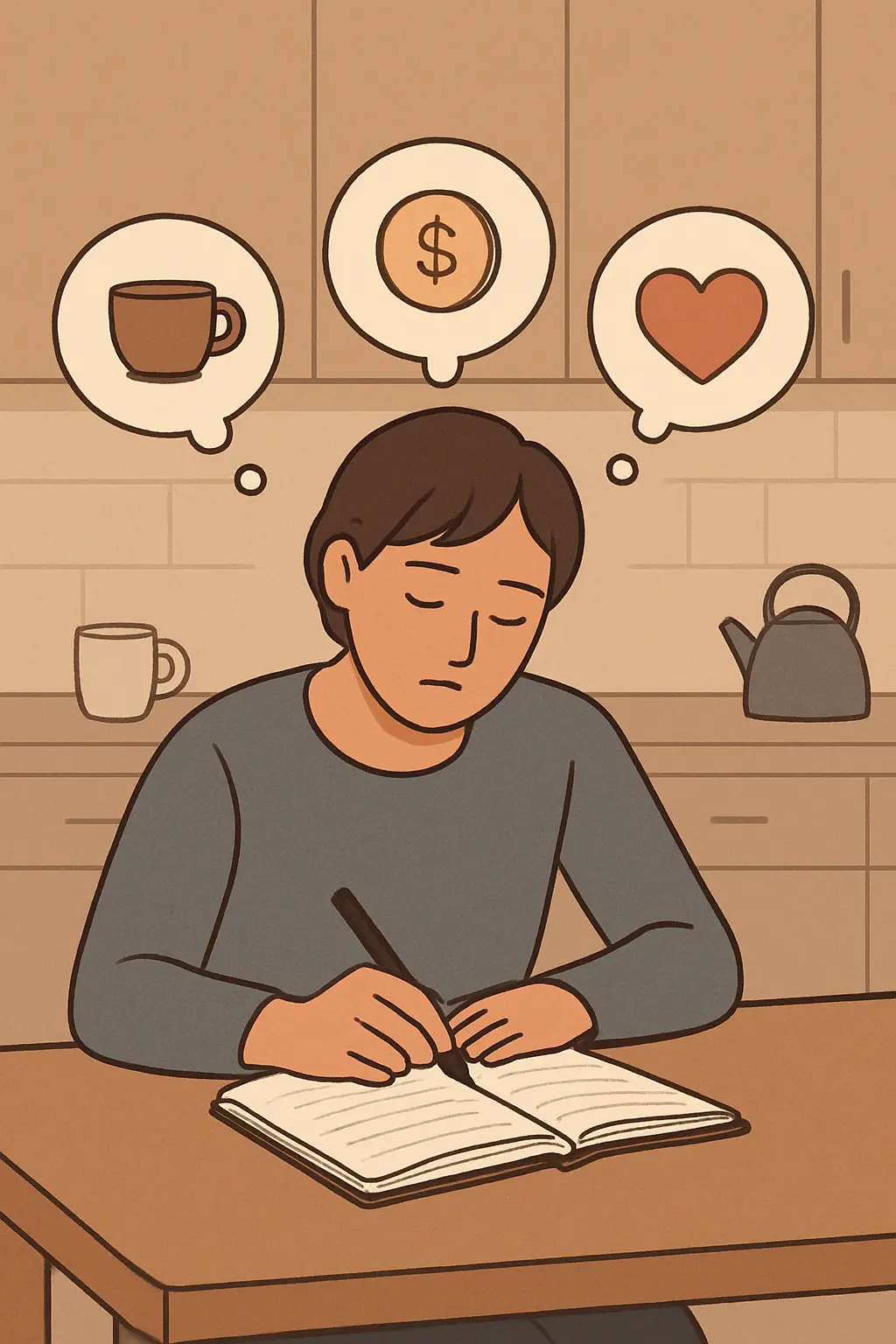
Use this template as a scaffold. Fill in the brackets, cross out anything that does not fit, and add whatever is missing. There is no right length; half a page to two pages is plenty.
Dear cigarettes,
We have been together for [number] years. I started when [how it began], and for a long time you felt like [what you meant to me].
I want to be honest. You gave me [the good things: breaks, calm, company, something to do]. I understand why I kept coming back.
But you also took [money, health, time, confidence, moments with people]. I am tired of [the thing that bothers you most].
On [quit date], I am ending this. I am choosing [what you want instead] because [your most important reason].
When I miss you, and I probably will, I will remember that the craving passes and that I made this choice for [person or goal].
Goodbye,
[Your name]
Handwriting it can feel more personal, but typing it on your phone means it is always with you. You can do both: write by hand, then take a photo.
Example Lines to Borrow
If you get stuck, the sample lines below may help you find your own words. They are written as prompts, not as anyone’s real letter. Change them until they sound like you.
| Part of the letter | Sample line |
|---|---|
| The beginning | “You showed up when I was a teenager trying to look older, and somehow you stayed for twenty years.” |
| What you gave | “You were my excuse to step away from my desk and breathe, even though I was not really breathing.” |
| What you took | “You took the money for the holiday I kept postponing.” |
| What you took | “I am tired of washing my hands before I hug my kids.” |
| The decision | “I am not leaving because someone told me to. I am leaving because I want my mornings back.” |
| The hard days | “If I reach for you in a bad moment, I will remember that the moment will pass and you will not fix it.” |
| The ending | “Thank you for nothing I still need. Goodbye.” |
Short, sharp phrases can work well as reminders. Our collection of quit smoking quotes has more lines you can adapt into your letter’s final paragraph.
Reading It on Hard Days
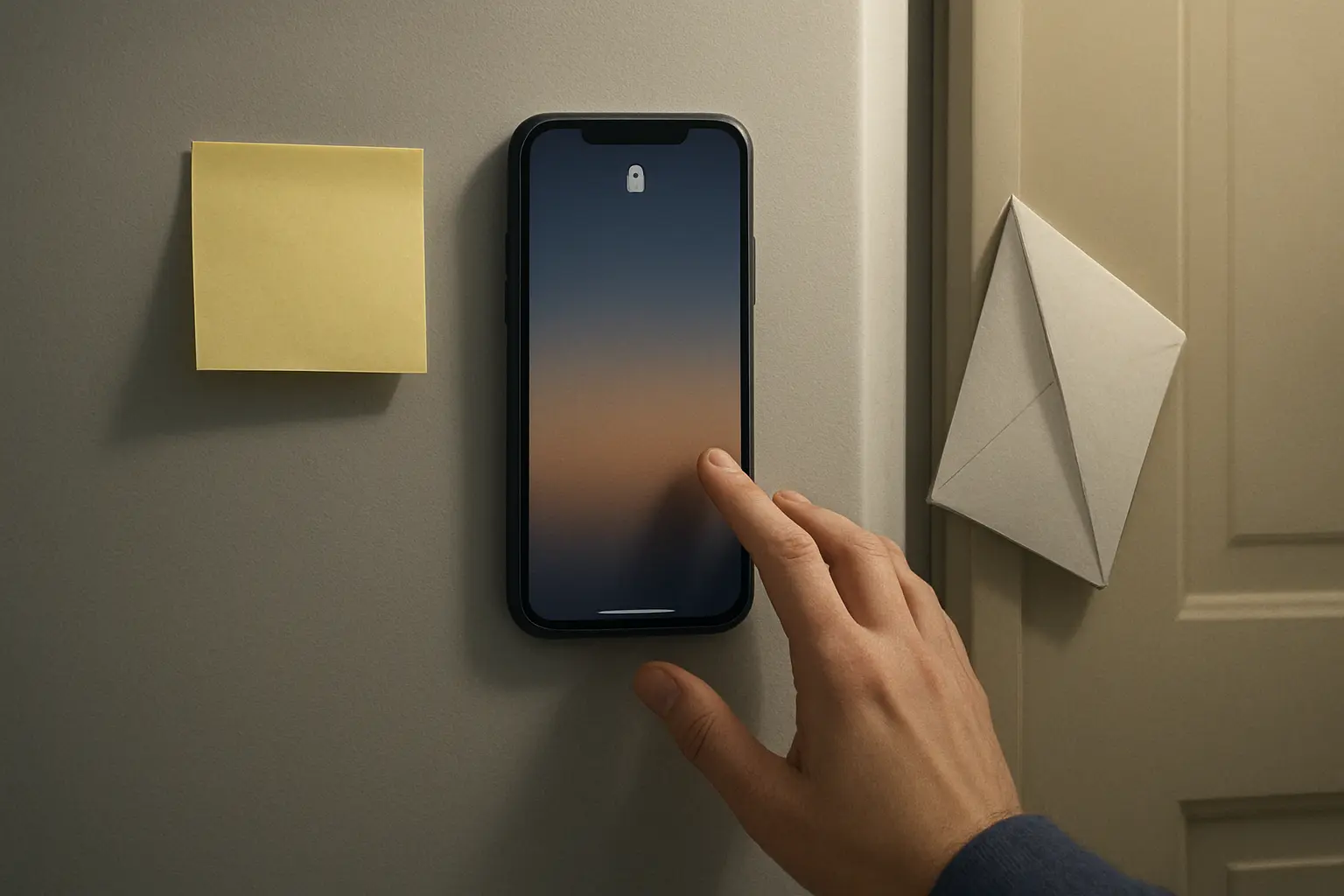
A letter only helps if you see it when it matters. The NHS suggests writing down how you will handle your triggers and placing it somewhere visible, like on the fridge (NHS Better Health). The same idea works for your letter.
- Keep a copy where you used to smoke. By the back door, in the car, on the balcony.
- Save it on your phone. A photo or a note you can open in seconds during a craving.
- Pick one line as a mantra. Read it aloud when an urge arrives.
- Reread it at milestones. One week, one month and three months smoke-free are good moments to see how far you have come.
Keep writing after the letter, too. The NHS recommends keeping a journal of your emotions, challenges and wins while you quit (NHS Better Health). The iQuit journal makes that quick: log your mood and craving level with one line of reflection each day, and consistent entries help recharge your streak shields. A sentence from your letter is a good first entry.
If you do slip, do not tear up the letter. Reread it, write a short postscript about what happened and what you will do differently, and set a new date.
Pairing the Letter With Your Quit Date
The Ames trial asked people to write in the days before and just after their quit date, which is a sensible window to borrow. Here is a simple plan:
- Three to five days before: answer the three questions and draft the letter.
- The night before: read it once more, make final edits and sign it. Remove cigarettes, lighters and ashtrays from your home.
- Quit day: read the letter in the morning. Put copies where you will see them.
- Days one to three: write a few lines each evening about how it is going. Cravings are usually strongest early on.
- Week two onward: read the letter when a craving hits or when you pass a milestone.
If you have not picked a date yet, our step-by-step guide to setting a quit date that sticks will help. If fear is what keeps pushing the date back, start with facing the fear of quitting. And once the letter is sent, fill the time smoking used to take with something new from our list of hobbies to replace smoking.
Letter FAQ
What should I write in a goodbye letter to cigarettes?
Write honestly about three things: what smoking gave you, what it has cost you, and what you want instead. Add your quit date and the main reason you are stopping. Keep the tone personal rather than perfect, and end with a clear goodbye you can reread during cravings.
Does writing about quitting smoking actually help?
The evidence is modest. A meta-analysis of 146 studies found a small positive effect of expressive writing on wellbeing. In one trial with young adult smokers, writing around the quit date was linked to higher quit rates at week 8 but not at one year. Use it alongside proven treatments (Ames et al., 2007).
When should I write my goodbye letter to smoking?
A good window is three to five days before your quit date, with a final read the night before and again on quit day morning. In the Ames trial, participants wrote for two days before and three days after quitting, which suggests the days around your quit date are a natural time to write.
Is it normal to feel sad when saying goodbye to cigarettes?
Yes. The NHS notes that some people describe quitting as feeling like losing a friend, and that feeling sad or down is part of the process and will pass. Writing a letter can help you acknowledge that loss while keeping your reasons for quitting in view (NHS Better Health).
Should I handwrite or type my letter to cigarettes?
Either works. Handwriting can feel more personal and deliberate, while typing on your phone keeps the letter with you during cravings. You can also handwrite it and then take a photo. What matters most is that you can find and reread it quickly when an urge strikes.
What should I do with the letter if I slip and smoke?
Keep it. Reread it, add a short note about what triggered the slip and what you will do differently, and set a new quit date. The NHS advises choosing a new date, ideally within two weeks, and treating a relapse as a setback rather than a failure (NHS Better Health).
Keep Your Reasons Close After the Goodbye
iQuit’s daily journal lets you log mood, cravings and a line of reflection, and consistent entries help recharge streak shields. Add SOS craving tools and a dashboard of days smoke-free and money saved. Free on Google Play and the App Store.


