Searching for how to get your husband to quit smoking (or your wife) usually means you are worried, tired of the same argument, and not sure what actually helps. The honest answer is that you cannot make another adult quit, but you can change how likely they are to try, and how likely they are to succeed. This guide uses advice from Smokefree.gov and the NHS to show what to say, what to stop saying, and how to back them up once they decide.
Why Pressure Backfires
When someone you love smokes, every cigarette can feel like a small betrayal. But Smokefree.gov, the US government’s quit-smoking site, describes smoking as something different from a lapse in willpower: “Smoking cigarettes isn’t a bad habit. It’s a serious and complicated addiction.” It adds that “it can take a person more than one try to successfully quit” (Smokefree.gov, How to Support Your Quitter).
The NHS makes the same point from the other side: “A smoker’s relationship with smoking can be complicated, so it’s best to be led by them.” It also notes that “most smokers are aware of the risks of smoking, so try not to nag or lecture them” (NHS Better Health).
Nagging tends to fail for a practical reason. Smokefree.gov warns that it “might just put you on their bad side, and they may not come to you for help when they really need it.” The goal is to stay the person they turn to on a hard day, not the person they hide a cigarette from.
If you want the general version of this advice, our guide on how to help someone quit smoking covers friends and relatives. This page is about the particular dynamics of living with the person.
How to Get Your Husband to Quit Smoking: Start the Conversation
The advice is the same for a husband, a wife or a long-term partner. Smokefree.gov suggests looking for an opening instead of forcing one: “It can be hard to get someone to talk about quitting smoking. To get a conversation started, look for an opening.” If they say things like “My doctor told me that I should quit smoking” or “My kids are asking me about my cigarettes,” respond warmly and say you are ready to help.
If there is no opening, create one
Smokefree.gov’s suggestion is to ask whether they have thought about quitting, or to raise something neutral. Its examples include mentioning that “taxes on cigarettes might go up soon” and asking what they think. Choose a calm moment, not an argument and not a moment when they have just lit up.
Ask questions, then be quiet
Smokefree.gov recommends open-ended questions such as:
- “What things make you crave a cigarette?”
- “What made you decide to quit smoking?”
- “What could I do to help make quitting easier for you?”
Then listen. The same page puts it plainly: “Quitting smoking is about them—not you. Listen to what they have to say.” The NHS agrees: understand whether they want to quit and “ask how they feel about the process.”
Find their reasons, not yours
The NHS says “everyone who wants to stop smoking has to find their own reasons for wanting to do so” and lists common ones: “for their children and family,” “to improve general fitness and wellbeing,” “to help reach an important milestone or life event, such as a big birthday or buying a new home,” and “to save money or improve finances.” Your job is to help them name theirs and keep it visible.
This short video from the Canadian Cancer Society is a useful companion before you have the conversation.
What to Say and What to Skip
Words matter most in the first few weeks, when withdrawal makes people short-tempered. Smokefree.gov gives example phrases and a list of things to avoid. Here they are side by side.
| Moment | Try saying | Skip |
|---|---|---|
| They mention quitting | “I’m so proud of you for trying to quit smoking. I’ll help with whatever you need to make it happen.” | Dismissive remarks about how long it took |
| A craving hits | “You’re not in this alone. Even if it gets tough, I’ll be here for you.” | Asking them if they smoked today |
| They are irritable | “I can tell this is hard on you, but I’m proud of you for sticking with it.” | Taking their moods personally, or saying it was easier when they smoked |
| They slip | “Slips happen. Don’t beat yourself up over it!” | Getting upset, or suggesting it would be easier to go back to smoking |
The Smokefree.gov list of things to avoid also includes “Counting the number of cigarettes they smoked” and “Giving them a hard time if they have a bigger appetite from withdrawal.” Both are easy to do without meaning to.

Support That Actually Helps
Good intentions are not a plan. These are the forms of support that the official guidance points to.
Help them build a plan
The NHS suggests encouraging a “free personal quit plan” and setting a quit date: “Smokers should set a day within the next 2 weeks of deciding to stop when they do not have too much stress going on.” If they have tried before, “ask them to reflect on what worked and what didn’t.”
Point them to free professional help
The NHS says “evidence shows people are 3 times more likely to quit for good with professional support.” In the US, Smokefree.gov lists free options: text QUIT to 47848 for SmokefreeTXT, call 1-800-QUIT-NOW (1-800-784-8669) to reach your state quitline, or chat with a counselor through the National Cancer Institute’s LiveHelp (Smokefree.gov FAQs for helping someone quit).
Mention the products, then let them decide
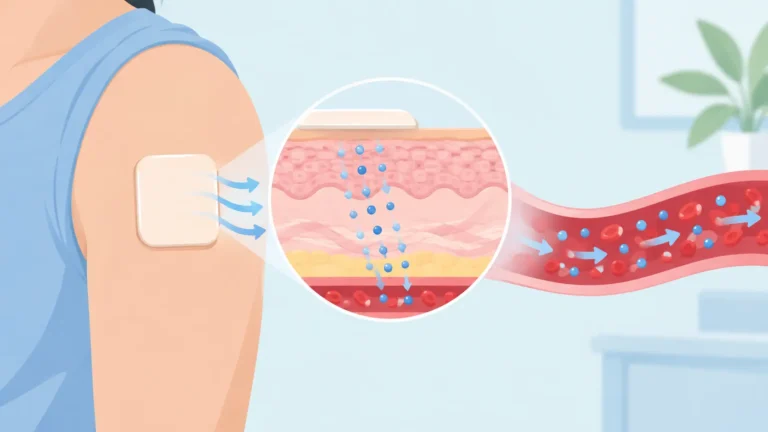
The NHS notes you can suggest “nicotine-free medicines, vaping or nicotine replacement therapies (NRTs)” and that “research shows that smokers who use a combination of nicotine-free medicines and NRTs are over 5 times more likely to succeed.” These are choices for them and their doctor or pharmacist. Our comparison of the best quit smoking apps can help if an app suits them better.
Build a distraction plan together
The NHS recommends helping them “create a list of things to try,” such as “getting active with a walk, run or visit to the gym,” “calling a friend or family member” and “taking deep, slow breaths for 2 minutes.” Smokefree.gov adds ideas for the two of you: “Take a walk,” “Plan a game night with a group of friends,” “Make dinner” or “Go out to eat at their favorite restaurant.”
Celebrate the small wins
Smokefree.gov says staying smoke-free “for one day, one week, or one year” are all reasons to celebrate, and so is “throwing out all of the ashtrays in the house.” The NHS suggests simple words like “Well done” or “I’m proud of you.” If you are looking for something more tangible, our list of gifts for someone quitting smoking has ideas.
Support does seem to matter. A Smokefree.gov “Quit Notes” tip on the support page says: “About 40% of smokers who quit say that support from others mattered a lot in their success.”
If They Are Not Ready: Smoke-Free Rules at Home
Sometimes the answer is “not now.” Smokefree.gov’s FAQ is direct about this: “the decision to quit is one they have to make for themselves. You can’t force them if they’re not ready. However, you should continue to come back to the topic, and let them know that you’ll be there to support them when they are ready.” The NHS agrees: “If they’re not ready to quit right now, try to respect their decision. Explain how it makes you feel and help them understand your feelings but try not to force them into quitting.”
What you can control is your own air. The Smokefree.gov FAQ suggests a “no smoking” rule for the home and car if you live together. For the health case behind that rule, see our guide to secondhand smoke and family protection. Keep the rule about the space, not about their worth, and offer the same warm invitation again next month.
If You Smoke Too
If both of you smoke, the dynamics change. The Smokefree.gov FAQ says: “If your friend or family member is quitting and you’ve also been thinking about it, now could be a good time to quit.” If you are not ready, it advises you to “decide how you will handle your own smoking around them” and lists specific steps:
- “Don’t smoke around them or buy cigarettes when you’re together.”
- “Keep your ashtrays, lighters, and cigarettes out of sight.”
- “Be supportive of spending time in smokefree places like at the movies.”
The NHS adds that you can “help them remove any triggers like lighters, ashtrays, or hidden cigarette packs.” One more line from Smokefree.gov is worth remembering: “If you smoke, remember not to agree to have a cigarette together—that will set them back.”
If your partner is the one who smokes and you are the one trying to quit, read our separate guide on how to quit smoking when your partner smokes. If the person you are worried about is a parent rather than a spouse, see how to get your parents to quit smoking.

After a Slip
Most quit attempts include at least one. The NHS says “the truth is that most smokers try to quit multiple times before they’re successful” and advises: “Reassure them that they haven’t failed, and that their time spent smoke-free was an incredible achievement. A single relapse is no reason to give up.”
Smokefree.gov’s guidance for partners is to “help them figure out what triggered the craving that led to the slip” and “help them come up with a plan for dealing with the craving if it happens again.” It also notes that “it’s not uncommon for ex-smokers to start smoking again within the first three months of quitting,” so keep checking in after the first big weeks.
The NHS says cravings can be especially hard in the first 28 days. It lists stress, sadness, anxiety, brain fog and trouble sleeping as things they might experience during this time, which is when a patient partner helps most.
Frequently Asked Questions
How can I get my husband to quit smoking?
Start a calm conversation, ask open-ended questions and listen. Smokefree.gov says lectures, nagging and scolding will not help, and the NHS advises being led by the smoker. Offer practical help such as a quit plan, free support and distractions once they are ready (Smokefree.gov; NHS Better Health).
Does nagging my wife make her more likely to quit?
No evidence-based guide recommends it. Smokefree.gov says “Lectures, nagging, and scolding won’t help your friend or family member quit smoking,” and the NHS says to try not to nag or lecture because most smokers already know the risks (Smokefree.gov; NHS Better Health).
What if my spouse does not want to quit?
Respect it, explain how it affects you, and return to the topic from time to time. Smokefree.gov says the decision is theirs and you “should continue to come back to the topic,” while letting them know you will support them when they are ready (Smokefree.gov FAQs for helping someone quit).
Does support from a partner really help someone quit?
The NHS says “research shows that smokers who have someone to help them on their quit journey are more likely to quit for good.” Smokefree.gov likewise says “someone who feels supported is more likely to quit smoking for good” (NHS Better Health; Smokefree.gov).
What should I do if my partner slips and smokes?
Stay calm. Smokefree.gov says getting angry will not help; instead remind them of their progress and work out what triggered the craving. The NHS says “a single relapse is no reason to give up,” and they can start again when ready (Smokefree.gov; NHS Better Health).
What free help can I point my spouse to?
In the US, Smokefree.gov lists SmokefreeTXT (text QUIT to 47848), the 1-800-QUIT-NOW (1-800-784-8669) quitline, and the National Cancer Institute’s LiveHelp chat. In the UK, the NHS points to local Stop Smoking Services and free online tools (Smokefree.gov; NHS Better Health).
Should I quit too if we both smoke?
Smokefree.gov says that if you have also been thinking about quitting, “now could be a good time to quit.” If you are not ready, it advises deciding how you will handle your own smoking around them, such as never smoking in front of them (Smokefree.gov FAQs).
Give Them Something to Reach For
When your spouse is ready, a free app can take some of the load off you. iQuit has a craving log, SOS support with grounding and distraction tips, a mood journal, daily missions, and a moderated community for company. It is free to download on Google Play and the App Store, so you can install it together.
Download iQuit Free on Google Play Download on the App Store