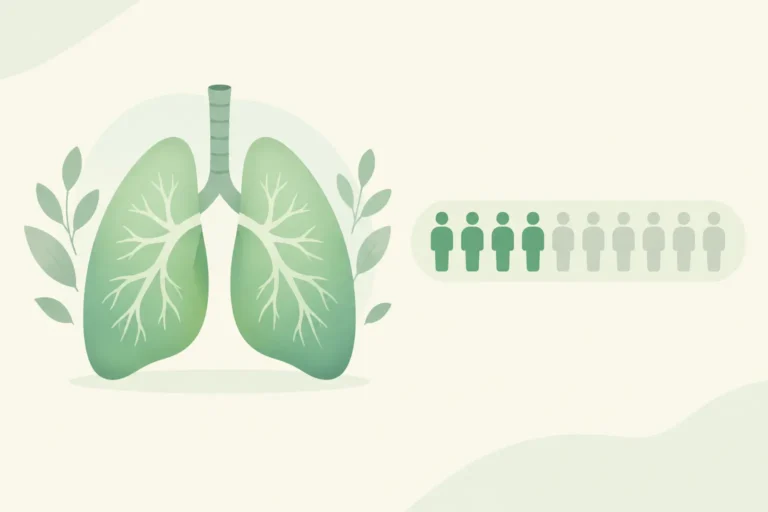
If you have just found out you are pregnant and you vape, you are probably looking for how to quit vaping while pregnant right now, and probably feeling anxious. That is understandable, and you are not alone in asking. This guide sets out what the main health bodies actually say, step by step, without scare tactics and without pretending the answers are simpler than they are.
One thing first: the advice in the UK and the US is not identical. We will show both side by side. We are not medical professionals, so please talk to your midwife, doctor or obstetrician before changing any product, and keep reading for free support lines. If you are vaping and want a general plan, our complete step-by-step plan to quit vaping covers the basics.
Is vaping safe in pregnancy? What is known
The honest answer is that the evidence is limited. The NHS says on its vaping page: There is little research on the safety of vaping in pregnancy, but it’s likely to be less harmful for you and your baby than smoking
. It adds: Unlike cigarettes, vapes do not produce carbon monoxide, which is very harmful to a developing baby in the womb
. On its pregnancy page it says E-cigarettes are fairly new and there are still some things we do not know
.
Notice the framing. The NHS is comparing vaping with smoking, for a pregnant person who smokes. It is not saying vaping is safe or recommended for someone who does not smoke. The same page says Children and non-smokers should never vape
. If you vape and have never smoked, the NHS comparison is not about you, and the sensible aim is to stop.
We did not find reliable figures on specific pregnancy outcomes from vaping in the sources we used, so we are not going to quote any. Anyone who gives you precise numbers without a source should be treated with caution.
US and UK advice: where they differ
The American College of Obstetricians and Gynecologists (ACOG) takes a stricter line on the wording. Its 2020 committee opinion, summarized on PubMed, says: Clinicians should advise cessation of tobacco products used in any form and provide motivational feedback
. It notes that alternative forms of tobacco use, such as e-cigarettes or vaping products, hookahs, and cigars, are increasingly common
. It also says smoking cessation at any point in gestation benefits the pregnant woman and her fetus
and that the greatest benefit is observed with cessation before 15 weeks of gestation
.
| Question | NHS (UK) | ACOG (US) |
|---|---|---|
| Vaping versus smoking | Likely less harmful than smoking, evidence limited. | Advises cessation of tobacco products in any form, including vaping products. |
| If vaping helps you stop smoking | Says it is safer for you and your baby than continuing to smoke. | Advises offering psychosocial, behavioral and pharmacotherapy options. |
| Timing | The sooner the better, but benefits even in the last weeks. | Cessation at any point benefits; most before 15 weeks. |
These are not necessarily in conflict. The NHS statement is a comparison with smoking, while ACOG is advising the end goal of no tobacco or nicotine products in pregnancy. Whichever country you are in, the practical step is the same: talk to your prenatal provider. For the smoking side, see our guide to quitting smoking while pregnant and the figures in smoking during pregnancy statistics.
This short video from the Akron Children’s Hospital YouTube channel asks whether it is safe to vape while pregnant.
Should you quit vaping or switch from smoking first?
This depends on what you are doing now, and your midwife or doctor can help you decide.
- You vape only. The goal under both UK and US guidance is to stop. The NHS says non-smokers should never vape, and ACOG advises cessation of tobacco products used in any form.
- You smoke and vape. Stopping smoking is the urgent step. The NHS says
if you find vaping helpful to quit smoking and to stay smoke-free, and you are over 18, it’s safer for you and your baby than continuing to smoke cigarettes
. After you stop smoking, plan to taper off vaping too. - You smoke only. This article is not for you, but our safe methods guide is.
If you currently use a vape with a high nicotine strength, do not just stop and hope. A plan that includes support, or a pregnancy-appropriate product, is more likely to work than willpower alone.
Nicotine replacement during pregnancy
The NHS pregnancy page says: You can use nicotine replacement therapy (NRT) during pregnancy if it will help you stop smoking and you’re unable to stop without it
. It also says Stop smoking tablets such as varenicline or bupropion (Zyban) are not recommended during pregnancy
. Practical details from the same page include that NRT patches should be used for no more than 16 hours in any 24-hour period
, which means removing the patch at bedtime, that pregnant women are advised to avoid licorice-flavored nicotine products, and that if you have pregnancy-related nausea and vomiting, patches may be a better solution
.
A 2018 clinical review on PubMed adds a note of balance. It says animal models show that nicotine is harmful to the fetus, especially for brain and lung development, but human studies have not found any harmful effects on fetal and pregnancy outcomes
, and concludes that as NRT is safer than smoking, clinicians need to offer this option to all pregnant women who smoke
. That review is about smoking cessation, not vaping, and it also says research is still needed on dosing. The takeaway is to use NRT only with advice. Speak to a midwife, GP, pharmacist or specialist adviser before starting.
A step-by-step quit plan
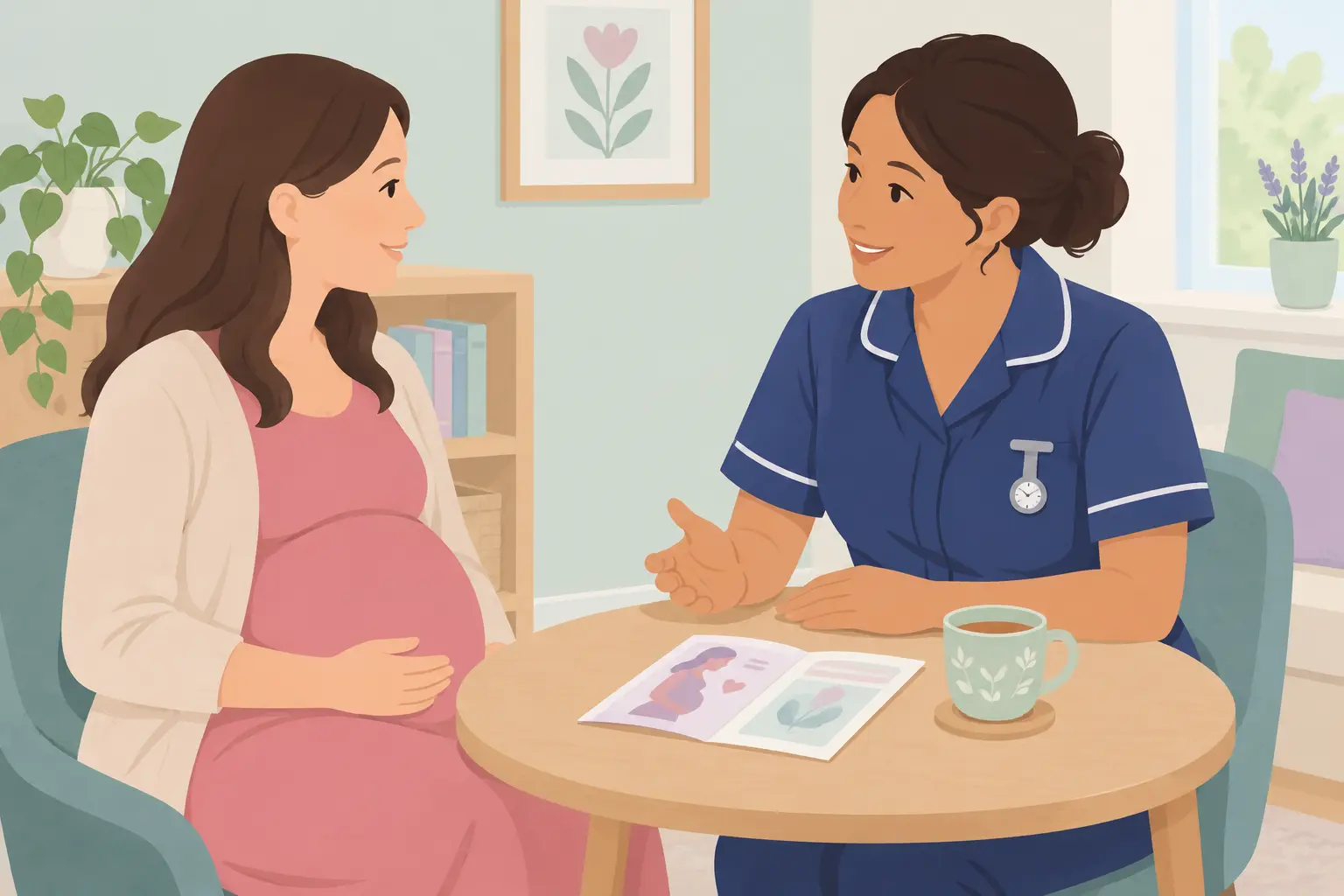
- Tell your midwife or doctor today. They have heard it before, and they can refer you to a pregnancy stop smoking service.
- Check what you use. Note your device, your nicotine strength and how many times a day you vape. Your adviser needs these facts.
- Pick a date soon. ACOG says the greatest benefit is seen before 15 weeks, and benefits continue at any point, so sooner is better than perfect.
- Decide how you will stop. That may be stopping directly, stepping down the nicotine strength and puffs, or using NRT under advice.
- Remove temptations. Put the device and spare pods out of sight or get rid of them.
- Plan for the hard times. Know your top three triggers, such as stress, morning routine or alcohol-free social events, and decide what you will do instead.
- Keep checking in. Tell your midwife how it is going at each visit, including if you slip.
Our vape withdrawal timeline explains what the first days can feel like, and our first-week cold turkey guide has practical tips for those first days. Check any product or approach with your prenatal provider first.
Cravings, stress and nausea
Stress is a common trigger, and pregnancy brings plenty of it. A few ideas that do not involve nicotine are slow breathing, a short walk, a glass of water, a snack and calling someone. If nausea is part of the picture, the NHS suggests patches may suit better than other NRT forms, which is worth raising with your adviser. Cravings come in waves that rise and fall, so a ten-minute delay with a distraction can help.
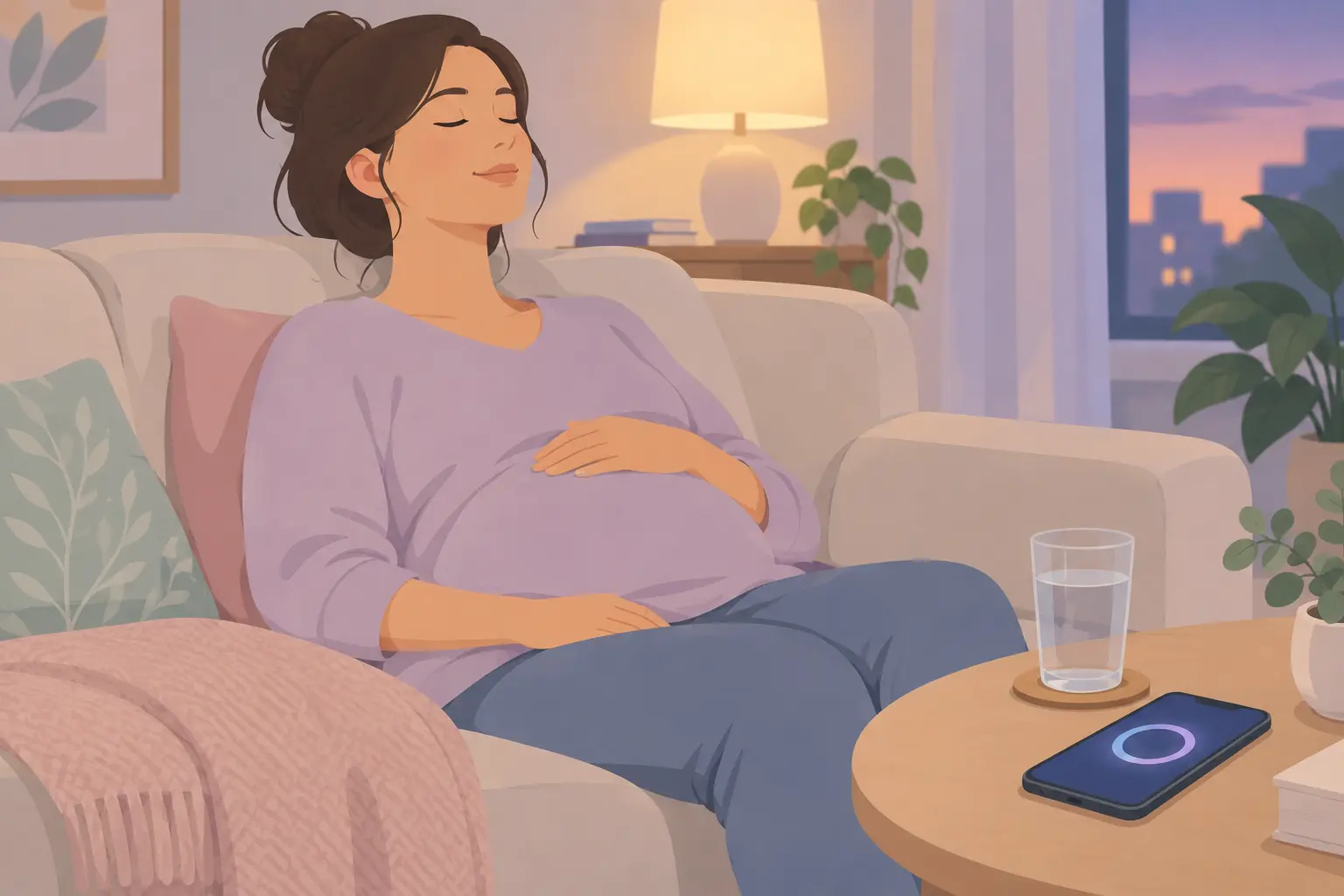
If the cravings are overwhelming, or you feel low or anxious, tell your midwife or doctor. That is a medical conversation, not a failure, and support exists for it.
Free support during pregnancy
You do not have to do this alone. The NHS says you are twice as likely to be successful at quitting if you get some support from a trained adviser
. In the UK, the National Smokefree helpline is 0300 123 1044, open 9am to 8pm Monday to Friday and 11am to 4pm Saturday and Sunday, and a midwife can refer you to a local service. In the US, Smokefree.gov says that 1-800-QUIT-NOW (1-800-784-8669)
will connect directly to your state’s quitline
, with hours and services that vary by state. Details are on the Smokefree.gov page. Elsewhere, ask your midwife or doctor for local services.
After the birth
Staying stopped after the baby arrives is its own challenge, with broken sleep and new stress. ACOG says cessation services should be discussed at prenatal and postpartum follow-up visits
. If you want to use patches or gum while breastfeeding, read our guide to nicotine patches and gum while breastfeeding and check with your health visitor or doctor.
Where iQuit fits
iQuit is a quit-smoking app, free on Google Play and the App Store. It is built around cigarettes, but its craving log, which records each craving with its trigger and intensity, can help you spot your vaping patterns. Its SOS tools, such as breathing exercises and craving surfing, are designed for moments when a stress craving hits. It does not treat any condition and does not replace your midwife, doctor or a pregnancy stop smoking service.
Frequently Asked Questions
Is it safe to vape while pregnant?
The NHS says there is little research on the safety of vaping in pregnancy, but it is likely to be less harmful than smoking. ACOG advises cessation of tobacco products in any form, including vaping products. Neither source says vaping is risk free. Talk to your midwife or doctor. (NHS; ACOG)
Should I quit vaping or smoking first when pregnant?
If you smoke cigarettes, stopping smoking is the urgent step, and the NHS says vaping that helps you stay smoke-free is safer than continuing to smoke. If you only vape, the goal under NHS and ACOG advice is to stop. Plan it with your provider. (NHS; ACOG)
Can I use nicotine patches to quit vaping while pregnant?
The NHS says NRT can be used in pregnancy if it helps you stop and you cannot stop without it, with patches used no more than 16 hours in any 24 and not licorice-flavored products. Speak to a midwife, GP or pharmacist first. (NHS)
Can I take varenicline or bupropion while pregnant?
The NHS says stop smoking tablets such as varenicline or bupropion (Zyban) are not recommended during pregnancy. Ask your midwife or doctor about the options that suit you. (NHS)
When is the best time to quit vaping in pregnancy?
As soon as possible. ACOG says cessation at any point in gestation benefits the pregnant woman and her fetus, with the greatest benefit before 15 weeks of gestation. The NHS says even stopping in the last few weeks benefits you and your baby. (ACOG; NHS)
Where can I get free help to quit while pregnant?
In the UK, call the National Smokefree helpline on 0300 123 1044 or ask your midwife for a referral. In the US, 1-800-QUIT-NOW connects you to your state quitline. Support from a trained adviser makes quitting about twice as likely, per the NHS. (NHS; Smokefree.gov)
Does a slip mean I have failed?
No. A slip is information, not failure. Note the trigger, tell your midwife or adviser and return to your plan the same day. (general guidance)
Support for Stressful Cravings
Stress cravings are the hard part. iQuit offers SOS tools such as breathing exercises and craving surfing, a craving log for triggers and intensity, craving forecasts that show your risky hours, and streak shields that help you recover from a slip. It is free on Google Play and the App Store, is built around cigarettes and does not replace your midwife or doctor. Please talk to them about your quit plan.