Honest answer: you can, but the odds are against it staying at one. Studies of former smokers consistently find that the large majority of “just one cigarette” moments lead back to regular smoking within weeks. One cigarette re-sensitizes nicotine receptors within minutes and quietly rewrites your identity from “I don’t smoke” to “I sometimes smoke.” And yet — a slip is not a relapse. What happens next depends almost entirely on what you do in the following 24 hours.
What one cigarette does to your brain
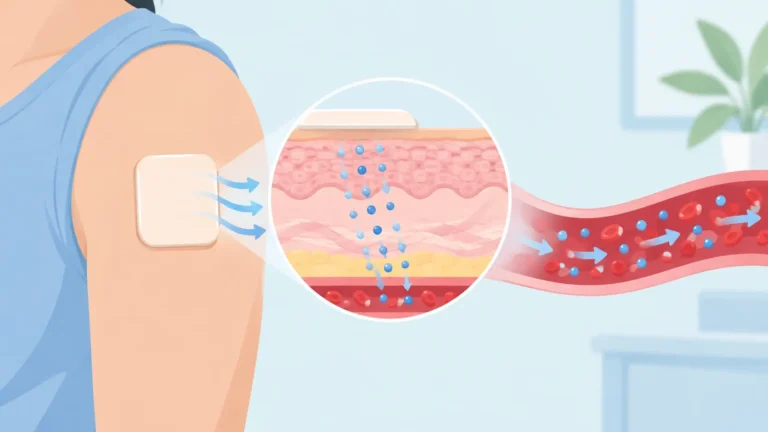
Weeks of not smoking down-regulate the brain’s nicotinic receptors — the craving machinery goes quiet. A single cigarette wakes it back up with remarkable speed: receptors re-sensitize, dopamine spikes along the old pathway, and the brain flags smoking as “available again.” Within 45–90 minutes, as the nicotine fades, many people feel a craving sharper than anything they’d felt in weeks. That’s not weakness; it’s receptor chemistry.
Why “just one” usually becomes a pack
- The chemistry restarts. One dose is enough to reboot the craving-relief cycle you had broken.
- The identity cracks. The strongest predictor of staying quit is thinking of yourself as a non-smoker. “Just one” reopens the negotiation on every future craving.
- The permission precedent. Having granted one exception, the brain files it as policy: stressful day = cigarette allowed. The relapse research shows stress and social situations are exactly where these exceptions get invoked.
But a slip is not a relapse — the 24-hour rule
Here’s what the shame-based framing gets wrong: smoking one cigarette does not delete your progress. Your receptors re-sensitize, but your weeks of recovery — heart, lungs, habits, savings — are still real. Researchers distinguish a lapse (one or a few cigarettes) from a relapse (return to regular smoking), and the difference is behavior in the first 24 hours:
- No second cigarette. The first was a slip; the second is a decision.
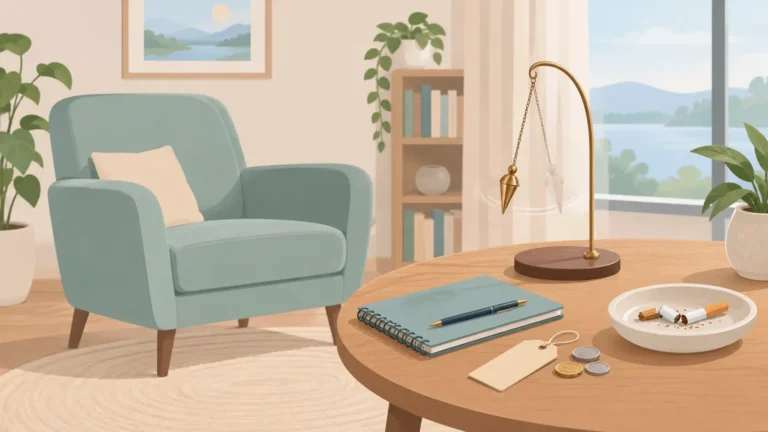
- Destroy the supply. Any remaining cigarettes go in water, not in a drawer.
- Name the trigger. Alcohol? A fight? A break at work? A slip is data — it just showed you your weakest point.
- Plan the next day deliberately. Cravings will run hotter for several days. Schedule your defenses instead of hoping.
Apps have finally caught up with the science
Old-school quit trackers punished a slip by resetting your counter to zero — which research suggests actively encourages full relapse (“I’ve lost everything anyway”). Newer tools treat a slip the way clinicians do. In the free iQuit app, logging “I smoked” doesn’t shame you or wipe your streak: a streak shield absorbs the slip, and the app opens a recovery screen — “Nothing you built is gone” — where you choose two concrete moves for the next 24 hours and get follow-up check-ins at the moments relapse risk peaks. The full review of iQuit’s features covers how the slip-recovery flow works alongside the AI coach.
If you’re reading this before smoking that one
The craving pushing you toward “just one” will peak and pass within about three minutes whether you smoke or not. Give it those three minutes: box breathing, a glass of water, or the app’s SOS tools. On the other side of the peak, “just one” usually looks like what it is — the first cigarette of a restart you don’t want.
FAQ
Will one cigarette ruin my quit?
It won’t erase your recovery, but most “just one” moments lead back to regular smoking unless you act within 24 hours — no second cigarette, supply destroyed, trigger named, next day planned.
Why do I crave more after smoking one?
Nicotine re-sensitizes your receptors within minutes, so as it fades you experience rebound cravings sharper than before the slip.
Does one cigarette show up in my health recovery?
It causes a brief spike in heart rate and carbon monoxide, but your long-term recovery timeline survives a single lapse. Regular smoking is what resets it.
Is “social smoking” possible for ex-smokers?
For the large majority, no — the receptor system that made you a daily smoker responds to any regular re-exposure. Treat one-off invitations as the top relapse trigger they are.
Slipped, or afraid you might? Get iQuit free — its slip-recovery plan and streak shields are built for exactly this moment.