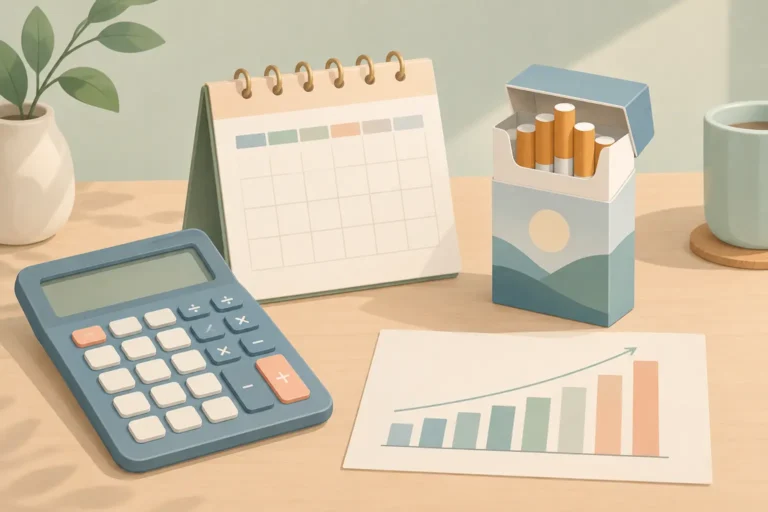
If you smoked for years and have since quit, one of the most useful questions you can ask a doctor is not “am I in the clear” but “lung cancer screening eligibility — do I qualify for a scan?” A yearly low-dose CT scan catches lung cancer earlier, when it is far more treatable, and the criteria for who qualifies are more specific — and more generous than many people assume — than they were a few years ago.
Who qualifies for lung cancer screening
Lung cancer screening with low-dose CT is not offered to everyone — it targets people whose smoking history puts them at meaningfully elevated risk, because the test’s benefits (catching cancer early) need to outweigh its harms (false positives, unnecessary follow-up procedures, radiation exposure) for the specific group being screened. In practice this means two numbers matter most: how much you smoked, expressed as “pack-years,” and how long ago you quit, if you have quit. The exact thresholds differ between the US and UK, which is why this article treats them separately rather than blending them into one number.
If you currently smoke, screening eligibility comes with an important add-on: US guidance is explicit that people who currently smoke and qualify for screening “should receive smoking cessation interventions” alongside the scan — screening and quitting are meant to happen together, not as alternatives to each other.
How pack-years are calculated
A pack-year is the standard way clinicians quantify lifetime smoking exposure. The USPSTF defines it simply: “one pack-year is the equivalent of smoking an average of 20 cigarettes — 1 pack — per day for a year.” The formula is packs smoked per day multiplied by years smoked.
Worked example: someone who smoked one pack (20 cigarettes) a day for 20 years has 20 pack-years (1 × 20). Someone who smoked half a pack a day for 40 years also has 20 pack-years (0.5 × 40) — the same cumulative exposure, spread differently over time. Someone who smoked two packs a day for 15 years has 30 pack-years (2 × 15). If you switched between amounts over the years, add up each period separately: five years at one pack a day (5 pack-years) plus ten years at half a pack a day (5 pack-years) equals 10 pack-years total, not 15.
You do not need to calculate this perfectly before talking to a doctor — a rough estimate of how much and how long you smoked is enough to start the conversation, and a clinician can refine the number with you.
US criteria: age band, pack-years, years since quitting
The current US Preventive Services Task Force (USPSTF) recommendation — graded B, meaning there is high certainty of moderate net benefit — covers adults aged 50 to 80 who have a 20-pack-year smoking history and who currently smoke or quit within the past 15 years. This is a 2021 update that widened access compared with the previous 2013 criteria: the USPSTF states it “expanded the age range to 50 to 80 years (previously 55 to 80 years), and reduced the pack-year history to 20 pack-years of smoking (previously 30 pack-years)” — meaning people who would not have qualified under the older rule may qualify now.
Screening is meant to continue annually and stop “once a person has not smoked for 15 years or develops a health problem that substantially limits life expectancy or the ability or willingness to have curative lung surgery.” In other words, once you pass the 15-year quit mark, or if a scan would not realistically change your treatment options, USPSTF guidance no longer recommends continuing.
For the wider picture of what smoking history means for other cancer sites, see which cancers smoking causes and the more general lung age test, a different, non-diagnostic way to see how smoking history compares with a healthy lung age.
UK Targeted Lung Health Checks and how invitations work
England’s NHS runs the Targeted Lung Health Check program, which uses a different, simpler entry criterion than the US: the NHS states “if you’re aged between 55 and 74 and have ever smoked, you may be given the opportunity to take part in lung cancer screening,” provided you live in an area where the program currently operates and are registered with a GP surgery. Rather than a strict pack-year cutoff at the invitation stage, the program uses a first-stage “lung health check” conversation — “a health professional will ask about your health and lifestyle to find out more about your risk of lung cancer” — to decide who then goes on to a scan.
Invitations are area-by-area, not nationwide yet: “if you’re aged 55 to 74, you may be contacted by your GP or a local NHS service to take part in lung cancer screening,” and if you think you qualify but have not heard anything, the NHS advises contacting your local service directly to ask about referral, since the program has not rolled out to every area at the same time.
What a low-dose CT involves
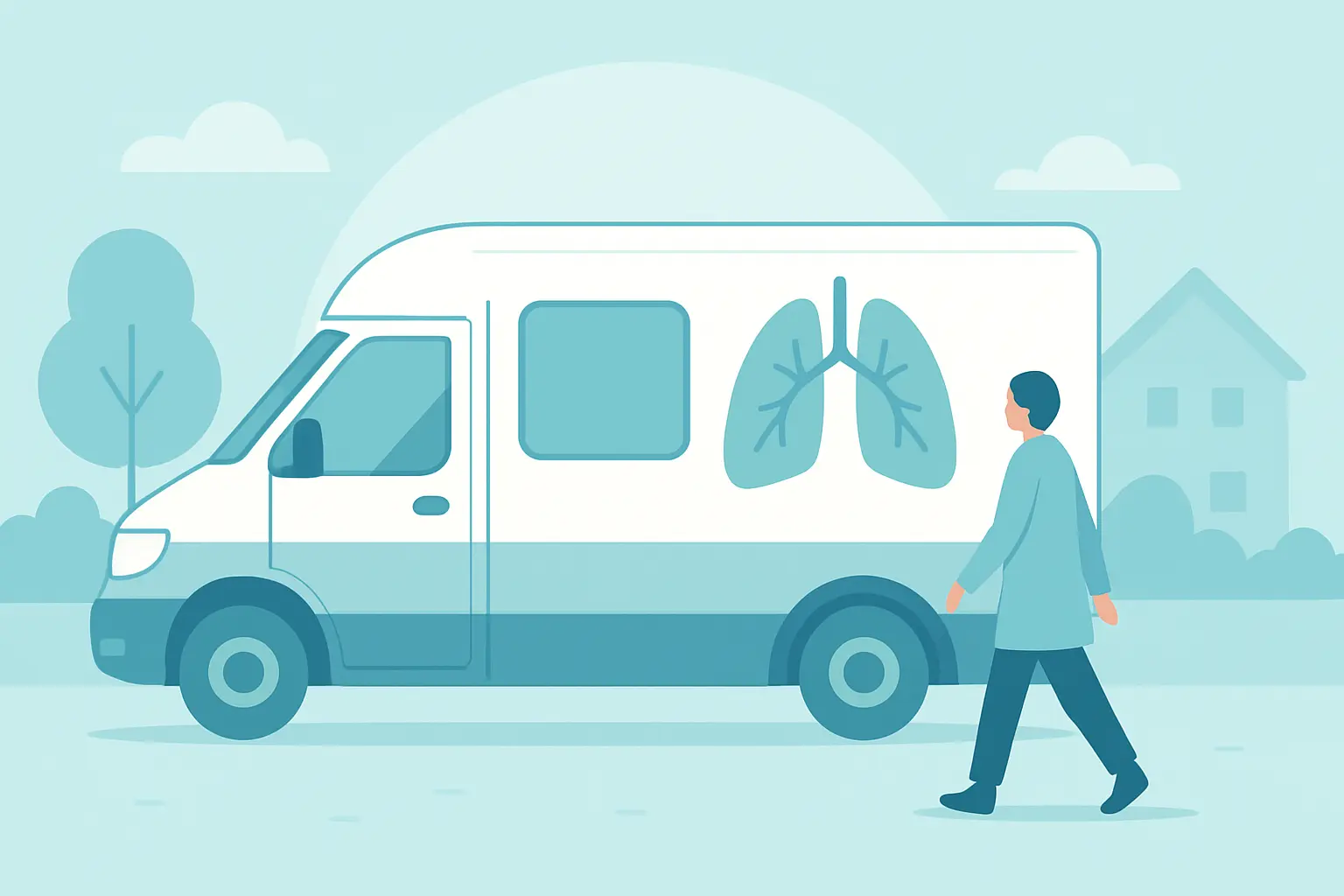
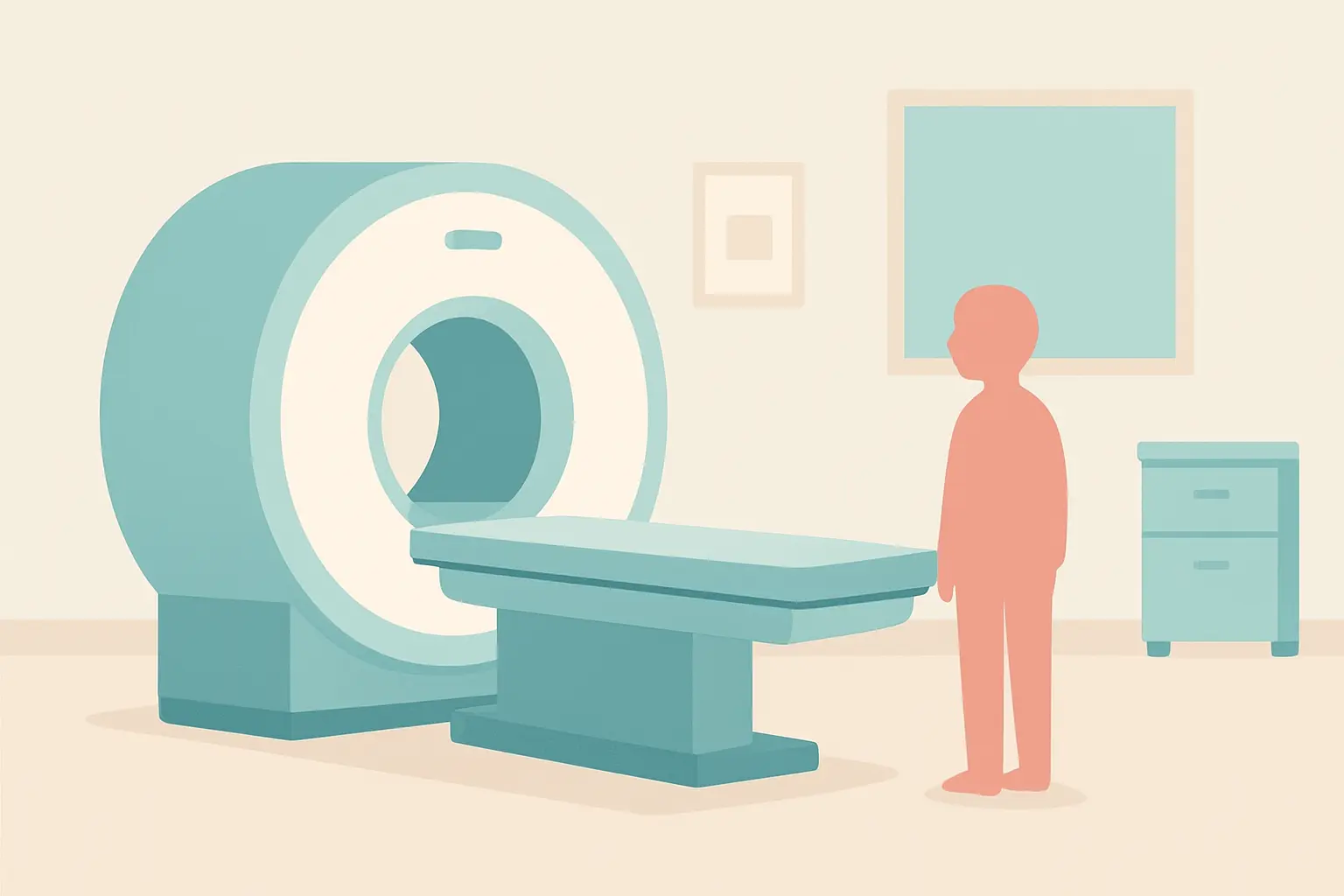
The scan itself is brief and painless. Under the NHS program, an initial lung health check appointment — which may be “in person, by phone, or online” — comes first; only people assessed as higher risk are then “offered a CT scan of your lungs.” When a scan is needed, it may take place “in a mobile scanning unit in your local community” or at a hospital. The appointment “will last about 30 minutes,” but “the CT scan itself will only take a few minutes and does not hurt,” and results typically arrive “within 4 weeks of the CT scan.”
Low-dose CT uses a much smaller radiation dose than a standard diagnostic CT scan, which is part of why annual repeat screening is considered an acceptable trade-off for the eligible group — though, as the next section covers, radiation exposure is still one of the documented harms weighed against the benefit.
False positives and what a nodule result means
Screening is not risk-free, and the National Cancer Institute is direct about the trade-offs. The National Lung Screening Trial found that “screening with LDCT once a year for three years was better than chest x-rays at finding early-stage lung cancer and decreased the risk of dying from lung cancer in current and former heavy smokers” — the core reason screening is recommended at all. But the same evidence base documents real harms: an abnormal finding “may lead to invasive procedures which are not needed,” and a false-positive result “can cause anxiety and is usually followed by more tests.” If a suspicious nodule needs a biopsy, that carries its own risk — “a biopsy to diagnose lung cancer can cause part of the lung to collapse. Sometimes surgery is needed to reinflate the lung” — and the NCI also notes that “radiation exposure from chest x-rays and low-dose CT scans may increase the risk of cancer” over repeated years of screening.
In practice, most nodules found on a screening CT are not cancer — many are scar tissue, old infections, or benign growths — and a common next step is simply a repeat scan in a few months to see if a nodule has changed, rather than an immediate biopsy. A clinician who reviews your scan will explain what a specific finding means for you; this article cannot and does not interpret scan results.
Why quitting still matters if you are screened
Screening finds cancer earlier — it does not prevent it, and it does not undo years of smoking-related lung damage. If you currently smoke and qualify for screening, USPSTF guidance treats cessation support as part of the same visit, not a separate issue, because quitting reduces your ongoing risk in a way that screening alone cannot. If you are curious what recovery actually looks like after you quit, can lungs heal after smoking and lung function recovery after quitting cover what is and is not reversible. If you are not sure how to bring screening or quitting up with your doctor, how to talk to your doctor about quitting smoking can help you prepare for that conversation.
Tracking your smoking history for this conversation
Bring real numbers to your screening conversation
iQuit’s dashboard tracks your quit date and, based on what you tell it about your smoking history, your cigarettes-avoided count — useful raw material for estimating your own pack-years before a screening conversation with your doctor. It does not calculate medical eligibility or replace a clinical assessment. Free on both stores.
Download iQuit Free on Google Play
Download on the App Store
Frequently Asked Questions
Who qualifies for lung cancer screening in the US?
The USPSTF recommends annual low-dose CT screening for adults aged 50 to 80 with a 20 pack-year smoking history who currently smoke or quit within the past 15 years. Screening is generally stopped once someone has not smoked for 15 years or has a health problem that limits life expectancy or the ability to have lung surgery (USPSTF, 2021 recommendation).
How do I calculate my pack-years?
Multiply the average number of packs smoked per day by the number of years smoked. One pack-year equals smoking 20 cigarettes (one pack) a day for one year. Someone who smoked half a pack a day for 40 years has the same 20 pack-years as someone who smoked one pack a day for 20 years (USPSTF).
Who is eligible for an NHS lung health check?
People aged 55 to 74 who have ever smoked and are registered with a GP in an area where the Targeted Lung Health Check program currently runs may be invited. The program has not rolled out to every area yet, so people who believe they qualify but have not been invited can contact their local service to ask about referral (NHS).
Does a former smoker still qualify for screening?
Yes, under USPSTF criteria, former smokers who quit within the past 15 years and meet the age and pack-year thresholds still qualify. Screening is generally stopped once 15 years have passed since quitting, since risk declines over that period (USPSTF).
What happens if a lung cancer screening finds a nodule?
Most nodules found on screening are not cancer. A common next step is a follow-up scan in a few months to see if it has changed, rather than an immediate biopsy. When biopsies are needed, they carry their own small risks, including possible lung collapse (National Cancer Institute PDQ).
Is lung cancer screening only for current smokers?
No. Both current smokers and former smokers can qualify, provided they meet the pack-year and, where relevant, years-since-quitting criteria. In the NHS program, simply having “ever smoked” within the eligible age range can trigger an invitation to the first lung health check conversation (NHS; USPSTF).
Does screening replace quitting smoking?
No. Screening finds cancer earlier; it does not reduce your risk of developing it. USPSTF guidance pairs screening with smoking cessation support for people who currently smoke, since quitting addresses ongoing risk in a way a scan cannot (USPSTF).