If you are searching for a Quit For Life program review, you probably have a benefits card in your wallet and a free offer you are not sure how to judge. Quit For Life is a coaching program that employers and health plans buy for their people, so the real questions are different from those for an app you download yourself: who can actually get it, what does it include, and does it deserve your time? This review answers them using the program’s own pages, the UnitedHealthcare member page, RVO Health’s description and a 2026 meta-analysis of telephone coaching.
What the Quit For Life Program Is and Who Runs It
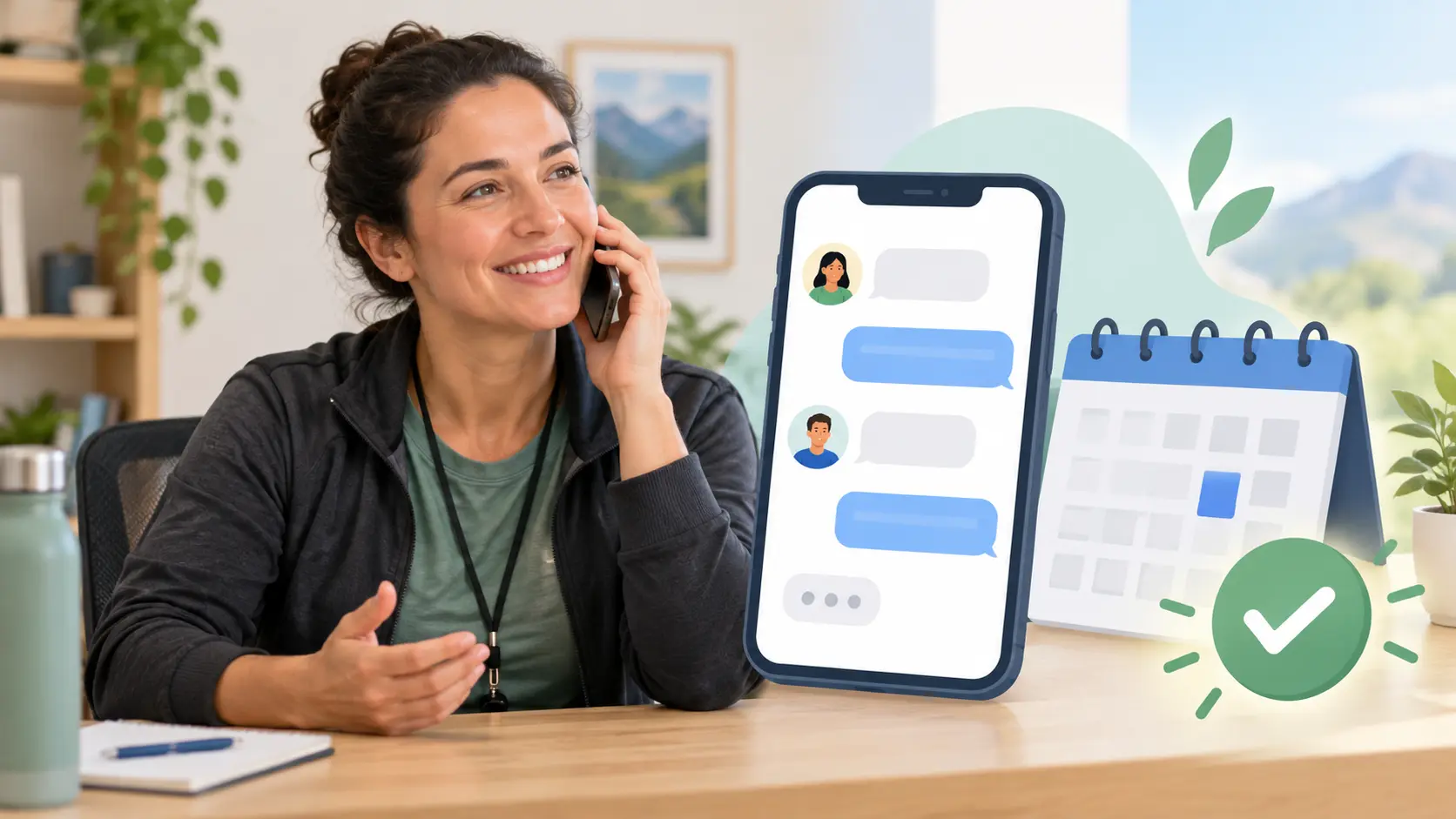
Quit For Life is a tobacco and nicotine cessation program built around one-to-one coaching. The program’s website, quitnow.net, describes “Personalized Coach Support” in which a coach helps you create a Quit Plan, and says you can connect by text, chat or a toll-free call to 1-866-784-8454. It also lists online resources for managing triggers, lessons on living tobacco free, text message support and a mobile app. The site’s own notices name RVO Health as the company behind it.
RVO Health’s quit services page describes the company’s role in plain terms: “Quit For Life provides employees the judgment-free support they need to try to quit smoking, vaping, or chewing tobacco at no additional cost as part of their benefits.” The same page says RVO Health also offers state quit services as part of the North American Quitline Consortium, and a separate Live Vape Free program for teens and young adults, with eligibility checked through your state public health department. The public pages do not explain how the commercial program and the state services relate to each other, so this review sticks to what each page says on its own.
One practical point: the program covers more than cigarettes. UnitedHealthcare’s page says it “helps people successfully quit all forms of tobacco and nicotine, including smokeless tobacco, cigars, pipes, vape products and e-cigarettes.”
Who Gets Quit For Life for Free
The word “free” needs care here. Nobody hands Quit For Life out to the general public. It is a benefit, and access depends on who pays for it.
| Who | What the page says | Source |
|---|---|---|
| Eligible UnitedHealthcare members | Available “at no extra cost as part of your benefits” | UnitedHealthcare member page |
| Employees whose employer offers it | Support “at no additional cost as part of their benefits” | RVO Health quit services page |
| Everyone else | No public price or open sign-up is listed | quitnow.net |
UnitedHealthcare adds a warning that applies to every plan: “Benefits are subject to change. Please review your benefit documents or call the number on your UnitedHealthcare health plan ID card.” In other words, check your own plan before assuming you qualify. Our guide to employer quit smoking programs explains how to ask HR what your workplace offers, and does insurance cover quit smoking aids covers the health-plan side. If you are on Medicare, see our separate piece on Medicare quit smoking coverage.
If your plan does not offer Quit For Life, you may still have a free option. Our list of the best free quit smoking apps and resources covers the alternatives.
How Enrollment Works
The program’s site is quitnow.net, and its login button opens a Rally coaching site (coach.werally.com). The page itself offers a toll-free coach line (1-866-784-8454) as one way in, and its homepage buttons start the enrollment flow online. The eligibility questions appear only once you start that sign-up flow. Expect to be asked for something that proves you are covered, such as an employer or health plan, since the benefit is paid for by that organization.
Once in, UnitedHealthcare describes the pace this way: “On average, it takes 6 to 8 weeks to complete, with interactions scheduled at least one week apart. Coaches will provide ongoing support for up to 12 months after you enroll.” That is a longer runway than most single-session quitlines, and it matters if you relapse and want to restart.

Coaching Calls, Texts and Nicotine Replacement
UnitedHealthcare lists what members get: “24/7 access to one-on-one time with an expert coach via chat, text or phone, plus coach-led group video sessions.” It also lists “Nicotine Replacement Therapy (NRT), like patches or gum, to help you manage cravings and double your chance of quitting for good.” That last claim is the page’s wording about NRT in general, not a measured result for this program.
The phrase “NRT” is where members most often get surprised, because whether you receive patches or gum, how many weeks and how they are delivered can depend on your plan. No public page sets out those rules for every plan, so ask your administrator, and check the member page for your own plan. If you want to compare what free patches look like elsewhere, read how to get free nicotine patches.
What the coaching is meant to do
UnitedHealthcare’s FAQ is consistent about method. It says all coaching sessions “can be done by phone, text or chat,” so you do not have to find time for classes or trips to an office, and that you can talk to a coach any day of the week. For slips, the same FAQ says the program “offers support without judgment, helping you learn from each attempt.” Individual coaches vary, but that is the stated design.
Because this is a human program, calls are scheduled at least a week apart on average. That is good for accountability and weak for the 2 a.m. craving, which is the gap an app can fill.
The App and Online Tools
Besides coaching, quitnow.net advertises a mobile app with which you can message your coach, plus daily advice on managing triggers and tracking progress. UnitedHealthcare describes an “interactive mobile app with milestones tracking and engaging content,” plus its Text a Coach messages for resources, encouragement and reminders. It adds that the number of text messages “varies by user participation” and that message and data rates may apply.
Here is a short video from the CDC that shows what a first call to a quitline is like. Quit For Life is a commercial benefit rather than a state quitline, but the first-call experience of talking to a trained coach is similar in spirit.
What the Published Results Do and Do Not Show
Quit For Life promotes a large number: the program’s homepage says “Join over 5.9 million others who’ve found a better way to quit smoking.” Read the footnote before you lean on it. It is headed “Quit For Life book-of-business cumulative results: 2006-Q1 2023” and continues: “Results measured among responders to a survey at 6 months post-program enrollment, with quit-rate success defined as 30+ days of abstinence from all forms of tobacco.”
That tells you three things. The figures come from the vendor’s own customer base, they are based on people who answered a survey, and “success” means 30 days without tobacco, not a lifetime. The program’s public pages do not print a quit-rate percentage. UnitedHealthcare reports a “95% satisfaction rate,” and its footnote shows that figure counts survey responders who were “very satisfied,” “satisfied” or “somewhat satisfied.” It measures how members felt about the program, not whether they stayed quit.
Independent evidence supports the general approach. A 2026 systematic review and meta-analysis of telephone counseling and quitlines pooled 36 studies (25 randomized trials and 11 observational studies). Across the trials, the authors report that telephone counseling increased continuous abstinence by 43% (RR 1.43, 95% CI 1.11 to 1.84). That is about the practice of phone coaching, not about Quit For Life specifically, but it is a reason to take a coaching offer seriously.
Pros and Cons
What works in its favor
- Human coaching. A named coach, scheduled contact and the option of phone, chat or text.
- Long support window. Coaching for up to 12 months after you enroll, per UnitedHealthcare.
- All tobacco and nicotine. Cigarettes, smokeless, cigars, pipes and vapes are all in scope.
- No extra cost if you are eligible. The benefit is paid by your plan or employer.
Where it falls short
- Access is gated. If your employer or plan does not buy it, you cannot simply sign up for free.
- Calls are spaced out. Interactions are scheduled at least a week apart, so night-time cravings are on you.
- Vendor-reported results. The headline figures come from survey responders in the vendor’s own customer base.
- NRT details vary. What you receive depends on your plan, and no single page lays it out.
Alternatives and How to Combine Them
Quit For Life does not have to be your only tool. Three alternatives are worth a look:
- A state quitline. Public quitlines offer similar telephone coaching to residents. RVO Health says it operates some state quit services, and your state’s page will say who qualifies.
- Another employer or plan program. See our independent Quit Genius (Pelago) review if your benefits include that instead.
- A free app. Our best quit smoking apps ranked compares what each one tracks.
If you are also considering the American Lung Association’s structured option, our Freedom From Smoking review sets out how that program works.
A simple way to combine
Treat the coach as your weekly strategist and an app as your daily tool. Use the coach call to decide your plan and review what went wrong; use the app to log each craving, its trigger and its intensity, so the next call starts with real data instead of memory. iQuit is built for that second job: a craving log, SOS support for strong urges, a dashboard that tracks days smoke-free and money saved, and predictive craving forecasts.
Frequently Asked Questions
Is Quit For Life really free?
It is free to you only if your employer or health plan provides it. UnitedHealthcare says eligible members get it “at no extra cost as part of your benefits,” and RVO Health says employees get support “at no additional cost as part of their benefits.” No open public price appears on quitnow.net (UnitedHealthcare; RVO Health).
Who runs the Quit For Life program?
RVO Health’s quit services page lists Quit For Life among its programs, and the notices on the program site, quitnow.net, name RVO Health. RVO Health also states that it offers state quit services as part of the North American Quitline Consortium (RVO Health, 2026).
How long does the program last?
UnitedHealthcare says it takes 6 to 8 weeks to complete on average, with interactions at least one week apart, and that coaches provide ongoing support for up to 12 months after you enroll. The length varies with your motivation and readiness to quit (UnitedHealthcare).
Do I have to attend classes in person?
No. UnitedHealthcare states that all coaching sessions can be done by phone, text or chat, any day of the week, and it also lists coach-led group video sessions. You do not need to travel to an office (UnitedHealthcare).
Does it help with vaping and smokeless tobacco?
Yes. UnitedHealthcare says the program helps people quit all forms of tobacco and nicotine, including smokeless tobacco, cigars, pipes, vape products and e-cigarettes. RVO Health and quitnow.net also point to a separate Live Vape Free program for ages 13 to 26 (UnitedHealthcare; RVO Health; quitnow.net).
Does Quit For Life include nicotine patches or gum?
UnitedHealthcare lists nicotine replacement therapy, “like patches or gum,” among the program’s components. What you actually receive can depend on your plan, so check your benefit documents or call the number on your plan ID card (UnitedHealthcare).
What is the Quit For Life success rate?
The program’s public pages do not print a percentage. They cite results from 2006 to the first quarter of 2023 measured among survey responders six months after enrollment, with success defined as 30 or more days without any tobacco. Treat that as the vendor’s own data (quitnow.net).
Does phone coaching work?
A 2026 systematic review of 36 studies found that across randomized trials, telephone counseling increased continuous abstinence by 43% (RR 1.43, 95% CI 1.11 to 1.84). That evidence covers telephone counseling generally rather than this specific program (Annals of Epidemiology, 2026).
Add iQuit Between Coaching Sessions
Coaching calls are weekly at best; cravings are not. iQuit gives you a craving log with triggers and intensity, SOS support for strong urges, predictive craving forecasts and a real-time dashboard of days smoke-free, cigarettes avoided and money saved. It supports cold turkey or gradual reduction, and it is free on Google Play and the App Store.
Download iQuit Free on Google Play Download on the App Store
Sources: Quit For Life program site, UnitedHealthcare: Quit For Life, RVO Health: quit services, Effectiveness of telephone counseling and quitlines in tobacco cessation (2026 meta-analysis).