Quitting Smoking With Asthma: How Your Lungs and Symptoms Improve (2026)
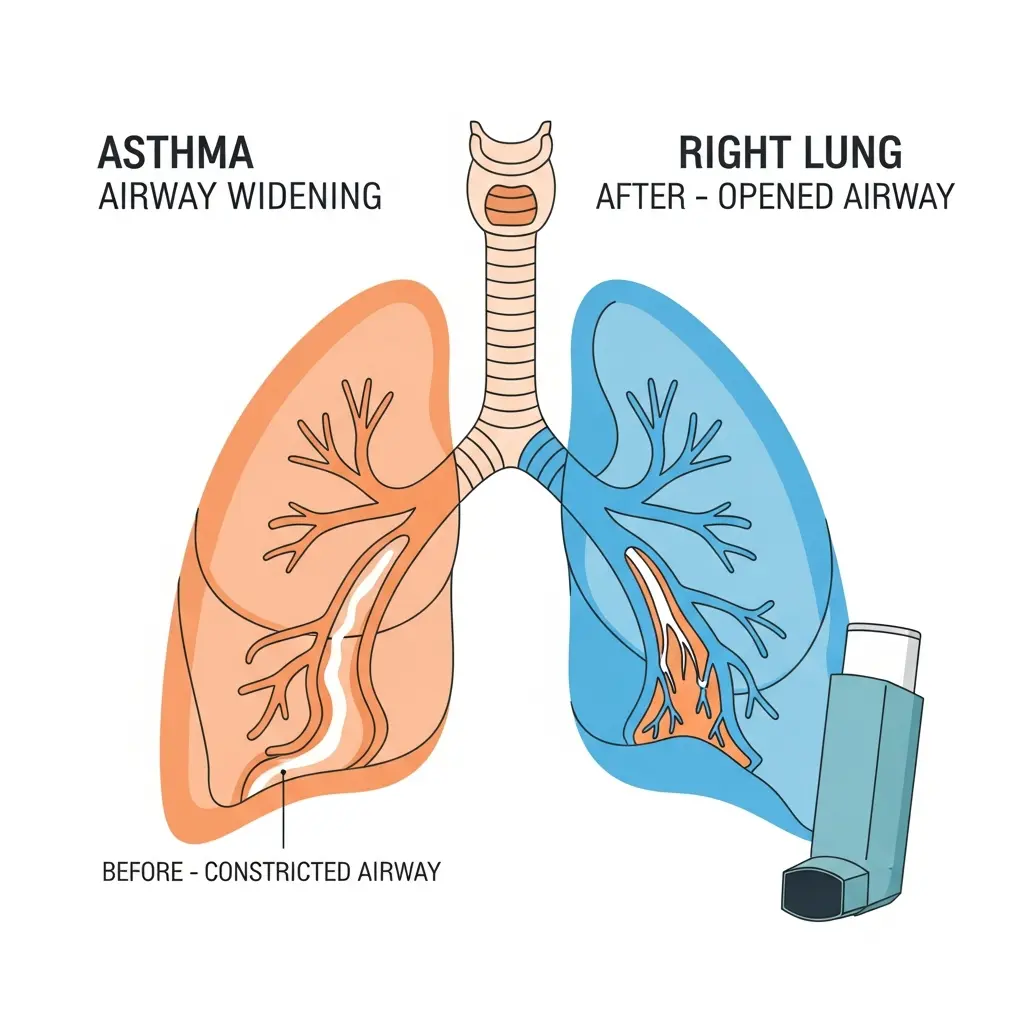
If you have asthma and you smoke, the two conditions are working directly against each other. Smoking inflames and narrows the airways that asthma already makes hyperreactive. It blunts the effectiveness of inhaled corticosteroids — the cornerstone of asthma treatment. It triggers more frequent attacks, harder-to-control symptoms, and more reliance on rescue inhalers. Quitting is not just good general health advice for you; it is among the most clinically significant interventions available for asthma recovery after quitting smoking.
The research on this topic is genuinely encouraging. Studies consistently show that asthma control improves meaningfully within weeks of cessation, with major improvements in lung function, symptom burden, and response to medication. But the timeline varies from person to person, and it is important to be realistic: smoking-related airway changes do not all reverse immediately, and some people with severe asthma or long smoking histories will need months to see the full benefit. This guide gives you the honest picture.
Why Smoking Makes Asthma Harder to Control
Asthma is a condition of airway hyperreactivity and inflammation. Smoking adds a second layer of airway inflammation on top of the existing asthmatic inflammation, creating a compounding effect that is more than the sum of its parts.
Specifically, smoking affects asthma through several mechanisms:
- Steroid insensitivity: This is one of the most clinically significant effects. Research published in the Journal of Allergy and Clinical Immunology shows that cigarette smoking causes glucocorticoid (steroid) insensitivity in airway cells. Inhaled corticosteroids — preventer inhalers — are significantly less effective in smokers with asthma than in non-smokers, meaning many smokers need higher doses to achieve the same control.
- Increased airway hyperreactivity: Smoking amplifies bronchial hyperresponsiveness, the tendency of airways to constrict in response to triggers. This means asthma attacks are more easily triggered and harder to abort.
- Mucus hypersecretion: Smoking causes goblet cell proliferation in the airway epithelium, increasing mucus production and further narrowing already reactive airways.
- Cilia damage: Paralysed cilia cannot clear mucus and allergens from the airways, leaving them sitting longer to trigger reactivity.
- Accelerated lung function decline: Asthmatics who smoke experience faster FEV1 decline than either non-smoking asthmatics or smoking non-asthmatics, according to the European Respiratory Journal.
The Six-Week Evidence: What Research Shows
The most specific evidence for asthma recovery timelines comes from a clinical study on the effects of smoking cessation on airflow obstruction and quality of life, published in PMC. The findings are striking:
- Mean FEV1 improvement was 356 mL at 1 week of abstinence
- This improved to 390 mL at 3 weeks
- And reached 450 mL at 6 weeks of abstinence
- Asthma control scores improved significantly at the 6-week mark
- Corticosteroid responsiveness was measurably restored after 6 weeks
These are substantial gains. A 450 mL FEV1 improvement in six weeks is clinically meaningful — enough to shift many patients from one severity category to another. The restoration of steroid responsiveness is perhaps even more important, as it means the preventer inhaler you are already using becomes substantially more effective.
A community-based programme evaluating smoking status and asthma control — published in PMC — found that asthmatic patients who quit smoking experienced significant improvements in quality of life, daytime symptoms, and bronchial hyper-reactivity, along with decreased reliance on rescue inhalers. These improvements were observed across a range of asthma severities.
Asthma Recovery Timeline After Quitting
| Time After Quitting | Expected Asthma-Related Changes | Evidence |
|---|---|---|
| Days 1–7 | Airway irritant load decreases; some people notice breathing slightly easier within days | Healthline / NHS |
| 1 week | FEV1 improvement of ~356 mL reported in asthmatic quitters; cilia beginning to recover | PMC 2946703 |
| 3 weeks | FEV1 improvement ~390 mL; airway inflammation beginning to reduce | PMC 2946703 |
| 6 weeks | FEV1 improvement ~450 mL; asthma control significantly improved; steroid responsiveness restored; fewer rescue inhaler uses | PMC 2946703 / JACI |
| 3–6 months | Continued reduction in airway hyperreactivity; symptom burden further reduces; quality of life improving | PMC community study / ERJ |
| 1 year+ | Asthma control levels approaching those of non-smoking asthmatics in many patients; ongoing reduction in attack frequency | PMC 3144846 / ERJ |
CDC: Benefits of Quitting Smoking
Coughing and shortness of breath decrease within 1–12 months. By 1–2 years, acute heart attack risk drops significantly. At 3–9 months, lung function improves noticeably — particularly relevant for smokers managing asthma. Comprehensive CDC timeline of health recovery milestones.
Inhaler Effectiveness and Steroid Responsiveness
One of the most underappreciated benefits of quitting for asthma patients is the recovery of response to preventer medication. Inhaled corticosteroids work by binding to glucocorticoid receptors in airway cells and suppressing the inflammatory cascade. In smokers, the cellular machinery that these steroids need to work is impaired by smoking-related oxidative stress and inflammation.
When you quit, this mechanism begins to recover. Research in young asthma patients published on PubMed found that smoking cessation led to improvements in airway inflammation markers and, importantly, to restored steroid responsiveness. This means that the preventer inhaler you were already taking may effectively become more powerful — without changing the dose.
Many ex-smoking asthma patients find that their asthma can be managed at a lower medication step after cessation. This should always be a conversation with your GP or asthma specialist — do not adjust your own medication — but it illustrates the scale of the benefit quitting can unlock.
Why Recovery Varies Between People
The research consistently shows benefit, but the pace and degree of recovery differ between individuals. Key factors include:
- Duration of smoking: People who have smoked for decades with chronic airway remodelling will recover more slowly than those who quit earlier.
- Asthma severity at baseline: Those with well-controlled asthma before quitting may see faster functional recovery; those with severe or poorly controlled asthma may have a longer recovery arc.
- Age at quitting: Younger ex-smokers generally see greater percentage gains in lung function.
- Atopy and triggers: If your asthma is also triggered by allergens (dust mites, pollen), removing smoking as a trigger does not eliminate all attacks. Managing ongoing allergen exposure remains important.
- Pre-existing airway remodelling: Long-term smoking causes structural changes in airway walls — thickening, fibrosis, goblet cell proliferation — that resolve only partially and slowly after cessation.
Quitting Strategies for People With Asthma
There are no cessation methods that are contra-indicated specifically because of asthma. Standard approaches — NRT (patches, gum, lozenges, inhalator), varenicline, and behavioural support — are all appropriate for people with asthma. The nicotine inhalator (a form of NRT) is sometimes preferred by asthmatic smokers who find oral routes less effective, though it should be used carefully if airways are acutely reactive.
A few practical considerations:
- If you experience an increase in wheeze in the first week or two of quitting — which some people do as recovering cilia clear debris — this is usually temporary and not a reason to restart smoking.
- Carry your rescue inhaler during the acute withdrawal phase when stress and anxiety are high — both can trigger asthma attacks independently.
- Tell your GP you are quitting. They may wish to review your asthma step-down plan as your control improves.
For a full guide to quitting strategies and what the evidence says about effectiveness, see our Quit Smoking Tips That Actually Work: The Evidence-Based Playbook (2026).
The Honest Limits: What Quitting Cannot Undo
Quitting smoking does not cure asthma. You will still have asthma after quitting — but you will have asthma that is much easier to control, responds better to medication, and causes fewer symptoms and emergency episodes. Some structural airway remodelling from years of combined smoking and asthmatic inflammation may be only partially reversible.
Quitting also does not protect you from non-smoking asthma triggers (allergens, cold air, exercise, viral infections). Managing these ongoing triggers alongside your cessation journey is important — your asthma nurse or GP can help you plan this.
iQuit Support During Your Quit
Quitting with a chronic respiratory condition can feel higher-stakes than quitting without one — and that can make it feel harder. The iQuit app provides personalised health recovery milestones tailored to your quit date, craving management tools to get through acute triggers, and evidence-based coaching available around the clock — including at the 3 a.m. moments when willpower is hardest to sustain.
For the broader picture of what is happening across all your body systems as you quit — not just your lungs — our What Happens When You Quit Smoking: Complete Health Recovery Guide and Lung Recovery After Quitting Smoking: The Complete Timeline are comprehensive resources.
Frequently Asked Questions
Does quitting smoking improve asthma?
Yes, significantly. Research shows measurable improvements in FEV1, asthma control scores, and corticosteroid responsiveness within 6 weeks of cessation. Asthmatic ex-smokers experience fewer attacks, less day-to-day symptom burden, and reduced reliance on rescue inhalers. The improvement continues over months and years as airway inflammation settles.
Can smoking cause asthma to get worse permanently?
Long-term heavy smoking alongside asthma can accelerate airway remodelling — structural changes in the airway walls — that are only partially reversible after cessation. However, the functional improvements in asthma control after quitting are still substantial. The longer you smoke with asthma, the more permanent structural change accumulates — which is why quitting earlier produces greater benefit.
Why does my asthma get worse when I try to quit smoking?
Some people experience a brief worsening of wheeze or cough in the first 1–2 weeks after quitting as recovering cilia begin clearing accumulated mucus and debris from the airways. This is usually temporary. Withdrawal-related stress and anxiety can also briefly heighten airway reactivity. Persist through this phase — the trajectory from week 3 onwards is consistently positive.
Is NRT safe to use with asthma?
Nicotine replacement therapy — including patches, gum, lozenges, and inhalators — is generally considered safe for people with asthma. The risks of continued smoking are far greater than any theoretical risk from NRT. Discuss your asthma status with your GP or pharmacist to select the formulation best suited to your individual situation.
Will I be able to reduce my asthma medication after quitting smoking?
Possibly. Many ex-smoking asthma patients find their asthma is controllable at a lower medication step after sustained cessation, as steroid responsiveness recovers and airway inflammation reduces. However, any changes to your asthma medication should only be made under the guidance of your GP or asthma specialist — do not adjust your own treatment plan.