Secondhand Smoke Dangers: Health Risks, Statistics, and How to Protect Your Family in 2026
There is no safe level of exposure to secondhand smoke. That sentence comes not from an advocacy group but from the U.S. Centers for Disease Control and Prevention, the U.S. Surgeon General, and the World Health Organization — all speaking in agreement. Secondhand smoke is a known human carcinogen. It causes heart disease, lung cancer, stroke, and sudden infant death syndrome. It is responsible for more than 41,000 deaths per year among non-smokers in the United States alone, and it exposes 2.5 billion people globally to serious health hazards every day.
If you smoke around people you love — children, a partner, parents, friends — this article is directly relevant to them. Understanding the full scope of secondhand smoke dangers is one of the most powerful motivators for quitting, because it transforms the decision from personal to collective. You’re not just protecting yourself. You’re protecting everyone who breathes the same air.
What Is Secondhand Smoke?
Secondhand smoke — also called environmental tobacco smoke or passive smoke — is the combination of two types of smoke emitted from burning tobacco products:
- Sidestream smoke: Smoke emitted directly from the burning end of a cigarette, cigar, or pipe. This makes up about 85% of secondhand smoke and is actually more toxic per unit than mainstream smoke because it burns at lower temperatures, producing more incomplete combustion products.
- Mainstream smoke: Smoke exhaled by the smoker. This makes up the remaining 15% and has been partially filtered through the smoker’s lungs and airway.
The mixture disperses into the surrounding air and is inhaled by anyone nearby. It does not dilute to a safe level in normally ventilated indoor spaces. Even brief exposure — a car ride, a few minutes in a restaurant smoking section, or sitting near a smoker at an outdoor venue — delivers measurable concentrations of carcinogens to bystanders.
7,000 Chemicals: What’s Actually in Secondhand Smoke
Secondhand smoke contains more than 7,000 chemical compounds. The CDC and NIH have characterized this mixture in detail:
- At least 70 carcinogens including benzene, formaldehyde, arsenic, beryllium, chromium, and polycyclic aromatic hydrocarbons
- Irritants: Acrolein, acetaldehyde, ammonia — compounds that damage the mucosal lining of airways on contact
- Cardiovascular toxins: Carbon monoxide (binds hemoglobin, reducing oxygen delivery) and acrolein (damages arterial walls and accelerates atherosclerosis)
- Reproductive toxins: Cadmium, lead, and nicotine — all cross the placental barrier and affect fetal development
- Neurotoxins: Hydrogen cyanide and carbon monoxide — impair brain oxygenation and development in infants and children
Critically, many of these chemicals are present at higher concentrations in sidestream smoke than in the smoke the smoker inhales through the filter. The filter protects the smoker — slightly. It does nothing for the bystander.
Health Risks for Adults
Lung Cancer
Non-smokers exposed to secondhand smoke face a 20–30% increased risk of developing lung cancer. The CDC estimates that secondhand smoke causes over 7,300 lung cancer deaths per year among U.S. non-smokers — a disease they never chose to risk. The mechanism is identical to first-hand smoke exposure: carcinogens deposit directly on airway epithelium, causing DNA adducts and mutations that can eventually lead to malignant transformation.
Heart Disease
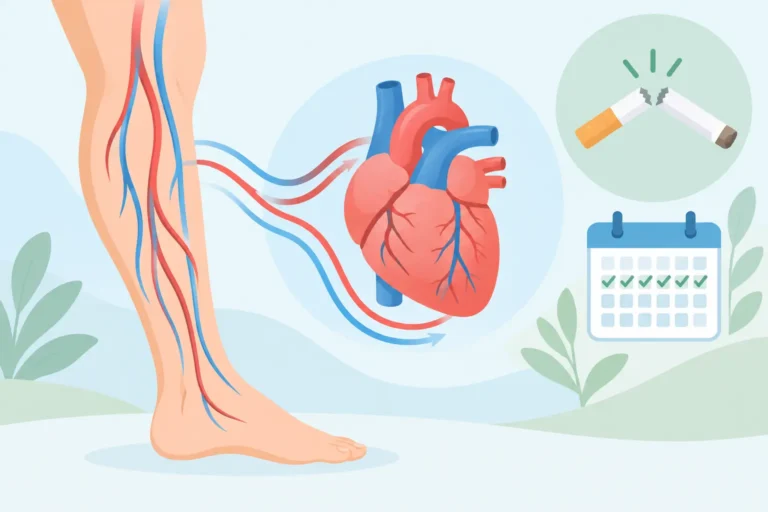
Cardiovascular harm from secondhand smoke is disproportionate to the exposure level. Even brief inhalation triggers endothelial dysfunction, reduces nitric oxide availability, increases platelet aggregation, and promotes arterial inflammation. The net result: non-smokers regularly exposed to secondhand smoke have a 25–30% higher risk of coronary heart disease. Approximately 34,000 non-smokers die from secondhand smoke-related heart disease annually in the U.S.
Stroke
Secondhand smoke exposure increases non-smokers’ stroke risk by 20–30%, via the same vascular mechanisms. Carbon monoxide reduces oxygen delivery to brain tissue, while pro-inflammatory and pro-thrombotic compounds increase the probability of thrombus formation or arterial rupture.
Respiratory Disease
Adults with asthma experience increased frequency and severity of attacks with secondhand smoke exposure. Non-asthmatic adults develop measurable reductions in lung function with chronic workplace or home exposure. Lower respiratory tract infections, including bronchitis and pneumonia, are more common in adults who are regularly exposed.
Cancer Beyond the Lungs
The carcinogens in secondhand smoke circulate systemically. Evidence links secondhand smoke exposure to increased risks of nasal sinus cancer, nasopharyngeal cancer, and possibly bladder and breast cancer, though the lung cancer and cardiovascular links remain the strongest documented effects.
For smokers who have already damaged their own lungs, understanding whether lungs can heal after years of smoking is an important related question — and the answer is a cautious yes, but the process requires complete cessation.
Health Risks for Children and Infants
Children are the most vulnerable victims of secondhand smoke. Their lungs are still developing, their immune systems are immature, and they breathe faster than adults — inhaling proportionally more pollutants per unit of body weight. They also cannot choose to leave a smoke-filled environment.
Sudden Infant Death Syndrome (SIDS)
Infants exposed to secondhand smoke after birth are at significantly increased risk of SIDS — sudden, unexplained infant death. The biological mechanism likely involves nicotine’s effect on the brainstem arousal response, which controls breathing regulation during sleep. This is one of the most serious and irreversible harms from secondhand smoke exposure.
Respiratory Infections
Children of smokers have substantially higher rates of bronchitis, pneumonia, and ear infections (otitis media). Secondhand smoke paralyzes the cilia — hair-like structures that sweep pathogens out of the airway — creating a more hospitable environment for bacterial and viral infections to establish and persist.
Asthma
Secondhand smoke is a leading cause of new asthma in children who would not otherwise develop the condition, and it dramatically worsens asthma control in children who already have it. Exposed children experience more frequent attacks, more emergency department visits, and greater dependence on rescue medication.
Developmental Effects
Children exposed to secondhand smoke show measurable deficits in lung function that may be permanent. Some research links prenatal and early postnatal secondhand smoke exposure to cognitive and behavioral differences, including attention deficits.
If protecting your family is your primary motivation for quitting, reading about the evidence-based health benefits of quitting puts the full picture together — the benefits accumulate for everyone in your household, not just you.
Secondhand Smoke During Pregnancy
Women exposed to secondhand smoke during pregnancy face elevated risks of:
- Low birth weight: Nicotine constricts placental blood vessels, reducing nutrient and oxygen delivery to the fetus
- Preterm birth: Pro-inflammatory compounds from secondhand smoke are associated with premature labor
- Placental abnormalities: Including placenta previa and placental abruption
- Stillbirth: Elevated risk with regular exposure throughout pregnancy
- SIDS in the infant (both in utero and postnatal exposure carry independent risk)
Partners who smoke near pregnant women — even outside the home but then returning into shared spaces — expose the fetus via thirdhand smoke residue (see below). True protection during pregnancy requires complete household smoke-free status.
Thirdhand Smoke: The Invisible Residue
Thirdhand smoke is the toxic residue that secondhand smoke deposits on surfaces, furniture, clothing, carpets, and walls — and which continues to release carcinogens long after the cigarette has been extinguished. It is a particularly serious threat in homes and cars where children live or travel.
Key facts about thirdhand smoke:
- Nicotine residue on surfaces reacts with indoor nitrous acid to form nitrosamines — potent carcinogens
- Carcinogens from thirdhand smoke are absorbed through skin contact (important for crawling infants) and through dust inhalation
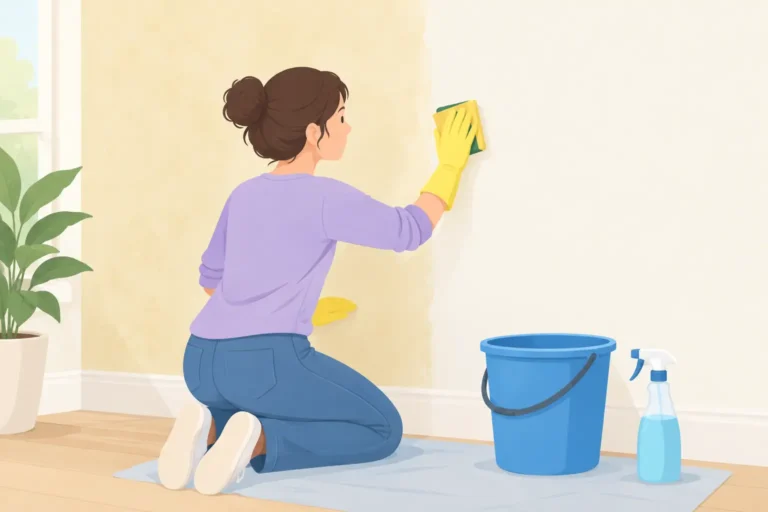
- Thirdhand smoke cannot be eliminated by ventilation — it requires deep cleaning, repainting, and in serious cases, replacing upholstery and carpets
- A car in which someone has smoked can expose occupants to dangerous chemical levels even years later
This means that smoking outside does not fully protect your children if they subsequently enter, play in, or touch areas where the smoker has been. Complete cessation is the only reliable protection.
Key Statistics and Scale of the Problem
- 41,000+ non-smoker deaths per year from secondhand smoke
- 34,000 heart disease deaths per year among non-smokers
- 7,300 lung cancer deaths per year among non-smokers
- 7,000+ chemicals in secondhand smoke; 70 are known carcinogens
- 2.5 million non-smokers have died from secondhand smoke-related conditions since 1964
- 20–30% increased lung cancer risk for regularly exposed non-smokers
- 25–30% increased coronary heart disease risk
- Black adults in the U.S. experience secondhand smoke exposure at more than twice the rate of white adults
Sources: CDC Health Problems Caused by Secondhand Smoke; American Lung Association Health Effects of Secondhand Smoke; American Cancer Society Secondhand Smoke Health Risks.
How to Protect Your Family
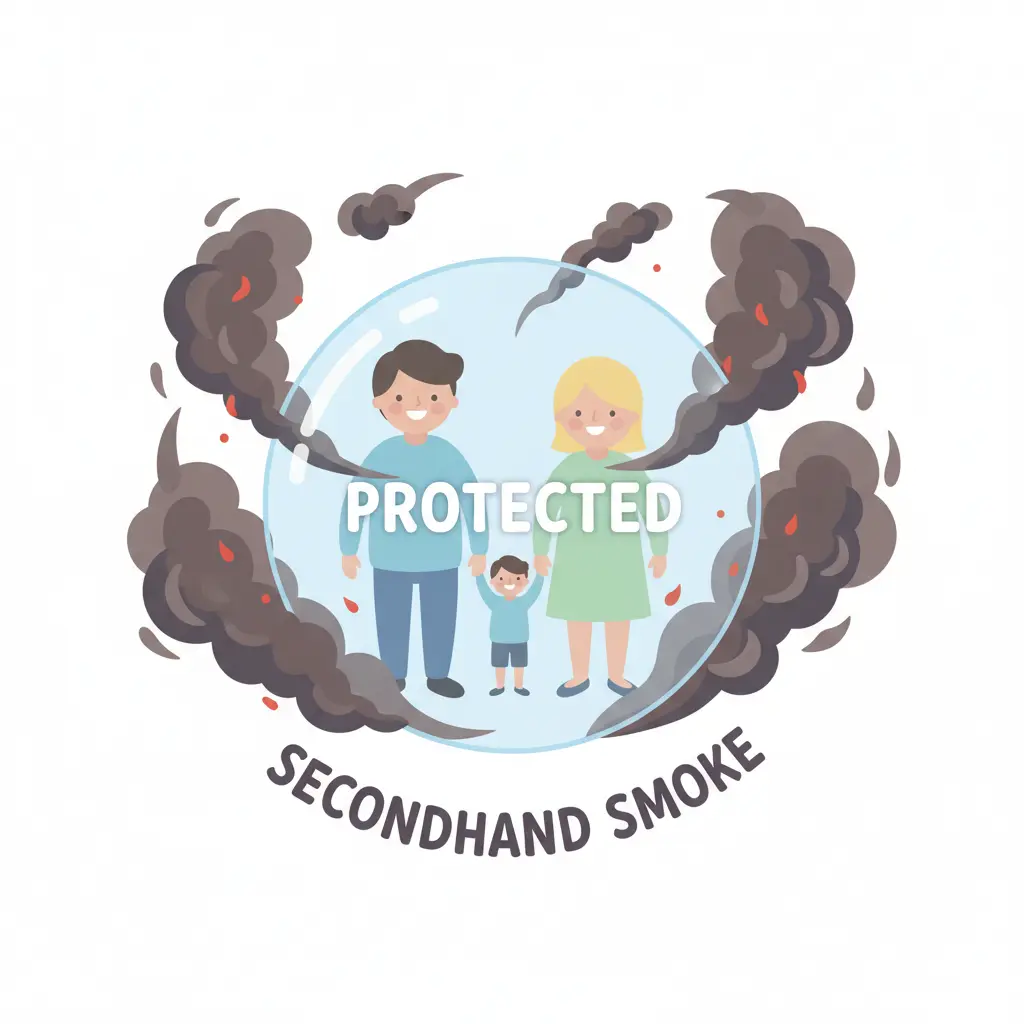
The evidence leaves no room for compromise: the only effective protection from secondhand smoke is eliminating it entirely from shared environments. Cracking a window, smoking in a separate room, or using air fresheners are not protective measures — they reduce but do not eliminate exposure, and they do nothing about thirdhand smoke.
At Home
- Make your home 100% smoke-free. No exceptions for “just the kitchen” or “when the kids are asleep.”
- If you’re not ready to quit, smoke only outside, away from open windows and doors — and change your outer layer before re-entering.
- Ask guests not to smoke inside or directly outside open windows.
- Deep clean regularly if there was prior smoking in the home.
In the Car
- Never smoke in a car with others present, including with open windows. Pollutant levels in a car with a window cracked remain many times higher than outdoor standards.
- Many U.S. states now prohibit smoking in cars with minors — penalties are increasing.
For Your Own Children
- Be explicit with relatives, grandparents, and childcare providers about your smoke-free rule.
- Ensure school and childcare environments are smoke-free.
- For infants specifically: ensure no one who smokes holds, kisses, or is physically close to the baby without changing clothes first.
Ultimately, the most protective action you can take for your family is to quit smoking completely. Not reducing — quitting. The best quit smoking apps of 2026 give you the tools, structure, and daily support to make that possible. And if the weight of responsibility for your family’s health is your primary motivation, the 30-day motivation playbook helps you channel that motivation through the hardest early weeks.
Seeing the Evidence on Film
TED-Ed’s explanation of how cigarettes affect the body gives a clear visual account of what each cigarette does to a smoker — and by extension, to everyone who breathes the smoke.
Frequently Asked Questions
How dangerous is secondhand smoke compared to smoking directly?
Secondhand smoke is extremely dangerous even though it is diluted by ambient air. Non-smokers exposed to secondhand smoke face a 20–30% increased risk of lung cancer and a 25–30% increased risk of heart disease — conditions the smoker themselves is at far higher risk of developing, but risks that are still significant for non-smokers. Sidestream smoke (from the burning end) is actually more toxic per unit volume than mainstream smoke because it burns at lower temperatures.
Is secondhand smoke dangerous outdoors?
Yes. Studies show that secondhand smoke concentrations at outdoor smoking locations — park benches, restaurant patios, building entrances — can reach levels comparable to indoor environments. Brief exposure outdoor is less dangerous than sustained indoor exposure, but there is no threshold below which secondhand smoke is completely safe. The WHO recommends comprehensive smoke-free policies to minimize any exposure.
Does smoking outside protect children from secondhand smoke?
Smoking outside reduces but does not eliminate children’s exposure. Smoke residue on clothing, hair, and skin (thirdhand smoke) is transferred to children through contact. Smoke can also drift back indoors through open windows and doors. For maximum protection, quitting is the only reliable solution. If you continue smoking, change your outer clothing before interacting with children and smoke as far from entry points as possible.
Can secondhand smoke cause cancer in children?
There is evidence linking childhood secondhand smoke exposure to increased cancer risks, including leukemia and brain tumors, though the evidence is less conclusive than for adult lung cancer and heart disease. The more clearly documented harms in children are SIDS, asthma, respiratory infections, and impaired lung development — all serious and all preventable by eliminating secondhand smoke exposure.
How many people die from secondhand smoke each year?
In the United States, secondhand smoke causes more than 41,000 deaths per year among non-smokers — approximately 34,000 from heart disease and over 7,300 from lung cancer. Globally, the WHO estimates that secondhand smoke causes approximately 1.2 million deaths per year among non-smokers. Since 1964, an estimated 2.5 million U.S. non-smokers have died from secondhand smoke exposure.
What is thirdhand smoke and how dangerous is it?
Thirdhand smoke is the chemical residue that settles on surfaces, fabrics, walls, and objects after secondhand smoke dissipates. These residues continue to release and react with indoor air pollutants to form new carcinogens — including highly potent nitrosamines — long after smoking has stopped. Children are particularly vulnerable because they touch contaminated surfaces and put hands in their mouths. There is no safe level of thirdhand smoke exposure, and removal requires deep cleaning or replacement of contaminated materials.
Protect Your Family. Quit Today.
The best thing you can do for your family’s health is to stop smoking completely. The iQuit app guides you through every step — from setting your quit date to managing cravings and tracking your health recovery.