The UK Disposable Vape Ban Explained: What Smokers and Vapers Need to Know in 2026
On 1 June 2025, the UK became one of the first countries in the world to ban single-use disposable vapes outright. If you have walked past your local corner shop lately and noticed the familiar rows of brightly coloured Elf Bars and Lost Marys gone from the counter, that is why. The UK disposable vape ban 2026 landscape is actually a two-stage story: the June 2025 sale ban followed by a brand-new Vaping Products Duty landing on 1 October 2026. Whether you are a long-term smoker thinking about switching to vaping, a vaper wondering what is still legal to buy, or someone trying to quit nicotine entirely, this guide explains every change clearly — and what it means for you.
These regulatory shifts are significant. The disposables ban was driven by a combination of environmental damage and child protection concerns, while the incoming vape duty will raise e-liquid prices noticeably. Understanding the rules helps you make informed choices about your nicotine use and your quit journey in 2026.
What Exactly Was Banned on 1 June 2025?
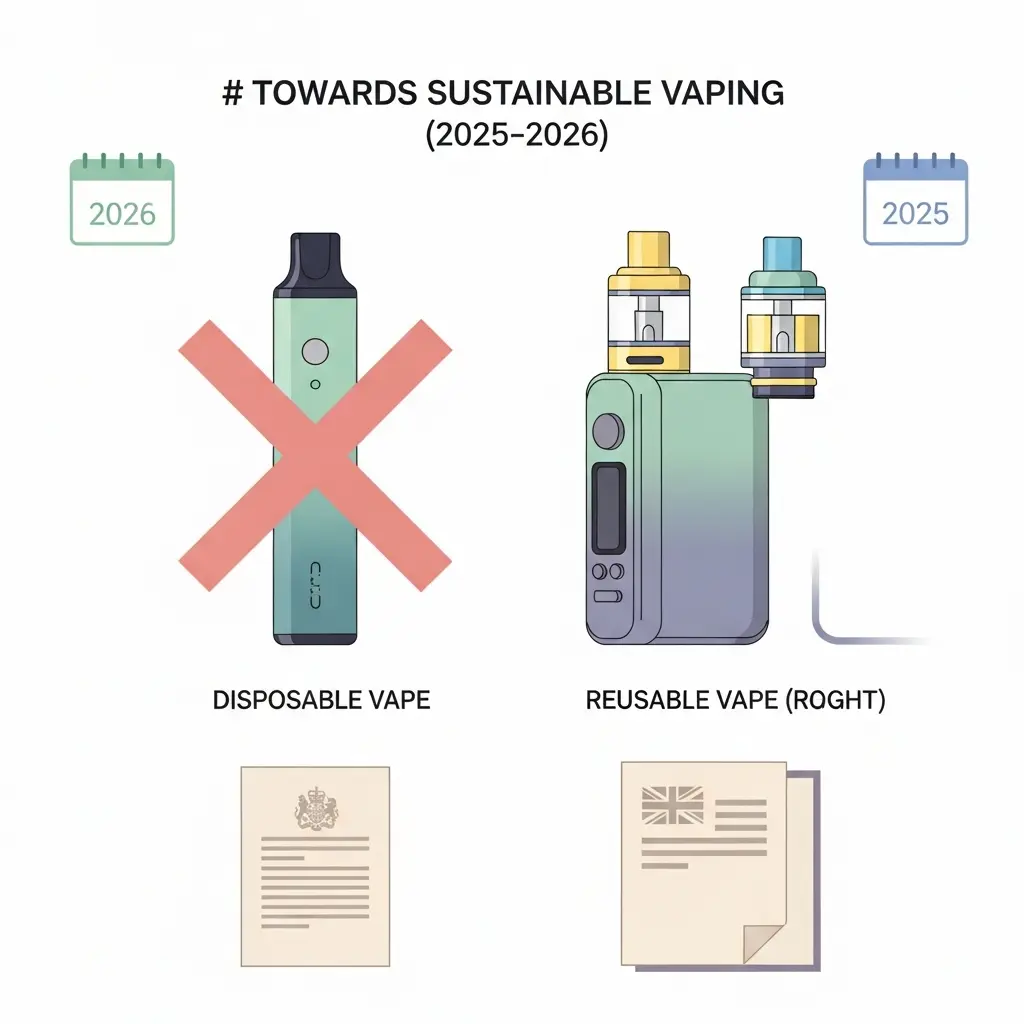
The UK Government’s single-use vape ban prohibits the sale or supply of any vape device that is not refillable and uses a battery that cannot be recharged. The ban covers nicotine and non-nicotine vapes alike, applies to every retail channel including online sellers, and extends to healthcare services. It came into force simultaneously in England, Scotland, Wales, and Northern Ireland — making it a UK-wide measure.
Businesses that had existing stock of disposable vapes were required to sell through that stock before 1 June 2025. Any retailer found selling single-use vapes after the deadline faces civil sanctions and criminal penalties. Local trading standards officers are responsible for enforcement.
What counts as a “single-use” vape?
A vape is classed as single-use if it meets either of these criteria: the battery cannot be externally recharged (no USB port or charging dock), or the e-liquid chamber cannot be refilled by the user. Many of the most popular disposable brands — Elf Bar, Lost Mary, Crystal Bar, Randm Tornado — fell into this category and are now off shelves entirely.
Penalties for retailers
Trading standards offices can issue civil monetary penalties and refer egregious cases for criminal prosecution. This is consistent with how other tobacco-product offences are treated in UK law, signalling that the government views disposable vape regulation as a serious public health and environmental matter.
Why Did the UK Ban Disposable Vapes?
The ban was motivated by two distinct but reinforcing concerns:
1. Environmental damage
According to ASH UK, nearly five million disposable vapes were being littered or discarded in the UK every week — a fourfold increase from the previous year. Each disposable contains a small lithium battery and electronic components that are classified as electronic waste. When landfilled, these batteries can leach toxic metals into soil and groundwater, and when incinerated, they release harmful gases. The scale of the problem made action unavoidable from an environmental standpoint.
2. Child and youth protection
Disposable vapes were disproportionately popular among young people. Government data cited by local councils implementing the ban showed that over half of children who used vapes reported that disposable models were their product of choice. The attractive flavours, low price points, and pocket-friendly formats of disposables were seen as deliberately appealing to under-18s. The ban removes the product format most associated with youth uptake, even as it preserves adult access to refillable vaping for harm-reduction purposes.
ASH UK: Disposable vape use falls sharply in year one of the ban
Youth disposable use fell from 42% to 13% within the first year; adult use fell from 24% to 8%. Full data from ASH (Action on Smoking and Health), 2026.
What Vaping Products Are Still Legal in 2026?
The ban on disposables does not mean the end of vaping in the UK. A wide range of products remain fully legal:
- Rechargeable pod systems: Devices like the SMOK Nord, Vaporesso XROS, and similar pod kits that use pre-filled or refillable pods are fully legal, provided the battery is externally rechargeable.
- Open-system tank devices: Traditional “box mods” and pen-style devices with refillable tanks are unaffected.
- Prefilled pod vapes with rechargeable batteries: Products like certain Vuse and RELX devices that use pre-filled pods but have a rechargeable battery remain legal — they just must be rechargeable.
- E-liquid (bottled): Bottled e-liquid remains fully available; it just needs to carry a vaping duty stamp from October 2026 onwards.
The key test is simple: if you can plug it in to charge the battery AND refill or replace the pod/cartridge, it is legal to sell in 2026.
The October 2026 Vaping Products Duty: What to Expect
The disposables ban is only the first chapter. From 1 October 2026, the UK Government will introduce a Vaping Products Duty (VPD) of £2.20 per 10 ml of vaping liquid, regardless of nicotine strength. This is an entirely new excise duty — vaping has never previously been subject to duty in the UK.
What will it cost in practice?
A standard 10 ml bottle of e-liquid will attract £2.20 in duty on top of its retail price. A 100 ml shortfill bottle will attract £22.00 in duty. For context, a typical vaper using around 30 ml per week could see their annual duty bill amount to roughly £340, which will be reflected in retail prices. Vaping will remain significantly cheaper than smoking — a 20-a-day smoker in the UK typically spends around £4,000 per year on cigarettes — but the price gap narrows.
Duty stamps
From 1 October 2026, every bottle of e-liquid and every pre-filled pod product sold in the UK must carry a physical vaping duty stamp on its retail packaging — directly comparable to the tax stamps on tobacco products. This means you can verify the duty has been paid on any product you buy.
Registration requirement
Businesses producing or importing vaping products are required to register with HMRC before October 2026. HMRC opened registrations on 1 April 2026.
What This Means If You Smoke and Are Thinking About Vaping
If you currently smoke and are weighing up whether to switch to vaping as a step towards quitting, the regulatory changes do not alter the underlying health evidence. The NHS and Public Health England have consistently stated that vaping is substantially less harmful than smoking, but not harmless. That position holds in 2026.
What the ban and duty do change is the product landscape:
- The easy, low-commitment entry point of a disposable stick is gone. You now need to invest in a rechargeable device from the outset.
- From October 2026, vaping will become modestly more expensive, though still far cheaper than a cigarette habit.
- The regulation of vaping is tightening, which may reassure you about product safety standards compared to the earlier “wild west” era of unregulated disposables.
Our guide to switching from smoking to vaping and then quitting altogether walks through the clinical evidence on vaping as a cessation pathway, including what the 2026 research says about dual-use and complete cessation rates.
Using These Changes as a Springboard to Quit Nicotine Entirely
For many people, the disposable ban and rising vaping costs may be exactly the nudge they need to consider quitting nicotine entirely. If you have been relying on disposable vapes and are now without your usual product, this is a real opportunity. These product-level changes are also happening alongside a much bigger shift in policy — see our breakdown of the generational smoking ban and vape bill 2026 for how the rules are set to tighten further for anyone born after a certain date.
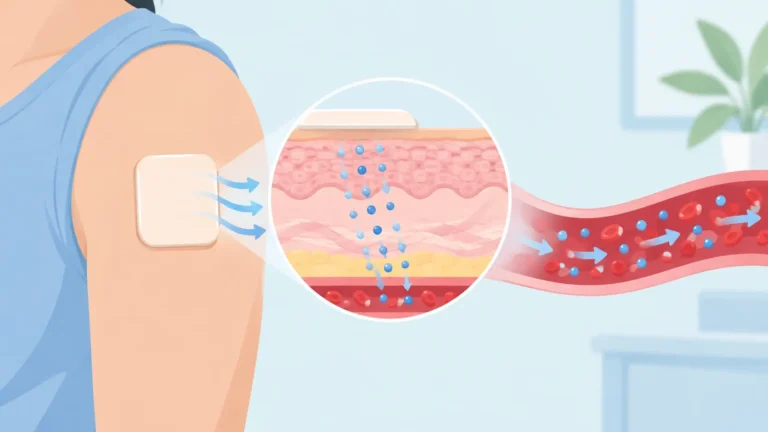
The most effective cessation routes remain combination NRT (nicotine patches plus a faster-acting form like gum or spray), varenicline (Champix/Chantix), and behavioural support. Reading our complete guide to nicotine replacement therapy options in 2026 is a strong starting point. If you want the full picture of what your body does in the hours, days, and months after your last cigarette, the complete health recovery guide is deeply encouraging reading.
You have already navigated a significant regulatory disruption. That takes resilience. Apps like iQuit can track your savings in real time, map your health milestones, and provide craving support around the clock — turning the financial argument for quitting into something you can see and feel every day.
Frequently Asked Questions
Can I still buy disposable vapes in the UK in 2026?
No. It has been illegal to sell single-use disposable vapes in England, Scotland, Wales, and Northern Ireland since 1 June 2025. Any retailer selling them is breaking the law. You can still buy rechargeable, refillable devices.
Is vaping still recommended as a way to quit smoking?
Yes. The NHS continues to recommend switching to a licensed vaping product as a harm-reduction route for smokers who struggle with other cessation methods. Vaping is substantially less harmful than smoking, though not harmless. Rechargeable devices are still widely available.
How much will vaping cost after the October 2026 duty?
A new Vaping Products Duty of £2.20 per 10 ml of e-liquid takes effect from 1 October 2026. A standard 10 ml bottle will attract £2.20 in duty; a 100 ml shortfill will attract £22.00. Vaping will remain significantly cheaper than smoking, but prices will rise noticeably.
Does the disposable vape ban apply to all of the UK?
Yes. The ban applies in England, Scotland, Wales, and Northern Ireland. It is a UK-wide measure that came into force on 1 June 2025.
What should I do if I used disposable vapes and now want to quit nicotine?
The ban is an ideal moment to reassess your nicotine use. Options include switching to a rechargeable vape with a plan to step down nicotine strength over time, using licensed NRT products (patches, gum, spray), or accessing NHS Stop Smoking Services for free combination support. The iQuit app can help you track progress and manage cravings 24/7.
Will the vape duty stamp affect me as a consumer?
From 1 October 2026, every e-liquid bottle and pre-filled pod sold in the UK must carry a physical duty stamp. As a consumer you do not need to do anything — the stamp tells you the duty has been paid. Products without stamps should not be purchased as they are likely untaxed imports.