
A cigarette counter app gives you a running tally of what you smoke, which makes it one of the most practical tools for anyone cutting down before quitting. This guide explains what counting can and cannot do, what to record beyond the number, how to set daily targets that actually fall, what the research says about cutting down versus quitting abruptly, and when to turn a falling count into a real quit date. It also covers paper, apps and smart lighters, and what to look for before you download anything.
Why Counting Helps
Most people who smoke underestimate how much they smoke, because a lot of cigarettes are lit on autopilot: with the first coffee, on a break, in the car. A count turns that blur into a number, and a number is something you can lower. It also gives you a starting line, so progress is visible rather than a feeling.
We could not find a trial that tests counting on its own, so we will not claim that it works by itself. What we can say comes from two directions. First, smokefree.gov notes that knowing your triggers and having strategies for them “can help you control cravings and make it less likely that you will smoke” (Smokefree.gov, Know Your Smoking Triggers). A running record is how you find those triggers in the first place. Second, the cut-down evidence reviewed below shows that gradual reduction is a legitimate route to quitting, and a count is how you steer it.
What to Record With Each Cigarette
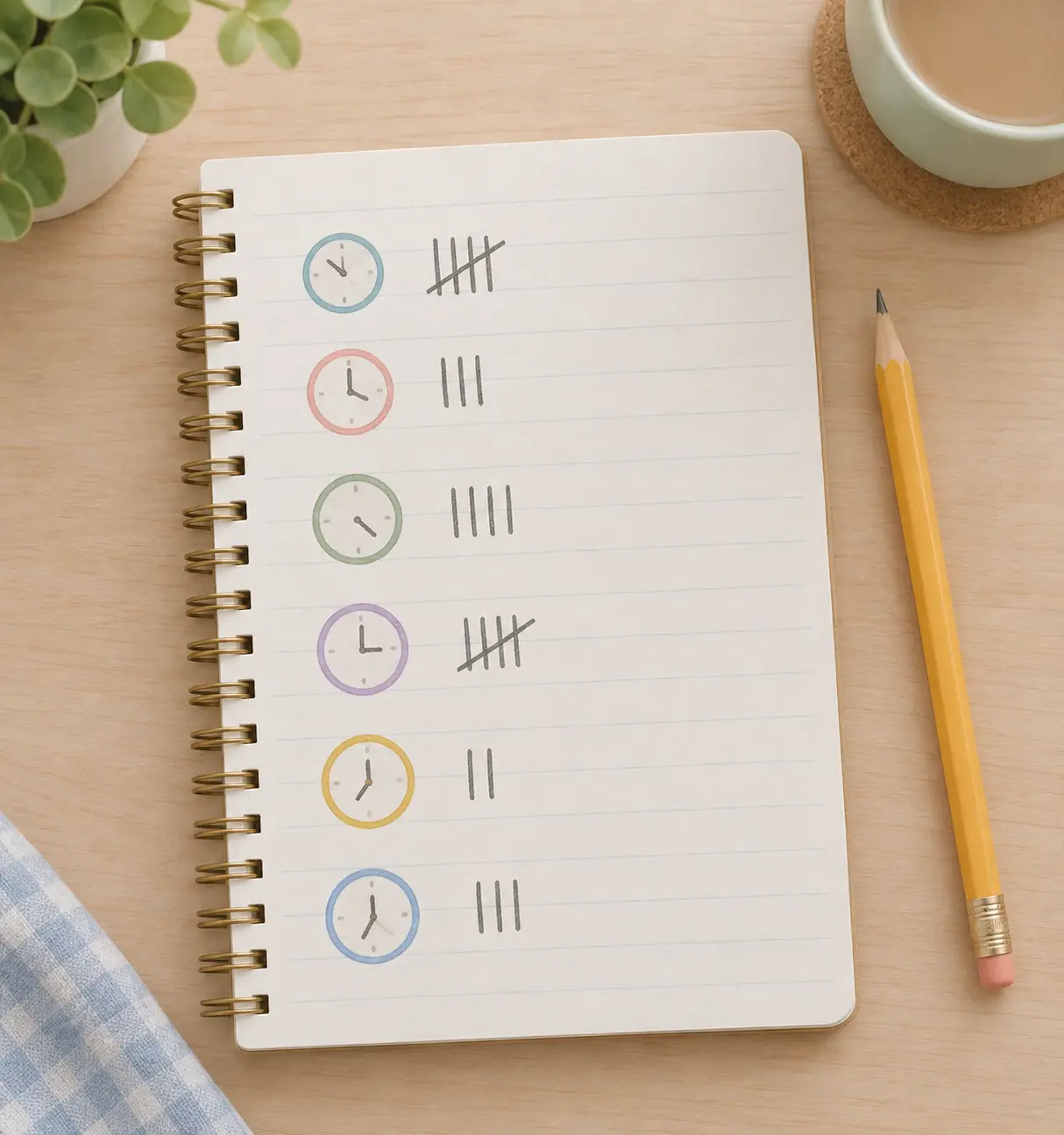
The number alone is the least useful part of the record. For each cigarette, a good counter or notebook captures three things:
- The time. Clusters show up fast: the first hour awake, mid-afternoon, after dinner.
- The trigger. Smokefree.gov groups triggers into emotional ones (such as stress, boredom or loneliness), pattern ones (such as waking up, drinking coffee, driving or after a meal) and social ones (such as being with friends who smoke).
- How strong the urge was. A craving you could have skipped is a different target from one that felt unbearable.
After about a week, sort the entries. The cigarettes with a weak urge and a pattern trigger are the easiest to drop first. The ones tied to strong emotions or to people are the hard core, and they are the ones to plan for. Our guide on tracking your smoking the week before you quit walks through that first week in more detail.
Daily Targets That Actually Drop
Pick your target from your own baseline, not from a generic plan. Count normally for a week without trying to cut, then use the average as your starting number. The schedule below is an illustration of one way to step down, not a prescribed protocol; the research reviewed in the next section did not find that any particular schedule beat the others.
| Week | Daily target | What to do |
|---|---|---|
| 1 | 20 (baseline) | Count only; record time, trigger, urge strength |
| 2 | 17 | Drop the weakest-urge cigarettes first |
| 3 | 14 | Swap one pattern trigger (for example, change when you drink coffee) |
| 4 | 11 | Plan for the emotional and social triggers that remain |
| 5 | 8 | Choose your quit date, within the next two weeks |
| 6 | 5, then 0 | Quit date arrives; stop counting down, start counting days |
If a week stalls, hold the target instead of forcing it. A flat week still teaches you which triggers are hardest. If you want an hour-by-hour method for the heavy, back-to-back smoking pattern, see our hourly step-down plan for chain smoking. To see where your starting number sits, average cigarettes per day statistics gives national context, though your own number is the one that matters.
What the Research Says About Cutting Down
The most useful evidence comes from a Cochrane review of “reduction-to-quit” interventions, in which people were advised to cut down before quitting altogether. It identified “51 trials with 22,509 participants,” who typically smoked an average of 23 cigarettes a day. When reduction-to-quit was compared with abrupt quitting, the authors found “evidence that neither approach resulted in superior quit rates (RR 1.01, 95% CI 0.87 to 1.17; 22 studies, 9219 participants),” a result they judged to be of moderate certainty. Their conclusion: “There is moderate-certainty evidence that neither reduction-to-quit nor abrupt quitting interventions result in superior long-term quit rates when compared with one another” (Cochrane Database of Systematic Reviews, 2019, Smoking reduction interventions for smoking cessation).
Three practical points follow from that review:
- Cutting down is not a worse way to quit. If abrupt quitting feels impossible, a planned reduction ending in a quit date has comparable results in the trials reviewed.
- It still has to end in quitting. The review’s trials all had cessation as the goal; excluded were trials where “the goal of reduction was not to quit altogether.” Cutting down indefinitely is a different thing, and one this evidence does not support.
- Support and medicines may help. The authors found some evidence that behavioral support for reduction-to-quit gave higher quit rates than self-help resources alone, and “low-certainty evidence to suggest that reduction-to-quit interventions may be more effective when pharmacotherapy is used as an aid, particularly fast-acting NRT or varenicline.” Talk to a pharmacist or your doctor about what suits you.
Counter Apps vs Paper vs a Smart Lighter
| Method | Strength | Weakness |
|---|---|---|
| Paper tally or notes | Free; the act of writing adds a pause | Easy to forget; no totals or charts |
| Phone app | Always with you; totals, savings and trends built in | Depends on you entering each one |
| Smart lighter | Counts automatically when you light up | Costs money; only counts what you light with it |
Pick the one you will actually use. If you smoke at your desk, an app is fine. If you are out most of the day, a pocket notebook may beat a phone you do not want to unlock in front of people. For how apps that track a quit date work, read our guide to quit smoking tracker apps.

Mistakes That Make a Count Useless
A tally is only as good as its honesty and its habit. These are the errors that most often undermine it:
- Counting after the fact. Logging at the end of the day from memory lowers the number, because forgotten cigarettes vanish. Record each one as it happens, or at least within the hour.
- Cutting before you have a baseline. If you skip the first counting-only week, you do not know what you are cutting from, and a bad day can look like progress.
- Treating the number as a grade. A high day is data about a trigger, not a verdict on you. Shame is a trigger of its own for many people, so keep the tone neutral.
- Making each cigarette count for more. Smoking each cigarette down to the filter or inhaling more deeply may quietly reduce the benefit of a lower count. If you notice it, say so in your notes and aim for the same ease you had before.
- Counting forever. The count exists to end itself. If your target has sat at the same level for weeks, that is the moment to choose a date and move on to day-counting.
When one cigarette each day is the one you dread losing, name it. Many people find that a single anchor cigarette, often tied to a pattern trigger such as the first coffee or the end of a meal, is the last to go. Planning a replacement for that exact moment, using the replacement ideas smokefree.gov lists such as gum, a walk or a change of routine, is usually more effective than hoping willpower will cover it.
From Cutting Down to a Quit Date
The counter is a bridge, so decide where it lands. Smokefree.gov’s quit-plan tool advises: “Pick a day in the next two weeks. This will give you enough time to prepare. Pick a date that isn’t already likely to be a stressful one” (Smokefree.gov, Build Your Quit Plan). A practical rule is to set the date when you reach a number that feels manageable, such as half your starting count, and to put it on the calendar the same day.
When the date arrives, change what you count. Stop tallying cigarettes and start counting days, craving moments you got through and money not spent. If you slip, log it honestly and note what triggered it; a slip is information about your hardest trigger, not proof that the plan failed.
How iQuit Handles Gradual Reduction
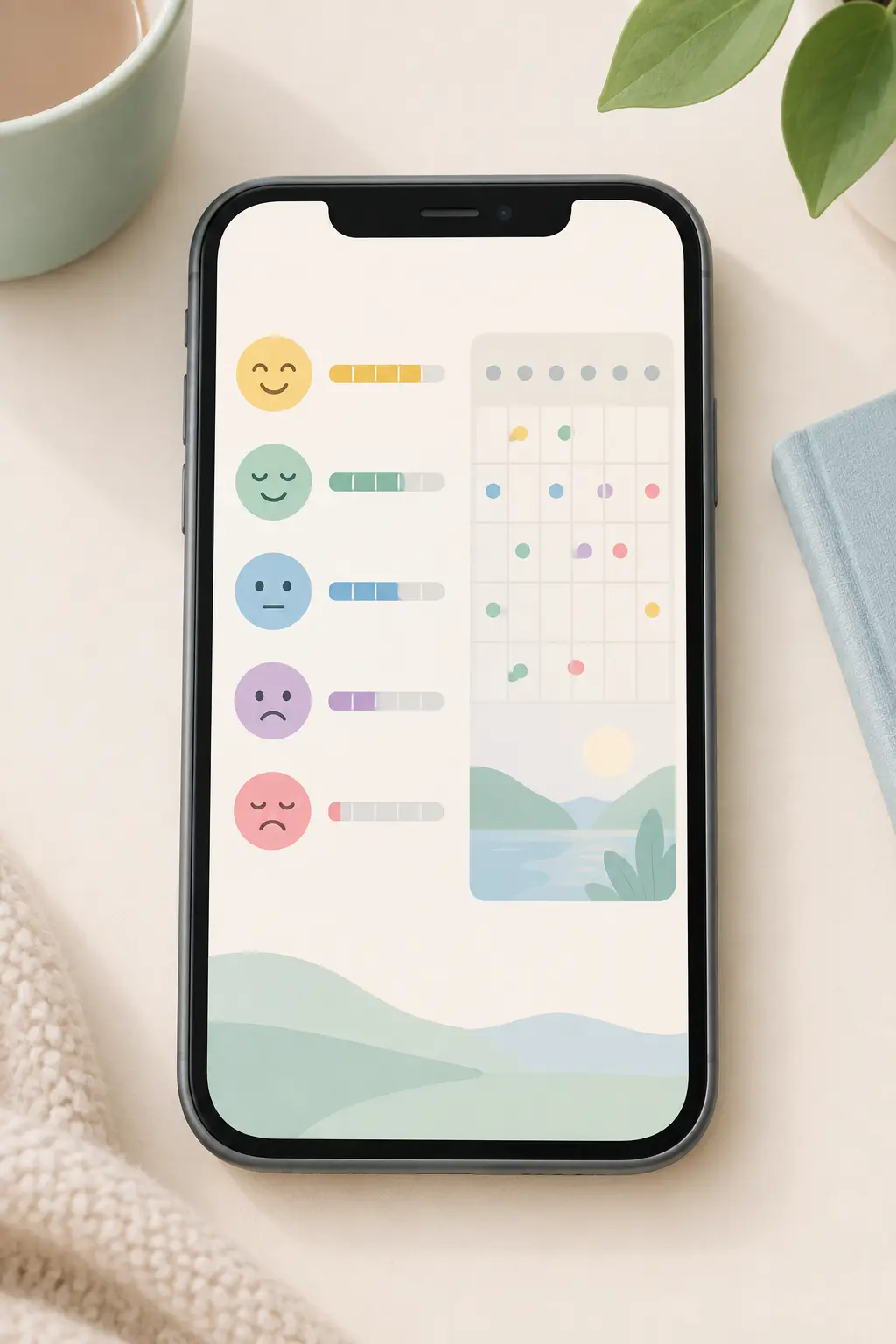
iQuit is free on Google Play and the App Store, and it lets you quit your way, whether that is cold turkey, gradual reduction or scheduled reduction. Its dashboard shows days smoke-free, cigarettes avoided and money saved in your own currency, with savings goals you choose. The craving log records triggers and intensity, which covers the trigger-and-strength part of the record described above whenever a craving strikes.
When an urge is strong, the SOS tools include breathing exercises, grounding and a virtual cigarette to use while the craving passes, and an AI coach with a free daily allowance of messages can help you plan around a tough trigger. Streak shields and slip recovery are there for the days a plan wobbles. iQuit does not claim clinical results, and this guide does not describe a one-tap counter, because that is not a feature we list. For a full walkthrough, see our iQuit app review.
Frequently Asked Questions
Does counting cigarettes help you smoke less?
We did not find a trial testing counting alone, so we do not claim it works by itself. A count shows when and why you smoke, and smokefree.gov says knowing your triggers helps you control cravings. Pair the count with a target and a plan.
Is cutting down as good as quitting suddenly?
For long-term quit rates, a 2019 Cochrane review found moderate-certainty evidence that neither reduction-to-quit nor abrupt quitting was superior (RR 1.01, 22 studies, 9,219 participants). The cutting down had to end in quitting altogether for that comparison to hold.
How fast should I cut down my cigarettes?
There is no proven schedule. The Cochrane review found no evidence that other features of reduction plans improved success, apart from some evidence favoring behavioral support over self-help alone. A common approach is a small step every week, holding steady if a week stalls, and setting a quit date within the next two weeks once you are ready.
What should I track besides the number of cigarettes?
Record the time, the trigger and how strong the urge was. Smokefree.gov groups triggers as emotional, pattern or social, and sorting your log that way shows which cigarettes are easiest to drop first and which need a plan.
Can medicines help me cut down before quitting?
The Cochrane review found low-certainty evidence that reduction-to-quit may work better with pharmacotherapy, particularly fast-acting nicotine replacement or varenicline. Ask a pharmacist or doctor which option fits you, as this guide cannot advise on dosing.
When should I set my quit date?
Smokefree.gov advises picking a day in the next two weeks, which gives you time to prepare, and avoiding a date that is already likely to be stressful. Many people choose it when their daily count has fallen to a manageable level.
Count Down to Your Quit Date With iQuit
iQuit is free on Google Play and the App Store. Quit gradually or cold turkey, log cravings with triggers and intensity, and watch cigarettes avoided and money saved add up.
Download iQuit Free on Google Play
Download on the App Store