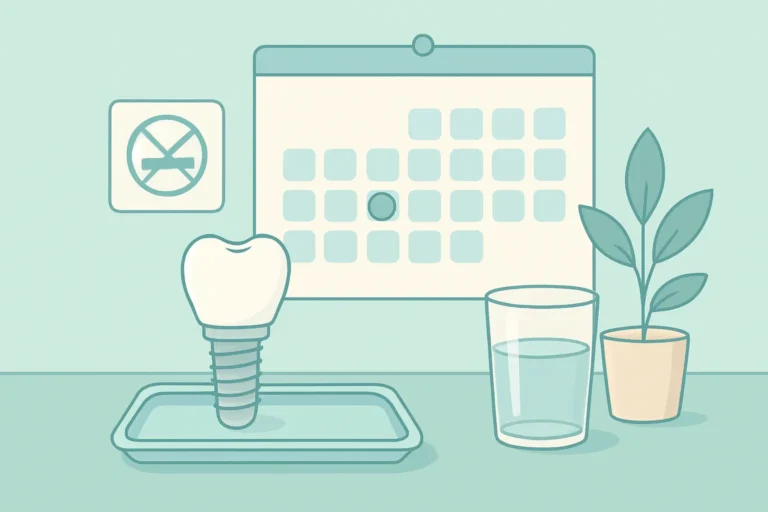
If you’ve just had a tooth pulled, the honest answer to how long after a tooth extraction can you smoke is longer than most people want to hear: at least 72 hours, and ideally longer. That’s not a scare tactic — it’s the exact window NHS aftercare guidance uses, because those are the days when a painful complication called dry socket is most likely to take hold.
How long after extraction can you smoke?
The clearest current instruction comes from an NHS dental extraction aftercare leaflet (University Hospitals Dorset), which tells patients in its mouth-care instructions: “No smoking or vaping for at least 72 hours. Smoking can cause pain, slow healing, and increase the risk of infection.” In its dry socket section the same leaflet adds simply: “Avoid smoking or vaping, as this increases your risk of getting a dry socket.”

Seventy-two hours is a minimum, not a generous cushion. Dry socket does not usually announce itself on the day of the extraction; it typically shows up as pain that gets worse a few days in, when normal healing should be making things better — which is precisely the period the 72-hour rule is protecting.
| Timeframe | What’s happening | Smoking guidance |
|---|---|---|
| 0–24 hours | Clot least stable; some oozing is normal; no rinsing | Do not smoke or vape |
| 24–72 hours | Clot stabilizing; soft tissue starting to close | Do not smoke or vape (NHS minimum) |
| Days 2–5 | Pain that worsens instead of improving is the classic dry socket signal | NHS minimum ends at 72h; waiting longer lowers risk further |
| Day 5–7 | Risk falling as the socket closes over | Lower but not zero risk if you resume |
If your extraction was more complex — an impacted wisdom tooth, multiple extractions, bone grafting — ask your own oral surgeon whether they want a longer smoke-free window. Perioperative guidance for more involved procedures often asks for considerably more time, similar to the smoke-free windows used before other types of surgery.
What is dry socket, and why does smoking cause it?
Dry socket (alveolar osteitis) happens when the blood clot that’s supposed to protect your healing extraction site is lost or never properly forms. The American Dental Association’s patient page on dry socket describes it as a painful condition that occurs “when the blood clot that forms over your socket is displaced; leaving bone and nerves exposed,” and lists avoiding cigarette smoking or other tobacco use among the ways to prevent it, because tobacco delays healing.
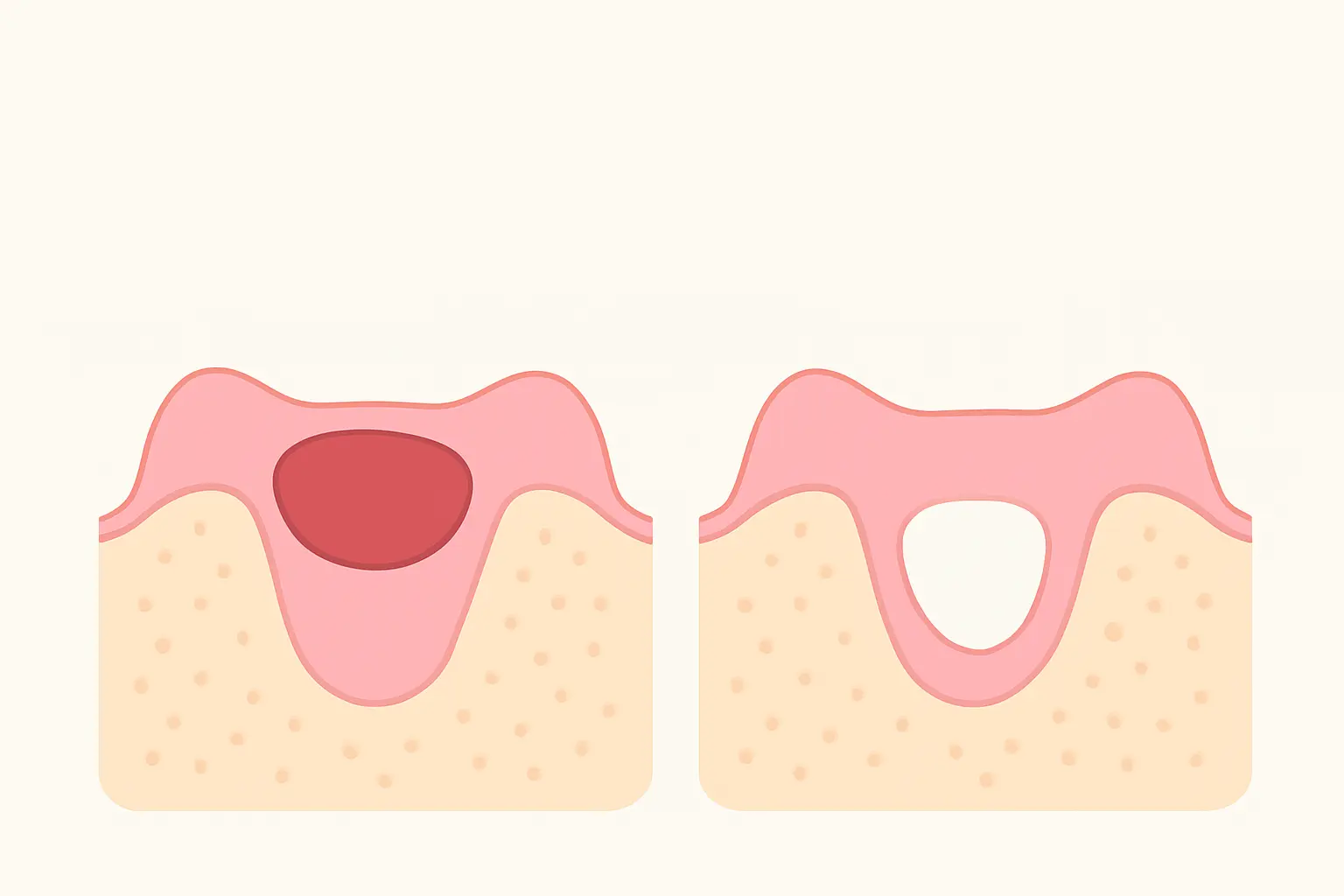
Smoking raises the risk through several mechanisms at once: the mechanical suction of inhaling can physically dislodge a fragile clot, the heat of smoke irritates healing tissue, and nicotine constricts the blood vessels feeding the socket. A 2024 prospective study of 238 extraction patients published in Cureus found that participants who smoked had an odds ratio of 6.41 for dry socket compared with non-smokers (95% CI 2.86–14.36, p < 0.001). The authors attributed it to exactly that vascular mechanism: “The vasoconstrictive effects of nicotine can compromise the blood supply to the surgical site, delay healing, and increase the likelihood of dry socket development.”
If you’re already dealing with gum health issues from smoking more broadly, the periodontitis risk and recovery data covers how smoking affects oral healing beyond just extractions, and what actually improves in your mouth after you quit is worth reading once you’re past this recovery window.
Does vaping cause dry socket too?
NHS aftercare guidance groups vaping together with smoking in both its 72-hour rule and its dry socket warning. The shared concerns are the suction involved in drawing on a device and nicotine’s constricting effect on blood vessels — the same mechanisms implicated in cigarette-related dry socket, even without combustion smoke or tar. There isn’t a large published body of vaping-specific dry socket research the way there is for cigarettes, but dental aftercare guidance does not treat vaping as a safe substitute during this recovery window.
Can you use nicotine patches or gum instead?
Yes — and this is specifically what the NHS leaflet points patients toward. Alongside the 72-hour rule it says: “You can also ask for advice about nicotine patches, gum, and other nicotine replacement from your local pharmacy.” Because patches and gum involve no suction, no heat and no smoke, they avoid the main mechanical risks linked to dry socket. If you want a fuller comparison of the options, this NRT comparison guide breaks down patches, gum, lozenges and spray side by side.
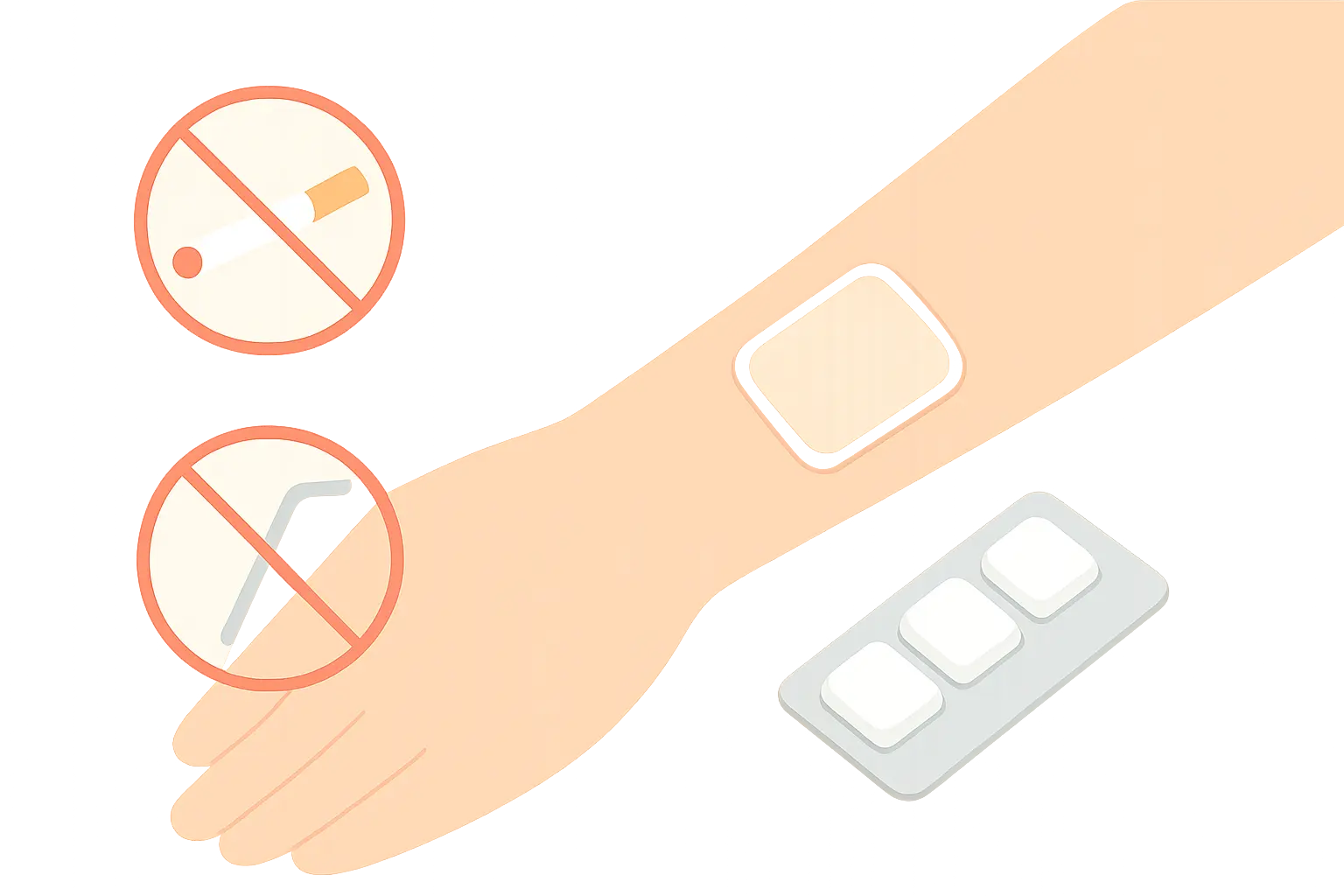
One practical caveat: chewing gum on the extraction side is not ideal in the first days, so a patch is often the easier choice immediately after the procedure, with gum or lozenges introduced once chewing is comfortable again. Your dentist or pharmacist can tell you which fits your particular extraction.
If nicotine withdrawal itself is what’s making these 72 hours hard, that’s a separate and very manageable problem. The complete withdrawal symptoms guide covers what to expect hour by hour, and if you’re worried the discomfort itself is dangerous rather than just unpleasant, this guide on whether nicotine withdrawal is actually dangerous is worth reading alongside it. It’s also worth knowing how long it takes before you count as a non-smoker once these first days are behind you.
How to get through 72 hours without smoking
Three days is short enough to plan for precisely, which is what makes this window winnable even for heavy smokers. The trap is treating it as pure endurance instead of preparation — most people who slip do so in the first evening, when the painkillers wear off and the usual after-dinner cigarette comes due.
- Get NRT before the appointment, not after. Buying patches while your jaw is numb and your mouth is bleeding is a plan that fails. Have them in the house on extraction day.
- Remove the props. Cigarettes, lighters and ashtrays out of the house for three days. Autopilot beats intention when you’re tired and sore.
- Replace the ritual, not just the nicotine. If your cigarette is the step outside after a meal, still take the step outside — with a glass of water or a phone call instead.
- Use a timed breathing round when the urge spikes. Box breathing (4-4-4-4) or 4-7-8 gives a craving somewhere to go for the two or three minutes it takes to fade, without any suction on the socket.
- Tell one person the deadline. “No cigarettes until Thursday morning” said out loud to someone else holds better than a private promise.
- Watch the alcohol. A drink is the single most common trigger for a post-extraction slip, and it thins the blood on top of that.
If the cravings are the hard part rather than the willpower, the free iQuit app is built for exactly this stretch: the SOS tool walks you through box breathing, 4-7-8 and 5-4-3-2-1 grounding, the virtual cigarette gives your hands and mouth something to do while an urge passes, and craving logging shows you which hours are your risky ones so you can plan the next evening rather than be ambushed by it.
If you must smoke, what’s the least-bad way to do it?
There’s no way to make smoking risk-free during healing — this section is harm reduction, not a green light. If you do end up smoking before the recommended window closes, dentists describe a few things that at least reduce (not eliminate) the additional risk: avoid drawing on the extraction side of your mouth, avoid inhaling forcefully or holding smoke in, skip straws and vigorous rinsing around the same time, and space out how often you smoke rather than returning to your normal frequency. None of this removes the risk the 72-hour guidance exists to avoid — it only somewhat reduces it if you genuinely can’t wait.
Signs of dry socket, and when to call your dentist
Dry socket is uncomfortable but very treatable, and it is not something to wait out at home. Call your dentist if you notice:
- Throbbing pain that gets worse two to four days after the extraction instead of improving
- Pain radiating toward your ear, eye, temple or jaw on the same side
- A socket that looks visibly empty, or where you can see whitish bone rather than a dark clot
- A bad taste in your mouth or noticeably bad breath coming from the site
- Pain that your prescribed or over-the-counter painkillers no longer touch
Treatment is straightforward: your dentist cleans the socket and packs it with a medicated dressing, which usually relieves the pain quickly, and may prescribe anti-inflammatory medication. Calling early is much better than enduring several days of it.
You’ve already done 72 hours — what now?
If you’ve made it through the recommended smoke-free window, you’ve done something worth noticing: you’ve cleared both the riskiest period for dry socket and the sharpest edge of acute nicotine withdrawal at the same time. Many ex-smokers describe the first three days as the hardest stretch of quitting — if you’re already there, the case for not restarting is stronger than the case for lighting up “just this once,” because you’ve already absorbed the most expensive part of quitting and would be paying it again from scratch.
You do not have to decide today that you have quit forever. Deciding only that you will not smoke tomorrow either, and then repeating that, is how most successful quits actually happen.
Frequently Asked Questions
How long after a tooth extraction can you smoke?
At least 72 hours. NHS dental extraction aftercare instructs: “No smoking or vaping for at least 72 hours. Smoking can cause pain, slow healing, and increase the risk of infection.” Waiting longer lowers your dry socket risk further. Ask your own dentist for advice specific to your extraction.
What is dry socket and why does smoking cause it?
Dry socket happens when the blood clot over the extraction site is displaced, leaving bone and nerves exposed and causing severe throbbing pain (American Dental Association). Smoking contributes through the suction of inhaling, the heat of smoke, and nicotine’s constriction of the blood vessels feeding the healing site.
Does vaping cause dry socket too?
NHS aftercare guidance groups vaping with smoking and applies the same at-least-72-hours rule, warning that both increase your risk of dry socket. The suction of drawing on a device and nicotine’s effect on blood vessels are the shared concerns, even though vaping does not involve combustion smoke.
Can you use nicotine patches or gum instead of smoking after an extraction?
Yes. The same NHS leaflet tells patients they can ask for advice about nicotine patches, gum and other nicotine replacement at their local pharmacy. Patches and gum avoid the suction and heat linked to dry socket, though a patch is often easier than gum in the first days while chewing is uncomfortable.
How much does smoking actually raise dry socket risk?
A 2024 prospective study of 238 extraction patients published in Cureus found participants who smoked had an odds ratio of 6.41 for dry socket compared with non-smokers (95% CI 2.86–14.36, p < 0.001), making smoking one of the strongest risk factors identified in that research.
What are the signs of dry socket, and when should I call my dentist?
Throbbing pain that worsens two to four days after extraction rather than improving, pain radiating to your ear or jaw, a socket that looks empty or shows whitish bone, and a bad taste or odor from the site are the classic signs. Contact your dentist promptly — treatment with a medicated dressing usually relieves it quickly.
If I must smoke before 72 hours, is there a less risky way to do it?
There is no way to make smoking risk-free during healing, but if you do smoke, avoid the extraction side, do not inhale forcefully, avoid straws and vigorous rinsing around the same time, and wait as many hours as possible past the procedure. Delaying and reducing frequency both lower cumulative risk versus your normal pattern.
Can I use a straw or drink alcohol after an extraction?
Straws create the same suction that can dislodge a healing clot, so avoid them in the early days. Alcohol is worth avoiding too — it is the most common trigger for a post-extraction cigarette, and it works against clot stability. Follow your own dentist’s instructions on both.
I’ve already gone 72 hours without smoking — does that change anything?
Yes, practically: you’ve passed the riskiest window for dry socket and cleared the most acute nicotine withdrawal discomfort at the same time, which is exactly the point in a quit attempt when many people find continuing is easier than the first three days were.
Already smoke-free for 72 hours? Don’t give it back
iQuit’s streak shields protect the progress you’ve already made, and the SOS tool — box breathing, craving surfing, the virtual cigarette — gets you through the next craving without restarting your dry-socket clock or your quit. Free on Google Play (4.3★) and the App Store.