
Somewhere around hour twelve of a quit attempt, a lot of people ask the same question: is nicotine withdrawal dangerous, or does it just feel that way? The honest answer is reassuring — withdrawal is uncomfortable, sometimes intensely so, but it is not medically dangerous in the way withdrawal from some other substances can be.
Why isn’t nicotine withdrawal medically dangerous?
Clinical references are consistent on this point. Cleveland Clinic’s overview of nicotine withdrawal describes it as an unpleasant but temporary process that is not harmful to your health, and one that fades as long as you stay nicotine-free. Clinical descriptions consistently place the onset within roughly 4 to 24 hours of your last cigarette, with symptoms peaking around day two or three and easing over the following two to four weeks.
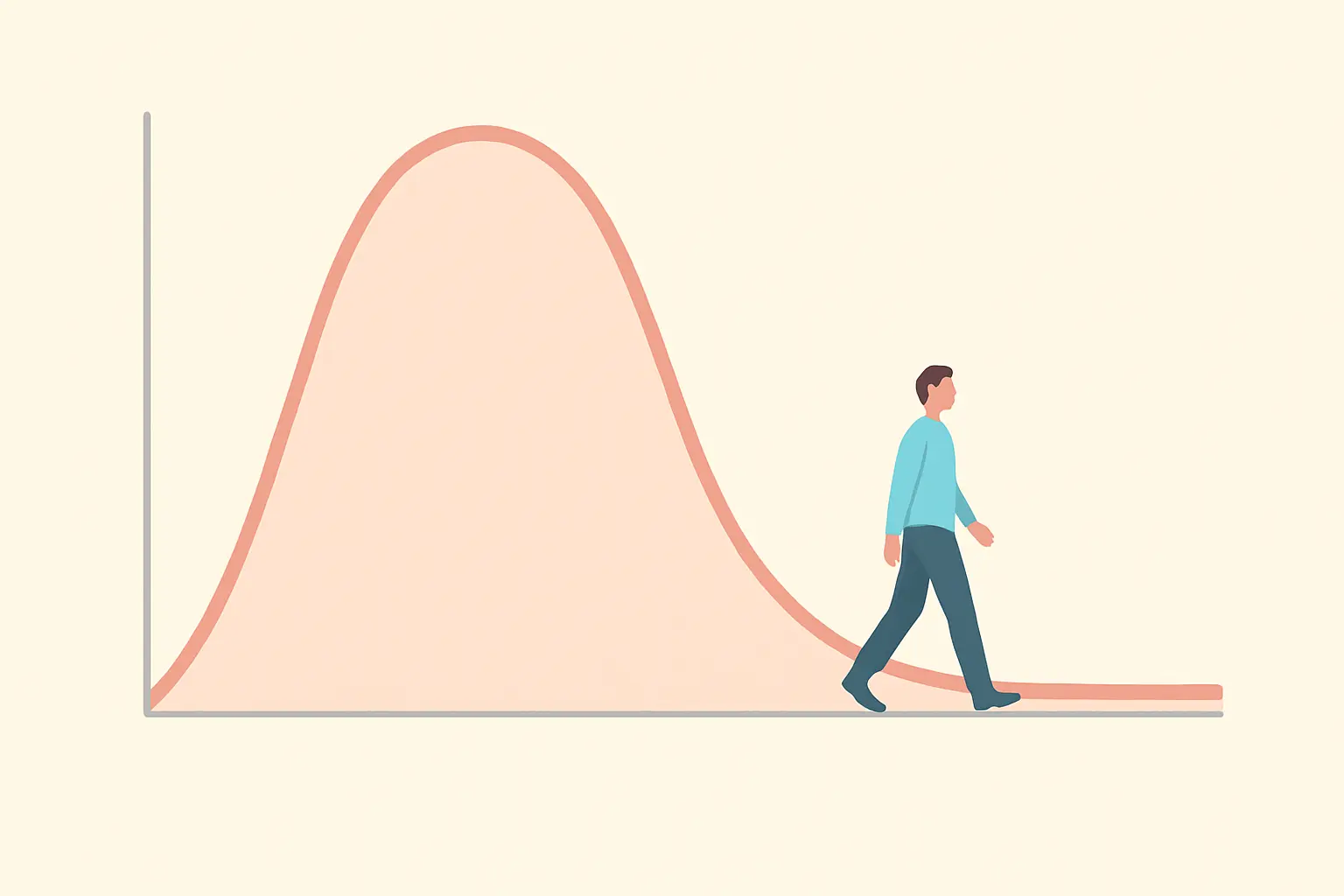
The symptom list is familiar to anyone who has quit or tried to: irritability, anxiety, low mood, trouble concentrating, insomnia, restlessness, and increased appetite. Unpleasant, yes. Medically dangerous on their own, no — and that distinction matters, because fear of withdrawal itself stops some people from ever starting, when the actual physical risk is low. If you want the full symptom-by-symptom picture, the complete withdrawal symptoms guide and the stages of nicotine withdrawal both cover what to expect in more depth, and the hour-by-hour timeline maps when each symptom tends to peak.
Two of the most commonly searched individual symptoms deserve a direct mention here: feeling generally unwell is common enough to have earned its own nickname, “smoker’s flu,” and dizziness in the first days after quitting is a recognized, non-dangerous part of the oxygen and circulation rebound rather than a sign something is wrong.
How is it different from alcohol or benzodiazepine withdrawal?
This is the comparison that actually answers the safety question. The NIH StatPearls reference on withdrawal syndromes sets out the spectrum: withdrawal from different substances ranges from merely uncomfortable — as with opioid, caffeine, or nicotine withdrawal — through to genuinely life-threatening, as with abrupt discontinuation of alcohol or benzodiazepines. Severe alcohol and benzodiazepine withdrawal can involve seizures and other medically serious complications that require supervised management.

Nicotine withdrawal sits firmly in the “uncomfortable” category. That distinction is worth holding onto specifically because nicotine withdrawal can feel alarming in the moment — racing thoughts, physical restlessness, a wired-but-exhausted feeling — without carrying the seizure or delirium risk that makes alcohol and benzodiazepine withdrawal genuine medical emergencies in severe cases. If day three feels like the worst of it, that lines up with the evidence: this breakdown of why day 3 is typically the hardest explains the timing without suggesting anything has gone wrong.
What are the genuine, indirect risks during withdrawal?
The withdrawal symptoms themselves aren’t the risk — but quitting does change your body chemistry in ways that matter for specific groups. Tobacco smoke (not nicotine itself) induces liver enzymes that metabolize several common medications, so blood levels of certain drugs can rise once you stop smoking, sometimes meaningfully. This is a reason to loop in your prescriber, not a reason to avoid quitting.
Blood sugar control can also shift after quitting, which matters for anyone managing diabetes — insulin or medication doses calibrated to your smoking pattern may need review. And for people with a history of depression, anxiety, or other mental health conditions, the mood symptoms of withdrawal can interact with an existing condition in ways worth discussing with a clinician in advance, even though withdrawal-related low mood on its own typically resolves within weeks.
None of these are arguments against quitting. They are arguments for telling one clinician that you are about to quit, so the handful of things that genuinely need adjusting get adjusted.
Chest pain, palpitations and panic: what’s withdrawal, what isn’t?
Heart palpitations are a recognized withdrawal symptom and usually settle within the first few weeks as your body adjusts. Mild anxiety and feeling “jumpy” are common too. Where it gets harder to interpret is the overlap between ordinary withdrawal anxiety and something that feels like a panic attack — chest tightness, a racing heart, shortness of breath — which can feel medically alarming even though the underlying withdrawal process isn’t dangerous.
The practical rule: mild, fluctuating symptoms that improve over days to weeks are ordinary withdrawal. Severe chest pain, an irregular heartbeat lasting more than a few minutes, or palpitations paired with shortness of breath or dizziness are not something to wait out — those warrant medical attention regardless of whether you’ve recently quit smoking, because they could indicate something separate from withdrawal entirely.
Normal withdrawal vs. worth a phone call
Most of the anxiety around quitting comes from not knowing which bucket a symptom belongs in. This table is a rough sorting guide, not a diagnosis — when in doubt, call.
| Symptom | Ordinary withdrawal looks like | Call a clinician if |
|---|---|---|
| Chest sensations | Fleeting tightness during a craving or anxiety spike, easing within minutes | Severe or worsening chest pain, or pain spreading to arm, neck or jaw |
| Heart rate | Occasional flutters or awareness of your heartbeat, settling over the first weeks | An irregular beat lasting more than a few minutes, or palpitations with breathlessness or dizziness |
| Mood | Irritability, low mood and short temper that fluctuate and ease week by week | Persistent hopelessness, or any thought of self-harm |
| Sleep | Disturbed sleep and vivid dreams for the first few weeks | Weeks of near-total insomnia, or new confusion |
| Breathing / cough | Increased coughing and phlegm as the airways clear | Breathlessness at rest, coughing blood, or fever |
| Blood sugar (if diabetic) | Readings that drift and need a planned review | Repeated hypos or unexplained highs after your quit date |
Who should quit with medical support?
Most people can quit without any special medical supervision — that’s part of why nicotine withdrawal isn’t managed like alcohol or benzodiazepine withdrawal. But a few groups benefit specifically from looping in a clinician before their quit date: anyone with diabetes (for the blood sugar shift noted above), anyone with a heart condition, anyone on medications known to be affected by smoking cessation, and anyone with a psychiatric diagnosis where mood changes need closer tracking. Getting your quit date and smoke-free status documented is also useful context to bring to that conversation.
None of this means quitting is riskier than continuing to smoke — it isn’t, by a wide margin. It means the small subset of people for whom quitting interacts with an existing condition should have a plan in place rather than improvising mid-withdrawal.
Red flags that mean call a doctor
Call a doctor promptly — rather than assuming it’s “just withdrawal” — for any of the following:
- Severe or worsening chest pain, or pain radiating into the arm, neck or jaw
- An irregular or racing heartbeat that lasts more than a few minutes
- Palpitations combined with shortness of breath, fainting or dizziness
- Any thoughts of self-harm, or a sharp deterioration in mood that doesn’t lift
- Breathlessness at rest, coughing up blood, or a fever alongside a new cough
- Confusion, seizures, or tremor severe enough to disrupt normal activity — these are not part of nicotine withdrawal and point to something else, including alcohol withdrawal if you have also stopped drinking
What all of these share is that they differ in kind, not just intensity, from the irritability, cravings and low mood that are expected and temporary. That is the test worth remembering.

What actually makes withdrawal easier
Knowing withdrawal is safe does not make it comfortable. Three things reliably reduce how bad it gets. First, nicotine replacement or a prescribed stop-smoking medication genuinely blunts the peak — using NRT is not cheating, and under-dosing it is the most common reason people conclude “NRT doesn’t work for me.” Second, timing: cravings almost always crest and fall within a few minutes, so a plan for those minutes beats willpower stretched across a day. Third, sleep and food, because irritability and low blood sugar amplify everything else.
The free iQuit app is built around that middle problem: the SOS tool runs box breathing, 4-7-8 and 5-4-3-2-1 grounding while a craving passes, the mood journal and craving log let you watch intensity actually fall week by week instead of guessing, and the built-in withdrawal guide tells you what stage you are in — which is often all it takes for an alarming symptom to read as an expected one.
If your low-level daily smoking has left you unsure whether quitting even matters much for you, the evidence on light smoking risk is worth reading — withdrawal from even light daily use follows the same safe-but-uncomfortable pattern, and the same red flags apply regardless of how much you used to smoke. If nagging chest tightness or breathlessness is the specific symptom worrying you, this guide to what’s normal in your airways after quitting covers the respiratory side in more detail.
Frequently Asked Questions
Is nicotine withdrawal dangerous?
No. Clinical references describe nicotine withdrawal as uncomfortable but not life-threatening and not harmful to your health, unlike withdrawal from alcohol or benzodiazepines, which can cause seizures and other medically dangerous complications (NIH StatPearls; Cleveland Clinic).
How is nicotine withdrawal different from alcohol or benzodiazepine withdrawal?
Alcohol and benzodiazepine withdrawal can escalate to seizures, severe confusion, and other life-threatening complications requiring medical supervision. Nicotine withdrawal, like opioid or caffeine withdrawal, is placed at the uncomfortable end of the spectrum in clinical references and does not carry that seizure risk.
Are there any genuine medical risks during nicotine withdrawal?
The withdrawal symptoms themselves are not dangerous, but quitting changes how your body processes certain medications and can shift blood sugar control, so people on affected medications, or with diabetes, should talk to their prescriber before or soon after their quit date rather than assuming nothing needs adjusting.
Is chest pain or a racing heart during withdrawal normal?
Mild heart palpitations can occur during withdrawal and usually settle within the first few weeks, but severe chest pain, an irregular heartbeat lasting more than a few minutes, or palpitations with shortness of breath or dizziness are not something to wait out — seek medical attention for those.
Can nicotine withdrawal cause panic attacks or severe anxiety?
Anxiety and jumpiness are common, ordinary withdrawal symptoms, but a full panic attack with chest tightness, a racing heart and shortness of breath can feel medically alarming even though withdrawal itself isn’t dangerous — if anxiety is severe or persistent, or you have a history of panic disorder, tell your doctor rather than assuming it will simply pass.
Can nicotine withdrawal cause a seizure?
No — seizures are not a feature of nicotine withdrawal. They are associated with severe alcohol and benzodiazepine withdrawal. A seizure while quitting smoking needs urgent medical assessment and should never be attributed to nicotine withdrawal, particularly if you have also stopped drinking alcohol.
How long does nicotine withdrawal last?
Symptoms typically begin within about 4 to 24 hours of the last cigarette, peak around day two or three, and ease over the following two to four weeks. Occasional cravings can surface for months afterwards, but they are brief and become less frequent rather than escalating.
Who should quit smoking with medical support rather than on their own?
Anyone managing diabetes, a heart condition, a psychiatric diagnosis, or taking medications affected by smoking cessation should loop in their prescriber before their quit date, since the withdrawal itself is safe but the knock-on effects on medication levels and underlying conditions are exactly what a clinician can help manage.
What are the genuine red flags that mean I should call a doctor during withdrawal?
Severe or worsening chest pain, an irregular heartbeat lasting more than a few minutes, palpitations with shortness of breath or dizziness, thoughts of self-harm, breathlessness at rest, or any symptom that differs in kind rather than degree from ordinary irritability and craving are reasons to seek medical attention promptly.
Know what’s normal, day by day
iQuit’s mood journal and craving log let you record exactly what you’re feeling and watch the intensity fall over the coming weeks, with a built-in withdrawal guide and SOS tools for the moments it feels hardest — so you’re never guessing whether what you feel is expected. Free on Google Play (4.3★) and the App Store.