Coughing up phlegm after quitting smoking can feel like proof that something has gone wrong, especially in the first few weeks when you expected to feel better, not produce more mucus than you did as a smoker. It hasn’t gone wrong. This is one of the most misunderstood parts of early quitting, and understanding what is actually happening changes how it feels to go through it.
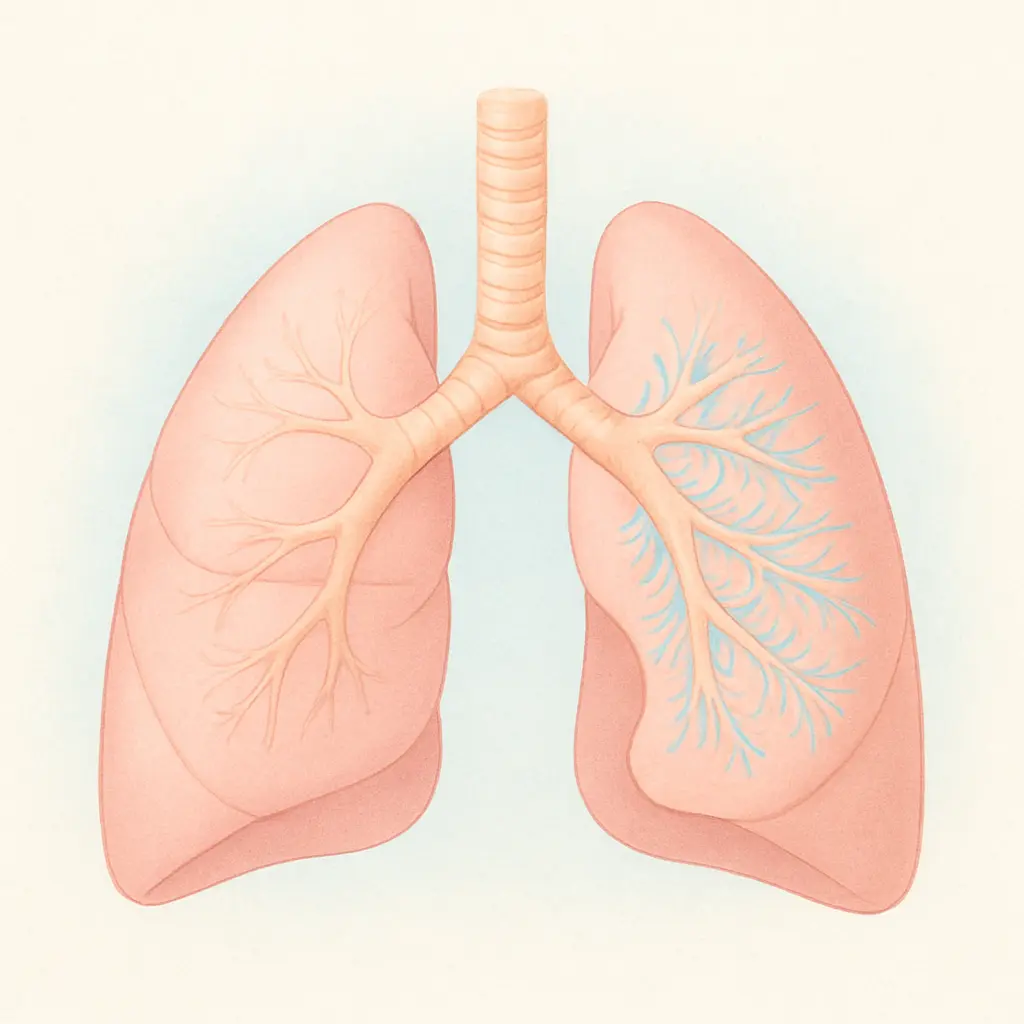
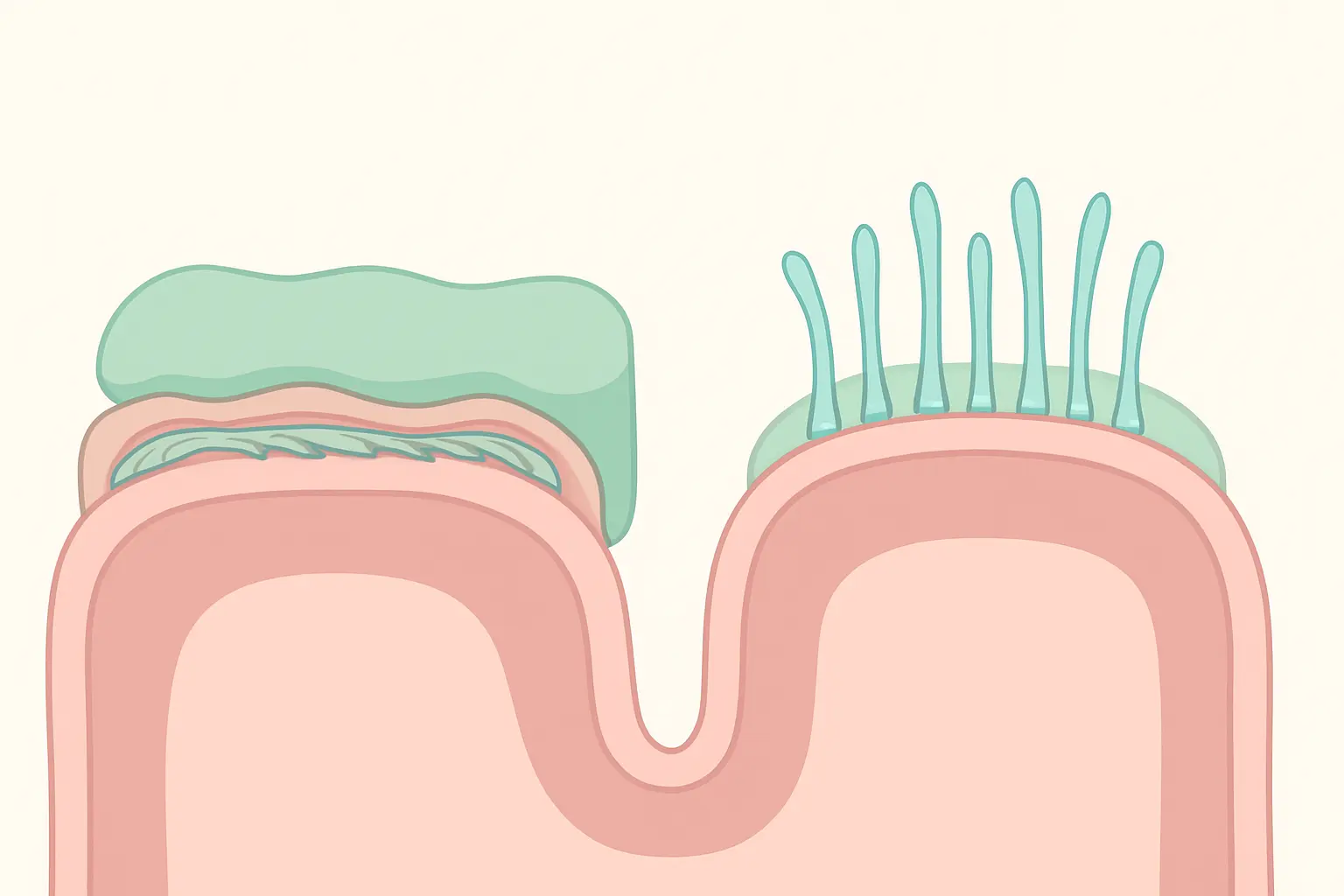
The short version: your airways spent years coated in smoke residue, with the tiny hair-like structures that normally sweep mucus upward and out (cilia) partially paralyzed by that exposure. Once the smoke stops, those cilia wake up and get back to work, clearing out years of trapped debris in a fairly short window. What you’re coughing up is the evidence of repair, not new damage — but color, duration and a few specific symptoms matter, and this guide covers all three.
Why mucus increases after you quit
Cigarette smoke does two things to your airway lining at once: it triggers extra mucus production as an irritant-defense response, and it partially paralyzes the cilia that would normally sweep that mucus (and everything trapped in it — tar, particulates, dead cells) up and out of your lungs. As a smoker, you were producing plenty of mucus, but a lot of it stayed put because the clearance system wasn’t working properly.
Quit, and the paralysis lifts before the excess-production reflex fully calms down, so for a window you get both more effective clearance and lingering irritation-driven production at the same time. That combination is what produces the noticeably wetter cough that surprises so many new quitters. Our companion piece on why you cough more after quitting covers the reflex side of this in more depth if you want the fuller mechanism.
The cilia recovery timeline
Cilia function doesn’t return instantly, but it also doesn’t take years. No single trial pins the exact day, and any guide that gives you one is guessing. What the cessation literature agrees on is the shape: cilia begin regaining sweeping motion within the first weeks smoke-free, clearance keeps improving over the following months, and the CDC places the drop in cough and shortness of breath in a 1-to-12-month window rather than a fixed date. This lines up with why the wet cough phase is front-loaded into the first two months rather than spread evenly across the whole first year.
The can your lungs heal after smoking guide has the fuller structural recovery picture — cilia function is one of the faster-recovering pieces, while some structural lung changes take much longer or don’t fully reverse.
What the colors mean
Color is the single most useful piece of information your phlegm gives you, and it’s worth learning to read it rather than guessing. According to Cleveland Clinic, here’s what each color typically indicates:
| Color | What it usually means | Action |
|---|---|---|
| Clear | Routine clearance — your body flushing out allergens and debris. Cleveland Clinic notes it can also appear with viral bronchitis or pneumonia. | The only color Cleveland Clinic treats as reassuring on its own |
| White | Can signal GERD, COPD, viral bronchitis or congestive heart failure | Common in early quitting, but mention it if it persists |
| Yellow | Your body fighting an infection — yellow appears in the early stage | Monitor; see a doctor if it persists beyond two weeks |
| Green | The same infection continuing rather than resolving; linked to sinusitis, bronchitis and pneumonia | See a doctor if persistent or with fever |
| Black | Cleveland Clinic lists smoking itself as a cause, along with inhaled coal dust or toxins and, rarely, a fungal infection | Common in early quitting; mention it if it continues for weeks |
| Brown / rust | Old blood; linked to bacterial bronchitis or pneumonia, lung abscess, or inhaled dust | See a doctor |
| Red / pink | Cleveland Clinic associates this with serious causes including pneumonia, pulmonary embolism, heart failure, tuberculosis and lung cancer | See a doctor promptly. Coughing up blood with no phlegm is an emergency |
Black-tinged phlegm in particular tends to alarm new quitters, but Cleveland Clinic specifically lists smoking as a direct cause of black phlegm — you are, quite literally, coughing out stored soot. It should fade as clearance continues over the following weeks.

How long it lasts, week by week
There’s no single universal clock, but the pattern reported across cessation-recovery resources is broadly consistent:
- Days 1–7: Coughing frequency often rises sharply as cilia begin reactivating; this is frequently the peak discomfort window.
- Weeks 2–4: Mucus volume tends to be at its highest as trapped debris clears; darker or black-flecked phlegm is common here.
- Weeks 4–8: Volume and frequency typically start declining as clearance efficiency improves and the initial backlog is worked through.
- Months 2–6: Most people are back to an occasional, unremarkable cough; residual clearance continues quietly in the background.
The direction of travel is not in doubt: the CDC’s summary of the benefits of quitting lists quitting as something that “reduces respiratory symptoms, such as cough, sputum production, wheezing,” and puts “coughing and shortness of breath decrease” in its 1-to-12-month window after your last cigarette. Note the shape of that: the CDC is describing a year-long arc, not an overnight switch. The wet phase you are in now is the transition into it, not a departure from it.
If your cough is still heavy and unchanged well past two to three months, that’s a reasonable point to mention it at a check-up rather than assume it will keep resolving on its own — see the red flags section below for the specific triggers that shouldn’t wait that long.
How long your own phlegm phase runs depends on a few individual factors more than any fixed calendar. Heavier pack-year history generally means more accumulated debris to clear, so a longer or heavier wet-cough phase is common for people who smoked more or for longer. Age plays a role too — airway tissue in older adults tends to repair more slowly than in younger quitters. And if you already have a diagnosed lung condition such as asthma or COPD, baseline airway inflammation means the clearance phase can run longer and deserves closer monitoring rather than a wait-and-see approach on the same timeline as someone with no underlying lung disease.
What actually helps
None of these speed up cilia biology dramatically, but they make the clearance process more comfortable and slightly more efficient:
- Hydration. Thinner mucus is easier to clear; water is the simplest lever you have.
- Humidity. A humidifier or a hot shower loosens thick mucus, particularly useful first thing in the morning when secretions have pooled overnight.
- Light to moderate activity. Movement supports airway clearance generally and is one of the better-evidenced non-drug interventions for lung recovery; our return-to-running guide covers pacing this safely in the early weeks.
- Elevating your head at night. Reduces the pooling that makes the first cough of the morning feel worse than the rest of the day.
- Avoiding secondary irritants. Smoke (including other people’s), strong fumes and cold dry air all provoke extra coughing on top of the baseline clearance process.

What doesn’t help
“Lung detox” teas, charcoal capsules and various lung-cleanse supplements are heavily marketed at exactly this audience, and there is no controlled evidence that any of them clear mucus faster than your airway’s own cilia-driven process. They are not dangerous in most cases, but they are not doing what the marketing implies either — the mechanism being sold (accelerating cilia repair or “flushing toxins”) isn’t how lung clearance actually works, and the improvement people attribute to a tea is almost always the same natural timeline that would have happened anyway.
Cough suppressants are also worth a second thought here: suppressing a productive cough that is actively clearing trapped mucus can work against the process you’re trying to let finish. If a cough is genuinely disruptive to sleep, that’s a conversation for a doctor rather than an over-the-counter default.
Recovery cough or chest infection? How to tell
This is the question most people actually want answered, and color alone does not settle it — plenty of ordinary clearance produces yellow phlegm, and plenty of mild infections produce very little. What separates the two is the shape of the whole picture over a week, not any single feature on any single day.
A clearance cough usually looks like this: it is worst first thing in the morning and after lying down, it is productive (something actually comes up), you feel essentially well between coughing spells, and the trend across a week is downward even if individual days are bad. Phlegm may be dark or flecked early on and gets paler as the weeks pass.
A chest infection tends to look different: it comes with feeling systemically unwell rather than just chesty — fever, aching, sudden fatigue — it often arrives abruptly rather than building with your quit, the phlegm gets darker or thicker as days pass rather than lighter, and breathing feels harder rather than just noisier. Chest pain on breathing in, or breathlessness at rest, belongs in this column too.
The single most useful habit is to note each morning whether the cough is better, the same, or worse than the same time the previous week. That one-line record turns a frightening blur of days into a trend you can show a clinician, and it is far more informative than trying to grade a single morning’s phlegm against a chart.
Your first week: a practical checklist
If you are in the thick of it right now, these are the things worth doing in the next seven days, in rough order of payoff:
- Set a water target you will actually hit. Thinner mucus clears more easily, and dehydration is the one variable here you control completely.
- Take a hot shower before bed and again on waking. The morning one matters most — that is when overnight pooling makes the cough feel worst.
- Sleep with your head raised. An extra pillow, or blocks under the head of the bed, reduces the overnight pooling in the first place.
- Log the cough once a day. Better, same, or worse than yesterday, plus phlegm color. Ten seconds; it becomes your evidence either way.
- Walk daily, gently. Movement supports clearance and, just as usefully, gives the anxiety somewhere to go.
- Do not start a cough suppressant by default. Suppressing a productive cough works against the clearance you are waiting on.
- Book a check-up now if any red flag below applies. Do not spend the week deciding whether it counts.
Red flags: when it’s not normal recovery
Most of what’s described above resolves without intervention. Cleveland Clinic’s guidance is specific about when phlegm and cough stop being ordinary recovery and become something to have checked, and the NHS page on cough sets its own persistent-cough threshold at three weeks, with chest pain, difficulty breathing, feeling very unwell or coughing up blood listed as reasons to seek urgent help rather than wait:
- Your cough lasts more than two weeks (Cleveland Clinic) or three weeks (NHS) — the two bodies set slightly different thresholds, so take the earlier one if you are worried
- Your phlegm is not clear in color — Cleveland Clinic’s threshold is deliberately low, so a color that persists is worth an appointment rather than a wait-and-see
- Phlegm is consistently red, pink or brown rather than an occasional streak
- You develop a fever alongside the cough
- You notice wheezing or difficulty breathing
- You are coughing up blood without phlegm — this needs immediate emergency care
One honest caveat about that first criterion: for someone who has just quit after years of smoking, a productive cough often does run past two weeks as ordinary clearance, and that is what the timeline above describes. Cleveland Clinic’s two-week rule is written for coughs in general, not for the specific case of early cessation. The safe way to hold both facts at once is this — a wet cough that is steadily improving week over week is very likely clearance; a cough that is flat, worsening, or accompanied by any item on this list is not something to explain away as “just quitting.”
Related symptoms during early recovery — a flu-like feeling, chest tightness, or breathlessness — each have their own expected pattern and their own red flags; see our guides on the smoker’s flu timeline, chest tightness after quitting, and breathlessness timeline if any of those apply to you alongside the cough. If you already have a diagnosed lung condition, our COPD and smoking cessation guide covers what recovery looks like on top of existing disease, where the red-flag thresholds are tighter.
Phlegm FAQ
Why do I cough up more phlegm after quitting smoking?
Your airway cilia, paralyzed by years of smoke exposure, wake back up and start clearing years of trapped mucus and debris. More visible phlegm is a sign of that repair process, not new damage (Cleveland Clinic).
What does the color of my phlegm mean?
Clear is the only color Cleveland Clinic treats as reassuring on its own. Yellow means your body is fighting an infection early on and green means that infection is continuing. Black is listed with smoking itself as a cause. Red, pink or brown phlegm needs prompt medical review, and coughing blood with no phlegm is an emergency.
How long does the extra phlegm and coughing last after quitting?
Most people notice increased coughing and mucus clearance for a few weeks up to a few months, often described as heaviest in the first 2 to 8 weeks, easing as cilia function continues to improve.
Do lung detox teas or supplements speed this up?
No controlled evidence supports “lung cleanse” teas or supplements clearing mucus faster than the body’s own cilia repair process. Hydration, humidity and movement have far more support behind them.
When is coughing up phlegm not normal recovery?
Cleveland Clinic advises seeing a doctor if a cough lasts more than two weeks, the phlegm is not clear in color, you develop a fever, or you have wheezing or difficulty breathing. Coughing up blood with no phlegm is an emergency. In early quitting a productive cough often runs past two weeks, so the practical test is whether it is steadily improving.
Does exercise help clear the phlegm faster?
Light to moderate activity supports airway clearance and overall lung recovery, though it will not eliminate the normal cilia-driven mucus clearance phase entirely.
How do I tell a recovery cough from a chest infection?
Look at the week, not the day. A clearance cough is productive, worst on waking, leaves you feeling well between spells, and trends downward across a week. An infection tends to make you feel systemically unwell with fever or aching, arrives abruptly, and produces phlegm that darkens rather than lightens as days pass.
Should I take a cough suppressant while my lungs are clearing?
Not as a default. Suppressing a productive cough works against the clearance process that is moving trapped mucus out of your airways. If the cough is genuinely wrecking your sleep, that is worth raising with a doctor rather than solving with an over-the-counter product on your own.
Does how long I smoked change how long the phlegm lasts?
Generally yes. A heavier pack-year history means more accumulated debris to clear, so a longer or heavier wet-cough phase is common. Age and any existing lung condition such as asthma or COPD also stretch the timeline, and an existing diagnosis is a reason for closer monitoring rather than waiting it out.
Track the whole recovery, not just the cough
iQuit’s health-milestone timeline shows lung and cilia recovery alongside every other change happening in your body, so a temporary wet cough reads as one visible step in a longer, better story. Free on Android — iOS is still on the way.