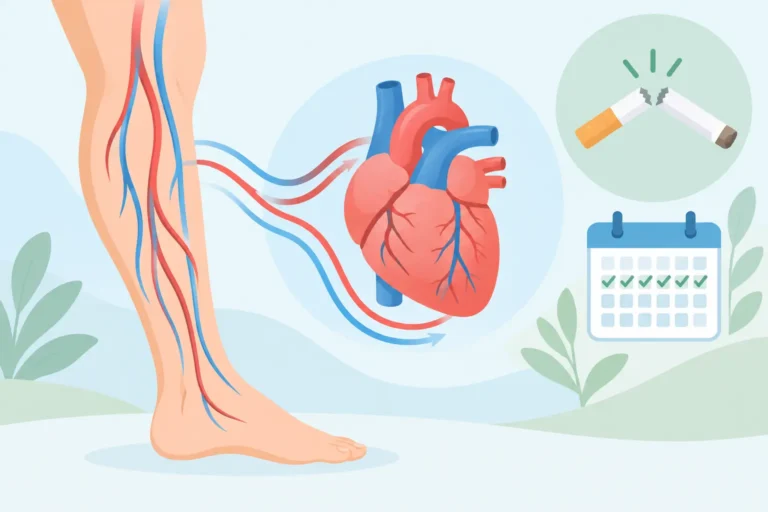
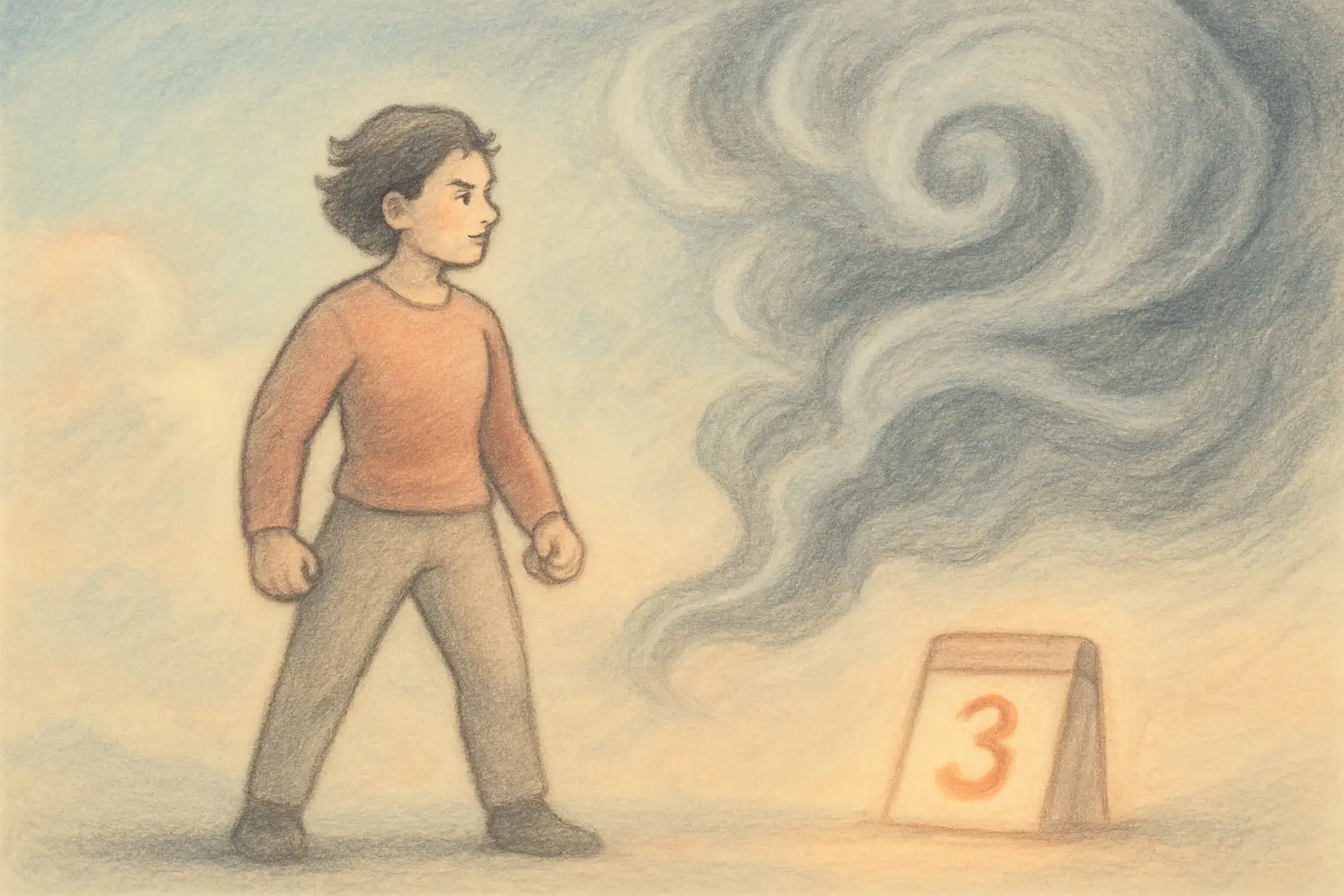
Why is day 3 the hardest when quitting smoking? Day 3 is when nicotine has essentially cleared from your bloodstream but your brain has not yet recovered its own natural dopamine signaling, so cravings become nearly continuous while mood, concentration, and patience all bottom out at once. Cleveland Clinic puts the peak of withdrawal on the second or third nicotine-free day, and understanding why is one of the most effective ways to get through it.
What is physically happening in your brain and body on day 3?
Nicotine has a short half-life of roughly two hours, meaning levels in your blood fall by about half every two hours after your last cigarette. Its main metabolite, cotinine, clears more slowly, and between them the two are largely out of your bloodstream by around 48 to 72 hours after quitting.
The problem is that your brain does not recover on the same schedule. Years of smoking upregulate nicotinic acetylcholine receptors (nAChRs) in the brain, and brain-imaging research on receptor availability in people who quit has found that this upregulation persists well after nicotine itself is gone, taking roughly three weeks to move back toward a non-smoker’s baseline. Day 3 sits right at the point where the chemical trigger has vanished but the neurological adaptation has not.
Think of it as a supply-and-demand mismatch: your brain built extra nicotine receptors to keep up with a steady chemical supply, and for three days now that supply has stopped arriving while the extra receptors are still standing by, effectively amplifying the felt intensity of every craving. This is also why cravings on day 3 tend to feel less like a single wave and more like one running into the next — the receptor system is, in a real neurological sense, still asking for a substance that is no longer there.
How long does the day 3 peak actually last?
According to Cleveland Clinic’s clinical overview of nicotine withdrawal, symptoms begin four to 24 hours after your last dose of nicotine, peak on the second or third nicotine-free day, and then fade over days to three or four weeks. Its most useful line for anyone in the middle of it: the symptoms “get a little better every day, especially after the third day following stopping.”
Different symptoms clear on different schedules. Cravings and urges to smoke commonly outlast the physical symptoms by weeks, concentration problems and sleep disruption usually settle first, irritability typically fades within about a month, and increased appetite can linger considerably longer than the rest. Day 3 itself is usually a single brutal day or two, not a plateau you stay on.
Is it normal to feel worse on day 3 than on day 1?
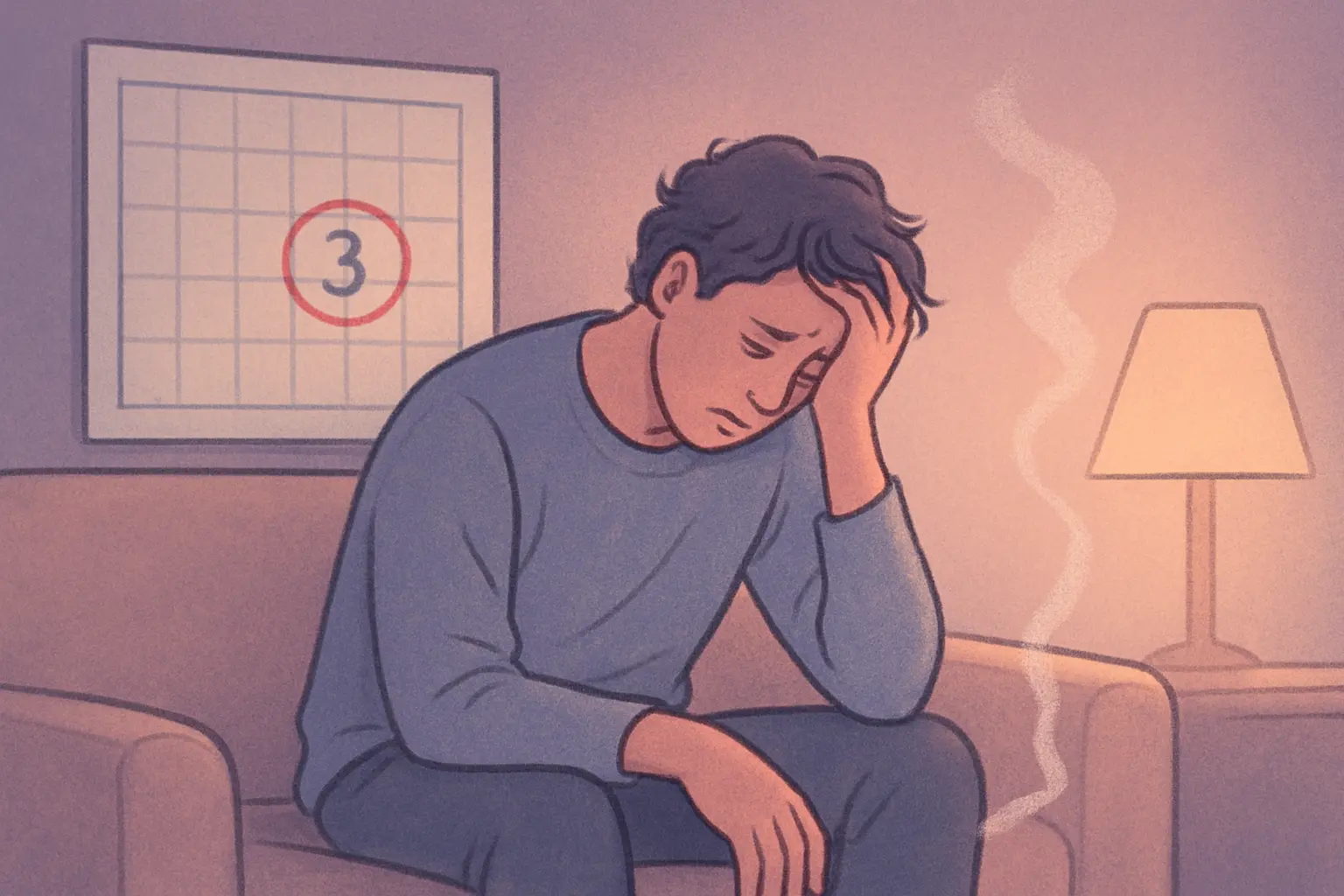
Yes, and this catches many people off guard. Day 1 often runs on adrenaline and resolve — you’re motivated, distracted, and nicotine has not fully left your system yet. By day 3, both of those buffers are gone: motivation has been ground down by two days of cravings, and nicotine is essentially out of your bloodstream, so your brain’s dopamine floor is at its lowest.
This is also the point where stress hormones such as cortisol tend to be relatively elevated while dopamine is relatively depleted — a combination that produces the flat, foggy, short-tempered feeling many quitters describe as the worst part of the entire process.
This Mayo Clinic explainer walks through exactly why the first few smoke-free days feel disproportionately hard on the brain.
What does an hour-by-hour day 3 actually look like?
No two quits are identical, but the pattern below reflects the general withdrawal timeline described by Cleveland Clinic and NHS stop smoking guidance, mapped onto an ordinary working day.
| Time of day | What’s happening | What it feels like |
|---|---|---|
| Morning (waking) | Longest nicotine-free stretch so far (overnight) | Groggy, foggy, first craving within minutes of waking |
| Mid-morning | Cortisol relatively high, dopamine relatively low | Irritability, short temper, restlessness |
| Midday | Blood sugar and habit cues (lunch break) collide with craving | Sharp, intense urges, harder to resist than day 1 |
| Afternoon | Mental fatigue accumulates | Poor concentration, “brain fog,” low motivation |
| Evening | Old routine cues (after dinner, driving home, relaxing) | Strong nostalgic craving, second wind of irritability |
| Night | Cravings ease as sleep approaches; receptors begin very early recovery | Exhaustion but often disrupted sleep |
What actually helps in the moment on day 3?
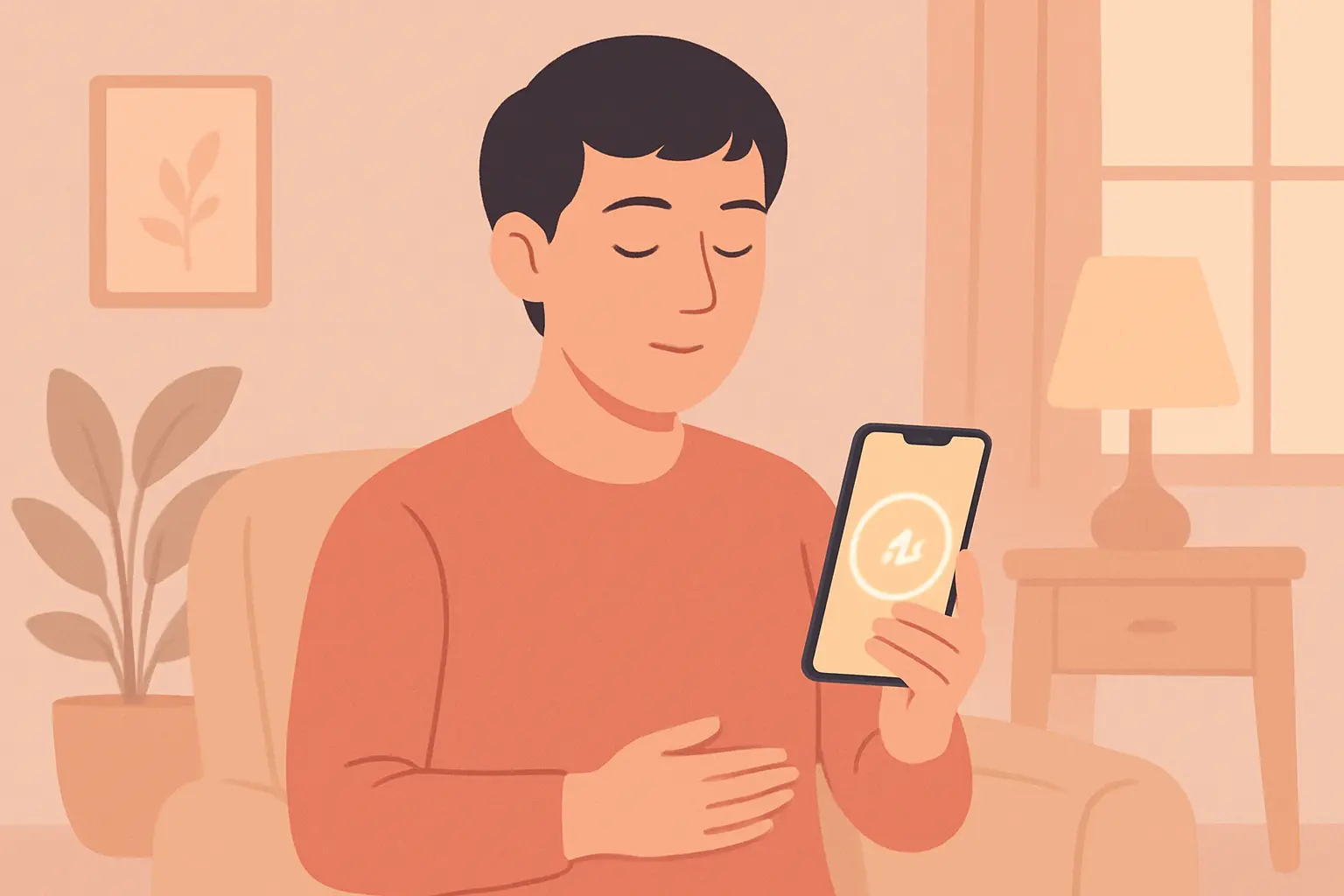
Because day 3 cravings are frequent and short — often only a few minutes each — tools built for the moment matter more than willpower alone. Structured breathing (such as box breathing or 4-7-8 breathing), a short walk, cold water, and grounding techniques like the 5-4-3-2-1 method are all practical ways to ride out a single craving wave without smoking.
This is exactly where in-the-moment tools like iQuit’s SOS mode and craving-surfing exercises are designed to help: they give you something concrete to do for the few minutes a craving actually lasts, rather than leaving you to white-knuckle it. A quick, honest way to handle any individual urge is covered in more depth in how to handle a craving in three minutes.
For some people, day 3 is also the point where medication genuinely earns its place. NRT (patches, gum, lozenges), along with prescription options such as varenicline or bupropion, directly target the nicotine-receptor mismatch driving these symptoms — Cochrane’s review of nicotine replacement therapy found it meaningfully increases the chance of quitting successfully. Using them is not a sign of weakness, and combining behavioral tools with medication consistently produces higher quit rates than either alone. If you are already on a prescribed stop-smoking medication, keep taking it as directed through day 3 rather than stopping early because symptoms feel manageable; day 3 is precisely when it is doing the most work.
What makes day 3 worse than it needs to be?
Poor sleep, skipped meals, caffeine and alcohol, and unmanaged stress all compound withdrawal symptoms that are already at their peak. Trying to “white-knuckle” through day 3 with no plan — no NRT, no distraction strategy, no support — also makes it harder than it has to be, since nicotine replacement therapy specifically targets the receptor mismatch described above. The NHS quit smoking hub sets out the free support and medication options available if you are going it alone.
Reviewing what your body is doing more broadly, in what happens to your body when you stop smoking, can help contextualize day 3 as one difficult stop on a route that gets steadily easier, not a sign that something has gone wrong.
When to see a doctor: Most day 3 symptoms, however unpleasant, are a normal and temporary part of withdrawal. But seek medical advice if you experience chest pain, severe shortness of breath, thoughts of self-harm, or low mood that feels unmanageable or does not start easing after the first week or two — these warrant clinical attention rather than waiting it out. If you are using prescription stop-smoking medication, do not stop it without talking to your prescriber first, even if day 3 tempts you to think you no longer need it.
Does simply knowing this help you get through it?
Yes — and this is not just reassurance. Research on abstinence-related expectancies has found that smokers’ beliefs about how bad withdrawal will be are themselves a meaningful predictor of how bad it actually feels: people with more pessimistic expectations tend to report more severe withdrawal, while those with more optimistic expectations report milder symptoms and are more likely to stay abstinent. Knowing that day 3 has a name, a known mechanism, and a known endpoint appears to change the experience of living through it.
For the fuller arc beyond day 3, the full nicotine withdrawal timeline and the stages of nicotine withdrawal map out what to expect week by week, while why you feel worse before you feel better explains the flu-like symptoms some quitters also experience in these early days. If you make it to the two-week mark, what happens at two weeks smoke-free shows just how much changes after day 3 passes — and further out, the three-month quit plateau is a very different, far calmer kind of challenge.
Frequently Asked Questions
Why is day 3 worse than day 1 when quitting smoking?
By day 3, nicotine and cotinine have largely cleared your bloodstream, removing the last chemical buffer, while day 1’s adrenaline and motivation have also worn off. The combination leaves dopamine at its lowest point of the quit so far. Cleveland Clinic places the peak of withdrawal on the second or third nicotine-free day.
How long do nicotine withdrawal symptoms last?
Cleveland Clinic reports that symptoms start four to 24 hours after your last nicotine, peak on day two or three, and fade over three to four weeks, getting a little better each day after the third. Cravings and increased appetite commonly outlast the other symptoms.
How long does nicotine stay in your bloodstream?
Nicotine has a half-life of about two hours, so blood levels fall by roughly half every two hours after your last cigarette. Nicotine and its metabolite cotinine are largely cleared from the bloodstream within about 48 to 72 hours of quitting, which is exactly the window when day 3 symptoms peak.
Why do cravings feel constant on day 3?
Chronic smoking upregulates nicotinic acetylcholine receptors in the brain, and brain-imaging research shows this upregulation persists after nicotine itself is gone, which is why craving intensity stays high in the first days of quitting rather than fading immediately. Receptor availability takes roughly three weeks to move back toward a non-smoker’s baseline.
How long does an individual craving actually last?
A single craving wave typically passes within a few minutes, even though it can feel much longer, especially on day 3 when they come in rapid succession. Riding out that short window with a breathing exercise, a walk, or another distraction is usually enough for it to pass.
Does nicotine replacement therapy help with day 3?
Yes. NRT (patches, gum, lozenges) provides a steady, lower dose of nicotine that softens the receptor mismatch driving day 3 symptoms, without the combustion toxins of cigarette smoke. Cochrane’s review of nicotine replacement therapy found it meaningfully increases the chance of quitting successfully compared with no medication.
Is it normal to feel depressed or anxious on day 3?
Yes, low mood, anxiety, and irritability are recognized nicotine withdrawal symptoms, driven by the same dopamine and stress-hormone shifts that cause physical cravings (Cleveland Clinic). If low mood is severe, persistent beyond a few weeks, or includes thoughts of self-harm, speak with a doctor rather than assuming it will resolve on its own.
Does knowing why day 3 is hard actually make it easier?
Research on abstinence-related expectancies has found that smokers who expect withdrawal to be manageable tend to experience milder symptoms and better quit outcomes than those who expect it to be unbearable. Understanding the mechanism behind day 3 is not just reassurance — it appears to change the lived experience.
What comes after day 3 gets easier?
Days 4 through 7 typically show gradual stabilization, with physical cravings continuing to ease through weeks 2 to 4 while sleep and concentration usually normalize first. By two weeks smoke-free, most people report a noticeable, sustained improvement compared with the first three days.
Can I avoid day 3 by cutting down instead of quitting outright?
Cutting down spreads withdrawal out rather than removing it, and Cochrane evidence finds no significant long-term difference in quit rates between gradual reduction and stopping abruptly. What consistently helps either way is using a stop-smoking aid alongside behavioral support, which a pharmacist or stop smoking service can set up with you.
Get through day 3 with tools built for exactly this moment
iQuit’s SOS mode, box breathing, and virtual cigarette are designed for the short craving waves that hit hardest on day 3 — plus predictive craving forecasts that learn your risky hours before they arrive.