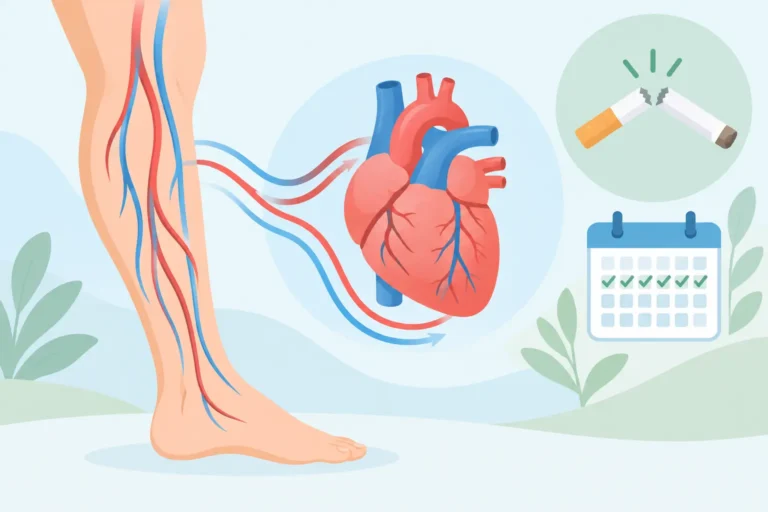
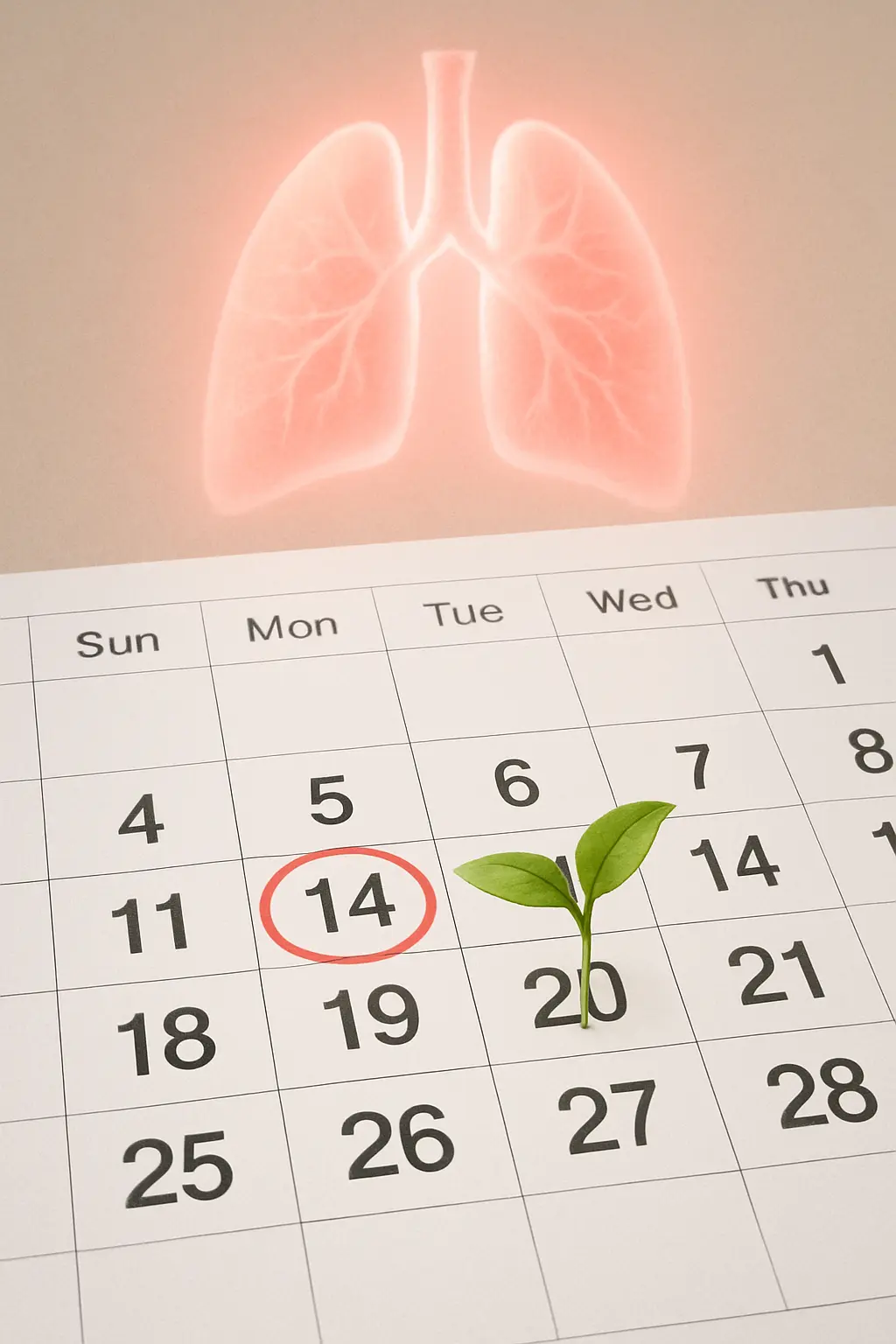
If you’re reading this at day 12, 13 or 14, take a breath — literally. You’ve made it through the hardest chemical stretch of quitting, and your body is already proving it. Two weeks smoke-free is the point where circulation and lung function measurably improve, carbon monoxide is completely gone, and your taste and smell have come back online. But it’s also a strange, in-between stretch: the physical withdrawal is fading, yet cravings can still ambush you, and a dangerous “I’ve proven I can do this, so one won’t hurt” thought pattern tends to show up right around now. This guide covers exactly what’s changed, what’s still hard and why, and how to get through the next two weeks without losing the fourteen days you’ve already won.
What’s Different at the Two-Week Mark
Two weeks is a genuine turning point. The full nicotine withdrawal timeline shows most acute symptoms — irritability, restlessness, intense cravings — peaking around day 3 and gradually easing over the following three to four weeks (Cleveland Clinic; National Cancer Institute). By day 14 you’re well past the peak, and your body has stopped fighting nicotine withdrawal in the way it was during your first week smoke-free.
What makes two weeks distinct from one week is that the physical changes have become measurable rather than just felt. Circulation is better. Lungs move more air. And for the first time since you quit, your body has fully cleared the toxic chemicals from combustion — not just nicotine.
Your Circulation and Lung Function Are Measurably Better
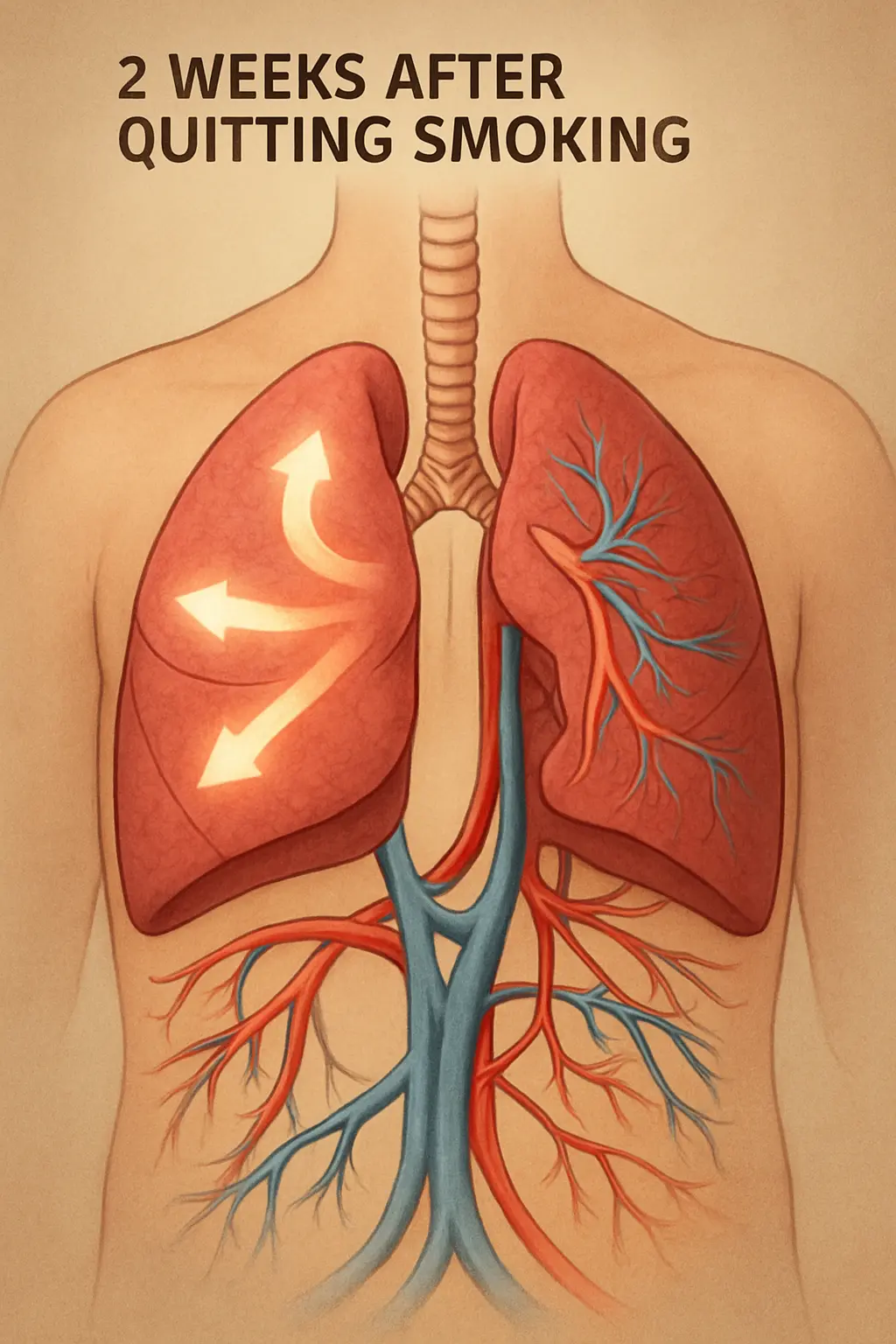
The World Health Organization’s health benefits of smoking cessation guidance places the change simply: between 2 and 12 weeks after quitting, “your circulation improves and your lung function increases.” The American Lung Association describes the same milestone in a 2-week-to-3-month window. Neither organization publishes a single percentage for how much lung function rises, because the size of the gain depends heavily on age, smoking history, and any existing lung condition — so “measurably better” is the honest claim, not a fixed number. In practical terms: blood moves more efficiently through your heart and muscles, oxygen delivery improves, and everyday exertion — climbing a flight of stairs, a brisk walk, carrying groceries — starts to feel less effortful.
This isn’t the finish line for lung repair. The airway lining’s tiny hair-like cilia, damaged by years of smoke, are still regrowing, and that process continues for months. But the direction of travel is now unmistakable, and it’s the reason many people report their first “I can actually feel a difference” moment right around day 10–14.
Here’s a short video from NHS-affiliated Yorkshire Smoke Free that walks through the full timeline of health benefits after quitting, including what’s happening to your circulation and lungs by this stage:
Carbon Monoxide Is Gone, Taste and Smell Are Back
Carbon monoxide from cigarette smoke displaces oxygen in your blood, and it clears fast — within 12 to 24 hours of your last cigarette, according to the CDC and WHO. By two weeks, that’s ancient history: your blood oxygen-carrying capacity has been fully normal for well over a week. Nerve endings responsible for taste and smell, which are blunted by smoke exposure, also regenerate in the early weeks, which is why food often starts tasting noticeably sharper and more vivid by this point — a small, genuinely enjoyable sign of organ-by-organ recovery after quitting.
Day-by-Day: What Days 8–14 Actually Feel Like
Every quit is different, but this is the general shape reported across clinical withdrawal literature and NHS stop-smoking service guidance for the second week. Notice how the physical column trends steadily upward while the psychological column is less linear — that mismatch is normal, and it’s the reason the second week can feel confusing even as your body objectively improves.
| Day | Physical | Psychological |
|---|---|---|
| 8–9 | Sleep often still disrupted; energy fluctuating | Irritability easing but still present |
| 10–11 | Coughing may increase briefly as cilia clear mucus and debris | Cravings shorter but can still feel intense in trigger situations |
| 12 | Circulation and breathing noticeably easier during activity | Confidence rising — the “I’ve got this” feeling starts |
| 13 | Taste and smell continuing to sharpen | Overconfidence risk window opens (see below) |
| 14 | Lung function measurably improved vs. quit day | Craving frequency drops, but stress/alcohol/social cues still trigger urges |
Why It’s Still Hard: The Craving-Frequency Trap
Here’s the part that surprises people: physical withdrawal and craving frequency aren’t the same thing, and they don’t fade on the same schedule. Nicotine itself clears your bloodstream within days, and most acute physical symptoms taper within three to four weeks, according to the National Cancer Institute’s nicotine withdrawal fact sheet. But cue-driven cravings — the ones triggered by coffee, a stressful email, a drink with friends, or just habit and boredom — can persist far longer, because they’re learned associations, not chemical need.
This is why you might feel physically “fine” at two weeks yet still get blindsided by a sudden, sharp urge. It doesn’t mean something has gone wrong. It means your brain is still unlearning years of paired habits, a process that continues well past the point where nicotine cravings actually stop being chemically driven.
The practical upshot is to keep your coping tools handy even once you feel physically well. Individual cravings typically pass within a few minutes whether or not you act on them — Ireland’s HSE quit service puts the usual range at three to five minutes. Slow breathing, a short walk, or simply naming the trigger out loud (“this is the after-dinner cue, not a real need”) is usually enough to ride out one.
The Day 10–14 Relapse Trap
Research on smoking relapse consistently identifies overconfidence as a genuine risk factor, and the pattern has a recognizable shape: after the acute misery of the first week fades, some quitters start to think “I’ve proven I can handle this, so one cigarette at a party won’t undo it.” That thought is the trap. Nicotine dependence resets fast — a single cigarette after two smoke-free weeks reintroduces the exact chemical you spent fourteen days clearing out, and for many people it reopens full daily use within days, not weeks.
The honest framing is this: feeling stronger at day 12–14 is real and worth celebrating, but it’s a sign the hard chemical work is paying off — not a sign you’re now immune to nicotine. If a slip does happen, though, it’s data, not defeat: understanding the trigger is more useful than self-punishment, and getting back to zero the same day matters far more than the slip itself.

What to Expect in Weeks 3 and 4
Moving into weeks 3 and 4, most people notice cravings continuing to shrink in both frequency and intensity, sleep normalizing further, and the “automatic hand movement” reflex for a cigarette fading. This is also roughly where the CDC and WHO timelines mark one to nine months as the window when coughing and shortness of breath meaningfully decrease as cilia function keeps improving — a trajectory covered in full in the week-by-week benefits guide for the first 12 weeks and the complete guide to your one-month milestone. Anyone whose breathing hasn’t started to ease by then may want to read about the full breathlessness recovery timeline, which covers why it can briefly worsen before it gets better.
This is also a good moment to lean on structure rather than willpower alone. Logging cravings — what triggered them, how intense, how you rode them out — turns a vague sense of “I’m doing okay” into visible proof. iQuit’s craving and mood journal, streak tracking, and 15 health milestones are built for exactly this stretch, giving you a concrete daily record of the recovery that’s already happening in your body.
When to See a Doctor
Most day-14 symptoms are a normal, expected part of recovery. But see a doctor or nurse promptly if you notice: chest pain, a racing or irregular heartbeat, coughing up blood, breathlessness that is severe, worsening, or happening at rest, a persistent cough with fever, or mood changes that include thoughts of self-harm. These are not typical withdrawal signs, and getting them checked is not a setback — it’s good self-care, and it does not mean you have to go back to smoking to manage them.
Frequently Asked Questions
Is two weeks smoke-free a real milestone?
Yes. The WHO places improved circulation and increased lung function in the 2-to-12-week window after quitting, and the American Lung Association in the 2-week-to-3-month window. Neither publishes a single percentage for the size of the gain, but the improvement itself is a genuine physiological milestone, not just a psychological one.
Why do I still get cravings if withdrawal is supposed to be over?
Physical nicotine withdrawal and habit-driven cravings run on different timelines. Most acute symptoms ease within three to four weeks (National Cancer Institute), but cue-triggered cravings — tied to coffee, stress, or social situations — are learned associations that can persist for months after the chemical need has gone.
Why does my cough seem worse around day 10–12?
As cilia — the tiny hairs that clear mucus from your airways — start regenerating, they become better at doing their job, which can temporarily increase coughing as trapped debris and mucus clear out. This is a sign of healing, not harm, and it typically settles within a few weeks.
Is it true relapse risk goes up around two weeks?
Overconfidence is a documented relapse trigger in smoking-cessation research, and it commonly appears once the hardest physical symptoms have faded, around week two. The thought pattern is usually some version of ‘one won’t hurt’ — recognizing it in advance is one of the most effective defenses against it.
Has carbon monoxide fully left my body by two weeks?
Yes. Carbon monoxide levels return to normal within 12 to 24 hours of your last cigarette (CDC, WHO), so by two weeks your blood’s oxygen-carrying capacity has been fully restored for well over a week.
Will my sense of taste and smell keep improving?
Often, yes. Nerve endings dulled by smoke exposure regenerate in the weeks after quitting, and many people report taste and smell continuing to sharpen into the first and second month, alongside broader improvements described in organ-by-organ recovery research.
What if I slip at day 12 or 13?
A slip is data, not defeat. One cigarette does not erase the circulatory and respiratory progress you’ve made, but it can quickly restart nicotine dependence, so the priority is understanding the trigger and returning to zero immediately rather than treating it as a full relapse.
When should I be worried about breathlessness at this stage?
Mild breathlessness that’s gradually improving is normal. Seek medical care for breathlessness that is severe, worsening, occurs at rest, or comes with chest pain, an irregular heartbeat, or coughing up blood — these need prompt clinical assessment rather than waiting it out.
Fourteen Days Down — Keep the Streak Visible
iQuit turns milestones like this one into a daily dashboard: days smoke-free, cigarettes avoided, money saved, and 15 health milestones from 20 minutes to 15 years — plus SOS breathing tools for exactly the moments this article describes.