How to Quit Smoking on Night Shift: A Step-by-Step Guide for Shift Workers (2026)
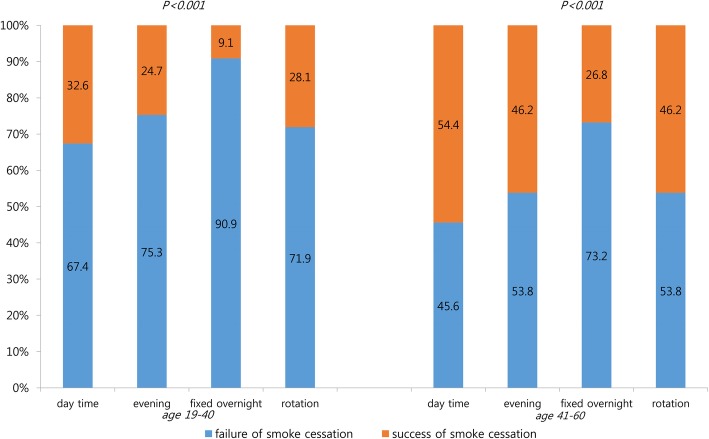
Night shift work and smoking have a complicated relationship — and the research backs up what many shift workers already feel. A landmark study published in the Journal of Occupational Medicine and Toxicology found that fixed overnight workers had an odds ratio of 3.30 for failed smoking cessation compared to daytime workers — meaning quitting is dramatically harder when you’re working against your body’s natural clock. If every quit attempt so far has unravelled by 3 am on a long stretch, you are not weak. You are fighting a biological, social, and environmental battle that standard quit advice was never designed for. This guide is built specifically for you.
The challenges are real and distinct. Circadian rhythm disruption impairs the brain’s reward regulation, making nicotine’s dopamine hit feel more necessary during a night shift than during a normal day. Fatigue blunts willpower. The social support networks that help daytime quitters — a partner who notices a craving, a GP appointment during business hours, a stop-smoking group on a Tuesday evening — are largely inaccessible at 2 am. Add to that the isolation of working while the rest of the world sleeps, and the result is a quit-smoking environment that demands a tailored strategy, not a generic one.
This step-by-step 2026 guide addresses every stage of quitting as a shift worker: choosing your quit method around your roster, timing NRT to your inverted body clock, managing the specific triggers that spike on night shifts, and building a support system that actually works when you’re working unusual hours.
Why Shift Workers Struggle More to Quit Smoking
Understanding why night shift workers find quitting harder is not just intellectually interesting — it directly informs the strategies that will actually work for you. There are four interlocking mechanisms at play.
Circadian Rhythm Disruption
Your body’s circadian system governs not just sleep but also mood regulation, stress hormone release, and the brain’s reward circuitry. When you work nights, your internal clock and the external light-dark cycle are chronically misaligned. This misalignment increases vulnerability to addictive behaviour, because the brain’s dopamine reward system — the same system nicotine hijacks — is partly governed by circadian timing. Researchers exploring the link between melatonin and nicotine dependence have highlighted that disrupted circadian biology may intensify the pull of nicotine as a coping mechanism.
Sleep Deprivation and Fatigue
Shift workers typically sleep fewer hours and at lower quality than day workers. Sleep deprivation weakens the prefrontal cortex — the brain region responsible for impulse control and decision-making. When you are running on four or five hours of broken sleep, the part of your brain best equipped to say “no” to a craving is operating at reduced capacity. This is a biological reality, not a personal failing.
Social Isolation
The Korean study in the Journal of Occupational Medicine and Toxicology specifically identified social insufficiency — the inability to participate in normal family and community life — as a major driver of cessation failure among night workers. When a smoking colleague on the break room steps outside for a cigarette, the social pull to join them is powerful. Conversely, when your family is asleep during your waking hours and friends are unavailable, the support networks that aid cessation simply aren’t there.
Tobacco as a Work Tool
Many night shift workers have built smoking into their work rhythm as a way to structure breaks, stay alert, manage boredom during quiet periods, and decompress after stressful incidents. Nicotine’s stimulant effect feels functional at 4 am in a way that it rarely does during a daytime job with natural social and environmental variety. Breaking this learned association is a specific psychological task that general quit guides do not address.
Step 1: Choose a Quit Date Around Your Roster
Most quit-date advice tells you to pick a meaningful calendar day — New Year’s Day, a birthday, World No Tobacco Day. For shift workers, the roster matters far more than the date. Here is how to choose strategically.
- Start at the beginning of a run of nights off. Your first 72 hours without nicotine are the most physiologically intense. Give yourself the gift of going through the worst of it while you can sleep normally, eat regular meals, and have support around you.
- Avoid quitting at the start of a long stretch of nights. Seven consecutive nights with disrupted sleep and heightened fatigue, while simultaneously managing acute withdrawal, is a very high-difficulty combination.
- Give yourself at least one full week of preparation. Use the time before your quit date to reduce cigarette count, start NRT if your GP recommends it, and map out your triggers (see Step 4).
- Tell your colleagues your quit date. Shift workers spend more consecutive hours with coworkers than many office employees do. A simple “I’m quitting from Monday — please don’t offer me cigarettes” converts colleagues from a trigger into accountability partners.
Step 2: Select the Right Quit Method for Shift Work
The most effective quit methods for any smoker are combination approaches recommended by the NHS: NRT, prescription medication, and behavioural support. For shift workers, certain configurations work better than others.
| Method | Shift Worker Suitability | Key Consideration |
|---|---|---|
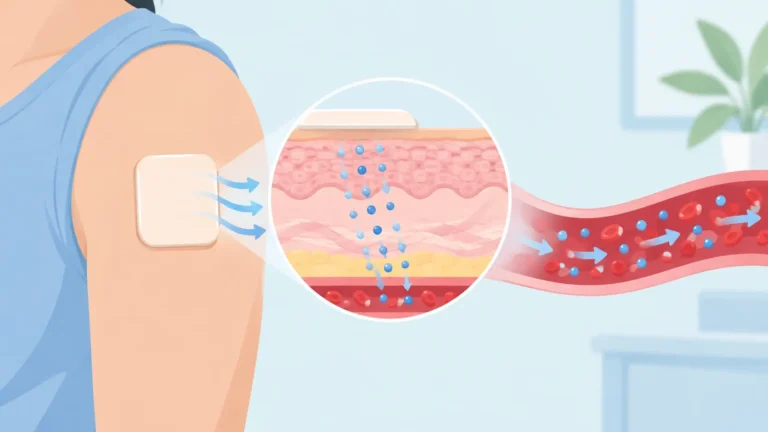
| Nicotine patch (24-hour) | Good baseline | Apply when you wake up, regardless of time; remove before sleep if vivid dreams are a problem |
| Nicotine gum / lozenge | Excellent for shift work | Fast-acting; use when craving spikes during shift; no sleep disruption risk |
| Combination NRT (patch + gum/lozenge) | Best for most shift workers | Patch covers background cravings; gum/lozenge handles acute spikes; evidence shows 50–70% improvement in quit rates |
| Varenicline (Champix/Chantix) | Highly effective | Prescription only; requires GP access; most effective single medication available; may cause vivid dreams — relevant for disrupted sleepers |
| Bupropion (Zyban) | Good alternative | Prescription only; useful if depression is also a factor; take earlier in your waking day to avoid insomnia |
| Cold turkey (no aids) | Low success rate | Success rate under 5% unaided; combined with shift work stress, not recommended |
The Cochrane systematic review on NRT confirms that any form of NRT increases quit success by 50–70% compared to no treatment, and combination NRT outperforms single-product NRT. For shift workers juggling unpredictable craving intensity across a 12-hour overnight shift, having both a steady background source and a fast-acting rescue option is particularly valuable.
Talk to your GP or a pharmacist about prescription options. Many NHS Stop Smoking Services offer telephone or online appointments that can work around unusual hours — call 0300 123 1044 (England) to find your nearest service.
Step 3: Time Your NRT to Your Body Clock, Not the Calendar
Standard NRT instructions are written for nine-to-five workers. If you apply a patch at 7 am, it was designed for someone who is awake. If your waking day starts at 6 pm, the timing logic needs to shift accordingly. Here is how to adapt it.
Patch Timing for Night Shift Workers
- Apply the patch when you wake up before your night shift — typically late afternoon or early evening.
- If 24-hour patches cause vivid dreams during your daytime sleep, switch to a 16-hour patch and remove it before your sleep window.
- Do not apply the patch at the “normal” time of day just because the packet says morning — your morning is different.
Fast-Acting NRT During Your Shift
- Keep nicotine gum, lozenges, or a mouth spray in your work bag — accessible during breaks without needing to step outside.
- The “step outside for fresh air” trigger is one of the strongest for shift workers. Having an immediate alternative means you do not need to physically act on it the old way.
- Use fast-acting NRT proactively at the times you know cravings historically peak — for many night shift workers this is around the 3–4 am dip and immediately after stressful patient/client interactions.
For a full breakdown of managing cravings on shift, the guide on managing nicotine withdrawal at work covers step-by-step tactics that apply directly to your environment.
Step 4: Identify and Manage Night-Shift-Specific Triggers
Triggers are the situations, emotions, and environments that make you want to smoke. Night shift workers have a distinct trigger profile from daytime smokers. Identifying yours precisely is one of the highest-leverage things you can do before quitting.
Common Night-Shift Smoking Triggers
Body temperature and alertness drop to their lowest point. Nicotine’s stimulant effect feels like a genuine functional need, not just a craving.
Stepping outside with colleagues is as much social bonding as nicotine delivery. The cigarette is the excuse for the break, not just the product.
After a difficult patient, difficult customer, or high-pressure moment, a cigarette is the learned decompression ritual.
Quiet periods — particularly between 1–3 am in many work environments — create a vacuum that smoking fills. Boredom is one of the strongest and most underrated triggers.
The drive home or the walk to the car park after a long night often includes an automatic cigarette. This is a deeply conditioned reward pattern.
The smoking group on a night shift often shares a particular camaraderie. Leaving that group feels like a social cost, not just a health decision.
Replacement Strategies for Each Trigger
- The 3–4 am dip: Prepare a caffeine strategy in advance — a coffee or tea at this point is legitimate and effective. Cold water, a brief walk inside the building, or breathing exercises can also sharpen alertness without nicotine.
- The break room ritual: Keep taking your breaks. Step outside if you want fresh air. Just bring your NRT, a drink, or a podcast, rather than a cigarette. The break is yours; the cigarette was just the vehicle.
- Post-incident stress: A 5-minute box-breathing exercise (inhale 4 counts, hold 4, exhale 4, hold 4) has documented effects on acute stress. The guide on quitting smoking while managing stress and anxiety has a full set of evidence-based techniques to replace the decompression role smoking played.
- Boredom: Keep an audiobook, podcast, or language-learning app available. Physical tasks, tidying, or organising during quiet periods also displace the urge. Hands and mind occupied = craving weakened.
- End-of-shift: Change the post-shift routine deliberately. Drive a slightly different route, put on a specific playlist, or make a point of calling someone you haven’t spoken to — anything that creates a new association with “shift over.”
- Social pressure: A direct, brief statement to colleagues works better than avoidance: “I’ve quit — I’m still taking a break though.” Most shift workers respect a direct statement. Those who do not are a temporary discomfort compared to the long-term cost of continuing to smoke.
Understanding trigger patterns is core to cessation success. For a broader framework on recognising and neutralising triggers across different contexts, the article on handling smoking triggers at work and social events walks through a detailed process.
Step 5: Protect Your Sleep — The Most Underrated Quit Tool
Sleep and quitting smoking have a two-way relationship that matters enormously for shift workers. Poor sleep worsens cravings, weakens impulse control, and increases the emotional distress that smoking used to soothe. Conversely, early cessation improves sleep quality as carbon monoxide clears from the blood and oxygen circulation normalises within days of quitting.
How to Protect Your Daytime Sleep While Quitting
- Blackout your sleep environment completely. Daytime light is the single biggest disruptor of shift worker sleep. Blackout curtains, a sleep mask, and a “do not disturb” sign on the door are not luxuries — they are cessation tools.
- Remove your nicotine patch before sleep if it’s causing vivid dreams. The patch continues delivering nicotine during sleep, which can be activating. A 16-hour patch worn during your waking window avoids this.
- Avoid caffeine in the last 4 hours of your shift. The 3 am coffee is fine; the coffee at 6 am, two hours before your sleep window, will extend the time it takes to fall asleep.
- Tell your household. If family or housemates don’t know you’re sleeping days, they will inadvertently disturb you at precisely the moments when you are most vulnerable to a craving-driven phone call to a smoking friend.
The research reviewed in the journal Nicotine & Tobacco Research found that optimising sleep is a meaningful target for improving smoking cessation outcomes — improved sleep quality is directly linked to lower relapse rates. Protecting your sleep window is not a secondary concern; it is part of the quit strategy itself.
Step 6: Build a Support System That Works Around the Clock
Standard stop-smoking support is built for daytime availability. Stop-smoking groups meet on Tuesday evenings. GP appointments require booking days in advance and attending at 10 am. This is a genuine access problem for night shift workers, and solving it requires building a support system specifically around your hours.
Digital and App-Based Support
Quit-smoking apps are available 24 hours a day, 7 days a week. They can track your progress, send craving-specific prompts at the moments you set them, log money saved, and provide breathing exercises at 3:17 am when no human support is available. The iQuit app — available on iOS and Android — provides an AI coach, craving tracker, and health milestone notifications designed around your personal quit timeline, not a generic schedule. For a detailed look at how iQuit’s AI coach is specifically designed to handle 3 am craving spikes, shift schedule configuration, and the science behind its pattern recognition, see our companion article on the iQuit AI coach for shift workers.
Online Communities
Online forums and communities (Reddit’s r/stopsmoking, NHS Smokefree community, the American Lung Association’s support network) are populated by people quitting across all time zones. A post at 3 am will receive replies. Human connection around quitting, even asynchronous, significantly improves outcomes.
Nominate an Accountability Partner
Choose one person — a partner, family member, or friend — who agrees to receive a text from you when a craving is severe. This does not need to be in real time; even knowing you will text them “held on” or “struggled tonight” creates accountability that matters. If your family members are day workers, agree on a brief check-in window that works for both of you — perhaps a 5-minute call before your shift begins.
Workplace Support
In the UK, many NHS trusts and large employers have occupational health services. Even if you cannot access the GP during standard hours, your occupational health team may be able to provide NRT referrals, counselling, or at minimum a signed letter supporting flexible access to stop-smoking services. Ask specifically whether telephone or online NHS Stop Smoking support is available to you.
Step 7: Handle Slips Without Losing the Quit
Shift workers who slip — particularly on a difficult stretch of nights — face a heightened risk of interpreting a single cigarette as total failure. The evidence tells a different story. According to data from the CDC’s smoking cessation data, most people who successfully quit long-term make multiple serious attempts first. A slip is information, not defeat.
What to Do After a Slip
- Stop at one. Do not let “I’ve already had one” become “so I may as well smoke tonight.” A single cigarette is a slip. An entire packet returns you to square one.
- Identify the trigger. Which specific moment on which specific shift triggered the slip? Write it down. This information sharpens your plan for next time.
- Review your NRT timing. Was the craving at a point in the shift where you had no fast-acting NRT available? Adjust the plan — carry more, stock your locker.
- Contact your support. Send the text, post in the forum, call the helpline. Shame and isolation are the conditions in which slips become relapses. Connection is the antidote.
- Recommit to your quit date within 24 hours. Not next week. Not after this rotation. The longer you wait, the harder restart becomes.
The distinction between a slip and a relapse is a mindset, not a fixed event. The article on dealing with nicotine withdrawal symptoms covers the physiological side of what happens after a slip — understanding what your body is doing makes it much easier to hold firm through the discomfort. And using an app that logs cravings and patterns over time means each near-miss becomes data, not just a difficult memory.
A Note on Weight and Night-Shift Eating Patterns
Night shift workers already face metabolic disadvantages from circadian disruption — insulin sensitivity is lower during night hours, and snacking during a shift can quickly become a weight-concern during early cessation when appetite increases. The fear of weight gain is a common reason people delay quitting. The evidence-based guide to quitting without weight gain addresses this directly, with strategies that work for people whose eating window does not align with daytime norms.
Practical note for shift workers: keep healthy, filling snacks in your locker — nuts, fruit, rice cakes. When the 3 am craving arrives and there is nothing to reach for except a cigarette or the vending machine, having a pre-planned alternative matters. If your hands and mouth are occupied with something, the automatic reach for a cigarette is broken.
The Case for Quitting: What Shift Work Adds to the Risk
Night shift work independently elevates risk for cardiovascular disease, metabolic syndrome, and certain cancers through circadian disruption. Smoking compounds each of these risks substantially. The WHO’s first clinical guideline on tobacco cessation, published in 2024, documents that tobacco kills more than 8 million people per year globally. For shift workers, the compounding of two independent risk factors makes quitting not just a general health improvement but a particularly high-value intervention for your specific situation.
Within 20 minutes of your last cigarette, your heart rate and blood pressure begin to fall. Within 12 hours, carbon monoxide levels in your blood normalise — directly improving the quality of the sleep that is already under pressure from shift work. These early benefits arrive regardless of whether you quit during a run of nights or days off. Your body’s healing is not contingent on your roster.
Ready to Quit? iQuit Can Help
The iQuit — Quit Smoking App is built for real life — including the 3 am moments, the post-shift cravings, and the days when motivation dips. Track your health milestones, log money saved, access craving tools any time, and connect with a community of people who know exactly what you’re going through.
Download iQuit free and start your personalised quit plan today — tailored to your schedule, not a generic nine-to-five.
Frequently Asked Questions
Is it harder to quit smoking on night shift compared to day shift?
Yes, significantly. Research published in the Journal of Occupational Medicine and Toxicology found that fixed overnight workers have an odds ratio of 3.30 for failed smoking cessation compared to daytime workers — meaning quitting is roughly three times harder. Circadian rhythm disruption, sleep deprivation, social isolation, and the functional role nicotine plays during night shifts all contribute. The solution is a quit plan specifically designed around these factors, not a standard one-size-fits-all approach.
When should a night shift worker apply a nicotine patch?
Apply your nicotine patch when you wake up, regardless of what time the clock says. If you wake at 5 pm before a night shift, that is your morning, and that is when to apply the patch. If 24-hour patches are causing vivid dreams during your daytime sleep, switch to a 16-hour patch worn only during your waking window. The aim is to have consistent nicotine levels throughout your working hours, not to follow the packaging’s assumption of a morning-based schedule.
What can I do about cravings at 3 am when I can’t call anyone for support?
Cravings peak at around 3–4 am for night shift workers due to the lowest point in the body’s circadian alertness cycle. Keep fast-acting NRT (gum, lozenge, or mouth spray) immediately available. Use a quit-smoking app such as iQuit that provides 24/7 craving tools, breathing exercises, and progress tracking. Posting in an online forum (r/stopsmoking is active around the clock) provides human connection even when no one you know personally is awake. The craving itself will peak and subside within 3–5 minutes if you do not act on it.
Should I quit smoking during a stretch of nights or during my days off?
Start your quit during days off whenever possible. Your first 48–72 hours without nicotine involve the most intense physical withdrawal — irritability, concentration difficulty, and strong cravings. Going through this phase while you can sleep normally, eat regular meals, and access support during the day gives you a much better platform than battling the same symptoms on a long stretch of overnight shifts. Once the acute phase passes (typically by day 4–5), you will be better equipped to manage on shift.
How do I handle colleagues who smoke on night break?
Still take your breaks — withdrawing from colleagues is a social cost that makes quitting harder, not easier. Keep going outside for fresh air if that’s part of your break routine. Simply bring your NRT, a drink, or earphones instead of a cigarette. A brief, direct statement — “I’ve quit, but I’m still taking breaks” — removes ambiguity without requiring explanation. Most night shift colleagues will respect this and many will be quietly inspired by it.
Can varenicline (Champix) or bupropion (Zyban) cause sleep problems for shift workers?
Both medications can potentially affect sleep, which is a particular concern for shift workers whose sleep is already under pressure. Varenicline (Champix/Chantix) is associated with vivid dreams in some users. Bupropion (Zyban) can be activating and should ideally be taken during the earlier part of your waking period. Discuss these effects with your GP when starting either medication — they can advise on dosing timing relative to your specific shift pattern. For many shift workers, the benefits of effective cessation medication substantially outweigh manageable sleep side effects.
This article is for informational purposes and does not constitute medical advice. If you are considering prescription cessation medications or have health concerns related to shift work and smoking, please consult a qualified healthcare professional.