Laser therapy to quit smoking is sold as a quick, painless way to switch off cravings, usually in a private clinic. The honest answer to “does it work?” is that nobody has shown it does in a lasting way. The best independent review found the laser trials inconsistent and no reliable evidence of a benefit after six months. Nicotine replacement therapy and prescription medicines, by contrast, have strong evidence and are available through free stop smoking services. This guide compares them on what matters: evidence, safety, cost and what to ask before you pay.
Laser therapy vs NRT at a glance
The table below sets laser therapy beside the treatments health services actually recommend. Every evidence figure comes from a Cochrane systematic review or the FDA, checked on September 15, 2026.
| Option | Best evidence on quitting | Certainty | FDA status for quitting | Typical cost to you |
|---|---|---|---|---|
| Laser therapy | Two trials, inconsistent; no consistent evidence of benefit at 6+ months | Low; no firm conclusions | Not on FDA’s approved or cleared list | Private clinic fee, varies widely |
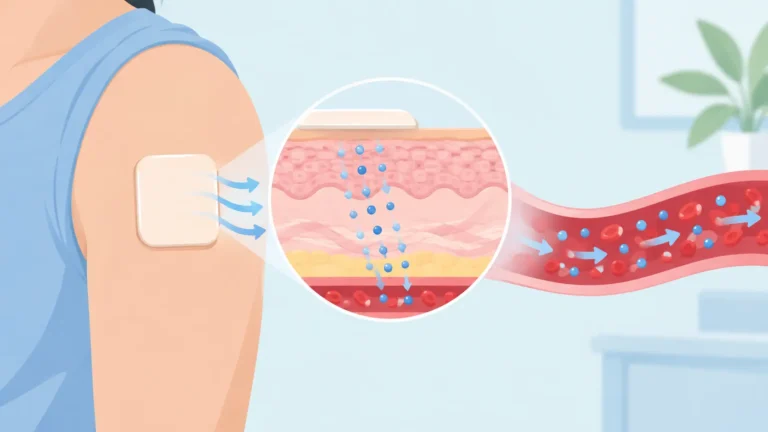
| NRT (patch, gum, lozenge, spray) | About 55% higher quit rates than placebo or no NRT | High | FDA-approved | Over the counter; easier and affordable through NHS stop smoking services |
| Varenicline | More than twice the quit rate of placebo | High | FDA-approved (prescription) | Prescription; available through NHS services |
| Quit app such as iQuit | Evidence for apps is still limited | Very low for apps as a group | Not a medical treatment | Free core app |
What happens in a laser quit-smoking session
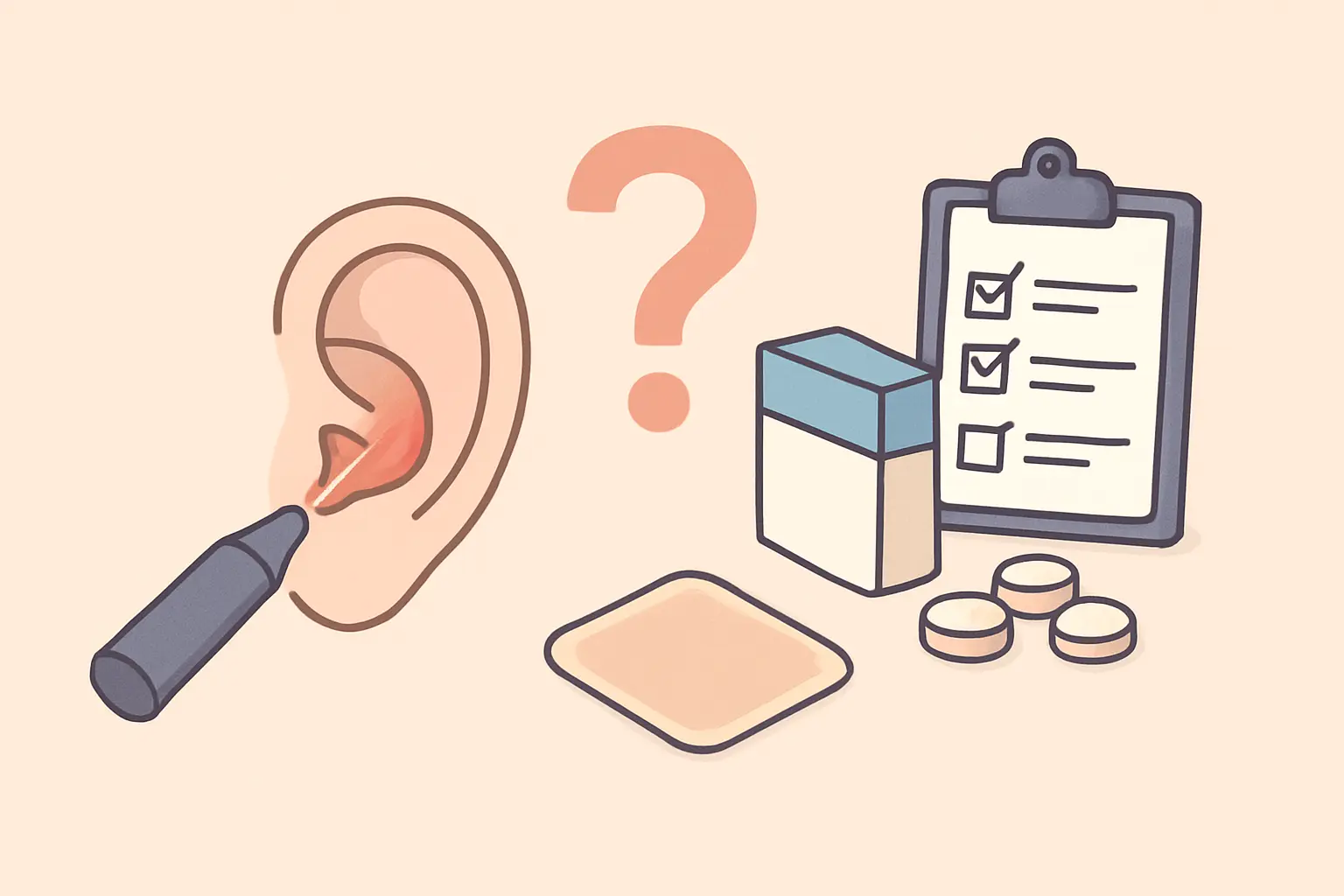
Laser quit-smoking treatment is a needle-free cousin of acupuncture. A practitioner points a low-level laser at specific points, often on the ear, with the aim of easing withdrawal and cravings. The Cochrane review of acupuncture and related interventions groups laser therapy with acupressure and electrical stimulation. It describes them all as ways of stimulating points “without the use of needles.”
Low-level lasers do not cut or burn the skin. A 2021 trial in India described the approach as “a novel noninvasive technology used to stimulate the acupoints recognized for tobacco cessation.” Formats vary a lot between providers. One published case series from 2018 used seven sessions applied to ear and body points, while other clinics market a single visit. Ask any clinic exactly how many sessions its price covers.
What a session does not include
Laser therapy does not replace nicotine. So if your cravings are partly withdrawal from nicotine, a session does nothing directly for that part of the problem. NRT and varenicline, by contrast, are designed to act on nicotine withdrawal.
What it costs
We could not verify a current clinic price from a clinic’s own website during our checks in September 2026, so this guide does not quote one. Prices are set privately, differ by country and clinic, and may cover one session or a package with follow-ups. The NHS page on stop smoking services does not mention laser; it lists NRT and tablets such as varenicline, cytisinicline and bupropion.
Before you book, ask for these points in writing:
- The total price, and how many sessions it includes.
- What any “guarantee” or free repeat session actually requires from you.
- What published, independent evidence the clinic can point to, as opposed to testimonials.
- Whether the practitioner will support you using NRT or medication alongside it.
For a side-by-side view of what other methods cost, see the cheapest way to quit.
What the research says about laser therapy
The Cochrane review
The most rigorous summary is still the Cochrane review, which pooled 38 randomized studies of acupuncture and related techniques. On laser specifically, it found only two trials, and they could not be combined because “the evidence from two trials using laser stimulation was inconsistent.” Its overall conclusion covers laser directly: there is “no consistent, bias-free evidence that acupuncture, acupressure, or laser therapy have a sustained benefit on smoking cessation for six months or more.”
The reviewers were careful not to overstate it the other way. They said that lack of evidence and methodological problems mean “no firm conclusions can be drawn.” They also said these therapies are “safe when correctly applied” but “likely to be less effective than evidence-based interventions.” That review searched studies up to October 2013, so it is old. The newer studies we found are small and do not overturn it.
Newer, smaller studies
- A 2025 meta-analysis in Medical Acupuncture found four eligible laser ear acupuncture trials and could pool only two. People who had laser showed slightly lower nicotine-dependence scores. The difference in how many were still smoking, immediately after therapy and at three months, was not statistically significant. The authors said the small number of trials “warrant cautious interpretation.”
- A 2021 randomized trial of 150 smokers in India measured nicotine dependence scores one month after treatment, not whether people had stopped smoking over the long term.
- A 2018 case series of 175 patients reported good results but had no comparison group, so it cannot separate the laser from motivation, time or chance.
For how these findings sit next to other non-drug approaches, see our acupuncture evidence review and our comparison of CBT vs hypnotherapy vs Allen Carr.

Placebo, expectation and why some people swear by it
Plenty of people say laser therapy worked for them, and many of them are telling the truth about their own experience. The problem is working out why. Someone who books and pays for a clinic session has usually made a firm decision to stop. They have set a date, told people and invested money, and each of those steps helps on its own.
That is exactly why good trials use a sham control. In the Cochrane review, sham treatments included inactive laser devices, so patients should not know whether they were getting the real thing. When a treatment only looks good without that comparison, expectation and commitment are likely doing much of the work. Cochrane’s plain-language summary adds that there is “not enough evidence to dismiss the possibility” of an effect greater than placebo, which is a fair and open-minded place to leave it.
The practical lesson is to keep the parts that clearly help: a firm quit date, telling people, and a plan for cravings. You can have all of those without a clinic fee. Hypnosis apps raise similar questions, as our look at hypnosis apps explains.
How NRT and prescription medicines compare
This is where the evidence is strongest. A 2018 Cochrane review of NRT pooled 133 trials with 64,640 people. It found that any form of NRT raised the chance of stopping for at least six months by about 55% compared with placebo or no NRT, and judged the evidence high quality.
Prescription tablets go further. A 2023 Cochrane review of varenicline and cytisine found high-certainty evidence that varenicline more than doubles quit rates compared with placebo. It found moderate-certainty evidence that cytisine also helps. The same review found people on varenicline were somewhat more likely to report serious adverse events, so it is a decision to make with a prescriber.
These are also the products the FDA recognizes. Its consumer guide to approved and cleared quit products lists nicotine patches, gum and lozenges, prescription NRT, varenicline and bupropion. The only device it mentions is a transcranial magnetic stimulation system cleared for short-term smoking cessation. Laser therapy is not on that list. For a closer look at the options, see NRT options compared.
Mayo Clinic runs through the strategies that do have evidence behind them.
| Treatment | Effect on quitting vs control | Trials pooled | Certainty |
|---|---|---|---|
| Laser therapy | Inconsistent; not combined | 2 | No firm conclusions |
| Any NRT | Risk ratio 1.55 (about 55% more quitters) | 133 | High |
| Varenicline | Risk ratio 2.32 (more than double) | 41 | High |
| Cytisine | Risk ratio 1.30 | 4 | Moderate |
Cost per successful quit
Price alone is a poor way to compare quit methods. What matters is what you pay for each person who actually stays smoke-free. A simple way to think about it is to divide the price by the extra chance of quitting that the treatment adds.
- NRT and varenicline: the extra chance is well measured, and the NHS says its stop smoking services make these treatments easy and affordable to get. Cost per successful quit is low.
- Laser therapy: the extra chance at six months has not been reliably shown. When the benefit is unknown, the cost per successful quit cannot be calculated, however reasonable the fee looks.
- Free support: the NHS says local stop smoking services are free and can improve your chances of quitting for good.
For how quit rates stack up across every method, see our guide to success rates by method. Our guide on how to get free nicotine patches covers where to look.

If you still want to try laser
It is your money and your quit attempt, and laser therapy appears safe when correctly applied. If you decide to go ahead, give yourself the best odds by treating it as an extra rather than the whole plan.
- Keep proven treatment in the plan. Talk to a pharmacist, doctor or stop smoking service about NRT or varenicline, and ask the clinic whether it supports combining them.
- Set a quit date and tell people. Commitment helps whichever method you use.
- Plan for the first weeks. Cravings do not stop on a schedule. Have a written list of what you will do when one hits.
- Be wary of big promises. A success rate without an independent, controlled study behind it is marketing, not evidence.
For the weeks after any session, iQuit’s free core app gives you SOS craving tools with breathing, grounding and distraction tips, plus a craving log that records triggers and intensity. Streak shields and slip recovery mean one bad day does not wipe out your progress. It will not replace NRT or a stop smoking adviser, but it covers the moments neither can reach. For another paid, psychology-first approach, see our QuitSure review.
Laser therapy FAQ
Does laser therapy to quit smoking work?
There is no consistent evidence that it does in a lasting way. A Cochrane review found only two laser trials, with inconsistent results that could not be combined, and no consistent, bias-free evidence of benefit at six months or more. Smaller newer studies are too limited to change that conclusion (Cochrane, 2014; Medical Acupuncture, 2025).
Is laser therapy for smoking FDA approved?
Laser therapy is not on the FDA’s consumer list of approved and cleared quit products. That list covers nicotine patches, gum and lozenges, prescription NRT, varenicline and bupropion. The only device it mentions is a transcranial magnetic stimulation system cleared as an aid for short-term smoking cessation in adults (FDA, checked September 2026).
Is laser therapy for smoking safe?
It appears to be. The Cochrane review describes acupuncture, acupressure and laser stimulation as popular interventions that are safe when correctly applied. The concern is not usually harm from the laser itself but spending money, and possibly delaying proven treatment, on something without reliable evidence of lasting benefit (Cochrane, 2014).
Is laser therapy better than nicotine patches?
Not on current evidence. A Cochrane review of 133 trials found NRT raises six-month quit rates by about 55% compared with placebo or no NRT, with high-quality evidence. The laser evidence is two inconsistent trials. The same Cochrane acupuncture review found acupuncture itself less effective than NRT (Cochrane, 2018; Cochrane, 2014).
How much does laser therapy to quit smoking cost?
Prices are set privately by clinics, vary by country, and may cover one session or a package, so ask for the full price and the number of sessions in writing. We could not verify a current price from a clinic website in September 2026. By comparison, NHS stop smoking services in the UK are free (NHS).
Why do some people say laser therapy helped them quit?
People who book and pay for a session have usually made a firm decision to quit, set a date and told others, and those steps help on their own. That is why trials compare real laser with inactive sham devices. Without that comparison, it is hard to tell the laser’s effect from motivation and expectation (Cochrane, 2014).
What works best to quit smoking instead?
Treatments with strong evidence include NRT, varenicline and cytisine, ideally combined with behavioral support. Cochrane found high-certainty evidence that varenicline more than doubles quit rates versus placebo. In the UK, local NHS stop smoking services are free and offer NRT, tablets and up to 12 weeks of support (Cochrane, 2023; NHS).
Free support for every craving
Whatever method you choose, iQuit gives you SOS craving tools, a craving log with triggers, streak shields for slips and an AI coach that adapts to your progress. The core app is free. Free on Google Play and the App Store.
Download iQuit Free on Google Play
Download on the App Store