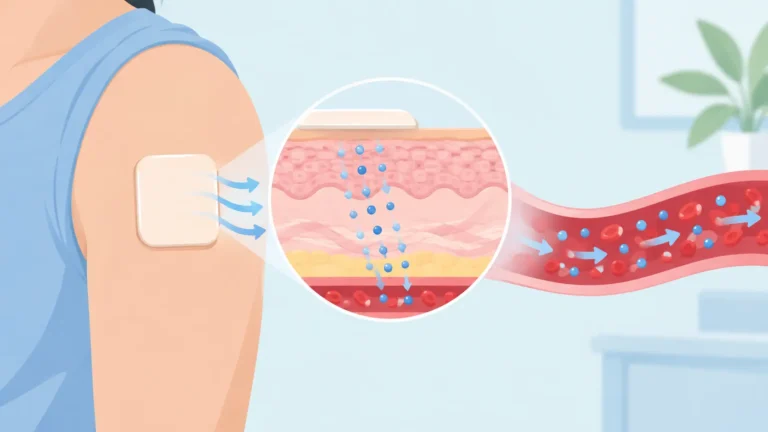
Looking for a quit smoking app for teens on behalf of your son or daughter? The right tool should be free, private and built for their age group. This guide for parents and caregivers compares free teen programs from public health organizations, including quitSTART, SmokefreeTXT for Teens and the EX Program, and explains what to check before your teen installs anything, how to stay involved, and where a general adult app fits.
The Short Answer
The strongest free options for teens are programs built for them, not general adult apps. The quitSTART app is free and comes from the National Cancer Institute’s Smokefree.gov. SmokefreeTXT for Teens is a free text program for ages 13 to 17 in the United States. The EX Program from Truth Initiative is free and says it can help people of all ages.
A general app such as iQuit was not made for teens. If your child is under 18, point them to the teen programs first and agree together before anything is installed. Each program’s own page is quoted below so you can check the wording yourself. For the wider picture, see our guide to quitting as a teenager.
What a Quit Smoking App for Teens Should Offer
Teens quit in a different setting from adults. Friends, school days and the family phone plan all shape what works, so the checklist for a quit smoking app for teens looks a little different from the one you might use for yourself.
- Tailored tips. The quitSTART page says the app “takes the information you provide about your smoking history and gives you tailored tips, inspiration, and challenges.”
- Help for slips. The same page lists “Get back on track if you slip and smoke” as one of the things the app does, which matters because slips are common.
- Craving tools. Look for ways to “Manage cravings and bad moods in healthy ways” and quick distractions rather than long lessons.
- Privacy and control. A teen-friendly app should be clear about who sees the data and make it easy to stop using it. More on that below.
- No cost wall. Free tools exist from public health bodies, so there is little reason to pay for the basics.
If vaping is the habit rather than cigarettes, the checklist is the same, but the program your teen picks should say it covers vapes. Our guide on helping your teen quit vaping covers that side in more detail.
Free Programs Built for Teens
These programs describe themselves on their own official pages. Eligibility differs, so read the “who is it for” line with your teen before signing up.
| Program | Format | Who it is for (from its own page) |
|---|---|---|
| quitSTART (Smokefree Teen) | Free smartphone app | “for teens who want to quit smoking” |
| SmokefreeTXT for Teens | Text messages, 6 to 8 weeks | “Teens aged 13-17 in the United States who are ready to quit smoking” |
| EX Program (Truth Initiative with Mayo Clinic) | Free digital program with text support and community | “people of all ages”; teen text-message study on the page |
| NHS Better Health (UK) | Free Personal Quit Plan and NHS Quit Smoking app | UK general public; the page also has advice for supporting a young person to stop vaping |
quitSTART
The quitSTART page lists what the app does: preparing to quit, monitoring progress and earning “badges for smokefree milestones”, getting back on track after a slip, and distraction “with games and challenges.” It also has a “Quit Kit” for storing tips. The page describes it as “a product of Smokefree.gov,” a resource created by the Tobacco Control Research Branch at the National Cancer Institute in collaboration with the U.S. Food and Drug Administration.
SmokefreeTXT for Teens
SmokefreeTXT for Teens is for “Teens aged 13-17 in the United States who are ready to quit smoking.” Per the page, a teen can text QUIT to 47848, and after confirming they “will receive daily text messages.” It says “The program lasts for 6-8 weeks” and texting STOP ends it at any time. Message and data rates may apply, so check the family phone plan first.
EX Program
Truth Initiative’s old This Is Quitting address (truthinitiative.org/thisisquitting) now redirects to its EX Program page. That page describes EX Program as “developed by Truth Initiative with Mayo Clinic” and “a free digital cessation program.” It reports a study of teens in which those who got the interactive text-message program “were 35% more likely to report not using nicotine at the 7-month study endpoint.” That is the organization’s own summary, so treat it as encouraging rather than a guarantee.
A Parent-and-Teen Video on Quitting Vaping
St. Louis Children’s Hospital has a short video with tips for families whose teen wants to stop vaping. It is general guidance, so use it as a conversation starter with your family’s own clinician.
How to Help Your Teen Pick an App
There is no need to compare ten apps. A simple order works for most families.
- Start with a program built for their age group. quitSTART and SmokefreeTXT for Teens are written for teens, and the Get Ready to Quit Smoking page tells teens to “Make a plan” and “Think about why you want to quit.” Reading it together is a low-pressure way to start the conversation.
- Add one tracker, not three. Too many notifications become noise, and a teen who feels nagged by their phone tends to stop opening it.
- Check the basics before installing. Is it free to start? Does it ask for more personal details than it needs?
- Agree on a one-week trial. If your teen stops opening it, switch tools or try support in another form, such as a school nurse or family doctor.
If you want to see how general apps compare, our ranking of the best quit smoking apps ranked covers the adult-focused options. If stress or worry is part of why your teen smokes or vapes, our page on a quit app for anxiety covers what to look for, and a doctor can help with the anxiety itself.

A Privacy Checklist Before Your Teen Downloads
This part matters most for under-18s. Before any app goes on your teen’s phone, run through these questions together.
- Does the app need a real name, school or exact location to work?
- Can it be used without linking social media accounts?
- Does it say what happens to the data, and can the account be deleted?
- Will texts show up on the family phone bill or lock screen, and is your teen comfortable with that?
- Does the app store require a parent or guardian to approve the install?
No single article can answer these for every app, so open the privacy policy and read the first screen together. The SmokefreeTXT page links its privacy policy and terms and says message and data rates may apply, which is the kind of plain disclosure to look for.
What the First Week Can Look Like
Programs help most when the family knows what the first days feel like. The Get Ready to Quit Smoking page tells teens plainly that “these uncomfortable feelings are temporary,” and that knowing triggers and having a plan helps them get through.
- Before day one: encourage your teen to make a quit plan, write down why they want to quit, and “Avoid your triggers”, meaning the people, feelings or situations that make them want to smoke.
- Day one: a text program or app is useful here because the tip arrives when it is needed, not later.
- The first 24 hours: the page reminds teens to reward themselves for 24 hours smokefree. Offer a small reward you agreed on in advance.
- When their mood dips: Smokefree Teen notes “Mood changes are common after you quit.” Expect some irritability and treat it as part of the process, not a reason for an argument.
- After a slip: a slip is common. Help your teen restart the plan and note what triggered it, without punishment that makes them hide the next one.
Suggest writing the plan on paper or in a notes app so it is not buried in a menu. A few lines is enough: the reason for quitting, the top three triggers, and one person to message.
Your Role as the Trusted Adult
Apps are tools, not treatment. The same Smokefree Teen page lists “Ask for help” and tells teens “You don’t have to do it alone,” suggesting they tell friends and family and, if comfortable, ask a doctor how they might be able to help. You may be that person, or it may be a school nurse, a coach, an older sibling or the family doctor.
For anything involving nicotine patches, gum or prescription medicine, the safe move is to ask a doctor or pharmacist first. This guide does not give medication doses for under-18s, and no article should.
Two things help most: stay calm and ask what support your teen wants. Our guide on how to tell if your teen is vaping covers the warning signs, and youth vaping statistics gives the wider context. For when this usually starts, see what age most smokers start.
The Vaping Reality Check on Smokefree Teen is a short self-check that asks “How are vaping products that contain nicotine affecting you?” and notes that “Knowing more can help you decide what you want to do about it.” Suggesting it is a gentle way to let your teen reach their own conclusion.
Where iQuit Fits as a General Free Option
iQuit is a general quit-smoking app for adults, free on Google Play and the App Store. It is not a teen program, and this guide does not recommend it ahead of the teen-focused options above. For a teen under 18, start with those programs.
For the adults in the picture, such as parents or older relatives who are quitting at the same time, the free features include a craving log with triggers and intensity, SOS craving support with breathing exercises, grounding and distraction tips, daily missions, and a dashboard that shows days smoke-free and money saved. Quitting yourself while your teen quits can also be one of the strongest signals of support you can send. iQuit is not a medical service and does not treat nicotine dependence.
If your family tries more than one tool, give each a week and keep the one that actually gets opened.
Frequently Asked Questions
What is the best quit smoking app for teens?
There is no single best, but quitSTART is a free app for teens from the National Cancer Institute’s Smokefree.gov. Its page says it gives “tailored tips, inspiration, and challenges.” Smokefree Teen’s Get Ready to Quit page also tells teens “You don’t have to do it alone,” so a parent or other trusted adult should stay involved alongside any app.
Is there a free text program for teens who smoke?
Yes. SmokefreeTXT for Teens is for “Teens aged 13-17 in the United States who are ready to quit smoking.” A teen texts QUIT to 47848, gets daily messages, and the program lasts 6 to 8 weeks. Texting STOP ends it at any time (Smokefree Teen).
Where did This Is Quitting go?
Truth Initiative’s old This Is Quitting web address now redirects to its EX Program page, which describes a free digital program developed with Mayo Clinic that can help “people of all ages.” Check that page for current sign-up details and terms (Truth Initiative).
Can a teen use nicotine patches or gum?
That is a decision for a doctor or pharmacist, not an app or an article. This guide does not give nicotine replacement doses for people under 18; book an appointment with a clinician who knows your teen’s health history and go with them.
Are quit apps private for teens?
It depends on the app. Read the privacy policy with your teen, check what personal details it asks for, and see whether the account can be deleted. The SmokefreeTXT page links its privacy policy and notes message and data rates may apply (Smokefree Teen).
Does iQuit work for teens?
iQuit is a general quit-smoking app for adults, not a teen program, and it is not marketed to minors. For a teen under 18, start with the teen programs above; iQuit is an option for parents and other adults who are quitting themselves.
Does my teen need an app to quit vaping?
No. Smokefree Teen also has a Vaping Reality Check and quit-vaping pages, and the NHS has a free Personal Quit Plan. An app is one tool among several, and support from a parent or another trusted adult often matters as much.
A Free Quit App for Parents and Other Adults
If you are an adult who smokes, including a parent quitting alongside a teen, iQuit is free on Google Play and the App Store, with a craving log, SOS craving support and a money-saved dashboard.
Download iQuit Free on Google Play
Download on the App Store