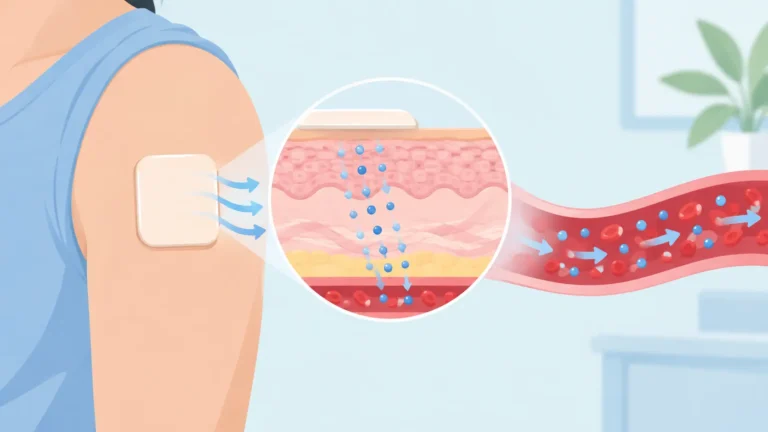
If secondhand smoke from neighbors is drifting into your apartment or condo, you are dealing with two problems at once: a health risk and a relationship you have to keep living next to. The good news is that you have more options than most people realize. The less good news is that no single fix is guaranteed, because the law on drifting smoke is patchy. This guide walks through the practical order of steps: understand how the smoke travels, buy yourself some relief, talk to your neighbor, use your lease and your landlord, and know where the law stands. It draws on the American Cancer Society, Americans for Nonsmokers’ Rights, the EPA and US federal housing rules, and it is general information, not legal advice.
Why Secondhand Smoke From Neighbors Reaches You
It is not your imagination, and it is not just a smell. The American Cancer Society explains that “tobacco smoke can move through air ducts, wall and floor cracks, elevator shafts, and along crawl spaces to contaminate units on other floors. This is true even for units that are far from the smoke.” Americans for Nonsmokers’ Rights (ANR) adds that smoke drifts “through doors, windows, hallways, and ventilation ducts, and through gaps around outlets, pipes, fixtures, and walls,” and says up to 65% of the air in an apartment can come from other units in the building.
That is why opening a window or running a fan rarely solves it. If you want the broader health picture first, our guide to secondhand smoke risks covers it in detail, and whether secondhand smoke is worse than smoking answers a common follow-up.
The Health Risks in Brief
The American Cancer Society states that “there’s no safe level of exposure for secondhand smoke.” It reports that secondhand smoke has more than 7,000 chemicals, including about 70 that can cause cancer, that it causes lung cancer even in people who have never smoked, and that exposure increases your risk of developing and dying from heart disease and stroke. For children, it lists more ear infections and says secondhand smoke can trigger asthma attacks or make asthma symptoms worse.
If you have a child, a pregnant household member, or a heart or lung condition at home, tell your landlord that in writing. It is not a way to exaggerate; it is the reason the problem matters. For national numbers, see our page of secondhand smoke statistics.
Step 1: Document What Is Happening
| Step | What it involves | What to keep in mind |
|---|---|---|
| 1. Document | A dated notebook of when smoke enters, plus copies of every message | Builds the paper trail you need later |
| 2. Seal and protect | Close gaps around doors, outlets, pipes and fixtures | A stopgap; it does not make the air safe |
| 3. Talk to your neighbor | A friendly, educational conversation | Many neighbors do not realize the smoke reaches you |
| 4. Ask your landlord or board | A written complaint that cites your lease, ideally with a doctor’s letter | The strongest route to a smoke-free policy |
| 5. Local health department or tenant group | Ask what local rules, tracking or help exist | Rules vary widely by city and state |
| 6. Legal action | Speak to an attorney who knows your local law | Court results have been mixed |
Before you confront anyone, start a record. ANR’s tip sheet “The Smoker Next Door” advises you to “keep a dated record in a notebook of when smoke infiltrates into your apartment, as well as all interactions and communication with your landlord, neighbors and others about the issue,” and to keep copies of any written correspondence. Note the date, the time, how long it lasted, which room it reached, and anyone else who noticed it.
This record does three jobs. It helps your neighbor see that the problem is real and recurring. It gives your landlord something concrete to act on. And if the dispute ever escalates, it shows what you tried. Source: ANR, The Smoker Next Door (PDF).
Step 2: Seal Gaps for Short-Term Relief
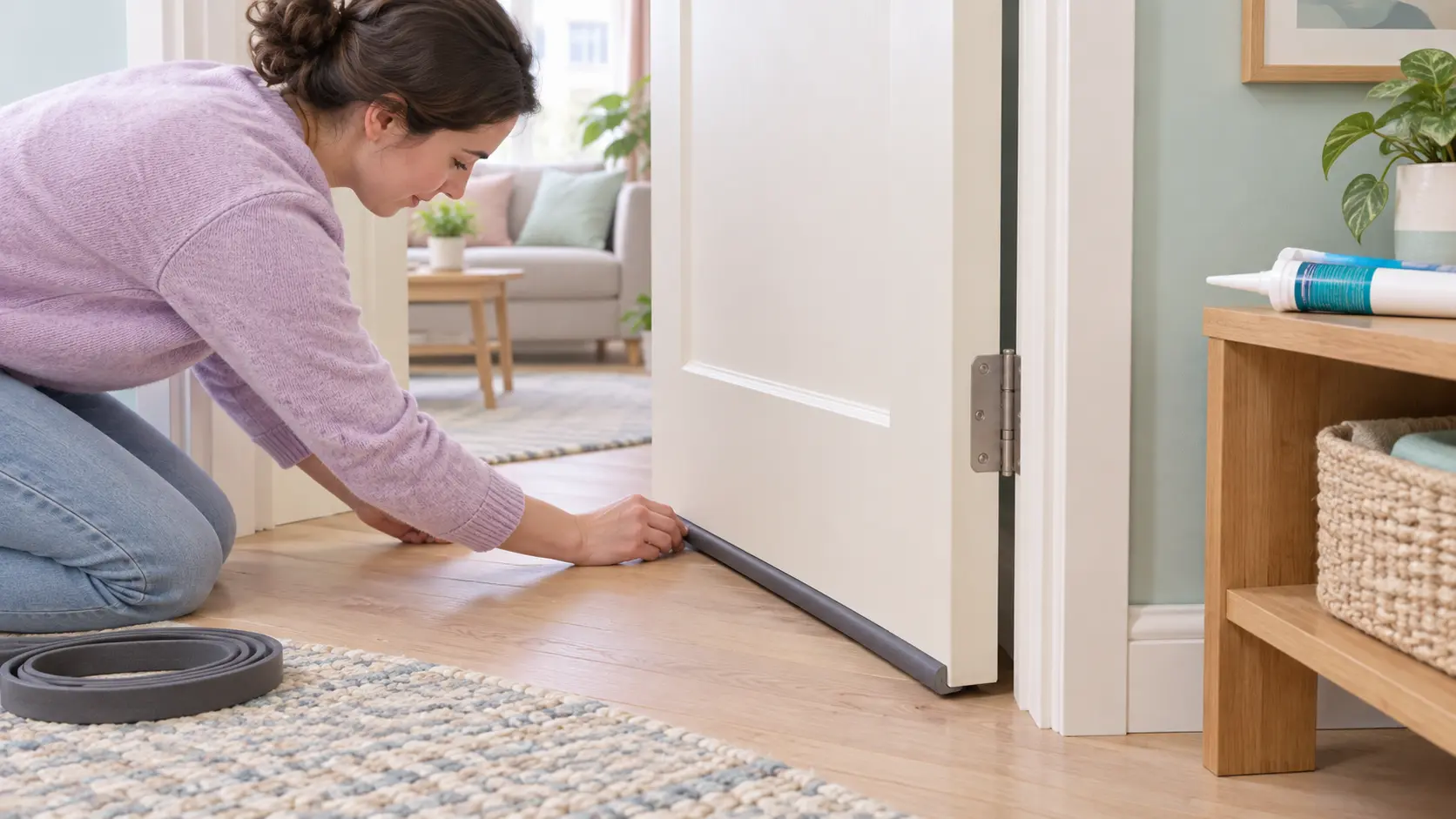
Because smoke travels along gaps, sealing them is a reasonable first move while the longer conversation happens. ANR lists doors, windows, hallways, ventilation ducts, and gaps around outlets, pipes, fixtures and walls as the routes smoke uses. Typical household measures include a door sweep or weatherstrip at the bottom of your entry door and closing visible gaps around pipes and fixtures. Ask your landlord before you alter anything that is part of the building, such as a vent or ductwork.
Be realistic about what this achieves. ANR warns that “air filtration and other ventilation systems do not eliminate the health hazards caused by secondhand smoke,” and the American Cancer Society says purifying the air and ventilating buildings “also doesn’t keep people from being exposed.” There is no published measure of how much sealing reduces exposure, so treat it as a stopgap and keep working on the real fix.
Step 3: Talk to Your Neighbor
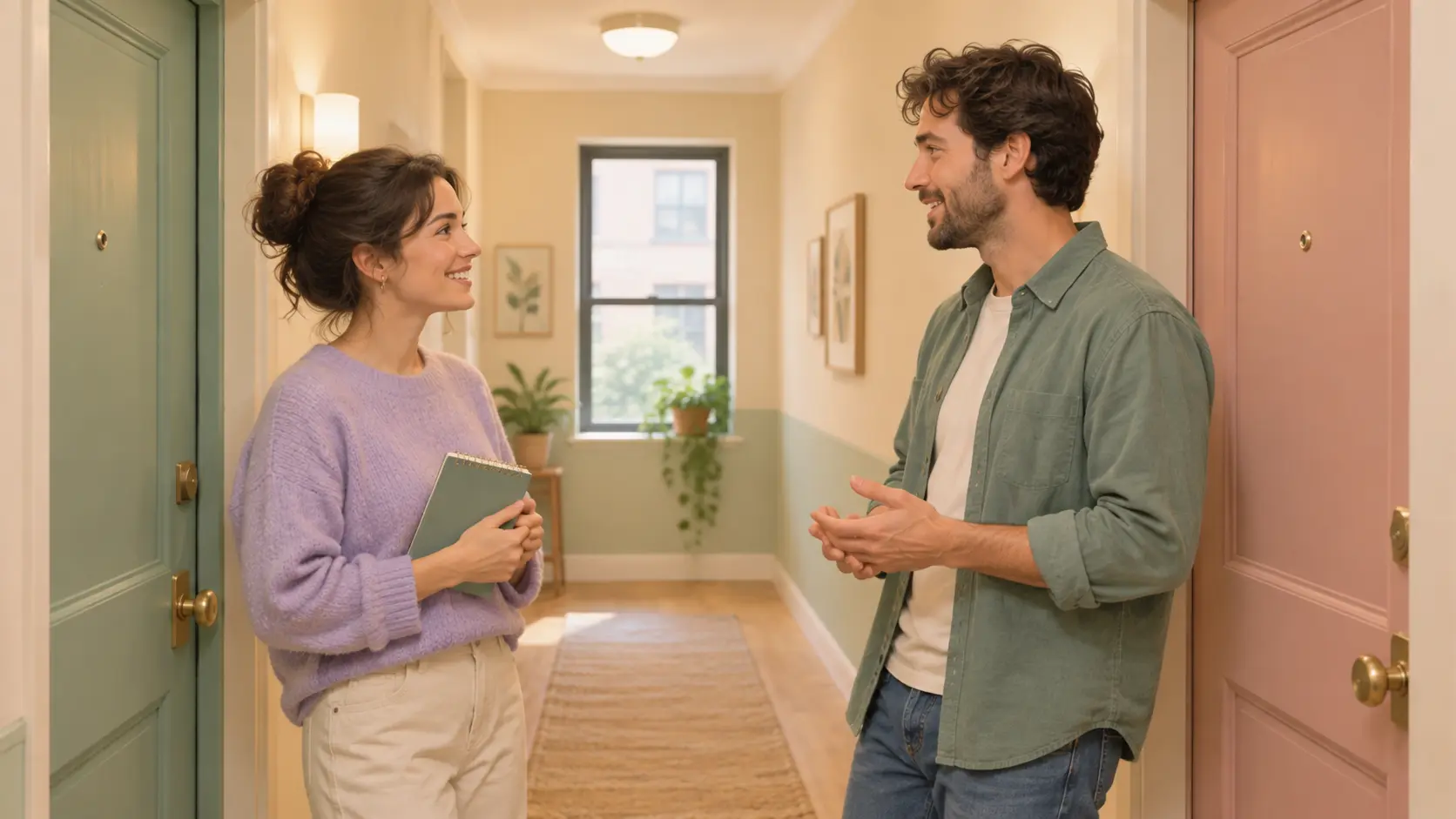
ANR’s advice is to “approach the situation positively” and to “take a friendly, educational approach.” Let the neighbor know you are having difficulty with the smoke and are concerned about your health, and say you are flexible about working out a solution that suits both of you. The sheet also reminds you not to assume that your neighbors or your landlord know much about the health effects of secondhand smoke.
- Choose the moment. A quiet, unhurried time works better than a confrontation in the middle of an incident.
- Describe, do not accuse. “The smoke is reaching my bedroom in the evenings” is easier to hear than “you are poisoning us.”
- Offer something specific. Smoking outdoors away from entrances and windows is the realistic ask. The EPA says: “If you smoke or vape, please do so outdoors, away from indoor spaces.”
- Follow up in writing if the conversation does not change anything, and keep a copy.
Your neighbor may also be a person who wants to quit. ANR’s tip sheet points out that most smokers say they want to quit and that many may not realize the impact their smoke has on the people next door. A kind word and a pointer to free help can land better than a complaint.
Step 4: Use Your Lease and Your Landlord
If talking does not work, put your complaint in writing. ANR says to “read your lease or condominium agreement,” because most leases contain language about the enjoyment of quiet and safe premises, implied warranty of habitability and nuisance. Even if your lease does not mention smoking, ANR says you can make a case that smoke drifting into your unit violates those protections. Send the complaint to the property owner or manager, and consider a letter from your doctor, which ANR says “lends credibility to your complaint.” Where you can, send paperwork by certified mail with a return receipt.
You can also ask for a bigger change. ANR points out that landlords can add no-smoking language to leases, and that condo owners can pursue changes to the association’s conditions, covenants and restrictions. It also says there is “no such legal right to smoke” and that “people who smoke are not a protected class.” Management often responds to the business case: ANR notes that owners make buildings smoke-free to reduce the risk of fire, cut maintenance costs, limit repair costs when a smoker’s unit turns over, and reduce vacancy. Find allies, too. Other residents who are affected can sign a petition or co-sign your letter.
What the Law Says (US)
The honest answer is that it depends on where you live. ANR states that “since personal dwellings are not considered public spaces, they are generally not covered under existing legislation regulating smoking in public places,” although many states and municipalities prohibit smoking in common areas of multi-family housing. It also says most communities do not yet have laws that address drifting smoke inside units, while more than 100 communities in California have adopted local laws requiring all multi-unit housing to be 100% smoke-free. Your city or county health department can tell you what applies where you live.
The federal public housing rule
There is one federal rule, and it is narrower than people assume. Under the US Department of Housing and Urban Development (HUD) rule, codified at 24 CFR 965.653, public housing agencies must “design and implement a policy prohibiting the use of prohibited tobacco products in all public housing living units and interior areas,” as well as in outdoor areas within 25 feet of public housing and administrative office buildings. The listed products are burned tobacco items such as cigarettes, cigars and pipes, plus waterpipes (hookahs). The Federal Register final rule says it “applies to all public housing other than dwelling units in mixed-finance buildings,” took effect on February 3, 2017, and gave agencies 18 months to put their policies in place. It covers public housing only, and it excludes assistance under Section 8. It does not apply to a privately owned apartment building or condo.
Lawsuits
ANR says tenants have sued on grounds such as nuisance, breach of the duty to keep a place habitable, and breach of the covenant of peaceful enjoyment, and that courts have ruled for and against nonsmokers. Its summary is that “cases about drifting smoke in housing have had mixed results over the years.” It advises consulting an attorney before seeking a legal remedy. Nothing here is legal advice.
Outside the United States
This guide does not summarize UK or Canadian rules for smoke drifting between private homes, because tenancy law, nuisance rules and any local smoke-free housing policies differ by country, province and council, and a mistake here could cost you. The practical starting points are the same as in the US: your lease or tenancy agreement, your landlord or housing provider, and the local public health or environmental health office, which can tell you what applies where you live.
Whatever the country, the steps in this guide still apply: document, talk, write, and ask the building to adopt a smoke-free policy. If the smoke is coming from a car shared with children rather than a neighbor, our guide to car smoking laws with children compares the rules country by country, and secondhand smoke and pets covers animals in the home.
If you would like to share something with your landlord or neighbors, this short video from a county public health department is about secondhand smoke in multi-unit homes.
After the Smoke Clears: Cleaning What Lingers
Once the source is dealt with, some residue may linger. The American Cancer Society describes thirdhand smoke: particles that “can stay in household surfaces and dust for a long time after the smoke is gone.” It says regular cleaning can reduce the amount on surfaces, carpets and furniture, but only for a short time, because levels build back up while particles continue to be released from surfaces. If the problem is staining on walls or ceilings after a previous tenant, see our guide to removing nicotine stains from walls.
Frequently Asked Questions
Is it illegal for my neighbor to smoke in their own apartment?
Usually not, but it depends on your lease, building policy and local law. ANR says personal dwellings are generally not covered by laws regulating smoking in public places, though many places prohibit it in common areas, and a landlord can legally require a smoke-free building. (ANR, The Smoker Next Door)
Can a landlord make a building smoke-free?
Yes. ANR says it is “perfectly legal to require that an apartment building or condominium be smokefree,” including private units and outdoor areas such as patios and balconies, and that people who smoke are not a protected class. No-smoking language can be added to leases. (ANR, The Smoker Next Door)
Does the HUD smoke-free rule apply to my apartment?
Only if you live in public housing. The Federal Register notice says the rule applies to all public housing other than dwelling units in mixed-finance buildings, and the regulation sets a 25-foot outdoor buffer. It does not cover Section 8 assistance or privately owned buildings. (24 CFR 965.653, Federal Register)
Will an air purifier or open window stop the smoke?
No. The American Cancer Society says purifying the air and ventilating buildings does not keep people from being exposed to secondhand smoke, and ANR says air filtration and ventilation systems do not eliminate the health hazards. Treat them as a stopgap at best. (American Cancer Society, ANR)
How does smoke get into my apartment from next door?
The American Cancer Society says tobacco smoke can move through air ducts, wall and floor cracks, elevator shafts and crawl spaces, even to units far from the smoke. ANR adds doors, windows, hallways and gaps around outlets, pipes and fixtures. (American Cancer Society, ANR)
What should I put in a complaint to my landlord?
Write down dates and times, how long the smoke lasted and which rooms it reached. Cite your lease clauses on quiet and safe premises, habitability and nuisance, and include a doctor’s letter if you have one. Keep copies and consider certified mail. (ANR, The Smoker Next Door)
Should I sue my neighbor or landlord?
Treat a lawsuit as a last resort. ANR says courts have ruled for and against nonsmokers and that results have been mixed, and it advises talking to an attorney first. This guide is not legal advice, so ask a local attorney or tenant organization about your situation. (ANR, The Smoker Next Door)
If You Smoke Too, Start With Your Own Plan
If the smoke next door has you thinking about your own habit, or you smoke and want to be the neighbor who does not cause the problem, iQuit can help. It is free on Google Play and the App Store. Log cravings with their triggers and intensity, use SOS support when an urge hits, ride out a craving with the virtual cigarette, and watch days smoke-free, cigarettes avoided and money saved grow on your dashboard.