

The latest smoking statistics Scotland 2026 readers can use come from two places: the Scottish Health Survey, which reported that 14% of adults in Scotland were current smokers in 2024, and Public Health Scotland, which counts the quit attempts made through NHS stop smoking services. This guide pulls both together with the UK-wide comparison.
Scottish figures are easy to mix up, because the survey year, the publication year and the survey type all differ. We label each number with the survey, the data year and the date it was published so you can see exactly what it measures.
Key Findings: Scotland at a Glance
- 14% of adults were current smokers in 2024, the same as 2023 and half the 28% recorded in 2003 (Scottish Health Survey).
- 23% vs 7%: smoking in the most deprived areas versus the least deprived areas, age-standardized (Scottish Health Survey 2024).
- 10% of adults currently used an e-cigarette or vaping device in 2024, rising to 18% of those aged 16 to 24.
- 52% of current smokers would like to give up (2023 and 2024 combined).
- 31,095 quit attempts were made with NHS stop smoking services in 2024/25, 52% fewer than the 64,721 in 2015/16 (Public Health Scotland).
- 12.0% is Scotland’s figure in the UK-wide Annual Population Survey for 2024, from ONS, a different survey from the 14% above.
Two different surveys produce two different Scottish figures, and both are correct for what they measure. We explain why in the methodology section.
The Adult Smoking Rate in Scotland
The Scottish Health Survey 2024 smoking chapter reports that fourteen per cent of adults were current smokers in 2024, the same level as in 2023, maintaining the overall downward trend recorded since 2003, when the figure was 28%. The survey report was published on 21 October 2025, so the 2024 data year and the 2025 publication year are not the same thing.
By sex, 16% of males and 12% of females were current smokers in 2024. By age, smoking was least prevalent among adults aged 75 and over (5%), while every other age group fell in the range 12% to 17%. The mean number of cigarettes smoked per day was 11.3 among adult smokers.
The survey also adjusts for saliva cotinine, a marker of nicotine exposure. In the 2022, 2023 and 2024 data combined, 13% of adults with a valid saliva measure self-reported as a current cigarette smoker, which rose to 17% when adjusted for cotinine levels. The report notes that products such as nicotine pouches may be affecting this result.
| Group | Share who currently smoke |
|---|---|
| All adults | 14% |
| Men | 16% |
| Women | 12% |
| Aged 75 and over | 5% |
| Other age groups | 12% to 17% |
| Most deprived areas (age-standardized) | 23% |
| Least deprived areas (age-standardized) | 7% |
For UK-wide numbers, see our UK smoking statistics for 2026 and, for the Irish picture, smoking statistics in Ireland.
Smoking and Deprivation (SIMD)
The sharpest gap in the Scottish data is between neighborhoods. The survey uses the Scottish Index of Multiple Deprivation (SIMD) to group areas into five equal bands, and age-standardizes the results so that the comparison is not distorted by different age profiles. On that basis, smoking prevalence in 2024 was 23% among adults living in the most deprived areas and 7% among those in the least deprived areas.
The gradient shows up in how much people smoke too. The mean number of cigarettes per day was highest among smokers in the two most deprived areas (13.2 and 12.6 per day) and lowest in the least deprived areas (7.5 per day), although the report cautions that small base sizes for some deprivation groups mean these averages should be treated carefully.
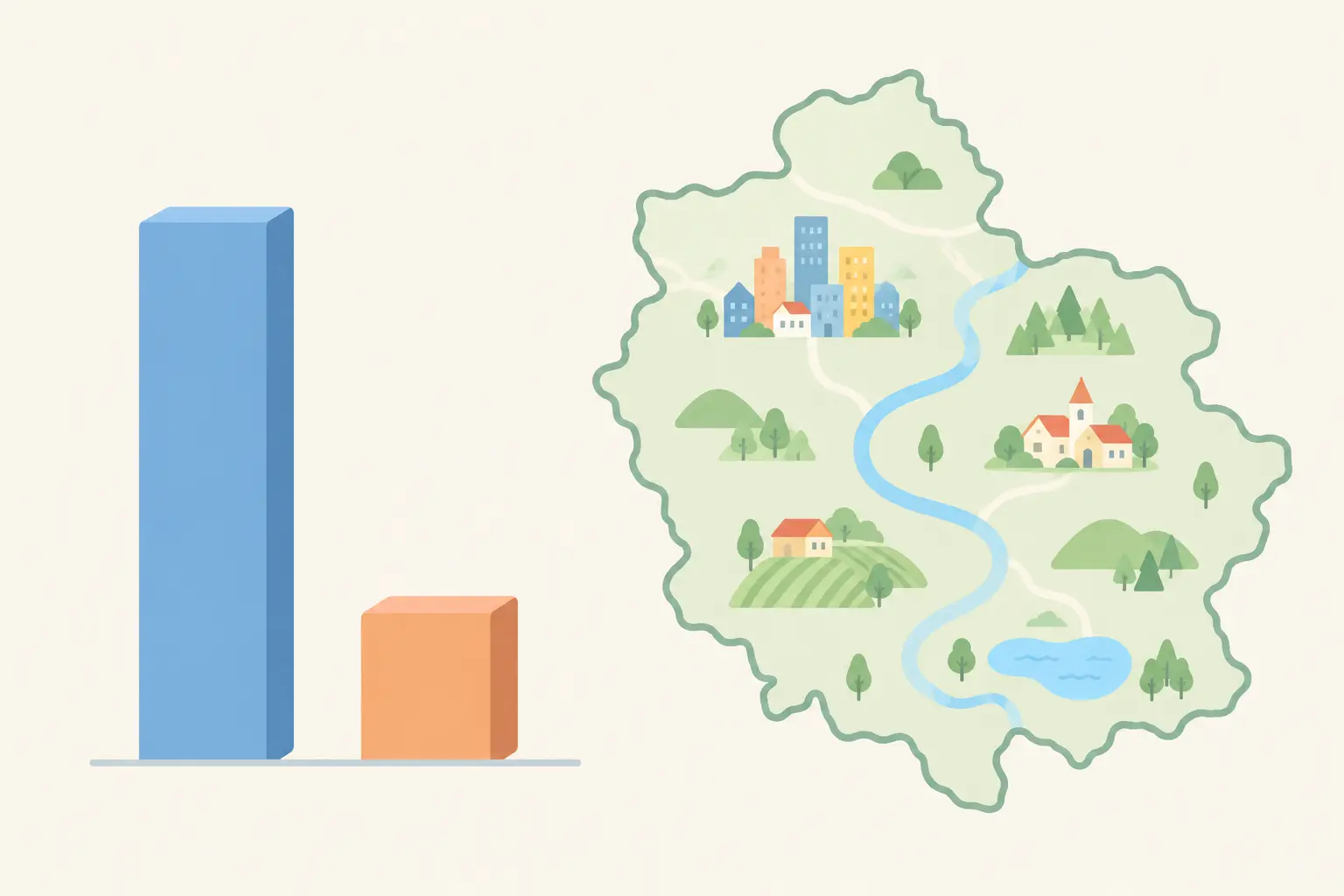
The size of this gap is why local, free support matters. Our guide to the generational smoking ban and the Tobacco and Vapes Bill explains the wider policy response.
Vaping in Scotland
The Scottish Health Survey also tracks e-cigarette and vaping device use. Current use rose from a range of 5% to 7% between 2014 and 2021 to 10% to 12% since 2022, and stood at 10% in 2024. Vaping was most common among adults aged 16 to 24 (18%) and fell to 2% among those aged 75 and over, with no significant difference by sex.
The report is careful about the evidence: it says vaping devices are not risk-free, particularly with dual use alongside tobacco, that they are deemed lower risk than tobacco and can serve as a cessation aid, but that they should not be used by non-smokers or young people. For UK-wide trends, read our vaping statistics for the UK.
Quit Attempts and NHS Scotland Outcomes
The Scottish Health Survey found that just over half of current adult smokers (52%) said they would like to give up smoking in the 2023 and 2024 data combined. The majority had tried at least once: 35% had tried once or twice and 35% three times or more. Of those who had tried to quit, 42% managed to stop for six months or more. In their most recent attempt, 39% of ex-smokers and current smokers who had ever tried to quit used some form of nicotine replacement therapy or other product: 23% used nicotine replacement products and 19% used e-cigarettes or vaping devices.
Specialist help is tracked separately. Public Health Scotland reports that in 2024/25 there were 31,095 attempts to stop smoking made with NHS smoking cessation services, a 2.6% rise from 30,317 in 2023/24, but 52% fewer than the 64,721 in 2015/16. Of those making an attempt, 45.7% (14,198) reported they were not smoking at four weeks, falling to 29.2% (9,075) at twelve weeks. Of the 14,198 self-reported four-week quits, 2,904 (20.5%) were validated by carbon monoxide testing, and 76.9% had no reading taken or the result was unknown.
Public Health Scotland also reports that NHS Scotland achieved 76.2% (5,352 out of 7,026) of its annual Local Delivery Plan target for 12-week quits in 2024/25, a target aimed at the 40 per cent most deprived areas. It notes that the figures cover only NHS services and may include repeat attempts by the same person.
This short video from Public Health Scotland explains the Quit Your Way stop-smoking support available in Scotland.
Service details differ between UK nations, so for Scotland start with NHS Inform, which Public Health Scotland points to for more information. For how the free services work in general, our explainer on NHS stop smoking services is a useful companion.
The 2034 Target: Where Scotland Stands
The Scottish Government’s Tobacco and Vaping Framework, launched in November 2023, sets out a roadmap to a Tobacco Free Scotland by 2034, defined as reducing smoking prevalence in communities to 5% or less. At 14% in 2024, the survey figure is nearly three times that line.

The Scottish Health Survey describes recent progress honestly: after a period of decline, adult smoking has remained relatively stable at around one in seven since 2022. That flat stretch is the main reason the target looks hard to hit, and it is why the inequality numbers matter, since smoking is much more common in the most deprived areas.
The survey report also describes the UK Tobacco and Vapes Bill, which, once passed, would ensure that children born after 1 January 2009 can never be sold tobacco, and which, the report says, will provide powers to extend the indoor smoking ban to certain outdoor settings. We cover the detail in our guide to the generational smoking ban.
How Scotland Compares With the Rest of the UK
The ONS adult smoking habits bulletin for 2024 reports smoking prevalence in each UK nation from the Annual Population Survey, which ONS uses for its UK-wide headline figures. In 2024 it showed 12.0% in Scotland, 11.4% in Wales, 10.5% in Northern Ireland, 10.4% in England and 10.6% across the UK.
| Nation | Current smokers |
|---|---|
| Scotland | 12.0% |
| Wales | 11.4% |
| Northern Ireland | 10.5% |
| England | 10.4% |
| UK | 10.6% |
Scotland has the highest figure of the four nations on this measure. The Scottish Health Survey’s 14% is higher still because it is a different survey. The Scottish report says that the Annual Population Survey and the Opinions and Lifestyle Survey provide fully comparable data across the four nations, while the separate national health surveys are only partially comparable. ONS adds that official estimates for Scotland, Wales and Northern Ireland should be taken from devolved health or national surveys, which is why we lead with the Scottish Health Survey. If you want a price angle on the habit, our guide to the price of cigarettes in the UK covers the cost.
Methodology: Why There Are Two Scottish Numbers
- Scottish Health Survey (14%): a national survey of people living in Scotland, 2024 data, published 21 October 2025, adults 16 and over, self-reported (with a cotinine-adjusted variant).
- Annual Population Survey (12.0%): the UK-wide ONS survey of adults 18 and over, 2024 data. The two estimates differ because the surveys differ.
- Public Health Scotland data: counts attempts through NHS services only, April 2024 to March 2025, and can include repeat attempts by the same person.
- Quit intentions: the 52% and quit-attempt figures combine 2023 and 2024 survey data.
- Small groups: the survey cautions that small base sizes limit some age and deprivation breakdowns.
Every figure above links to the page where we read it. Scottish Health Survey figures come from the Scottish Health Survey 2024 main report.
Pairing NHS Scotland Support With Daily Tools
The statistics show that most Scottish smokers would like to stop and that most have tried at least once. If you can, use the NHS service, because it offers structured behavioral support, often with licensed medicines. A phone app fits alongside it, not instead of it.
The iQuit app is free on Google Play and the App Store. It does not prescribe anything, does not measure carbon monoxide and is not a medication reminder, and it works alongside whatever your adviser recommends. It logs cravings with triggers and intensity, keeps a mood journal beside them, and tracks days smoke-free and money saved, so you arrive at each appointment with real data. Read more in our guide to using a quit app with your stop smoking service.
Frequently Asked Questions
What percentage of adults in Scotland smoke?
The Scottish Health Survey found 14% of adults in Scotland were current smokers in 2024, the same as 2023 and down from 28% in 2003. The UK-wide Annual Population Survey gave 12.0% for Scotland, a different measure (Scottish Government; ONS).
Why do the Scottish and UK figures for Scotland differ?
They come from different surveys. The Scottish Health Survey reported 14% for 2024, while the ONS Annual Population Survey reported 12.0%. The Scottish report says the separate national health surveys are only partially comparable, and ONS says official estimates for Scotland should be taken from devolved surveys (Scottish Government; ONS).
Is smoking higher in poorer areas of Scotland?
Yes. In 2024, age-standardized smoking prevalence was 23% among adults in the most deprived areas and 7% in the least deprived, according to the Scottish Health Survey, which uses the Scottish Index of Multiple Deprivation (Scottish Government).
How many people in Scotland vape?
The Scottish Health Survey found 10% of adults currently used e-cigarettes or vaping devices in 2024, rising to 18% among those aged 16 to 24 and falling to 2% among those aged 75 and over (Scottish Government).
How many Scottish smokers want to quit?
Just over half. The Scottish Health Survey reported that 52% of current adult smokers would like to give up smoking in 2023 and 2024 combined, and 35% had tried once or twice while another 35% had tried three times or more (Scottish Government).
How many people used NHS stop smoking services in Scotland?
Public Health Scotland reported 31,095 quit attempts with NHS stop smoking services in 2024/25, up 2.6% on 2023/24 but 52% below 2015/16. Of these, 45.7% reported not smoking at four weeks and 29.2% at twelve weeks (Public Health Scotland).
What is Scotland’s target for smoking?
The Scottish Government’s Tobacco and Vaping Framework sets a roadmap to a Tobacco Free Scotland by 2034, defined as reducing smoking prevalence in communities to 5% or less (Scottish Government).
Where can I get free help to stop smoking in Scotland?
Public Health Scotland points people to NHS Inform for information, and NHS stop smoking services in Scotland offer structured behavioral support, often with licensed medicines, delivered in groups or one-to-one, plus pharmacy-based services (Public Health Scotland).
Add Daily Tools to Your Scottish Quit Plan
iQuit is free on Google Play and the App Store. Track your smoke-free days, log cravings with triggers and use SOS support, alongside the free help from your NHS service.
Download iQuit Free on Google Play Download on the App Store


