If you’ve just picked up a prescription, the two questions that matter most are simple: what will this medicine actually do to you, and how long do you have to keep taking it? Varenicline side effects are real and worth planning for, but for most people they are manageable, predictable, and fade as your body adjusts. This guide walks through what to expect, week by week, and exactly how long a course of treatment lasts.
The Common Side Effects, By Frequency
Varenicline (brand name Chantix in the US, Champix elsewhere) works by attaching to the same brain receptors as nicotine, which is exactly why it helps cravings — and exactly why it can produce nicotine-like side effects of its own. According to the Cleveland Clinic’s medication guide and the official FDA prescribing information on DailyMed, most reactions fall into a small, well-documented list.
| Frequency | What it looks like | Usually needs a doctor? |
|---|---|---|
| Very common | Nausea, headache, abnormal (vivid) dreams, insomnia | No — manage at home, mention at your next check-in |
| Common | Constipation, flatulence, vomiting, dry mouth, altered taste, dizziness | No, unless persistent or severe |
| Less common | Mood changes, irritability, anxiety, low mood | Yes — call your prescriber if new or worsening |
| Rare but serious | Seizures, chest pain, signs of stroke, severe allergic reaction, suicidal thoughts | Yes — urgent medical attention |
The FDA label is precise about which reactions stand out. The most common adverse reactions — defined as those occurring in more than 5% of patients and at twice the rate seen on placebo — were nausea, abnormal (vivid, unusual or strange) dreams, constipation, flatulence and vomiting. Nausea is singled out as the most common of all, with the label citing an incidence of up to 30%. Insomnia and headache are also frequently reported, but at rates much closer to placebo, which is why they don’t make that “twice the placebo rate” list.
The other number worth knowing is how many people actually stop because of side effects. In the pooled placebo-controlled trials, 12% of people taking 1 mg twice daily discontinued treatment because of an adverse event — against 10% of people taking placebo. In other words, the great majority of people who start varenicline finish the course.
The CDC’s short guide to using varenicline covers the same dosing, timing and side-effect points from a clinical perspective in under two minutes.
Nausea: What Actually Reduces It
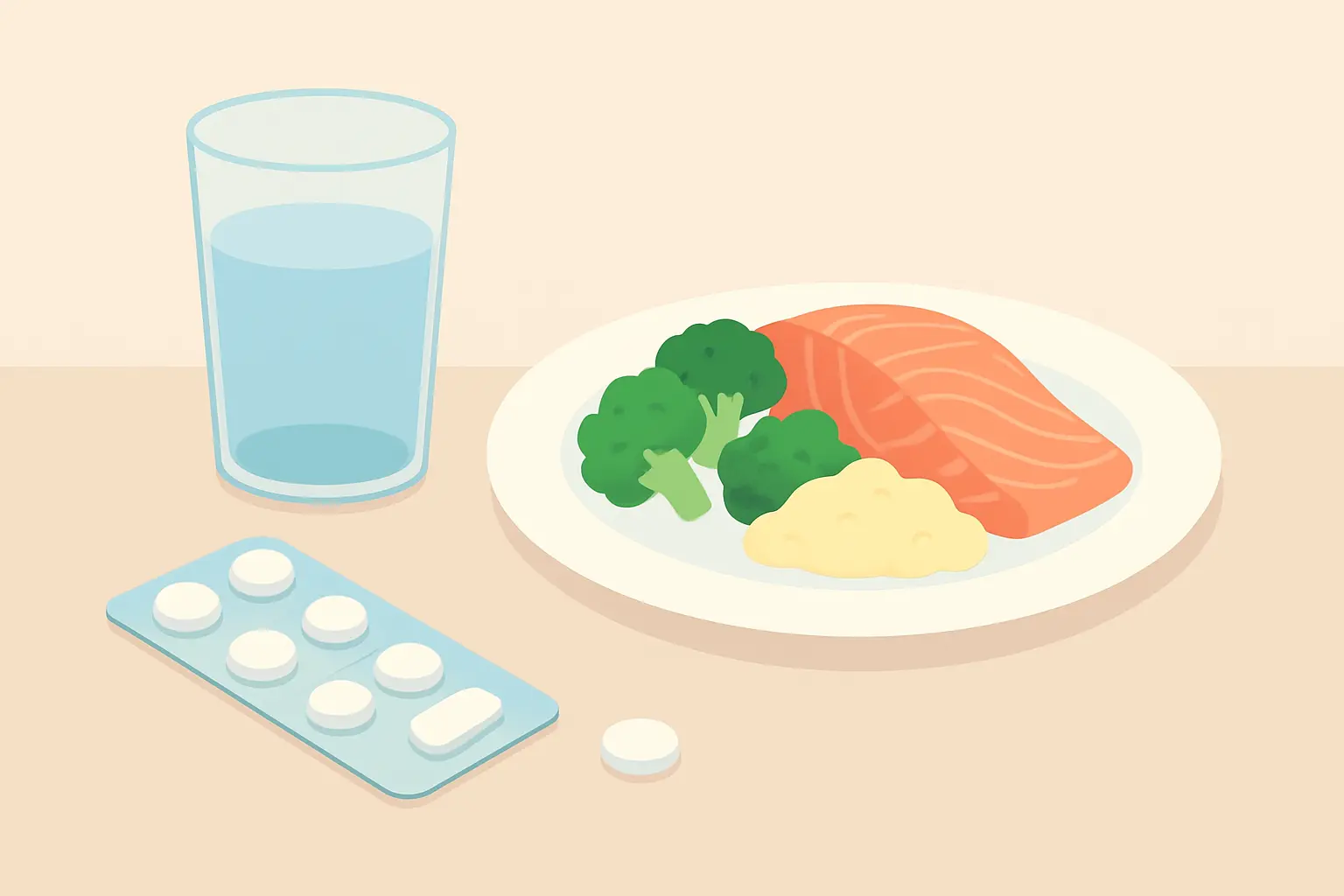
Nausea from varenicline is dose-related, which is exactly why the starting schedule ramps up slowly instead of jumping straight to a full dose. The NHS varenicline guide and the FDA label agree on the same simple fix, and the label states it as an instruction rather than a suggestion: varenicline tablets should be taken orally after eating and with a full glass of water.
- Take it after a meal, not first thing before breakfast — food buffers the stomach.
- Drink a full glass of water with each dose.
- Spread the two daily doses out — morning and evening, roughly 12 hours apart, rather than back to back.
- Don’t stop abruptly because of nausea alone — tell your prescriber first; a temporary dose reduction is often enough.
If nausea is severe or doesn’t ease after the first couple of weeks, your prescriber can drop you back to the lower 0.5 mg dose for a while before trying to step back up, rather than stopping the medicine altogether. That option is written into the label itself, which notes plainly that dose reduction may be helpful for nausea.
Vivid Dreams and Sleep
Unusually vivid, strange or intense dreams are one of the most talked-about varenicline side effects — common enough that the FDA label lists “abnormal dreams” among the reactions that occur at more than twice the placebo rate. Insomnia and trouble staying asleep are also frequently reported. Neither is dangerous, but both can be disruptive.
What tends to help, based on the same patient guidance referenced above: taking the evening dose earlier rather than right before bed, keeping a consistent sleep schedule, and cutting caffeine in the afternoon while your body adjusts. If vivid dreams are genuinely disturbing your sleep or causing distress, that’s worth flagging to your prescriber — occasionally the evening dose timing is adjusted to reduce the effect. The label also warns separately about sleepwalking, which is rare but a reason to stop the medicine and call your prescriber if it happens.
The Neuropsychiatric Warning and Why It Was Removed
For years, varenicline carried the FDA’s strongest possible safety label — a boxed warning — about possible mood and behavior changes, including agitation, depressed mood, and rare reports of suicidal thinking. That warning shaped a lot of the hesitation people still feel about the drug.
On December 16, 2016, the FDA approved removing the boxed warning after reviewing results from EAGLES (Evaluating Adverse Events in a Global Smoking Cessation Study), a trial of roughly 8,000 smokers that directly compared varenicline, bupropion, nicotine patches and placebo, including in people with a history of psychiatric illness. According to Pfizer’s announcement of the FDA decision, participants without a psychiatric history showed no increased incidence of clinically significant neuropsychiatric events on varenicline. Serious neuropsychiatric events were reported in 0.6% of people taking varenicline and 0.6% of people taking placebo.
The picture is more nuanced for people who do have a psychiatric history. In that group, the announcement reports a 2.7 percentage-point difference versus placebo for varenicline on the composite neuropsychiatric endpoint, compared with 2.2 for bupropion and 0.4 for the nicotine patch. So the risk is not zero, and it is not identical across the options — but it is far smaller than the boxed warning implied, and the label still lists irritability, anxiety and depressed mood as possible reactions. Anyone with a history of depression or another mental health condition should discuss this openly before starting.
Separately, the branded version of the drug ran into a manufacturing problem. On September 16, 2021, Pfizer expanded a voluntary recall to all lots of Chantix after finding a nitrosamine impurity, N-nitroso-varenicline, at or above the FDA’s interim acceptable intake limit. The FDA notice records that alternative suppliers had already been approved in the United States, and generic varenicline is what US pharmacies most commonly dispense today. If you’re prescribed varenicline now, it’s very likely you’ll be given a generic rather than the original brand.
How Long You Take Varenicline (and When 24 Weeks Is Used)
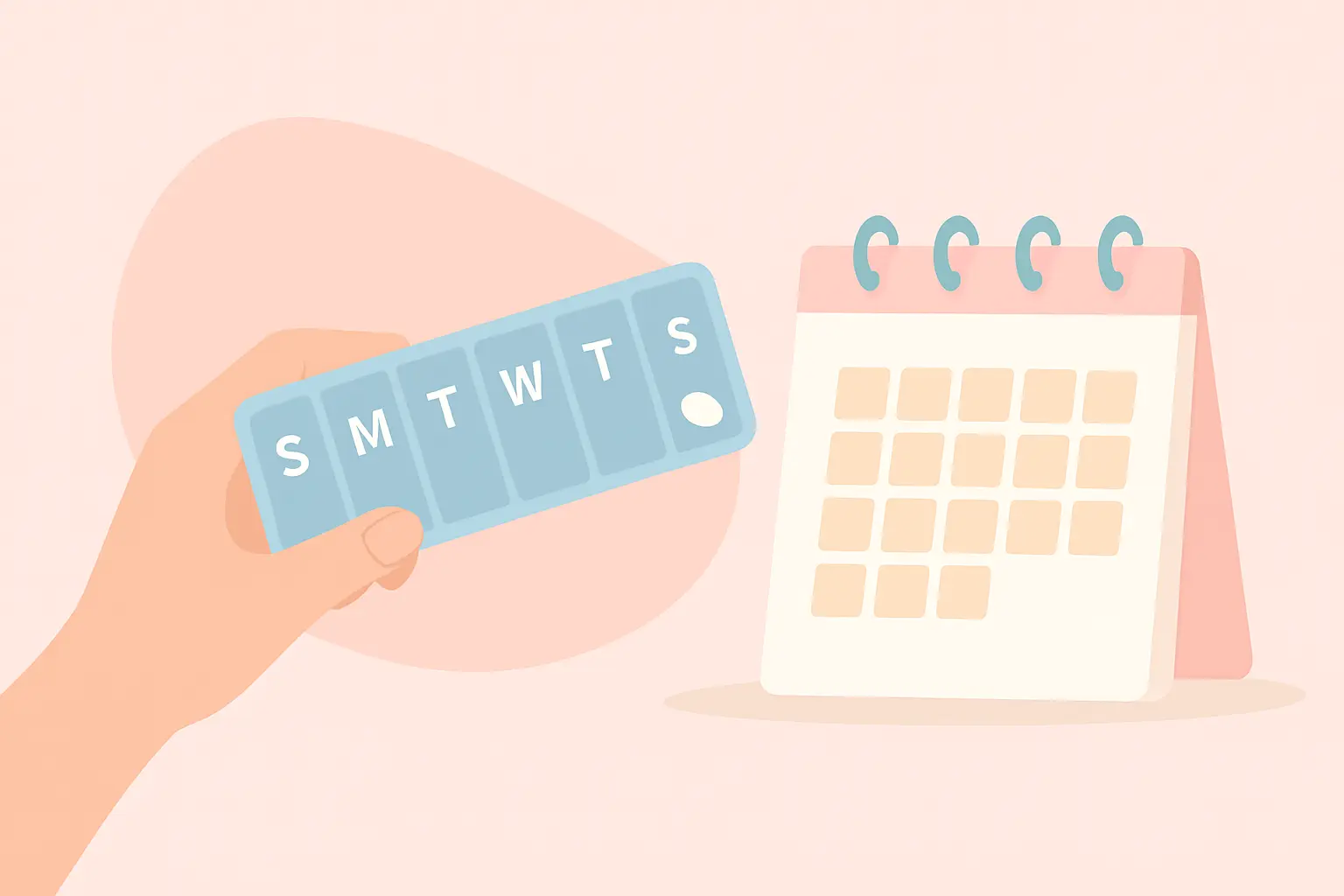
A standard course of varenicline is 12 weeks. That’s the length used in most trials and the default most prescribers start with. The dosing itself ramps up over the first week and then holds steady:
| Days | Dose |
|---|---|
| Days 1–3 | 0.5 mg once daily |
| Days 4–7 | 0.5 mg twice daily |
| Day 8 through end of course | 1 mg twice daily |
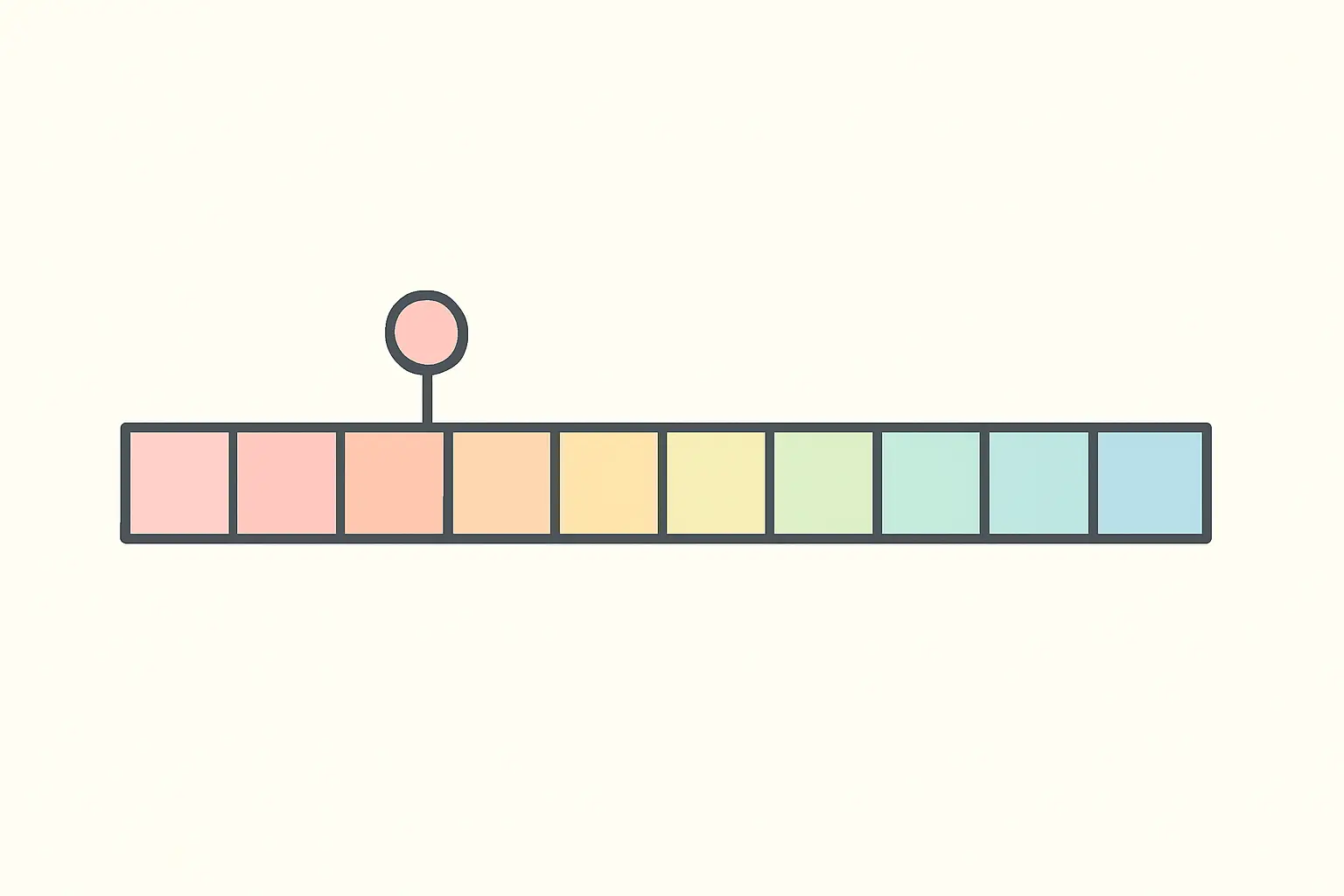
For people who have successfully stopped smoking by the end of those first 12 weeks, the FDA label recommends an additional 12 weeks of treatment — 24 weeks in total — to increase the likelihood of long-term abstinence. There is also a documented gradual-reduction path in the label for people who are not ready to stop abruptly: cut cigarettes by half in the first four weeks, halve again over the next four, keep reducing toward complete abstinence by 12 weeks, then continue treatment for another 12 weeks. Your prescriber may also taper the dose at the very end of treatment to soften any withdrawal-like effects of stopping the medicine itself.
If you’re comparing course lengths and success rates across the prescription options, our head-to-head on varenicline vs bupropion for quitting smoking sets the two side by side.
Starting Before Your Quit Date (Pre-Loading)
Varenicline isn’t a same-day fix — it’s designed to be started before you actually stop smoking. The FDA label instructs prescribers to begin dosing one week before the date the patient sets to stop smoking, or alternatively to let the patient start the tablets and quit at any point between days 8 and 35 of treatment. The NHS dosing page gives the same instruction with a slightly wider window: begin 1 to 2 weeks before your stop smoking date. Either way, the point is the same — the drug needs time to build up and start blunting the reward from cigarettes before you actually try to give them up, so your first smoke-free days aren’t also the first days the medication is working.
Setting a real quit date in advance matters more with varenicline than with some other methods — you need a genuine runway to pre-load the dose properly. If you’re weighing varenicline against other prescription options, our cytisine vs varenicline vs bupropion comparison and varenicline vs cytisine vs NRT on the NHS both cover how the pre-loading period compares across pills.
When to Stop and Call Your Prescriber
Most people finish the full course as planned. But certain signs mean you should contact your prescriber promptly rather than waiting for your next scheduled appointment:
- New or worsening depression, agitation, hostility, or thoughts of self-harm
- Chest pain, irregular heartbeat, or shortness of breath
- Signs of a stroke — sudden weakness, slurred speech, vision changes, loss of balance
- A seizure, or sleepwalking that leads to unsafe behavior
- Swelling of the face, mouth or throat, or a widespread skin rash — signs of a rare allergic reaction
None of these are common, but all of them warrant stopping the medication and getting medical advice rather than pushing through. The label also flags two everyday cautions worth knowing about: alcohol can feel stronger while you’re taking varenicline, so cut back until you know how it affects you, and accidental injuries such as traffic accidents have been reported, so be careful driving until you know your own response.
If side effects are simply uncomfortable rather than alarming — persistent nausea, disruptive dreams — that’s a conversation for your next check-in, and often solved with a dose adjustment rather than quitting the medicine altogether. It’s also worth discussing your full medication list with your prescriber before you start, since quitting smoking itself can change how other medications behave in your body, independent of anything varenicline does.
If you’d rather talk through your options before committing to any prescription, our guide on how to talk to your doctor about quitting smoking covers what to ask, and our bupropion (Zyban) guide and best NRT options compared lay out the non-varenicline routes side by side.
Being able to tell your prescriber what actually happened week by week — how the cravings tracked, how the sleep went, which days were worst — beats relying on memory at a ten-minute appointment. The iQuit app‘s craving log records the trigger and intensity behind every urge, and its mood journal covers the rest, so you turn up with a record instead of an impression.
Varenicline Side-Effect FAQ
What is the most common varenicline side effect?
Nausea, which the FDA label lists at an incidence of up to 30%. Vivid or unusual dreams and trouble sleeping come next. The label instructs that tablets be taken after eating and with a full glass of water, which is the main step patient guidance recommends for reducing nausea (DailyMed FDA label; NHS).
How long do you have to take varenicline?
A standard course is 12 weeks. For people who have successfully stopped smoking at the end of 12 weeks, the FDA prescribing information recommends an additional 12 weeks — 24 weeks in total — to increase the likelihood of long-term abstinence.
Do you start varenicline before or after you quit smoking?
Before. The FDA label says to begin dosing one week before your chosen stop date, or to start the tablets and quit between days 8 and 35 of treatment. NHS guidance gives a slightly wider window of 1 to 2 weeks before your stop smoking date.
Do many people stop varenicline because of side effects?
No. In the pooled placebo-controlled trials summarized in the FDA label, 12% of people on 1 mg twice daily stopped treatment because of an adverse event, compared with 10% on placebo. Nausea was the single biggest driver, at 3% versus 0.5% for placebo.
Is the varenicline mental health warning still valid?
The FDA’s boxed warning about serious neuropsychiatric events was removed on December 16, 2016 after the EAGLES trial in roughly 8,000 smokers. Serious neuropsychiatric events occurred in 0.6% on varenicline and 0.6% on placebo. Mood changes remain a listed possible side effect, and anyone with a psychiatric history should discuss this with their prescriber first.
Why was Chantix recalled, and is it still available?
On September 16, 2021, Pfizer expanded a voluntary recall to all lots of Chantix after a nitrosamine impurity, N-nitroso-varenicline, was found at or above the FDA’s interim acceptable intake limit. The FDA notice records that alternative suppliers had been approved in the US, and generic varenicline is the version most commonly dispensed today.
Can vivid dreams from varenicline be reduced?
There’s no guaranteed fix, but taking your evening dose earlier rather than right at bedtime, keeping a consistent sleep schedule, and cutting afternoon caffeine are the practical steps patient guidance suggests. If dreams are genuinely disruptive, ask your prescriber about adjusting dose timing.
When should I stop taking varenicline and call my doctor?
Stop and seek medical advice for new or worsening depression, agitation or suicidal thoughts, chest pain, signs of a stroke, a seizure, sleepwalking, or swelling of the face, mouth or throat. Everyday nausea or vivid dreams are not emergencies — raise them at your next appointment instead.
Track Side Effects and Cravings in One Place
Whether you’re on varenicline, NRT, or going medication-free, iQuit helps you log every craving with its trigger and intensity, spot the pattern, and get through the moments cravings hit hardest — with SOS breathing tools, craving forecasts, and an AI coach that replies in your language. Free on Google Play and the App Store.