
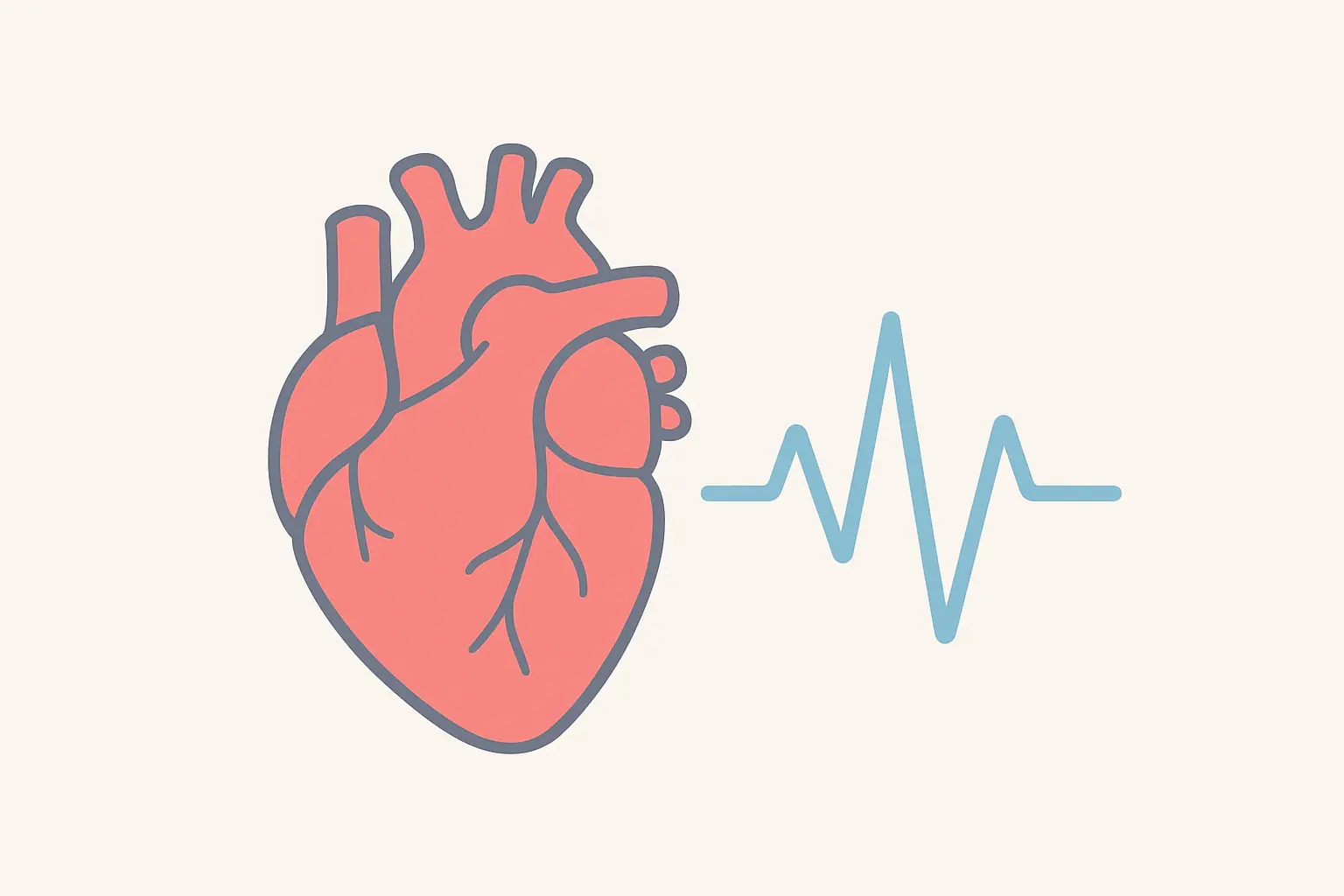
The honest answer to is nicotine bad for your heart is more nuanced than a headline can carry: nicotine is a genuine cardiovascular stressor on its own, separate from the tar and carbon monoxide that make cigarette smoke so much more dangerous. That distinction matters enormously if you are choosing between smoking, vaping, nicotine replacement therapy (NRT), or quitting outright — especially with a cardiac history.
What nicotine actually does to the heart
Nicotine is a potent autonomic drug. A 2026 cardiology commentary in the European Heart Journal Open, co-authored by cardiologists from Germany, Italy, the US and UK, put it plainly: nicotine “activates nicotinic acetylcholine receptors, increases catecholamine release, raises heart rate and blood pressure, and promotes vasoconstriction and haemodynamic load.” Those are not abstract lab findings — a faster heart rate, higher blood pressure and narrower blood vessels are exactly the changes that raise the heart’s workload and oxygen demand in real time.
American Heart Association research describes the same acute pattern: nicotine “triggers acute increases in heart rate, myocardial contractility, cardiac output, and peripheral vasoconstriction, all elevating blood pressure and myocardial oxygen demand,” alongside sympathetic nervous system activation that reduces heart rate variability and stiffens arteries. Beyond these immediate effects, nicotine has also been shown to impair the blood vessel lining’s ability to relax properly (endothelial function) — a slower-building form of vascular stress distinct from the instant heart-rate spike.
None of this means nicotine is as dangerous as smoking. It means nicotine is not a cardiovascular bystander — it is an active participant, which is the core reason cardiology bodies keep repeating a specific phrase: less harmful is not harmless.
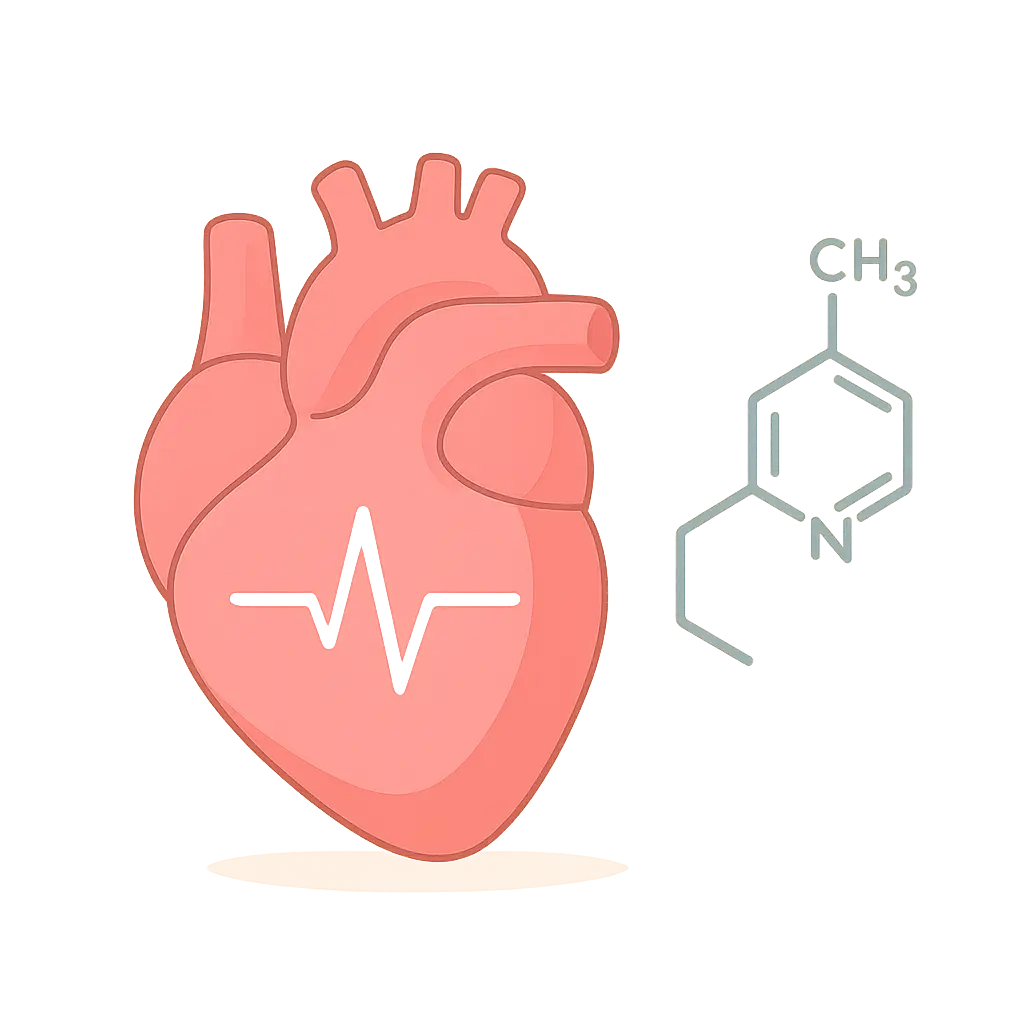
Nicotine vs. carbon monoxide and tar: which causes cardiac events
Cardiologists writing in the European Heart Journal Open in 2026 were explicit that “combustible cigarettes” remain “the most harmful category” of nicotine product, and that “combustion maximizes harm.” The CDC’s own explanation of why smoking causes cardiovascular disease centers on what burning tobacco does mechanically to blood: it can “make blood sticky and more likely to clot, which can block blood flow to the heart and brain,” “damage cells that line the blood vessels,” and “increase the buildup of plaque… in blood vessels.” Those are combustion products — carbon monoxide, tar and thousands of other chemicals — doing damage that nicotine alone does not cause in the same way.
This is the useful mental model: think of cigarette smoke as nicotine plus a chemical assault, where the chemical assault (tar, carbon monoxide, particulates) does most of the long-term arterial damage — plaque buildup, clot risk, vessel-lining injury — while nicotine adds its own acute stress on top: faster heart rate, higher blood pressure, vasoconstriction, and measurable endothelial impairment. Removing the combustion (as with NRT, or in theory with vaping) removes a large share of the damage, but it does not zero out the risk, because the nicotine component is still cardiovascularly active on its own.
For how your overall disease risk shifts once you quit entirely, see the disease risk breakdown across 11 conditions and the evidence behind quitting’s health benefits. To understand how much nicotine you are even dealing with, how much nicotine is in one cigarette is a useful companion read.
Is NRT safe after a heart attack or with angina?
This is the single most consequential question in this article, and the honest answer has two parts. First: the clinical trial evidence on supervised NRT is reassuring, as far as it goes. Randomized trials of NRT have generally not found an association with major cardiovascular events. Second, and just as important: cardiologists reviewing that evidence in 2026 cautioned that “most included trials evaluate medically supervised, time-limited nicotine replacement therapy rather than chronic high-dose consumer exposure,” that “cardiovascular events are rare and not primary endpoints” in those trials, and that “NRT delivers nicotine slowly and at lower peak concentrations, unlike many modern consumer products engineered for rapid systemic exposure.” Their conclusion: these trials “may be reassuring for therapeutic NRT under supervision,” but they are not a blanket safety guarantee for every consumer nicotine product or every patient.
This is exactly why NRT after a heart attack or with unstable angina is a conversation for your cardiologist or GP, not a decision to make from a drug label alone. Your prescriber will weigh how recent and how severe your cardiac event was, whether you are on other medicines that affect heart rate or blood pressure, and whether continuing to smoke (with its much larger combustion-driven risk) outweighs the comparatively smaller, but real, hemodynamic load NRT adds. If you have already had a cardiac event, quitting smoking after a heart attack covers this decision in more depth.
Vaping and cardiovascular risk: what is known and what is not
Vaping delivers nicotine without burning tobacco, which removes a substantial share of the chemical assault that makes cigarette smoke so damaging. But cardiologists reviewing the observational evidence in 2026 were careful about what that does and does not prove: “the absence of definitive myocardial infarction or stroke signals in current datasets should therefore not be interpreted as evidence of neutrality,” they wrote, because “uncertainty is not a safety signal.” Existing vaping cohorts tend to be small, short-term, and entangled with prior smoking history or dual use (vaping and smoking together) — all of which make it hard to isolate vaping’s own effect on hard outcomes like heart attacks.
What is measurable already: large population datasets show that dual use of cigarettes and vapes “frequently yields inflammatory and oxidative biomarker profiles comparable to smoking,” meaning partial switching does not deliver a partial reduction in cardiovascular stress markers the way people might assume. The prudent reading of the current evidence is that vaping is very likely to carry lower cardiovascular risk than continuing to smoke, but “lower than smoking” is a different claim from “safe for the heart,” and long-term outcome data — particularly in people who never smoked before vaping — remains the acknowledged evidence gap.
For a broader look at how vaping and smoking compare beyond the heart specifically, what tobacco harm reduction actually means lays out the wider framework cardiologists and public health bodies are working within.
Nicotine pouches and heart rate
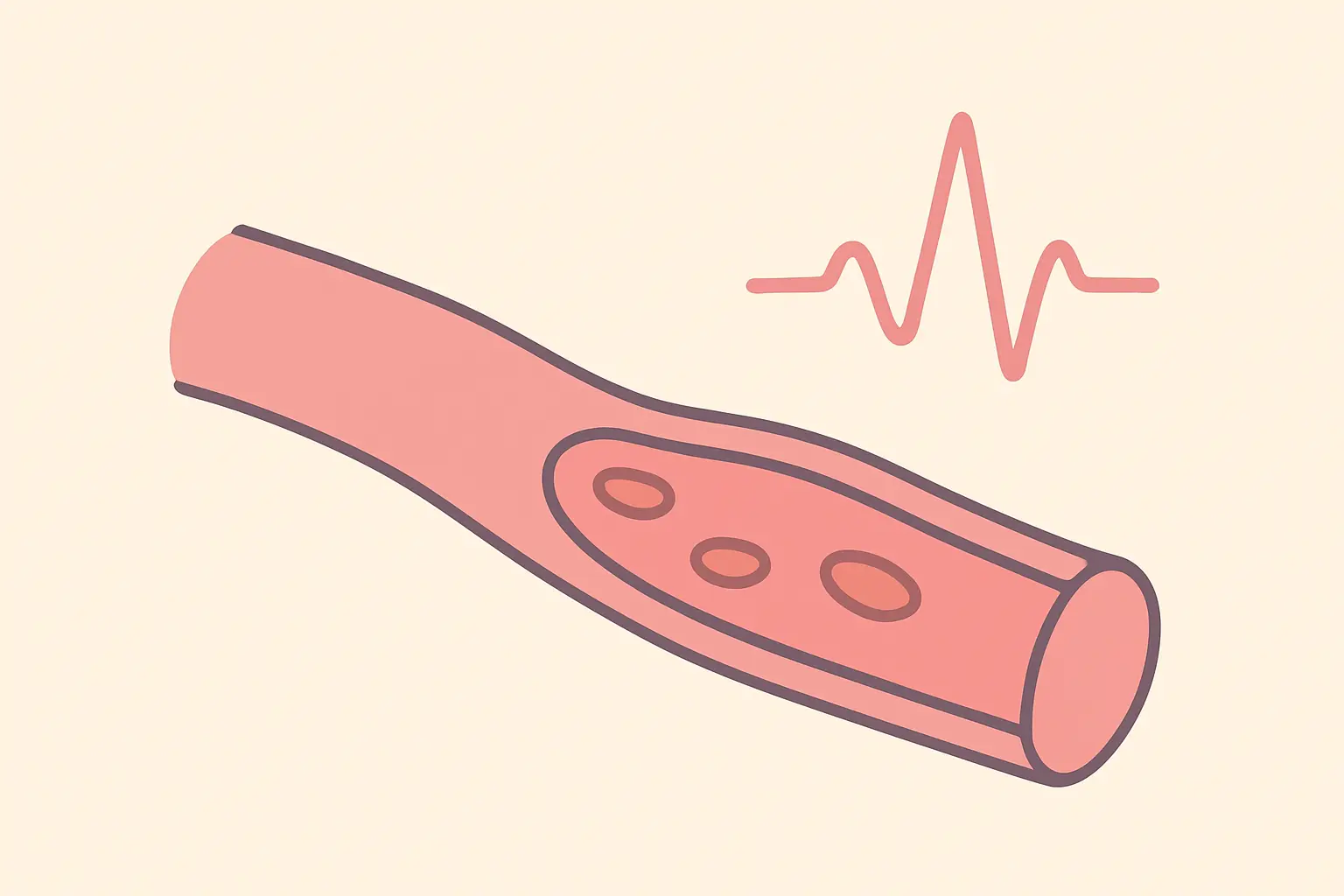
Oral nicotine pouches and snus deliver nicotine without smoke or vapor at all, and the same acute mechanism applies: nicotine’s sympathomimetic effect (stimulating the “fight or flight” nervous system) raises heart rate and blood pressure regardless of how it enters the body. For snus specifically, 2026 cardiology literature notes that “continued snus use after myocardial infarction has been associated with increased all-cause and cardiovascular mortality” in people who already had a heart attack, and that “broader pooled cohort analyses confirm increased mortality among persistent snus users.” For newer nicotine pouches, the same reviewers were blunt that “long-term outcome data remain limited” and that “absence of evidence must not be communicated as evidence of safety,” particularly given how quickly pouches have been adopted by younger users.
The practical takeaway is the same across every non-combustible nicotine product: removing smoke removes a large category of harm, but it does not remove nicotine’s own, separate cardiovascular workload.
Who should talk to a cardiologist first
Anyone with existing heart disease, a prior heart attack, angina, arrhythmia, uncontrolled high blood pressure, or heart failure should raise nicotine use — in any form, including NRT — with their cardiologist or GP before starting or continuing it, rather than assuming any product is automatically safe for their specific condition. People taking medicines that affect heart rate or blood pressure should do the same, since nicotine’s effects can interact with those medicines. Pregnant people, people under 25 (whose cardiovascular and neurological systems are still developing), and anyone who has never used nicotine before are additional groups worth a specific conversation rather than a general assumption either way.
None of this changes the bottom line for people who currently smoke: switching to NRT under medical guidance, or quitting outright, removes far more cardiovascular risk than it adds, because combustion remains the dominant driver of smoking-related heart disease. The nuance in this article exists to inform that conversation with a prescriber, not to discourage quitting.
Tracking cardiac-relevant symptoms while you quit
Log what your body is doing, for your next appointment
iQuit does not diagnose or treat any heart condition — but its craving log and mood journal can help you note when your heart rate feels elevated, when cravings spike, and how your quit method (cold turkey, gradual reduction, or NRT alongside a prescriber’s plan) is going day to day, so you have concrete details to bring to a cardiologist or GP appointment. Free on both stores.
Download iQuit Free on Google Play
Download on the App Store
Frequently Asked Questions
Is nicotine bad for your heart?
Yes, in the sense that nicotine acutely raises heart rate and blood pressure, constricts blood vessels, and can impair the blood vessel lining’s function. It is not harmless. However, it causes substantially less cardiovascular damage than the combustion products (tar, carbon monoxide) in cigarette smoke, which are the main drivers of smoking-related heart disease (European Heart Journal Open, 2026; American Heart Association research).
Is nicotine or tar worse for your heart?
Combustion byproducts like tar and carbon monoxide cause most of smoking’s long-term cardiovascular damage — clotting, plaque buildup, and blood-vessel-lining injury, according to the CDC. Nicotine adds its own separate, acute stress (raised heart rate, blood pressure, vasoconstriction) on top of that, but combustible cigarettes remain the most harmful category overall.
Is it safe to use nicotine replacement therapy after a heart attack?
This must be decided with a cardiologist or GP, not from general information. Randomized trials of supervised NRT have generally not shown an association with major cardiovascular events, but reviewers note these trials involve medically supervised, lower-peak nicotine exposure and rarely have cardiovascular events as a primary endpoint, so they should not be read as a blanket safety guarantee for every patient (European Heart Journal Open, 2026).
Is vaping safer for your heart than smoking?
Vaping avoids combustion, which likely reduces cardiovascular risk compared with smoking, but current evidence gaps mean this cannot be called “safe for the heart.” Cardiology reviewers caution that the absence of confirmed heart attack or stroke signals in short-term vaping studies is not the same as proof of safety, especially since dual use of cigarettes and vapes shows biomarker profiles similar to smoking alone (European Heart Journal Open, 2026).
Do nicotine pouches affect the heart?
Yes. Nicotine pouches and snus still raise heart rate and blood pressure through the same nicotine mechanism as cigarettes and vapes. For snus, continued use after a heart attack has been linked to higher all-cause and cardiovascular mortality in prospective studies; long-term outcome data for newer nicotine pouches remain limited (European Heart Journal Open, 2026).
Can nicotine cause a heart attack on its own?
Cardiology researchers note that acute sympathetic surges, blood pressure spikes and rapid heart rate — all things nicotine can trigger — are accepted precipitants of heart attacks, arrhythmias and strokes in susceptible individuals, particularly those with existing coronary artery disease. This is a mechanistic risk, not a claim that nicotine alone causes heart attacks in everyone who uses it (European Heart Journal Open, 2026).
Who should avoid nicotine products for heart reasons?
Anyone with existing heart disease, a prior heart attack, angina, arrhythmia, uncontrolled high blood pressure or heart failure should discuss any nicotine product — including NRT — with a cardiologist or GP before use, rather than assuming it is automatically safe for their specific condition.


