Two urges to smoke can feel almost identical from the inside and mean completely different things. Nicotine craving vs habit is the distinction that decides whether a patch will help you or whether you actually need to change your route home. Mixing them up is why so many quit attempts stall: people fight a chemical pull with willpower alone, or reach for nicotine replacement when what’s really firing is a cue that has nothing to do with blood nicotine levels.
The 20-Second Test: Is This Nicotine or Is This Tuesday?
Before reaching for anything, ask two quick questions: how long has it been since your last cigarette, and did this urge start the instant something specific happened? If the answer to the first is “a while” and the second is “no, it just built up,” you’re likely dealing with a genuine chemical craving. If the urge slammed in the second you sat in your car, poured a drink, or hung up the phone, you’re almost certainly dealing with a learned habit cue instead.
This isn’t just a semantic distinction. The guides on how to deal with cigarette cravings cover the full technique toolkit, but techniques work far better once you know which type of urge you’re actually facing. Skipping this diagnostic step is one of the quietest reasons people conclude “nothing works for me” — often what they tried simply wasn’t matched to what was actually happening.
This short video from Mayo Clinic runs through practical tactics for getting past a craving once you’ve identified it.
What a Pharmacological Craving Feels Like
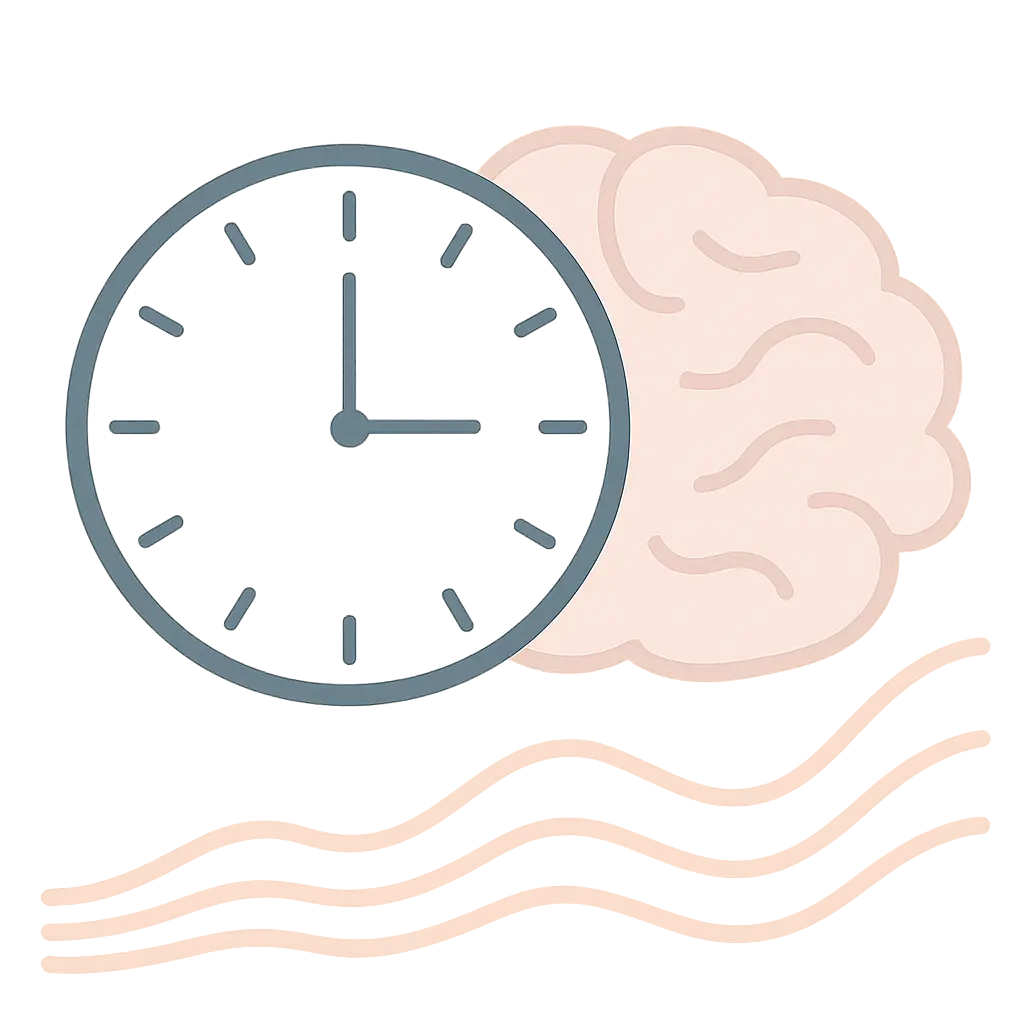
A true nicotine craving is your brain and body responding to falling nicotine levels. Inhaled nicotine reaches the brain within seconds, and its plasma half-life runs roughly two hours, which means levels rebuild and then drop again in a predictable rhythm across your day (NCBI Bookshelf, nicotine pharmacology). Each puff delivers a fast peak that lets nicotinic receptors resensitize between doses — which is exactly why the next cigarette still feels reinforcing hours later, and why a gap without one starts to feel physically uncomfortable.
This kind of craving tends to build gradually rather than slam in all at once. It’s often accompanied by restlessness, difficulty concentrating, or irritability that has nothing to do with your surroundings. Withdrawal research shows these effects typically begin 4–24 hours after your last cigarette and peak around day 3 of a quit attempt, a pattern covered in more detail by what nicotine does to your brain.
What a Cued Habit Urge Feels Like
A habit urge, by contrast, is context firing a well-rehearsed script. It doesn’t build gradually — it arrives fully formed the moment you hit the trigger, whether that’s stepping outside for a break, finishing a meal, or seeing a coworker light up. The pull can feel just as intense as a real craving, but it’s driven by association, not blood chemistry.
Habit urges also behave differently over a day. They tend to be shorter than a genuine nicotine dip but far more frequent, because you pass through many more cues in a day than you have hours between cigarettes. That is why people often describe the first week away from their usual routine — a holiday, a hospital stay, a change of job — as unexpectedly easy: the chemistry is identical, but most of the cues are missing.
Common habit triggers include the hand-to-mouth motion itself, which is why the oral fixation of smoking can persist as an urge long after nicotine dependence has faded. Other classic cues are driving, drinking coffee or alcohol, finishing a task, and specific people or locations tied to years of repetition. None of these require a chemical deficit to fire — they fire because of thousands of past repetitions, the same way any strongly learned habit does.
The Clock Test
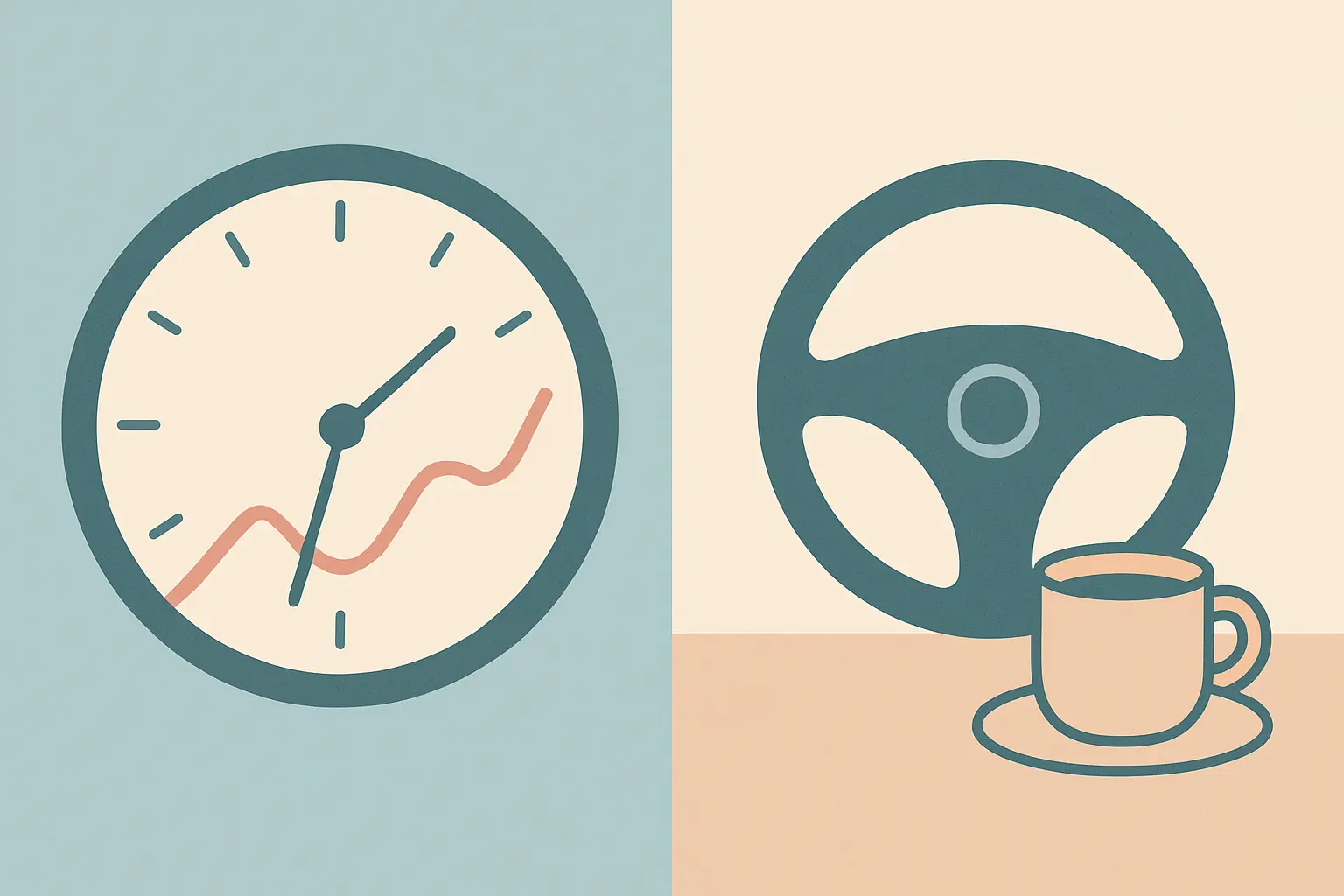
Time since your last cigarette is one of the most reliable signals available. If it’s been under an hour and you’re already craving hard, chemistry is an unlikely explanation — you’re probably responding to a cue instead. If it’s been several hours and the pull is steadily rising, that’s the classic shape of a real nicotine dip.
| Time since last cigarette | Likely type | What to do |
|---|---|---|
| Under 60 minutes | Habit-driven | Identify the cue and interrupt it |
| 1–2 hours | Mixed | Check context first, then consider NRT if craving persists |
| 2–4+ hours, gradual buildup | Pharmacological | NRT or wait it out; craving usually passes in minutes |
The Context Test
Alongside the clock, ask where you are, who you’re with, and what you’re doing. Cravings that show up reliably in the same three or four contexts — the car, right after meals, on a call with a specific person, with a drink in hand — are habit-shaped, even if they feel urgent. You can often map these ahead of time; the guide on how to predict cigarette cravings by trigger hour walks through building that map so surprises become rarer.
A craving that shows up regardless of setting — at home, at work, alone, with others — and simply tracks the clock is more likely to be the chemical kind. If you genuinely can’t tell, run both tests together: a habit urge will usually ease noticeably once you remove or swap the cue, while a pharmacological craving keeps building no matter what you change around it.
The Right Tool for Each Type
Matching your response to the actual driver behind the urge changes how effective it feels:
- For pharmacological cravings: nicotine replacement therapy addresses the real gap directly, and simply waiting also works, since these cravings are genuinely time-limited even when they don’t feel like it.
- For habit urges: breaking or substituting the cue works better than white-knuckling the craving itself. Urge surfing is especially useful here — riding out a craving in four stages gives you something concrete to do with the wave of urge without needing nicotine at all.
- For mixed urges: address the cue first (change your route, swap the drink, hold something else) and see how much of the pull remains. Whatever’s left afterward is closer to the true chemical component.
Three mix-ups account for most wasted effort here. The first is dosing NRT for urges that were never chemical, which leaves the cue untouched and makes NRT look ineffective. The second is trying to willpower through a genuine four-hour nicotine dip, which is the one situation where replacement genuinely does the work for you. The third is assuming an urge is chemical simply because it felt intense — intensity tells you almost nothing about which type you are facing, while timing and context tell you almost everything.
How long a given craving actually lasts also matters for deciding whether to act or just wait it out — how long nicotine cravings last breaks this down by day and week so you know what a “normal” wave looks like versus one worth intervening on.
A Quick Worked Example

Say you’re two hours into a work shift, haven’t smoked since breakfast, and suddenly want a cigarette the moment your coworker steps outside. Run the clock test: two hours is borderline, not clearly pharmacological. Run the context test: the urge tracks a specific person’s movement, not a steady buildup — that’s a strong habit signal. The fix here isn’t a nicotine lozenge; it’s staying at your desk, or joining your coworker outside without smoking, until the cue-driven pull fades on its own, which it usually does within a few minutes once you don’t act on it.
Compare that to waking up and craving heavily before you’ve done anything at all, four or more hours since your last cigarette the night before. No specific cue triggered it — it built steadily overnight. That’s the pharmacological pattern, and it’s exactly the scenario NRT or a first cigarette-replacement action is designed for.
What Changes at Week 3 When the Chemistry Fades
Both craving types soften over time, but on very different timelines. Nicotine withdrawal symptoms typically peak around day 3 and taper substantially over the following three to four weeks as receptor sensitivity normalizes (McLaughlin et al., Current Topics in Behavioral Neurosciences, 2015). By around week 3, most of the purely chemical urgency has faded for most quitters.
Habit urges don’t follow the same clock. A cue you built over years — the after-dinner cigarette, the one with your morning coffee — can still fire an urge months later, long after nicotine is out of the picture entirely, simply because the association was never chemical to begin with. This is exactly why some people report nothing feeling quite right weeks after quitting even once the physical withdrawal has clearly passed: what’s left is habit and identity work, not nicotine.
Knowing this in advance helps you plan appropriately: expect the chemical piece to fade fast, and expect to keep deliberately dismantling specific cues well past the point where nicotine itself is no longer the issue. That mismatch in timelines is also a common reason people assume a slip weeks in means they’ve “failed” — when really, it usually just means one more habit cue needs a new response.
Craving vs Habit FAQ
How do I know if a craving is nicotine withdrawal or just habit?
Check the clock and the context. A pharmacological craving tends to build steadily as time since your last cigarette passes two to four hours. A habit urge fires instantly the moment you hit a specific cue, like a car, a drink, or a phone call, regardless of timing.
Can a craving be both nicotine and habit at once?
Yes, often. Many cravings are the two layered together: a rising chemical pull that gets sharply amplified the moment you also hit a familiar cue. Separating the layers helps you pick a response that actually matches what is happening.
Does the craving-versus-habit split change over time after quitting?
Yes. The pharmacological component fades fastest, easing substantially within the first few weeks as nicotine receptor sensitivity resets. Cued habit urges linked to specific places, people or routines can persist much longer because they were learned, not chemically driven.
What helps a pharmacological nicotine craving?
Nicotine replacement therapy directly addresses the chemical gap, along with waiting it out since these cravings are time-limited. Deep breathing and hydration can also help take the edge off while the wave passes.
What helps a cued habit urge?
Breaking or substituting the cue works better than fighting the urge directly. Changing your route, holding something else in your hand, or swapping the associated drink or routine removes the trigger that was firing the urge in the first place.
Why does it matter which type of craving I am having?
Using a habit-breaking strategy on a genuine chemical craving, or nicotine replacement on a purely cued urge, often fails and can feel discouraging. Matching the right tool to the right type of urge makes each individual craving easier to get through.
Does how intense an urge feels tell me which type it is?
No. A cued habit urge can feel every bit as strong as a chemical craving, because intensity reflects how well learned the association is rather than your blood nicotine level. Timing and context are far more reliable signals than how urgent the feeling is.
Why is quitting easier on holiday or away from my usual routine?
Because the chemistry is unchanged but most of your habit cues are missing. Your desk, your car, your usual smoking spot and your regular company are all absent, so the cued half of the urge largely disappears and only the pharmacological half remains.
Log Every Urge and Let the Pattern Show You Which Type It Is
iQuit’s craving log records the time, trigger and intensity of every urge, so the difference between chemical cravings and cued habits becomes obvious instead of guesswork. Pair that with SOS breathing tools and a virtual cigarette for riding out either type in the moment. It’s free on Android, with iOS still to come.