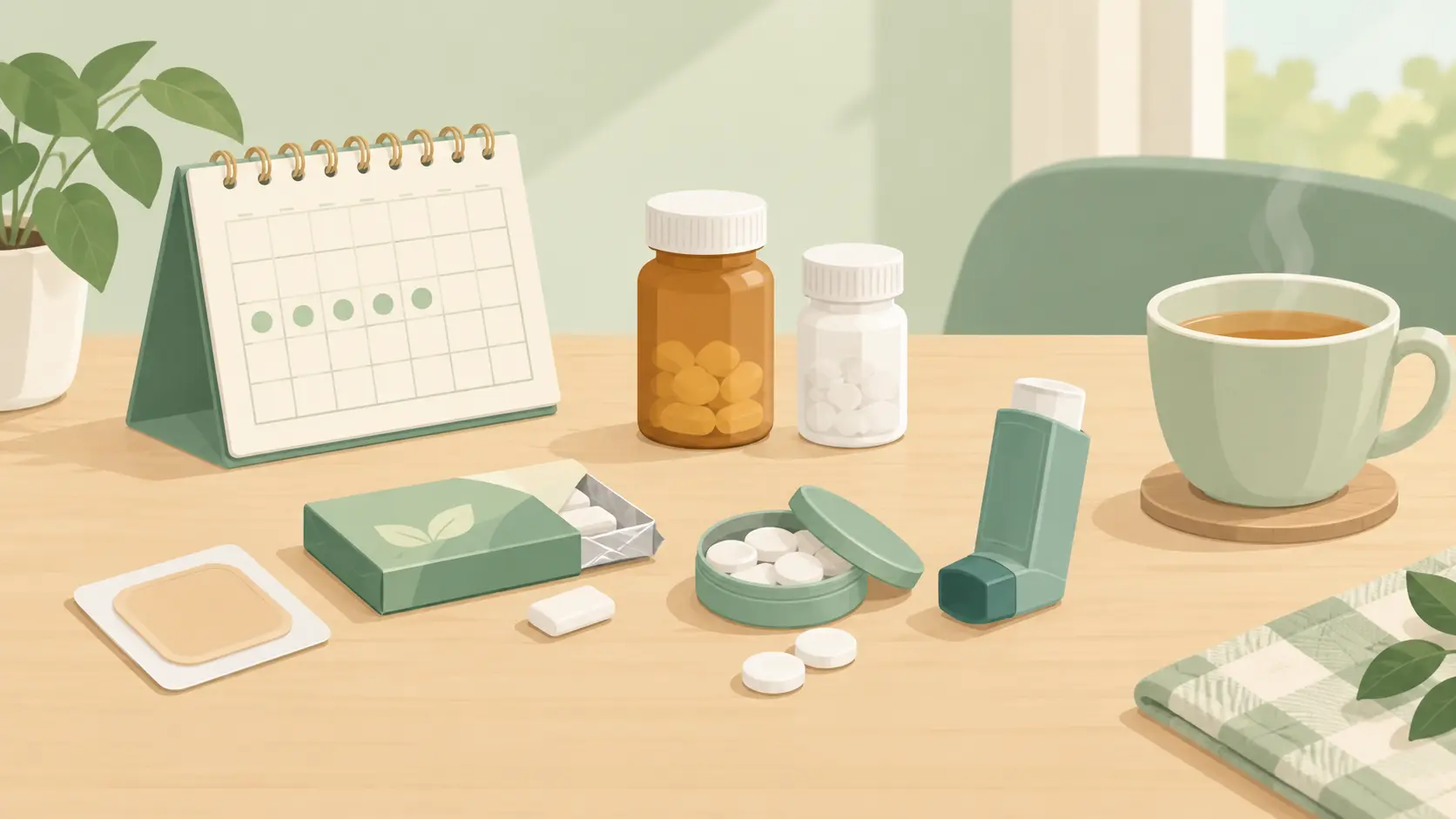
If you are searching for quit smoking medication, you are probably a few days from a quit date and trying to work out which pill, patch or gum is worth asking about. This guide lays out every option the U.S. Food and Drug Administration (FDA) lists for stopping cigarettes, what is sold over the counter, what needs a prescription, and what is not approved at all.
It is general education, not medical advice, and it deliberately skips dosing. Dosing depends on your health history and how much you smoke, which is exactly what a pharmacist or prescriber is trained to sort out.
Quit Smoking Medication at a Glance
The FDA groups its approved cessation products into three families: over-the-counter nicotine replacement, prescription nicotine replacement and prescription medicines that contain no nicotine. The agency states in its consumer guide to approved cessation products that products it has approved or cleared are shown to help people quit smoking and can even double your chance of quitting successfully.
| Medication | How you get it | Contains nicotine? | Form |
|---|---|---|---|
| Nicotine patch | Over the counter (18+) | Yes | Skin patch |
| Nicotine gum | Over the counter (18+) | Yes | Chewing gum |
| Nicotine lozenge | Over the counter (18+) | Yes | Dissolves in the mouth |
| Nicotine nasal spray | Prescription | Yes | Spray |
| Nicotine inhaler | Prescription | Yes | Inhaler |
| Varenicline (Chantix and generics) | Prescription only | No | Tablet |
| Bupropion SR (Zyban) | Prescription only | No | Extended-release tablet |
The FDA page does not put a total on that list, and it also mentions one cleared medical device, so treat the table as the working set most people are choosing from. For a broader look at which approach tends to work best, see our guide to the most effective way to quit smoking.
Over-the-Counter Nicotine Replacement: Patch, Gum, Lozenge
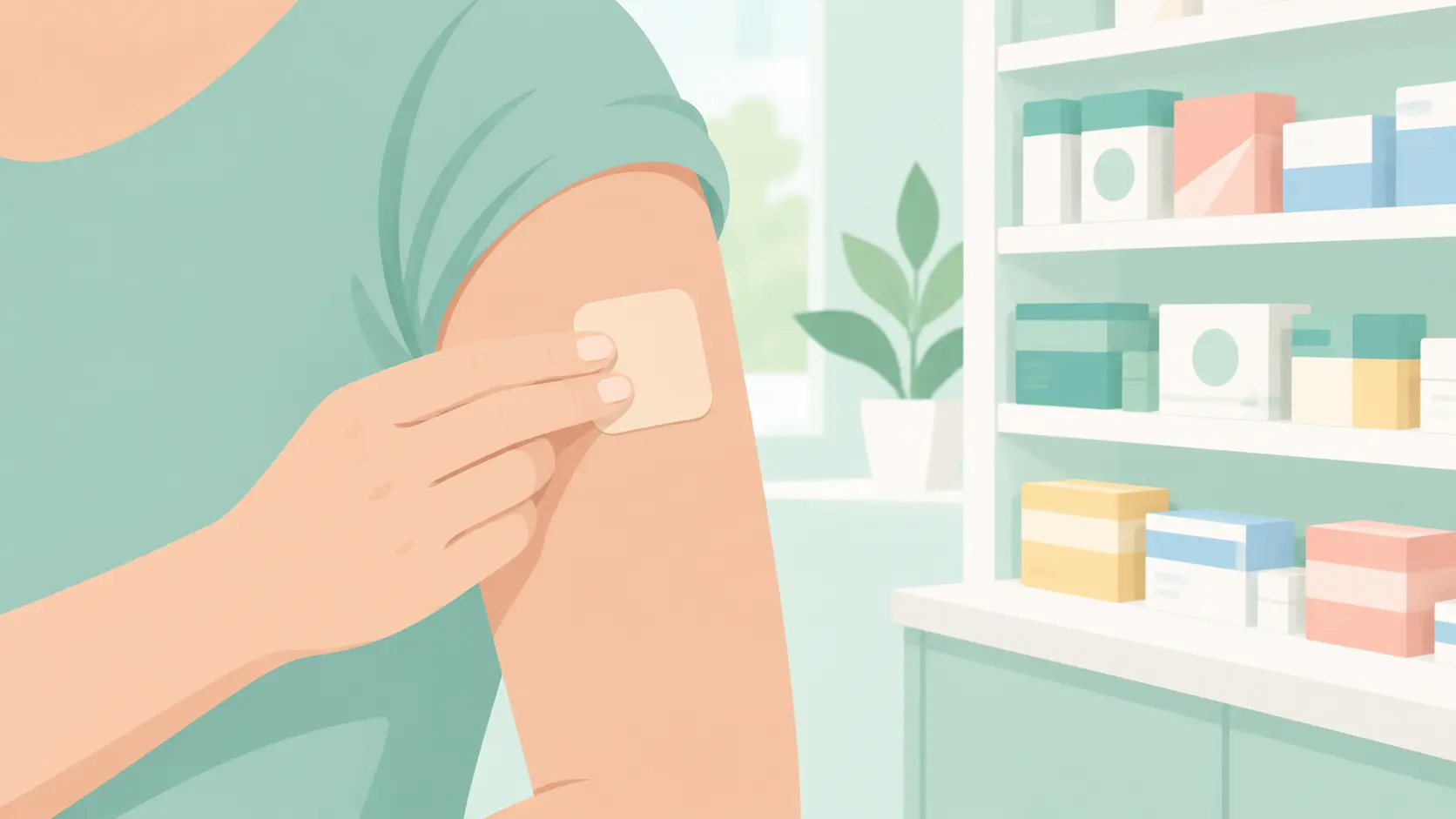
Nicotine replacement therapy, usually shortened to NRT, works by giving your body smaller amounts of nicotine over time without the toxic chemicals found in cigarette smoke. The FDA says that, in conjunction with a behavioral program, NRTs have been found to increase the success of smoking cessation. The over-the-counter versions are approved for sale to people age 18 and older.
The nicotine patch
The patch sticks to your skin like an adhesive bandage and releases nicotine steadily through the day. Because the delivery is slow, it does not give the quick hit that a cigarette does, which is why many people use it as a baseline and add something faster-acting for breakthrough urges. Our explainer on how nicotine patches work covers the mechanics in more detail.
Nicotine gum
The FDA notes that gum has to be chewed according to the labeled instructions to be effective. Read the package carefully, because the technique is not the same as chewing regular gum. Gum is a flexible choice for people whose cravings arrive in short, sharp bursts.
Nicotine lozenges
Lozenges dissolve in your mouth and are a good fit if you cannot chew gum, for example with dental work. Like gum, they are a short-acting tool for moments such as the first cup of coffee or a break at work.
Under age 18, the FDA advises speaking to a doctor before using any of these products.
Prescription Nicotine Replacement: Nasal Spray and Inhaler
Two further nicotine products need a prescription: the nicotine nasal spray and the nicotine inhaler. Both are meant for people who want something they can use on demand when a craving spikes. They are less common than the over-the-counter options, partly because they require a visit with a prescriber and partly because some people dislike the way they feel.
If you smoke heavily, have tried the over-the-counter products without success, or want a fast-acting option alongside a patch, ask your provider whether either of these is appropriate. Do not use leftover prescriptions from someone else.
Varenicline (Chantix and Generics)
Varenicline is a prescription tablet that contains no nicotine. The American Cancer Society says it has two effects: it lessens the pleasure a person gets from smoking and it reduces the symptoms of nicotine withdrawal. The NHS describes it as a medicine used to help stop smoking in adults that reduces nicotine cravings and helps with withdrawal symptoms.
How it is typically used
The American Cancer Society says you typically start varenicline a week before your quit day, or start it and pick a quit date within the next few weeks. It is typically given for 12 weeks, and people who quit during that time may get another 12 weeks of treatment to boost their chances of staying off tobacco. Your prescriber sets the actual schedule and strength.
Side effects to know about
According to the FDA, the most common side effects include nausea, constipation, gas, vomiting, and trouble sleeping or vivid, unusual dreams. Varenicline may also change how you react to alcohol. The FDA also lists changes in behavior, depressed mood, hostility, aggression and suicidal thoughts or actions among the risks, and says it evaluated the drug and found that the benefits outweigh the risks. Tell your provider about any mental health history before you start, and call them if you notice mood changes.
The FDA states that varenicline is not recommended for patients 16 years of age or younger. For a week-by-week walkthrough, read how Chantix works over time, and for the adverse-effect details see varenicline side effects and how long to take it.
Bupropion SR (Zyban)
Bupropion is the other non-nicotine prescription tablet. The American Cancer Society describes Zyban as a prescription antidepressant in an extended-release form that helps reduce cravings and symptoms of nicotine withdrawal by acting on brain chemicals linked to craving. It adds that other brand forms of bupropion, such as Wellbutrin or Aplenzin, are not approved by the FDA for tobacco cessation, so do not assume they are interchangeable.
The FDA reports that the most commonly observed side effects are dry mouth and insomnia, and that because it shares an active ingredient with an antidepressant, people using it should discuss the risks of antidepressant treatment with their provider. It has not been studied in children under 18 and is not approved for them. The American Cancer Society says bupropion works best when started one to two weeks before the quit date, and that it can interact with other medicines and supplements, so give your provider a full list of everything you take.
Bupropion can be a sensible discussion point if you also have a history of depression or if you have worried about the way varenicline might affect you. Our full guide to bupropion (Zyban) for quitting smoking goes deeper.
Combination Therapy and What Doctors May Recommend
A single product is not always enough. The American Cancer Society reports that using varenicline together with the nicotine patch has shown better outcomes than varenicline alone, with side effects that appear to be about the same. It also notes there is some consensus that bupropion together with nicotine patches might increase the odds of quitting.
Putting varenicline and bupropion together is a different matter. The American Cancer Society says this combination is not usually suggested right away, but may benefit people who need more help when one medicine is not enough, and that more research is needed on side effects.
A common-sense takeaway is that the strongest plans often stack a steady background product, such as a patch, with something for breakthrough cravings and some form of behavioral support. Which stack is right for you is a prescriber conversation. The FDA says your provider may need to consider your age, whether you are pregnant or breastfeeding, and conditions such as heart disease, diabetes, depression, asthma and blood pressure.
What Is Not FDA-Approved
Cytisinicline
Cytisinicline is an investigational smoking cessation drug that has attracted attention as a possible new option. It is not approved. Its developer, Achieve Life Sciences, announced that it received a Complete Response Letter from the FDA on June 22, 2026, and says it intends to resubmit its application in the fourth quarter of 2026, with a potential approval decision in the first half of 2027. Until the FDA acts, you cannot get it by prescription in the United States, and you should be wary of anyone selling it online.
E-cigarettes and vapes
E-cigarettes do not appear on the FDA list of approved or cleared cessation products. If nicotine is the thing you are trying to leave behind, trading cigarettes for a vape keeps the dependence going. If you are in that spot, talk to your provider about approved options.
Off-label prescriptions
Some medicines are used off-label for quitting. The American Cancer Society names nortriptyline and clonidine, says they have not been approved by the FDA for this purpose, and says they are only available with a prescription. It adds that these medicines are not recommended for pregnant women, teens, or people who smoke fewer than 10 cigarettes a day. They are options for specialists to weigh, usually after the approved medicines have not worked.
Supplements and “quit smoking” pills
Herbal pills, lozenges and patches sold online as quit aids are not on the FDA list. If a product promises to end cravings with no side effects, treat that as a red flag and check the name against the FDA approved list before you spend money.
Brain stimulation device
Besides medicines, the FDA says it has given marketing clearance to a device using transcranial magnetic stimulation as an aid for short-term smoking cessation in adults. That is a clinic-based option rather than something you pick up at a pharmacy.
How to Get Quit Smoking Medication Free or Low-Cost
Cost is a real barrier, and it is worth checking before you assume you will pay full price.
- Insurance coverage. Many plans cover some cessation products and counseling. Rules differ by plan and state, so see whether insurance covers quit smoking aids and call the member number on your card.
- Quitlines. The CDC lists the national quitline number as 1-800-QUIT-NOW. Ask the quitline what support your state offers.
- Generics. Ask your pharmacist whether a generic of your prescribed medicine is available.
- Prescriber visits. Telehealth and community clinics can sometimes prescribe cessation medicine at lower cost than a full office visit.
The CDC also notes that the quit-smoking medicines on its site are approved by the FDA for adults to use to quit cigarettes. You can browse them on the CDC quit smoking medications page.
How to Choose and What to Ask Your Provider
You do not have to walk into the appointment knowing the answer. Bring a short list instead:
- How many cigarettes do I smoke, and how soon after waking do I light the first one?
- Which products have I tried before, and what went wrong?
- Do I have heart, kidney or mental health conditions, or could I be pregnant?
- Which medicines do I already take, including over-the-counter drugs and supplements?
- Do I drink alcohol regularly, given that varenicline may change how you react to it?
Then agree on a start date for the medicine, a quit date, and a check-in so you can adjust if side effects appear. If you have a bad reaction, the FDA invites you to make a voluntary and confidential report to its MedWatch program, and your provider may tell you to stop using the product.
Medication handles the nicotine, not the habit
Even the best medicine does not remove the trigger of your morning coffee, a stressful call or a drink with friends. That is the behavioral side. Make a plan for your three or four highest-risk moments, and track them. The guide to the most effective way to quit linked earlier explains why combining medication and support beats either alone.
Frequently Asked Questions
What is the best medication to help you stop smoking?
There is no single best choice for everyone. The FDA says approved products can help people quit and can even double the chance of quitting successfully. Which one fits depends on your health, how much you smoke and what you have tried before, so the decision belongs to you and your health care provider.
Which quit smoking medications are available over the counter?
The nicotine patch, nicotine gum and nicotine lozenge are the over-the-counter options. The FDA says they are approved for sale to people age 18 and older. Everything else on the approved list, including the nasal spray, inhaler, varenicline and bupropion, requires a prescription.
Do I need a prescription for quit smoking medication?
For the patch, gum and lozenge, no. For the nicotine nasal spray, the nicotine inhaler, varenicline and bupropion SR (Zyban), yes. A prescription also gets you a clinician who can check your medical history, which matters if you are pregnant or have heart disease, depression or other conditions.
Can I use more than one quit smoking medication at once?
Sometimes, under medical guidance. The American Cancer Society notes that using varenicline together with the nicotine patch has shown better outcomes than varenicline alone, and that bupropion plus nicotine patches might increase the odds of quitting. Do not combine products on your own; ask your provider which pairing makes sense for you.
Is cytisinicline FDA-approved?
No. As of November 2026 cytisinicline is not approved in the United States. Its developer announced a Complete Response Letter from the FDA on June 22, 2026 and said it intends to resubmit its application in the fourth quarter of 2026. Until the FDA approves it, it is not a prescription option here.
Is vaping or an e-cigarette an FDA-approved way to quit?
No. The FDA list of approved and cleared cessation products covers nicotine replacement products, varenicline, bupropion hydrochloride and one cleared transcranial magnetic stimulation device. E-cigarettes are not on it. If you are trying to stop using nicotine altogether, talk to your provider about approved options.
Do quit smoking medications work without counseling or support?
They work better with support. The FDA says nicotine replacement therapies have been found to increase the success of quitting when used in conjunction with a behavioral program. That is why most guidance pairs medication with counseling, a quitline such as 1-800-QUIT-NOW, or a tracking tool you actually open every day.
Pair Your Medication With a Daily Plan
Medication handles the nicotine. iQuit helps with the habit.
iQuit is free on Google Play and the App Store. Log each craving with its trigger and intensity, use SOS craving support when an urge hits, ask the AI coach that adapts to your progress, and watch days smoke-free and money saved add up on the dashboard.