

If a cigarette sends you straight to the bathroom, you are not imagining it. Why does smoking make you poop? The short answer is nicotine itself: it stimulates the nerves and muscles that move waste through your colon, and for some people that kicks in within minutes of lighting up. It is a real, documented digestive effect — not a coincidence, and not something everyone experiences the same way.
Why a cigarette makes you need the toilet
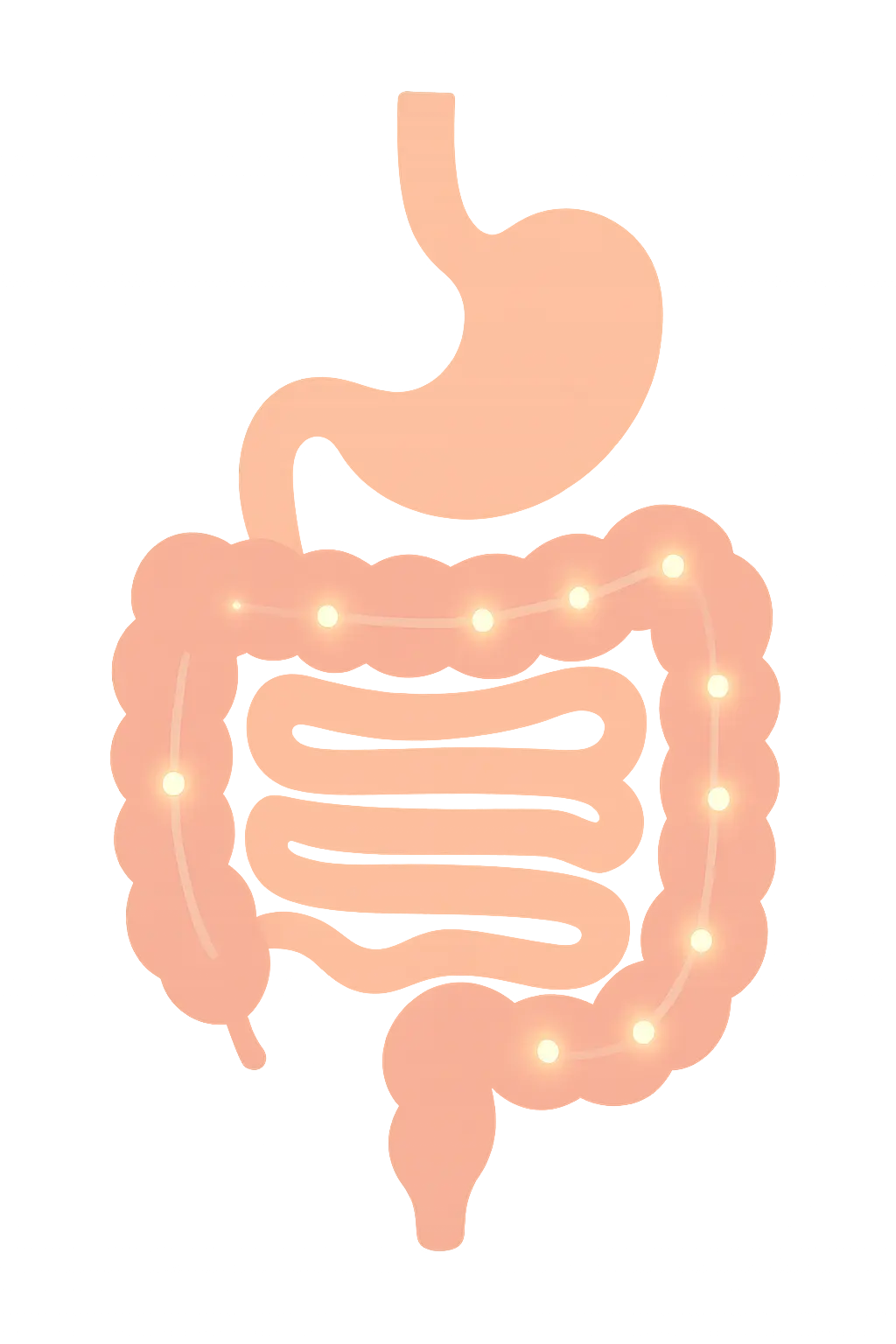
Nicotine is a stimulant, and stimulants do not stop at the brain. Once nicotine reaches your bloodstream it binds to receptors found throughout the digestive tract, not just the ones tied to craving and reward. Those gut receptors sit on nerve endings that control muscle contractions in your stomach and intestines, so activating them can speed up movement all the way down to the colon.
Not every smoker notices this. Some people feel a reliable urge within 5–15 minutes of a cigarette; others never connect the two. Researchers have not pinned down why the response varies so much from person to person, only that the underlying gut receptors and nerve pathways nicotine acts on are the same ones in everybody.
Nicotine and the gastrocolic response
The clearest evidence comes from a Mayo Clinic study that measured colonic activity directly after giving people nicotine. In healthy volunteers, a high dose of intravenous nicotine triggered strong, propagated contractions in the descending colon and measurably sped up how fast solid waste moved through it. A lower dose — closer to what a nicotine patch delivers — had a gentler effect, mainly reducing how much the colon could stretch and hold before feeling full (Coulie et al., Alimentary Pharmacology & Therapeutics, 2001).
In plain terms: nicotine does not just relax you or curb a craving. At the doses in a cigarette, it can physically push the colon’s muscles to contract in the kind of wave pattern that moves stool toward the rectum. That is the “gastrocolic-style” response smokers are describing when they say a cigarette “gets things moving.”
This is also why the effect is inconsistent. Dose matters — a full cigarette delivers nicotine faster and in a different pattern than a patch or a single puff — and so does what else is happening in your gut at that moment, including whether you have just eaten.
The coffee-and-cigarette double effect
If your version of this is specifically “coffee and a cigarette,” you are stacking two stimulants that both act on gut motility. Coffee has its own independent effect on colon activity, separate from caffeine’s stimulant properties on the brain. Add nicotine on top, and the two can compound — which is part of why the “coffee-and-a-cigarette” bathroom trip is such a widely reported combination rather than a coincidence tied to just one of the two. Our deep dive on the coffee-cigarette craving trigger covers the caffeine side of that pairing, including why the two habits reinforce each other beyond digestion.
Understanding this pairing matters for quitting, too: if coffee is one of your strongest craving triggers, planning around it — a different drink, a different location, a shorter cup — takes out one leg of a habit that is otherwise doing double duty on your brain’s dopamine-driven craving loop.
Why quitting slows things down
If nicotine speeds the colon up, it follows that removing it can slow things back down — and constipation is one of the more common complaints in the first weeks after a quit date. It is rarely caused by nicotine withdrawal alone. The general causes of constipation that gastroenterologists point to — a change in daily routine, a change in diet, drinking less than usual, moving around less — all tend to cluster in exactly the week someone quits smoking, on top of whatever nicotine itself was doing to gut motility.
That combination is worth taking seriously rather than shrugging off, because the same habit changes that make quitting hard on your gut (skipped meals, more snacking, less routine) are ones you can deliberately correct.
How long post-quit constipation lasts
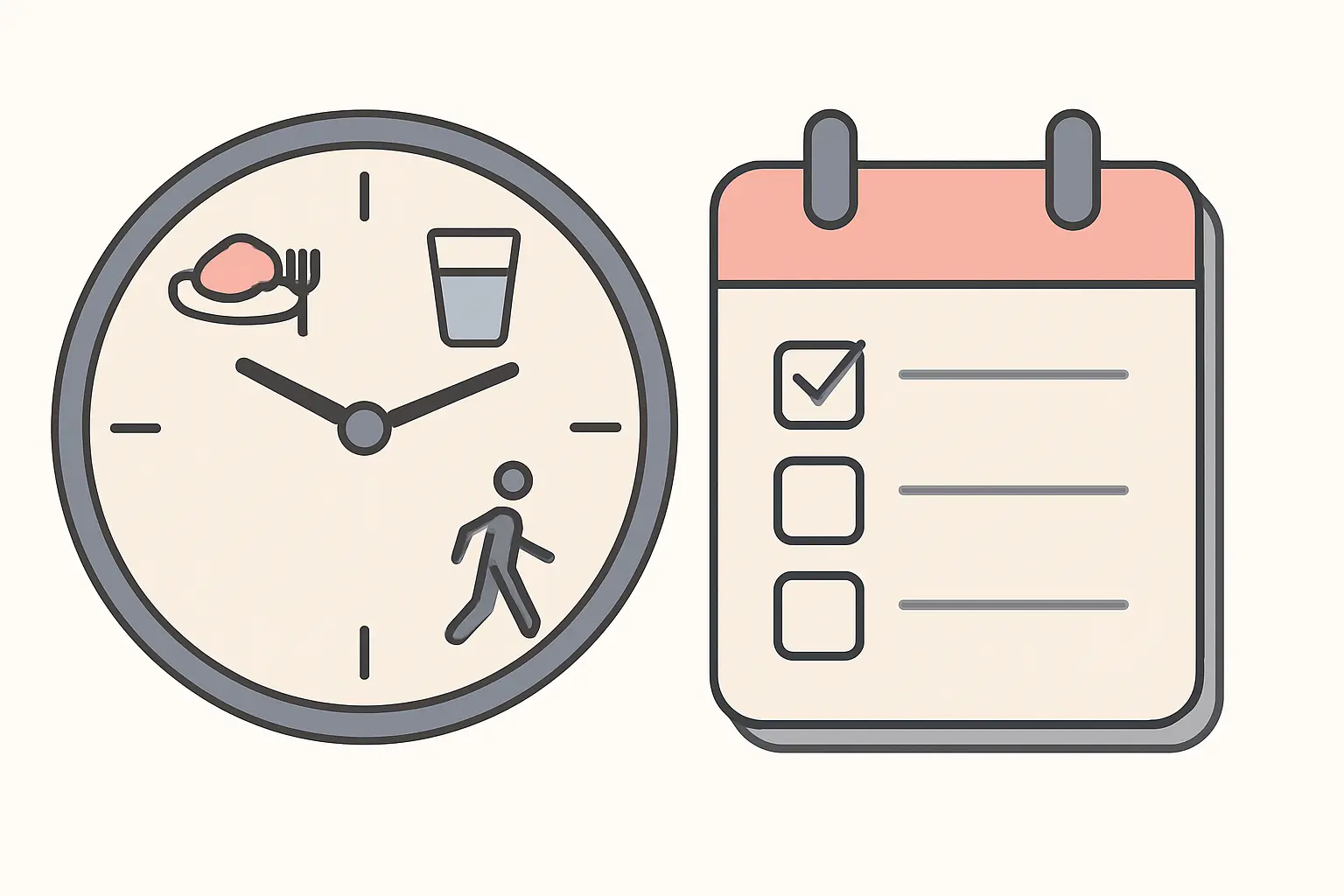
There is no single, well-studied timeline for exactly how many days or weeks this lasts, so treat any specific number you read elsewhere with suspicion. It is a different clock from the one that governs nicotine leaving your bloodstream — see our breakdown of how long nicotine stays in your system if you are wondering whether the two are related. What is well established is the mechanism behind recovery: once your new eating, drinking, and activity routine settles into a steady pattern, the general causes of constipation stop applying, and bowel habits typically normalize on their own timeline for that reason rather than because a fixed number of days has passed.
If you are only a few days into quitting, the most useful thing you can do is not wait it out passively — the fixes below act directly on the same causes that are working against you.
What actually helps
The standard, evidence-based constipation advice applies directly here, and it targets the exact gaps that open up when a daily nicotine habit disappears. Pairing it with a broader look at what to eat when quitting smoking covers the diet side in more depth than fiber alone:
- Fiber first. Add fruit, vegetables, wheat bran, oats, or flaxseed gradually rather than all at once.
- Fluids. Drink water consistently through the day and go easy on alcohol, which works against you here.
- Movement. A daily walk or light exercise is one of the most consistently recommended non-drug measures for keeping bowel movements regular.
- A toilet routine. Keep a regular time and place, do not delay when you feel the urge, and try resting your feet on a low stool with knees above hip height to make passing stool easier.
- A pharmacist, if needed. If diet and lifestyle changes are not enough after a few days, ask a pharmacist about a short course of an over-the-counter laxative — most work within three days and are meant for short-term use, not as a long-term fix (NHS).
None of this requires reintroducing nicotine to “get things moving” — that trades a short-term fix for the habit you are trying to break, and nicotine is not a safe or approved constipation treatment at any dose.

When it is not just quitting
Most post-quit constipation is temporary and responds to the basics above. See a doctor if you also have blood in your stool, constant abdominal pain, unexplained weight loss, ongoing bloating that will not settle, or if constipation persists despite genuinely trying the fiber-fluid-movement approach for more than a couple of weeks (NHS). These are the same red-flag symptoms doctors watch for in constipation generally, quitting or not, and they are not something to self-treat around (NIDDK).
If your quit attempt is also affecting your energy, mood, and sleep, a broader look at what withdrawal is actually doing — and which symptoms are physical versus behavioural — can help you plan around all of it rather than firefighting one symptom at a time; see our guide to whether nicotine acts as a stimulant or a depressant in your body for the fuller picture.
Tracking how your body responds day by day — sleep, mood, cravings, and yes, digestion — is exactly what a structured quit plan is for. iQuit’s daily missions and craving logging, which tracks triggers and intensity, can help you see whether a coffee, a stressful morning, or the nicotine itself is driving what you are noticing. It is a small, unglamorous symptom next to the bigger wins on the full quit-smoking benefits timeline, but it is the kind of thing that derails a quit attempt if you do not expect it.
Frequently Asked Questions
Why does smoking make you poop right after lighting up?
Nicotine binds to nerve receptors along the digestive tract that control muscle contractions. Research measuring colonic activity directly found that a cigarette-level dose of nicotine can trigger strong, propagated contractions in the colon and speed up how quickly waste moves through it, which is why the urge can arrive within minutes for some people (Coulie et al., Alimentary Pharmacology & Therapeutics, 2001).
Does this happen to every smoker?
No. Some people notice a reliable urge to go after smoking; others never make the connection. The nerve pathways nicotine acts on are the same for everyone, but researchers have not established why individual sensitivity varies so much.
Why is coffee and a cigarette together worse?
Coffee has its own separate effect on gut motility, and pairing it with a cigarette stacks two stimulant effects on the colon at once. That is part of why “coffee and a cigarette” is such a commonly reported bathroom trigger rather than something unique to only one of the two habits.
Is it normal to get constipated after quitting smoking?
It is a common complaint in the first weeks of quitting. It is not usually caused by nicotine withdrawal in isolation — a change in daily routine, diet, fluid intake, and activity level, all common in the first days of a quit attempt, are the general drivers of constipation according to NIDDK, and they tend to cluster right when someone quits.
How long does post-quit constipation last?
There is no fixed, well-studied timeline. It generally eases as your new eating, drinking, and activity routine settles into a steady pattern, since that removes the underlying causes rather than the symptom resolving on a set schedule.
Can I use nicotine or smoking to treat constipation?
No. Nicotine is not an approved or safe constipation treatment at any dose, and researchers have not studied how much would even be needed to reliably trigger a bowel movement. Standard NHS advice — fiber, fluids, movement, and a pharmacist-recommended laxative if needed — is the appropriate approach instead.
What actually helps post-quit constipation?
Gradually increasing fiber (fruit, vegetables, oats, wheat bran, or flaxseed), drinking plenty of water, daily walking or light activity, and keeping a consistent toilet routine are the standard first steps recommended by the NHS. A pharmacist can suggest a short-term laxative if these are not enough after a few days.
When should post-quit constipation see a doctor?
See a doctor if you notice blood in your stool, constant abdominal pain, unexplained weight loss, or if constipation does not improve after genuinely trying diet, fluid, and activity changes for a couple of weeks. These are general red flags for constipation, not specific to quitting.
Track your quit day by day, digestion included
iQuit’s daily missions and craving log help you separate what is nicotine withdrawal from what is just a rough week — so you can fix the right thing.
Download iQuit Free on Google Play
Download on the App Store


