Knowing what to eat when quitting smoking can take some of the edge off cravings you can’t fully control otherwise: the right foods steady the blood-sugar dips that mimic withdrawal irritability, give your hands and mouth something to do, and — in the case of dairy and a few other foods — make a cigarette taste worse if you slip. None of this replaces NRT or a craving-support app, but a deliberate eating pattern in the first few weeks makes cravings easier to ride out.
Why What You Eat Affects Nicotine Cravings
Nicotine withdrawal and blood-sugar swings produce almost identical symptoms — irritability, shakiness, poor concentration — which means an unstable diet can make withdrawal feel worse than it needs to. Nicotine also blunts appetite and speeds up metabolism slightly, so many people genuinely feel hungrier once they quit, and mistaking that hunger for a craving (or vice versa) is common in the first couple of weeks. The metabolic shift itself is real but modest — the real numbers behind the weight fear covers what actually changes and why the eating strategies here matter more than the small metabolic dip itself.
Food also plays two smaller but real roles: it fills the hand-to-mouth ritual that cigarettes provided, and certain foods change how a cigarette tastes. In a 2007 study from Duke University Medical Center, 209 smokers were asked which foods and drinks worsened or improved the taste of their cigarettes: fruits and vegetables, non-caffeinated drinks, and dairy products were the categories most commonly named as making cigarettes taste worse, while caffeinated drinks, alcohol, and meat were most often named as making them taste better. It is self-reported rather than a controlled trial, but it is a genuinely useful lever if you’re worried about a slip.
Blood-Sugar Stabilizers to Cut Irritability
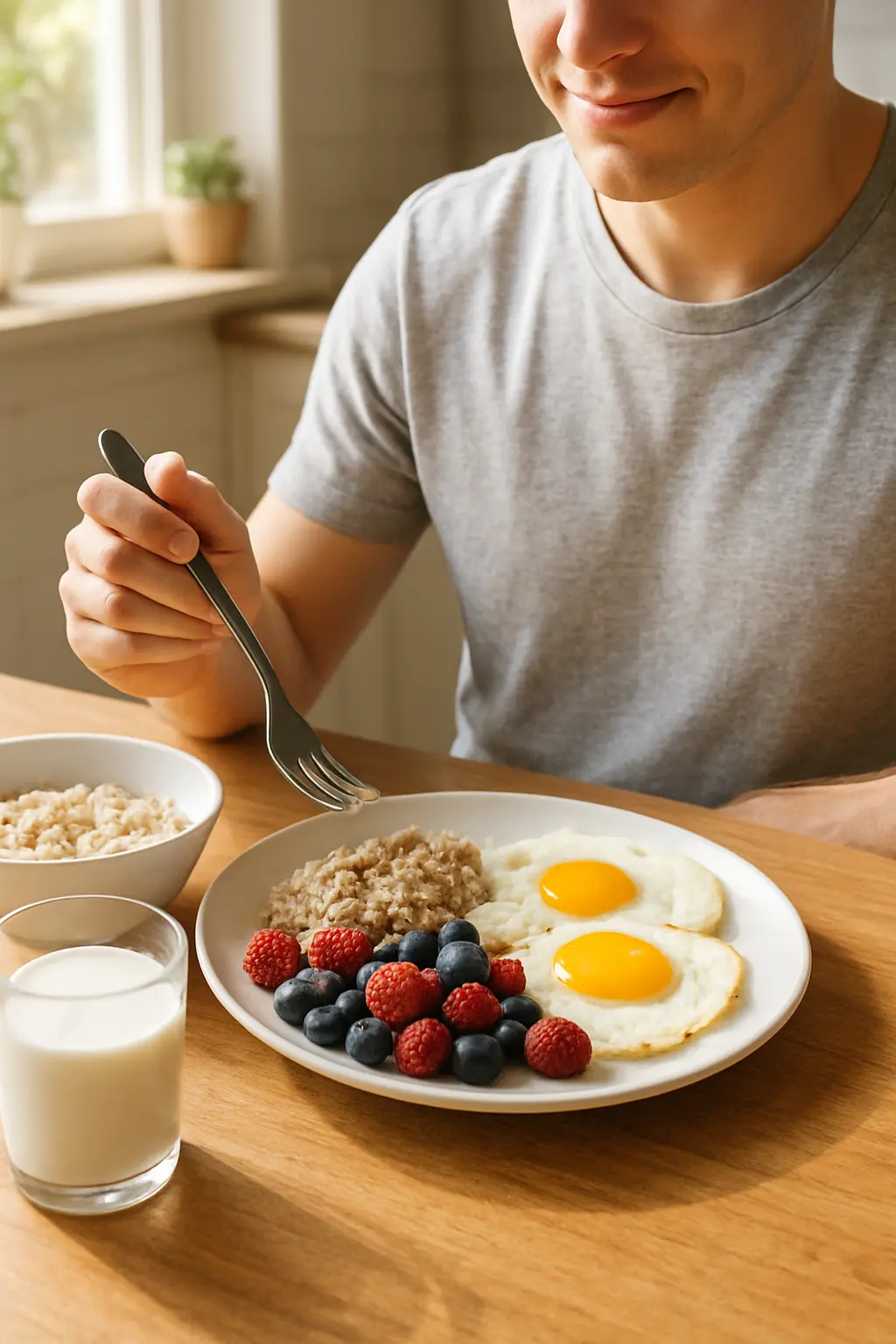
- Add protein to breakfast (every morning, 5–10 minutes). Eggs, Greek yogurt, or a protein smoothie alongside a complex carbohydrate keeps blood sugar level through the morning, when cravings and irritability often peak.
- Choose whole grains over refined ones (each main meal). Oats, quinoa, brown rice, and whole-wheat bread release glucose slowly, avoiding the spike-and-crash pattern that can feel a lot like a nicotine dip.
- Eat on a schedule, not when a craving hits (throughout the day). Regular meals and small snacks every 3–4 hours prevent the low-blood-sugar state that makes any craving, food or nicotine, harder to resist.
Crunchy Replacements for the Hand-to-Mouth Habit
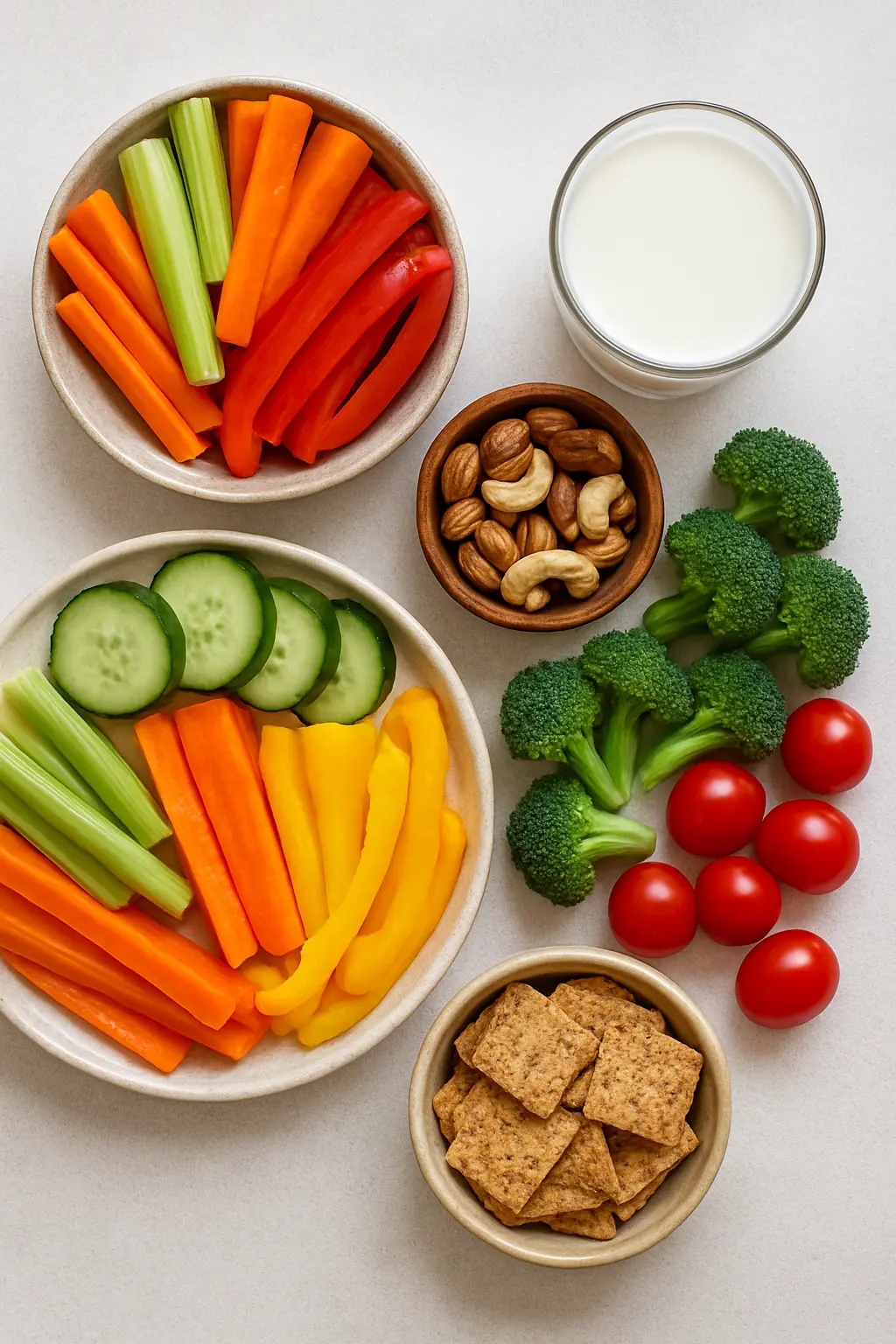
- Keep raw vegetables pre-cut and visible (prep once, use all week). Carrot sticks, celery, and cucumber give a satisfying crunch and a genuine hand-to-mouth action, low in calories so they don’t add to weight-gain worry.
- Stock unsalted nuts and seeds in small portions (portion into 1-oz bags). Sunflower seeds and almonds add the same repetitive motion with slow-release energy from healthy fats.
- Use sugar-free gum between real snacks (as needed). It occupies the mouth without adding calories or a sugar spike, and is a reasonable bridge on top of, not instead of, NRT if you’re using it.
The hand-to-mouth motion itself is often the harder habit to break, separate from the nicotine — 15 replacements for the hand-to-mouth habit covers non-food options too, for moments when snacking isn’t practical.
Taste-Aversion Foods That Make Cigarettes Taste Worse
If part of your worry is what happens during a moment of weakness, this section is worth remembering specifically. The Duke questionnaire study above found dairy, fruit, and vegetables were among the categories smokers most consistently named as making cigarettes taste unpleasant.
| Makes cigarettes taste worse | Makes cigarettes taste better (avoid near a craving) |
|---|---|
| Milk and dairy (cheese, yogurt) | Alcohol, especially beer and spirits |
| Fresh fruit (citrus especially) | Coffee and other caffeinated drinks |
| Vegetables, particularly raw | Meat, especially grilled or fatty cuts |
| Water and other non-caffeinated drinks | Sugary soft drinks |
Keeping a small carton of milk or a piece of fruit accessible isn’t a substitute for a real craving-management plan, but it’s a genuinely low-effort extra layer, especially in the first two weeks when the withdrawal survival playbook matters most.
Magnesium, Omega-3, and Hydration for a Calmer Nervous System
Nicotine withdrawal disrupts dopamine regulation, which shows up as anxiety, restlessness, and a shorter fuse than usual. A few nutrients have a plausible supporting role here, though none of them are a substitute for a licensed stop-smoking aid — the NHS Better Health quit-smoking guidance is the place to start for the treatments with the strongest evidence behind them.
- Magnesium-rich foods (daily, any meal). Almonds, spinach, pumpkin seeds, and dark chocolate support the neurotransmitter systems disrupted by nicotine withdrawal, and low magnesium intake has been associated with higher anxiety symptoms in nutrition research.
- Omega-3 sources (2–3 times a week). Salmon, sardines, walnuts, and flaxseed have mood-regulating effects documented in nutrition research and may modestly ease the low mood common in the first two weeks.
- Water, ahead of thirst (throughout the day). Dehydration mimics several withdrawal symptoms — fatigue, headache, poor focus — closely enough that plain water resolves a meaningful share of “cravings” outright.
For the mechanics of using water specifically as a craving tool, see why water blunts cravings, and if the weight-gain worry is what’s holding you back from quitting at all, quitting without gaining weight addresses that head-on rather than avoiding it.
Timing Your Eating Around Known Craving Peaks
Eating well matters more on some days than others, because withdrawal itself isn’t a flat line. It follows a fairly predictable curve, and knowing where you are on it changes what you should prioritize on your plate.
- Day 3 (extra prep the night before, 10 minutes). Withdrawal and irritability tend to peak around day two or three of quitting, which is exactly when blood-sugar stability matters most. Pre-cook or pre-portion meals for this day specifically so you’re not deciding what to eat while already running low on patience — why Day 3 is the hardest day covers the rest of what to expect.
- The first weekend (plan meals out loud, 5 minutes). Weekends often mean less structure and more social eating and drinking, both of which weaken the diet side of your plan right when routines matter most.
- Around two weeks (reassess, don’t abandon, 10 minutes). By this point physical withdrawal is easing for most people, and it’s tempting to drop the deliberate eating pattern entirely. Keep the blood-sugar basics even as the acute cravings fade — what happens at two weeks smoke-free explains what’s shifting physically at this stage.
A One-Day Sample Eating Plan
| Time | What | Why |
|---|---|---|
| Breakfast | Greek yogurt, berries, a handful of oats | Protein + slow carbs for a level morning |
| Mid-morning | Carrot sticks and a small handful of almonds | Hand-to-mouth habit + magnesium |
| Lunch | Grilled chicken or tofu, quinoa, mixed vegetables | Sustained energy through the afternoon dip |
| Mid-afternoon | Apple slices with a glass of milk | Crunch, plus a mild taste-aversion effect |
| Dinner | Salmon or another oily fish, brown rice, greens | Omega-3s to support mood into the evening |
| Evening | Herbal tea, sunflower seeds | Warm ritual replacement without caffeine late in the day |
What to Avoid, and Your Keep-in-Your-Bag List
- Alcohol (limit or avoid in the first few weeks). Alcohol and nicotine activate overlapping reward pathways, and studies consistently link drinking to a higher risk of smoking relapse — one drink can undo weeks of progress in a single evening.
- Heavy caffeine (moderate, don’t eliminate). Coffee is one of the drinks smokers most often report as making cigarettes taste better, and it’s also tightly linked to smoking rituals for many people (the coffee-and-a-cigarette pairing). You don’t need to cut it out, but be aware of the association in the first weeks.
- Sugar crashes (choose slow-release carbs instead). Sugary snacks spike and then crash blood sugar in a pattern that closely resembles a nicotine dip, effectively manufacturing a craving your diet could have avoided.
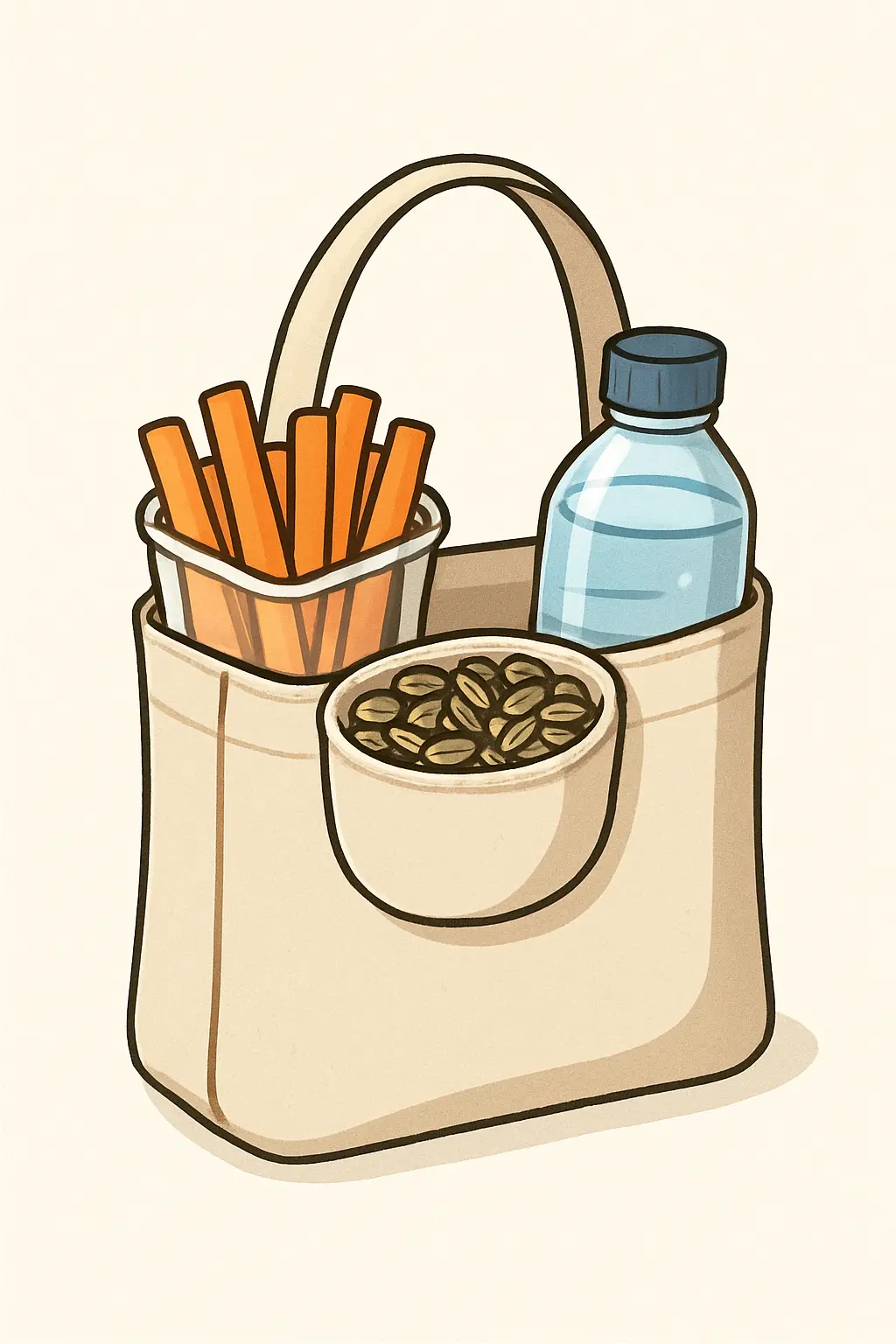
A short, boring, always-available list beats an elaborate meal plan you won’t follow under stress: a small water bottle, a bag of baby carrots or sugar-free gum, a handful of unsalted nuts, and — if you’re near a fridge — a small carton of milk. The point of a fixed, repeated list isn’t variety, it’s removing the decision entirely at the exact moment your willpower is lowest, which is also when you’re least likely to make a good improvised choice at a vending machine or drive-through.
Logging what you reach for and when, the way iQuit’s craving log does alongside trigger and intensity tracking, also shows you within a week or two whether hunger or nicotine craving is driving most of your urges, which changes what actually helps. If the same 4pm slot keeps showing up in your log, that’s a blood-sugar and routine problem more than a willpower one, and the fix is a scheduled snack, not more resolve. iQuit’s predictive craving forecasts are built on exactly this kind of pattern, learning your riskier hours over the first couple of weeks and nudging you a few minutes ahead of them.
Frequently Asked Questions
What foods reduce nicotine cravings the fastest?
Crunchy, low-calorie foods like carrot sticks and celery give the fastest relief for the hand-to-mouth and oral-fixation side of a craving, while a protein-and-complex-carb meal works over the following hour to prevent the blood-sugar dip that intensifies cravings.
Does milk really make cigarettes taste worse?
Many smokers say so. In a 2007 Duke University Medical Center questionnaire of 209 smokers, dairy products were one of the categories most commonly reported as worsening the taste of cigarettes, alongside fruit and vegetables (McClernon et al., Nicotine and Tobacco Research, 2007). It is self-reported rather than a controlled experiment, so treat it as a helpful extra layer, not a proven craving cure.
Why am I so hungry after quitting smoking?
Nicotine suppresses appetite and slightly raises metabolic rate, so removing it commonly increases genuine hunger, not just cravings. A deeper look at the mechanism and how long it lasts is covered in our guide to feeling hungry after quitting smoking.
Should I avoid coffee completely when quitting?
Not necessarily, but be aware coffee is commonly paired with smoking rituals and is often reported to make cigarettes taste better, which can make it a trigger. If coffee time reliably brings on a craving, try changing where or how you drink it rather than cutting it out entirely.
Can eating help with the weight-gain worry, not just cravings?
Yes — choosing low-calorie, high-volume foods like raw vegetables for the hand-to-mouth habit, rather than defaulting to sugary snacks, addresses cravings and the weight-gain concern at the same time. A full strategy for the weight side specifically is worth reading if it’s a major hesitation for you.
Is alcohol really linked to smoking relapse?
Yes. Multiple studies link alcohol consumption to a higher risk of smoking relapse, likely because alcohol and nicotine activate overlapping reward pathways in the brain and are frequently used together as a learned pairing.
Do magnesium and omega-3 supplements work as well as food sources?
Whole-food sources like nuts, seeds, and oily fish are the better starting point, since they come with additional fiber and nutrients that support steady blood sugar too. Supplements can be considered alongside food, but check with a doctor before adding any, especially if you’re also using NRT or medication.
Track Cravings, Not Just Willpower
iQuit’s craving log shows you the trigger, time, and intensity of every urge, so you can see whether hunger, habit, or nicotine is really driving it — free to start, alongside SOS breathing tools for the moments food alone can’t fix.