Clonidine for smoking cessation is a second-line, off-label option. It is a blood pressure medicine that has never been approved by a regulator for quitting smoking anywhere, it is prescription-only, and the trial evidence behind it is both small and decades old. It does appear to work. It is also the option a prescriber reaches for when the first-line treatments are ruled out, not the one anybody starts with.
What clonidine actually is
Clonidine is a centrally acting medicine that was developed to lower blood pressure. Its US prescribing information is unusually short on the point: clonidine hydrochloride tablets are indicated in the treatment of hypertension. That is the whole indication. Tobacco, nicotine and quitting do not appear.
It acts on the central nervous system, and as the Cochrane review puts it, that action may reduce withdrawal symptoms in various addictive behaviors, including tobacco use. That is the entire rationale for trying it: not that it does anything to nicotine receptors, but that it may damp down the physical arousal that withdrawal produces.
You will also see clonidine used for other things. The consumer drug information from the National Library of Medicine lists its use as part of a treatment program for ADHD symptoms in children aged six and over, and it lists smoking cessation only under other uses for this medicine, which is the standard way an off-label use is flagged. That placement is worth noticing, because it tells you exactly how the regulator and the reference works regard it.
This webinar from a professional nursing association walks through how stop-smoking medicines are chosen in practice, which is useful background before an appointment.
What the evidence shows on quitting
The single best summary is the Cochrane review Clonidine for smoking cessation. It included randomized trials of clonidine against placebo where abstinence was measured at least 12 weeks after treatment ended, which is a genuinely demanding endpoint rather than a snapshot taken while people are still on the drug.
Six trials met that bar: three of oral clonidine and three of the transdermal patch. Behavioral counseling was offered to everyone in five of the six. The pooled odds ratio for success with clonidine versus placebo was 1.89, with a 95% confidence interval from 1.30 to 2.74. The 2008 US clinical practice guideline, working from a smaller set of arms, describes the same effect more plainly: clonidine approximately doubles abstinence rates when compared to a placebo.
Three caveats belong right next to that number, and Cochrane raises all of them itself.
- Only one of the six trials was significant on its own. The pooled result does the work; no single study carries it.
- The reviewers flagged potential sources of bias in what they called a small number of trials.
- The evidence is old. Cochrane last searched for trials in May 2004 and the review has not been updated since. The 2008 guideline notes that the studies in its own analysis were all conducted prior to 1997.
Cochrane’s conclusion holds both halves together: clonidine is effective in promoting smoking cessation, and prominent side effects limit its usefulness for smoking cessation. Both sentences are the finding.
Why it sits in second place
The 2008 US Public Health Service guideline Treating Tobacco Use and Dependence is explicit about the status. Clonidine is used primarily as an antihypertensive medication and has not been approved by the FDA as a medication for treating tobacco use and dependence. Its recommendation is that clonidine is an effective smoking cessation treatment and may be used under a physician’s supervision as a second-line agent, at strength of evidence A.
The same chapter defines the patient it has in mind. Clonidine should be considered for people unable to use first-line medications because of contraindications, or for people who were unable to quit when using first-line medications. That is the doorway in, and it is a narrow one. Clonidine shares the second-line tier with nortriptyline, the other off-label option, and the two are usually discussed together for exactly this reason.
Off-label prescribing is legal, routine and not the same as unproven. It means no regulator has assessed the medicine for this use, so the whole judgment rests with the prescriber weighing the evidence against your individual risks. If you want the background on why the pull toward a cigarette is so stubborn in the first place, our explainer on how nicotine dependence forms covers the mechanism.
What published guidance describes for dosing
Nothing in this section is a dose for you to take. It describes what published guidance reports the trials used, so the numbers are familiar if a prescriber raises them.
The 2008 guideline states that the studies it reviewed varied the clonidine dose from 0.1 to 0.75 mg per day, and that the drug was delivered either transdermally or orally. That is a wide range, which is part of the point: there is no settled cessation regimen, because no regulator ever evaluated one.
What matters practically is the shape rather than the numbers. A prescriber decides the dose, the route, how long you stay on it, how it is monitored alongside your blood pressure, and critically how it is tapered at the end. That last decision is not optional, for reasons the next two sections set out.
Side effects, and why they matter here
Cochrane’s phrase was a high incidence of dose-dependent side effects, particularly dry mouth and sedation. The FDA prescribing information puts numbers on it.
| Effect | Reported rate |
|---|---|
| Dry mouth | About 40 per 100 patients |
| Drowsiness | About 33 per 100 |
| Dizziness | About 16 per 100 |
| Constipation | About 10 per 100 |
| Sedation | About 10 per 100 |
Sedation and drowsiness. Taken together, these are the reason clonidine is hard to use casually. The label cautions patients about engaging in activities such as driving a vehicle or operating appliances or machinery, and adds that the sedative effect may be increased by concomitant use of alcohol, barbiturates or other sedating drugs. If you drive for work or operate machinery, that is a conversation to have before the first dose, not after.
Dry mouth. At roughly four in ten patients it is the most common complaint, and it is more than an annoyance during a quit attempt, when many people are already using gum or lozenges and chasing the feeling of something in the mouth.
Low blood pressure and dizziness. Clonidine is an antihypertensive, so lowering blood pressure is what it does rather than a malfunction. Dizziness is reported in roughly one in six. The label describes orthostatic symptoms, the light-headedness on standing up, as mild and infrequent, but blood pressure is something a prescriber will want to monitor, particularly if you already take something else for it.
Contraindication. The label is direct: clonidine should not be used in patients with known hypersensitivity to clonidine. Every other decision, including interactions with the rest of your medicine list, belongs to the prescriber.
Why it must never be stopped abruptly
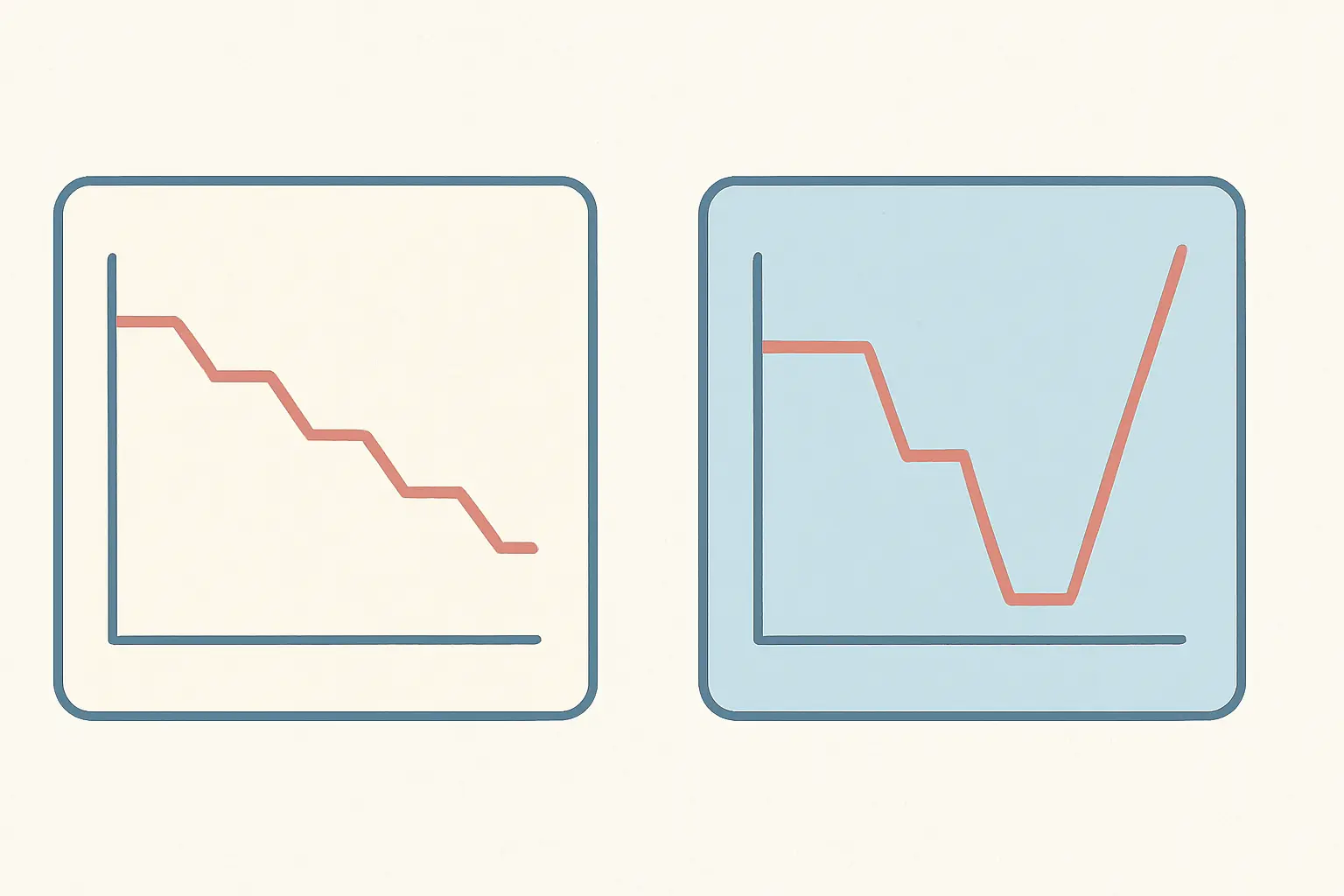
This is the single most important thing to know about clonidine, and it is the point where a casual approach becomes genuinely dangerous.
The FDA label states that sudden cessation of clonidine treatment has, in some cases, resulted in symptoms such as nervousness, agitation, headache and tremor, accompanied or followed by a rapid rise in blood pressure. The 2008 clinical practice guideline gives the same warning and adds elevated catecholamine levels to the picture.
The consumer version from the National Library of Medicine spells out what that feels like. Stopping clonidine suddenly can cause a rapid rise in blood pressure along with fast heartbeat, nervousness, anxiety, headache, nausea, flushing, light-headedness, chest tightness and uncontrollable shaking of part of the body.
Notice the trap. Several of those sensations, the nervousness, the agitation, the shakiness, look a great deal like nicotine withdrawal. Someone quitting smoking who also stops a blood pressure medicine abruptly could easily attribute a rebound to the quit attempt. That is why the taper is a prescriber’s job and why you ask at the start, before the first dose, how the medicine will be stopped.
Where clonidine fits next to the alternatives
Almost everyone should start somewhere else. The first-line treatments have vastly larger, more recent evidence bases and are easier to tolerate.
| Clonidine | First-line options | |
|---|---|---|
| Licensed for quitting? | No, nowhere | Yes, in many countries |
| Guideline tier | Second-line, physician supervision | First-line |
| Evidence base | 6 trials, none newer than 2004 | Far larger and current |
| Main concern | Sedation, dry mouth, rebound on stopping | Varies by medicine |
| Available without prescription? | No | Nicotine replacement often is |
In practice that means working through the usual order first. Our comparison of nicotine replacement options covers patch, gum, lozenge and spray, and combination nicotine replacement is usually the cheapest and safest thing to try. On the prescription side, our bupropion guide, the varenicline versus bupropion comparison and the wider quit pill comparison including cytisine lay out what is actually on the table before anything second-line comes up.
How to raise it with your prescriber
You are not arguing a case. You are bringing information that makes the decision easier for both of you. Clonidine is prescription-only, so this conversation is the entire route in.
- Say what you have already tried: which medicine, what dose, for how long, and why it stopped. Side effects, cost, no effect, or never getting started are all different problems.
- Bring dates. A record of attempts, relapses and triggers beats a summary from memory.
- List every medicine and supplement you take, including anything from another prescriber, and say plainly whether you already take anything for blood pressure.
- Mention any history of low blood pressure, fainting, heart rhythm problems or depression without waiting to be asked.
- Be honest about alcohol and about any sedating medicines, because the label flags both.
- Say whether you drive for work or operate machinery.
- Ask three questions: what are we watching for, how long would I stay on it, and exactly how do we stop it.
If an earlier attempt on another medicine failed, that is data rather than a verdict. Our guide to quitting again after a relapse covers how to fold what you learned into the next attempt, and if attention or focus is part of why plans slip, our piece on nicotine and ADHD is worth reading alongside it.
Frequently asked questions
Is clonidine approved for quitting smoking?
No. The US prescribing information gives one indication, the treatment of hypertension, and the 2008 US clinical practice guideline states that clonidine is used primarily as an antihypertensive medication and has not been approved by the FDA as a medication for treating tobacco use and dependence. Any use for quitting is off-label and prescriber-only (FDA label via DailyMed; Treating Tobacco Use and Dependence, 2008 update).
How well does clonidine work for quitting?
The Cochrane review pooled six randomized trials and found an odds ratio for success of 1.89, with a 95% confidence interval of 1.30 to 2.74. The 2008 US guideline describes the effect as approximately doubling abstinence rates compared with placebo. Only one of the six individual trials showed a statistically significant effect on its own (Cochrane Database of Systematic Reviews, 2004).
Why is clonidine only a second-line option?
Two reasons. No regulator has approved it for tobacco dependence, so its use for quitting is off-label. And the side effects are prominent: Cochrane recorded a high incidence of dose-dependent side effects, particularly dry mouth and sedation, and concluded that these limit its usefulness for smoking cessation (Cochrane, 2004; Treating Tobacco Use and Dependence, 2008 update).
What are the main side effects of clonidine?
The FDA label reports dry mouth in about 40 per 100 patients, drowsiness in about 33 per 100, dizziness in about 16 per 100, and constipation and sedation each in about 10 per 100. It also cautions patients about driving or operating machinery, and notes the sedative effect may be increased by alcohol, barbiturates or other sedating drugs (FDA label via DailyMed).
Can you stop clonidine suddenly?
No, and this is the most important safety point. The FDA label states that sudden cessation of clonidine treatment has in some cases resulted in nervousness, agitation, headache and tremor, accompanied or followed by a rapid rise in blood pressure. Any stop or dose change must be planned and supervised by the prescriber who started it (FDA label via DailyMed; MedlinePlus).
What dose of clonidine is used for quitting smoking?
There is no standard cessation dose to quote at you. The 2008 US clinical practice guideline reports that the studies it reviewed varied the clonidine dose from 0.1 to 0.75 mg per day, delivered either transdermally or orally. That is a description of what was studied, not a dose for you to take. A prescriber decides the dose, the route, the duration and the taper (Treating Tobacco Use and Dependence, 2008 update).
Should I ask for clonidine instead of varenicline or a patch?
Not as a first move. The 2008 guideline positions clonidine for people unable to use first-line medications because of contraindications, or who were unable to quit using them. First-line options have far larger and more recent evidence bases and better tolerability, so they are the sensible starting point for almost everyone (Treating Tobacco Use and Dependence, 2008 update).
How old is the evidence for clonidine?
Old. The Cochrane review last searched for trials in May 2004 and has not been updated since, and the 2008 US guideline notes that the studies in its own analysis were all conducted prior to 1997. Cochrane also warned that the small number of trials carried potential sources of bias, so the estimate should be read with caution (Cochrane, 2004).
Bring real data to the appointment
iQuit is free on Google Play and the App Store. Log every craving with its trigger and intensity, keep a daily mood journal, and watch your smoke-free days, cigarettes avoided and money saved add up in one dashboard, so your next medication review is based on what actually happened rather than what you can remember.
Download iQuit Free on Google Play Download on the App Store
This article is general information, not medical advice. Clonidine is a prescription-only medicine and is not licensed for smoking cessation. Never start, change or stop it without the prescriber who manages it. Further reading: MedlinePlus on clonidine.