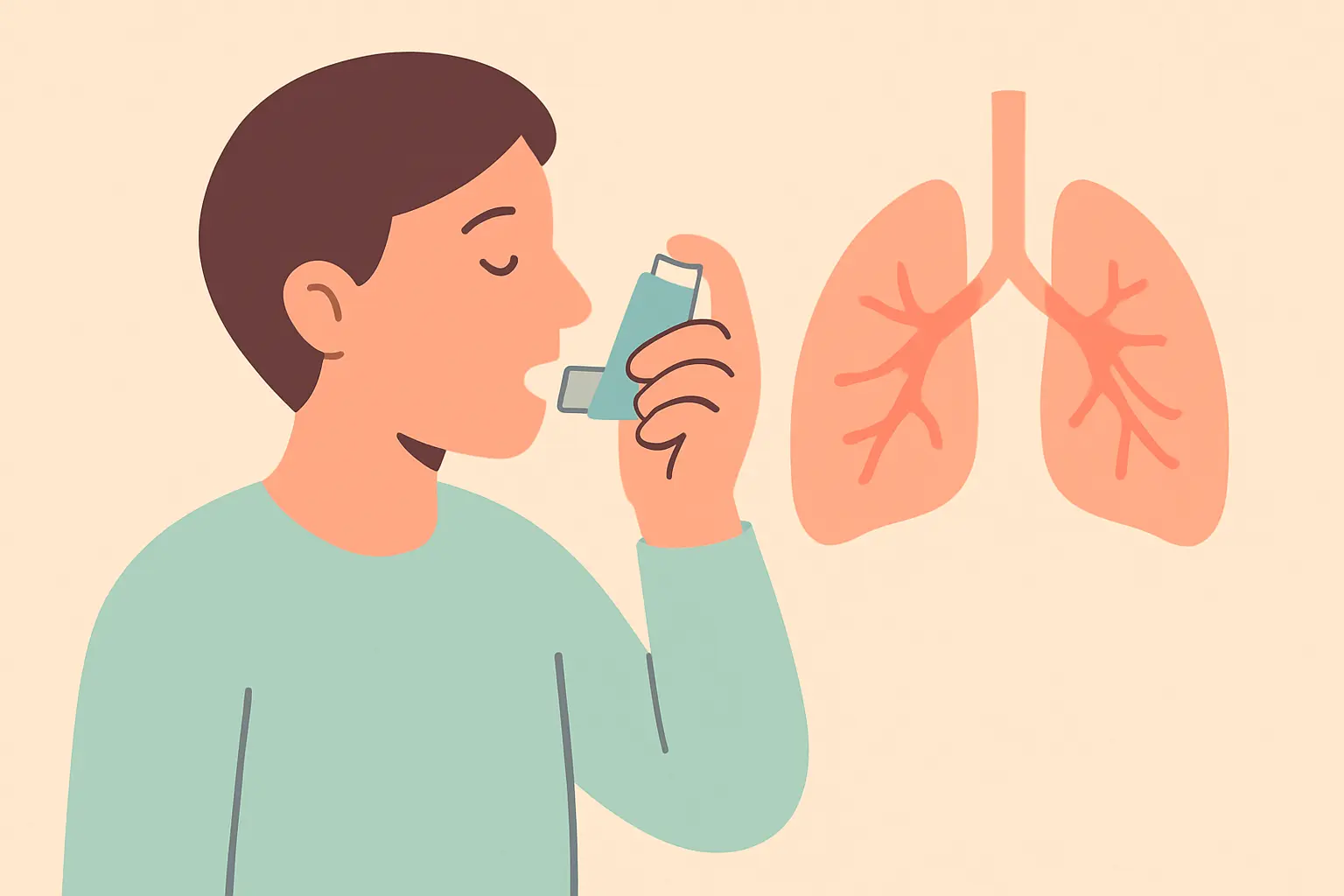
COPD — chronic obstructive pulmonary disease — is one of the world’s biggest killers, and unlike many leading causes of death, most of it is preventable. If you searched for COPD statistics 2026, here is the sourced picture: how many people have it, how many die from it, and how much of the burden traces back to cigarette smoke.
Key figures at a glance
| Measure | Figure | Data year / region |
|---|---|---|
| Global deaths | 3.4 million | 2023, WHO |
| Global death ranking | 3rd leading cause of death worldwide | 2023, WHO |
| US adults with COPD | ~16 million diagnosed | CDC |
| UK adults with COPD | 1.4 million diagnosed | Nov 2022, Asthma + Lung UK |
| UK deaths | ~30,000/year | Asthma + Lung UK |
| Smoking’s share (high-income countries) | >70% of cases | WHO |
Global prevalence and deaths
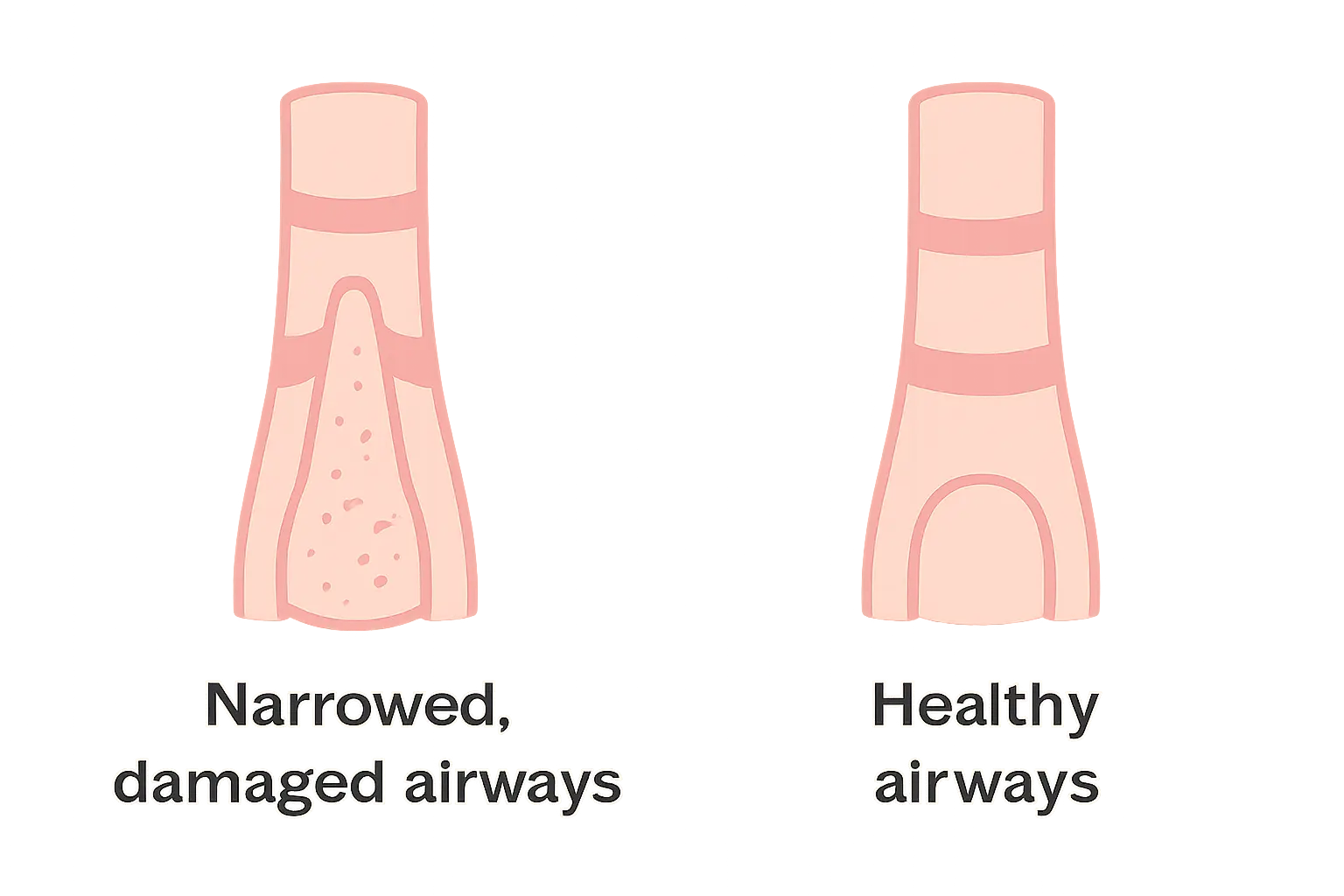
COPD is not one disease but a group of progressive lung conditions, principally chronic bronchitis and emphysema, that narrow the airways and permanently damage lung tissue, making it harder to breathe out. Common symptoms include frequent coughing or wheezing, shortness of breath during everyday activities, trouble taking deep breaths, and excess mucus — symptoms that build gradually over years, which is part of why so many cases go unrecognized until the disease is already advanced.
The World Health Organization ranks COPD as the third leading cause of death worldwide, responsible for an estimated 3.4 million deaths in 2023 — about 6% of all deaths globally that year, part of the wider toll covered in our guide to how many people die from smoking each year. The burden falls unevenly: nearly 90% of COPD deaths among people under 70 occur in low- and middle-income countries, where exposure to household air pollution from solid fuels compounds the effect of smoking. WHO also ranks COPD as the seventh leading cause of poor health worldwide when measured in disability-adjusted life years, meaning it does not just kill — it disables people, often for years, before death.
US and UK prevalence
In the United States, the CDC estimates that nearly 16 million American adults have been diagnosed with COPD, and cautions that “many more do not know they have it.” COPD sits among the top 10 causes of death in the US. National surveillance data show that age-adjusted COPD prevalence stayed essentially flat from 2011 to 2020, and that prevalence has consistently been higher among women than men across those years. On mortality, age-standardized COPD death rates fell overall (and specifically among men) between 1999 and 2019, narrowing what had been a wider gap between male and female death rates in 1999.
In the UK, Asthma + Lung UK’s most recent national survey (published November 2022) puts the number of people with a formal COPD diagnosis at 1.4 million — about 2% of the whole population, rising to 4.5% of everyone over 40. Roughly 30,000 people in the UK die from COPD every year. That makes COPD the second most common lung disease in the UK after asthma.
The CDC also flags who carries the highest risk beyond smoking history alone: current or former smokers, people with a history of asthma, women, adults 65 and older, some racial and ethnic groups including American Indian and Alaska Native populations, and people with less formal education or unstable employment. Several of these patterns likely reflect unequal past exposure to smoking and workplace or environmental hazards rather than direct biological risk from the demographic factor itself.
What share is caused by smoking
Tobacco is, by a wide margin, the leading modifiable cause. COPD is not a cancer, but it sits alongside cancer as one of smoking’s two biggest disease burdens — see our guide to what cancers does smoking cause for the other half of that picture. WHO states that tobacco smoking accounts for more than 70% of COPD cases in high-income countries, and for 30–40% of cases in low- and middle-income countries, where indoor air pollution from cooking and heating fuels plays a larger relative role. The CDC is blunter about the US specifically: “Tobacco smoke is the main cause of COPD in the United States.” Anyone who currently smokes or used to smoke carries a higher risk, and secondhand smoke, workplace dust and fume exposure, and a family history of COPD add further risk on top of that.
That 70%-plus figure for high-income countries also explains why COPD trends track smoking trends with a lag of decades. Someone diagnosed with COPD today is often experiencing the accumulated effect of cigarettes smoked in the 1980s, 1990s, or 2000s, not necessarily a habit they still have. That lag is also the reason public-health officials expect COPD prevalence to keep falling only slowly even where smoking rates have already dropped sharply — the lung damage from decades ago does not disappear just because smoking rates have fallen since.
Undiagnosed COPD: the missing millions
Official prevalence counts likely understate the true scale, because COPD is diagnosed with a breathing test (spirometry) that many people never take until symptoms are already advanced. The CDC flags that “many more” US adults have undetected COPD beyond the 16 million already diagnosed. In the UK, Asthma + Lung UK cites NICE estimates (originally published in 2011 and updated in 2016) suggesting as many as 2 million people in the UK could have undiagnosed, and therefore untreated, COPD — alongside the 1.4 million already diagnosed. Independent estimates it references put the undiagnosed share at somewhere between about half and two-thirds of all COPD cases. That gap matters because COPD is progressive: the earlier it is caught, the more lung function can be preserved by quitting smoking and starting treatment.
Mayo Clinic Health System explains what COPD is, its main causes, and how it’s diagnosed.
Cost to health systems
Beyond the human toll, COPD is one of the costliest chronic diseases to manage, largely because of hospital admissions for flare-ups (exacerbations) that can each require days of inpatient care, oxygen, and follow-up rehabilitation. WHO’s ranking of COPD among the top causes of both death and disability worldwide reflects exactly this pattern: a disease that is expensive to treat well and even more expensive to leave undiagnosed, because untreated flare-ups tend to escalate into emergency care. No single verified global cost figure captures every health system, so this article does not cite one — treat any specific “COPD costs $X billion” claim you see elsewhere with caution unless it names its source and year. The general pattern behind that cost is intuitive even without a headline number: people whose COPD reaches the stage of frequent flare-ups tend to need repeat hospital stays, and repeat hospital stays are what drive most chronic-disease spending upward. That is a practical argument for catching and treating COPD earlier, before flare-ups become frequent, rather than a claim about any specific dollar amount. For the US-weighted numbers that are documented, see our smoking-related healthcare costs guide.
What quitting changes to lung-function decline
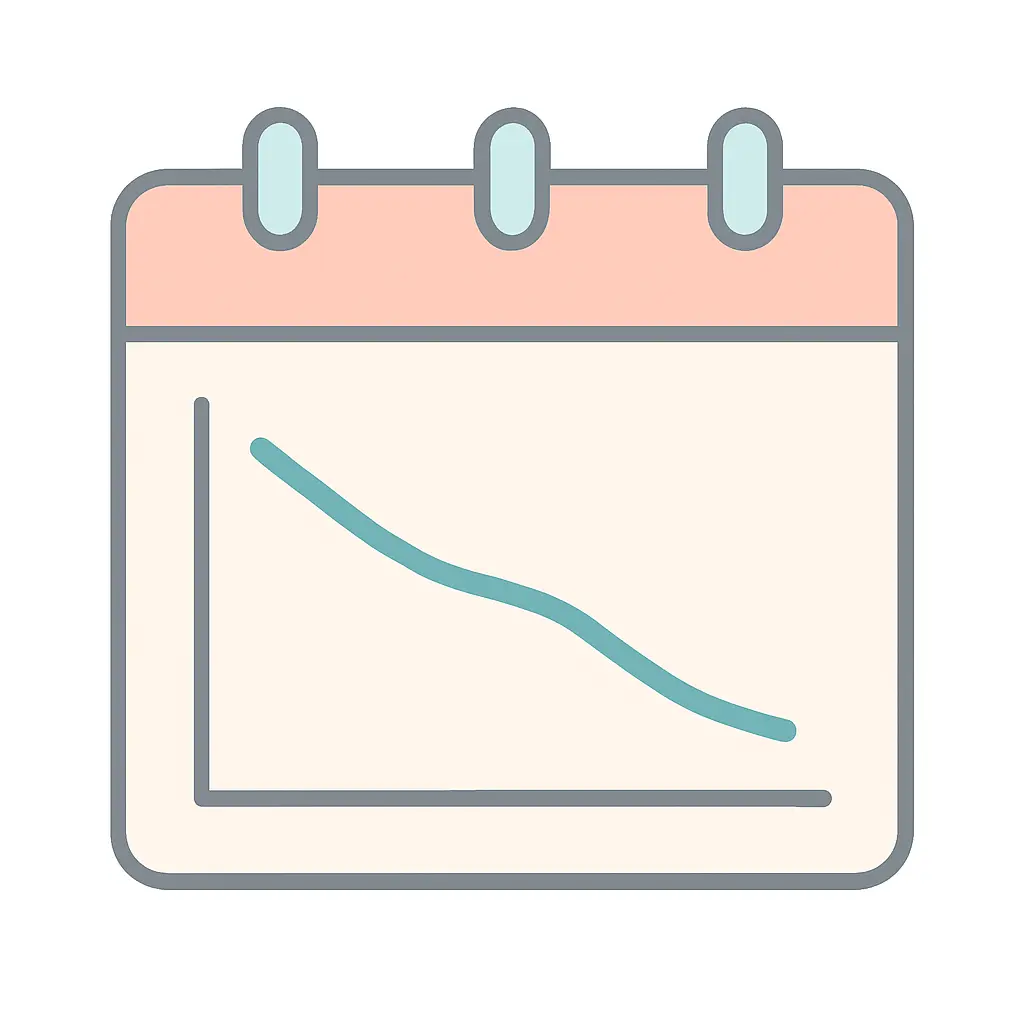
COPD damage to the airways and lung tissue is permanent — the WHO is explicit that COPD “is not curable.” What changes with quitting is the trajectory going forward: continuing to smoke keeps damaging lung tissue and accelerates the ongoing loss of lung function, while quitting removes that additional insult and allows treatment (medicines, vaccines, pulmonary rehabilitation, avoiding air pollution) to work on a lung that is no longer being actively damaged by smoke. In other words, quitting does not reverse existing COPD, but it is the single change most likely to slow how fast it gets worse from here.
The WHO’s own advice for reducing COPD risk in the first place is short and specific: stop smoking, avoid inhaling secondhand smoke, and limit time in places with poor air quality. For someone who already has a COPD diagnosis, those same three actions are also the foundation of every treatment plan — they just work alongside medicines, oxygen therapy, and pulmonary rehabilitation rather than replacing them.
For the fuller picture of what happens to your lungs, symptoms, and daily function after quitting if you already have COPD, see our companion guide on COPD and smoking cessation. Quitting-driven improvements here echo the broader trends in our smoking cessation statistics 2026 roundup, and for lung cancer specifically — a disease that shares smoking as its dominant cause — see our lung cancer statistics guide.
Methodology
Global figures come from the World Health Organization’s COPD fact sheet, using 2023 mortality data, the most recent complete year available at time of writing. US figures combine the CDC’s current “About COPD” prevalence statement with its National Trends surveillance data (prevalence 2011–2020, mortality 1999–2019 — the latest published surveillance windows for those specific measures). UK figures come from Asthma + Lung UK’s November 2022 national survey report, which itself draws on GP-recorded diagnoses and NICE prevalence modeling. Because COPD surveillance updates run years behind, no source publishes a true “2026” prevalence or mortality count; every figure above is labeled with its real data year.
This lag is worth sitting with for a moment: a disease killing 3.4 million people a year worldwide is still measured with data that is two, three, or more years old by the time it is published, because building a reliable national or global count means waiting for death certificates, hospital records, and survey responses to be collected and checked. That is normal for chronic-disease surveillance, not a flaw specific to COPD, but it is exactly why this article avoids the temptation to relabel an older figure as a “2026” number.
Frequently Asked Questions
How many people worldwide have COPD?
The WHO’s fact sheet does not publish a single global prevalence count, but it reports that COPD caused 3.4 million deaths worldwide in 2023, making it the third leading cause of death globally (who.int).
How many Americans have COPD?
The CDC estimates nearly 16 million US adults have been diagnosed with COPD, with many more cases believed to be undiagnosed (cdc.gov).
How many people in the UK have COPD?
Asthma + Lung UK’s November 2022 survey report puts diagnosed COPD at 1.4 million people in the UK, with NICE estimates suggesting as many as 2 million more may be undiagnosed (asthmaandlung.org.uk).
What percentage of COPD is caused by smoking?
The WHO states that tobacco smoking accounts for more than 70% of COPD cases in high-income countries and 30-40% in low- and middle-income countries, where household air pollution plays a larger role (who.int). The CDC calls tobacco smoke “the main cause of COPD in the United States.”
Can COPD be cured?
No. The WHO states COPD is not curable, though symptoms can improve with smoking cessation, avoiding air pollution, vaccination, medicines, oxygen, and pulmonary rehabilitation (who.int).
Does quitting smoking reverse COPD?
No, existing damage is not reversed, but quitting removes the ongoing source of lung injury and is considered the most effective way to slow further decline in lung function (who.int).
Why do so many people have undiagnosed COPD?
COPD requires a spirometry breathing test to diagnose, and early symptoms like mild breathlessness are often dismissed or attributed to aging or fitness. The CDC and Asthma + Lung UK both note that undiagnosed cases likely outnumber or rival diagnosed ones (cdc.gov, asthmaandlung.org.uk).
Is COPD prevalence rising or falling?
In the US, age-adjusted prevalence stayed essentially unchanged from 2011 to 2020, while the age-standardized death rate declined from 1999 to 2019, especially among men (cdc.gov).
Quitting won’t undo COPD, but it’s the biggest lever you have left
iQuit tracks your smoke-free days, cigarettes avoided, and craving patterns, and shows disease-risk insights across 11 conditions as information, not diagnosis — built to support the quit that protects the lung function you still have. Free on Google Play and the App Store.
Download iQuit Free on Google Play
Download on the App Store