
Decided that a slow step-down isn’t for you and you’d rather just stop? How to quit Zyn cold turkey is a genuinely different plan from tapering, with its own structure for the first week rather than a schedule of shrinking doses. If you have made the decision to stop outright, what you need is not a debate about which method is “better” — it’s an hour-by-hour map of the week you’re about to go through, built around the specific way pouches occupy both a chemical and a physical habit slot that other nicotine products don’t.
Cold turkey vs taper for pouches
These are opposite decisions, and this guide deliberately covers the abrupt route. If you would rather step down strength gradually instead, our Zyn taper plan covers that path in full — read that one instead if a gradual reduction fits your situation better, and treat this guide and that one as alternatives, not steps in the same sequence.
Cold turkey suits people who find an open-ended taper easy to postpone indefinitely, or who have tried tapering before and found the slow reduction actually extended their dependence rather than shortening it. It does not suit everyone, and there is no evidence that either approach is universally superior — the honest answer is that the method you can actually stick to is the right one for you.
Day 0: what to do with the cans you own
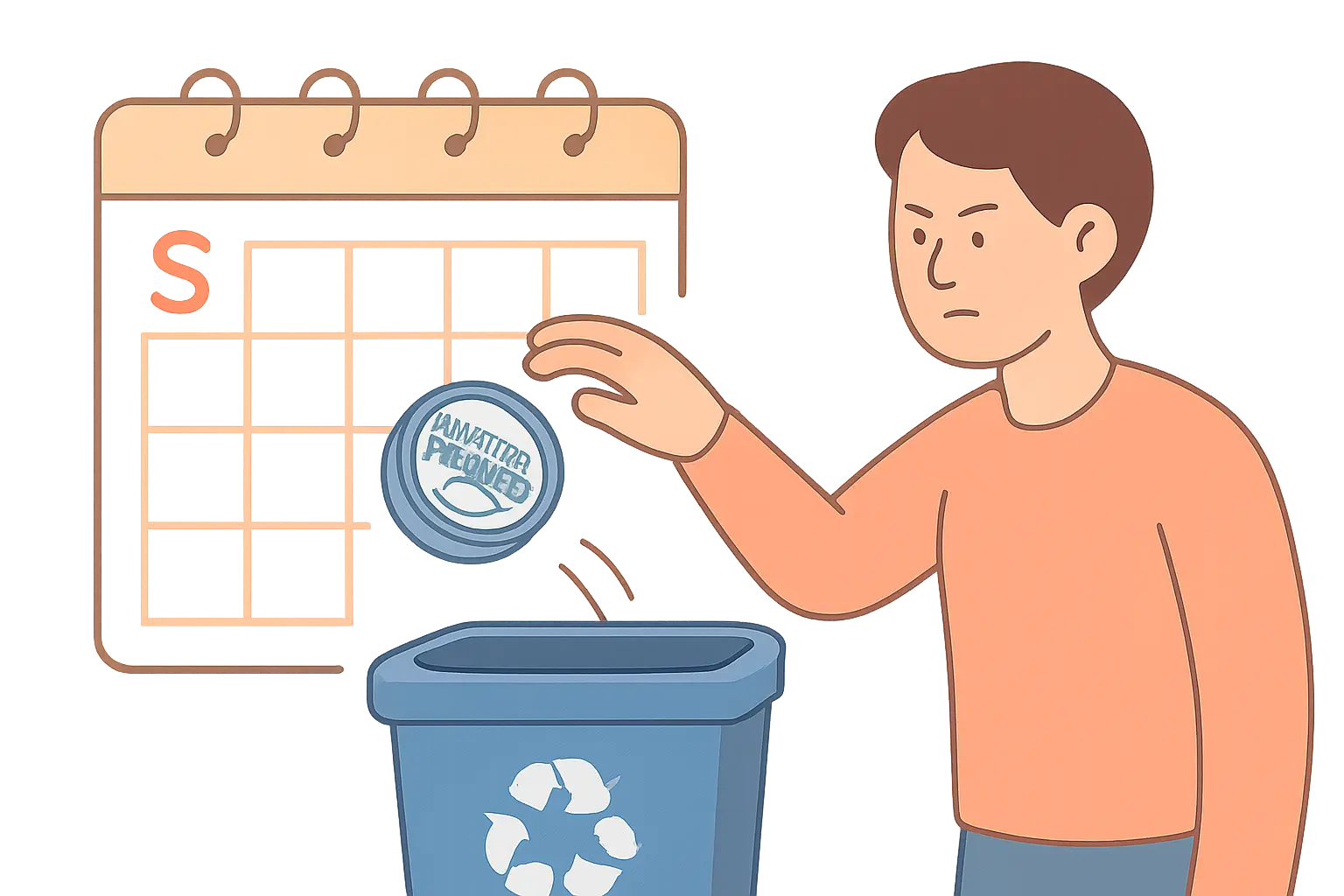
Before your quit day arrives, decide what happens to every can currently in the house, your car, your bag and your desk drawer. Throwing them out the night before, rather than “finishing what you have first,” removes the single easiest relapse route in the first 48 hours: reaching for a half-used can out of habit before you’ve had a chance to engage your plan.
If giving away or discarding a full can feels wasteful, remember that the cost of one more week of dependence is higher than the cost of the pouches themselves. Treat the tins the same way you would treat cigarettes on a genuine quit day: gone, not “saved for emergencies.”
Hours 0–24
The first day is mostly about noticing how often you reach for your lip or cheek out of pure habit, separate from any actual craving. Expect restlessness, irritability and a strong pull at your usual trigger moments — the same pattern Mayo Clinic describes as part of why quitting any nicotine product is genuinely difficult, not a matter of willpower alone.
Mayo Clinic’s explanation applies just as much to pouches as to cigarettes: nicotine dependence is a genuine physiological process, not a character flaw, and the first day is where that process is most active.
- Log every reach-for-a-pouch moment, even the ones you catch yourself before actually taking one — this builds the trigger map you’ll need for days 4–7.
- Have a specific plan for your top two trigger moments (usually driving and the first hour after waking) rather than a vague intention to “just not.”
Days 2–3: the peak
For most people quitting a nicotine product cold turkey, the second and third days are where symptoms are typically hardest — sleep can be disrupted, concentration dips, and the pull to just put one pouch in “to get through the afternoon” is at its strongest. This is also, not coincidentally, the point where a lot of quit attempts quietly end, because it can feel like the discomfort should already be easing when it is not yet.
Our detailed breakdown of the stages of nicotine withdrawal goes through the sourced timeline in full if you want the complete picture beyond this week-specific guide. Knowing that days 2 and 3 are commonly the hardest stretch, rather than being surprised by it, is itself a useful piece of preparation.

Days 4–7
By the second half of the week, most people notice symptoms starting to loosen their grip, even if they haven’t disappeared. What tends to remain by this point is less the chemical pull and more the oral habit itself — the specific physical motion of reaching for something to put in your cheek.
This is the stage where people who “successfully survived days 2–3” sometimes relapse anyway, precisely because the habit component gets underestimated once the sharpest chemical withdrawal has eased. Treating this stretch as a distinct phase with its own plan, rather than assuming the hard part is entirely over, matters.
The oral habit: what to put in its place
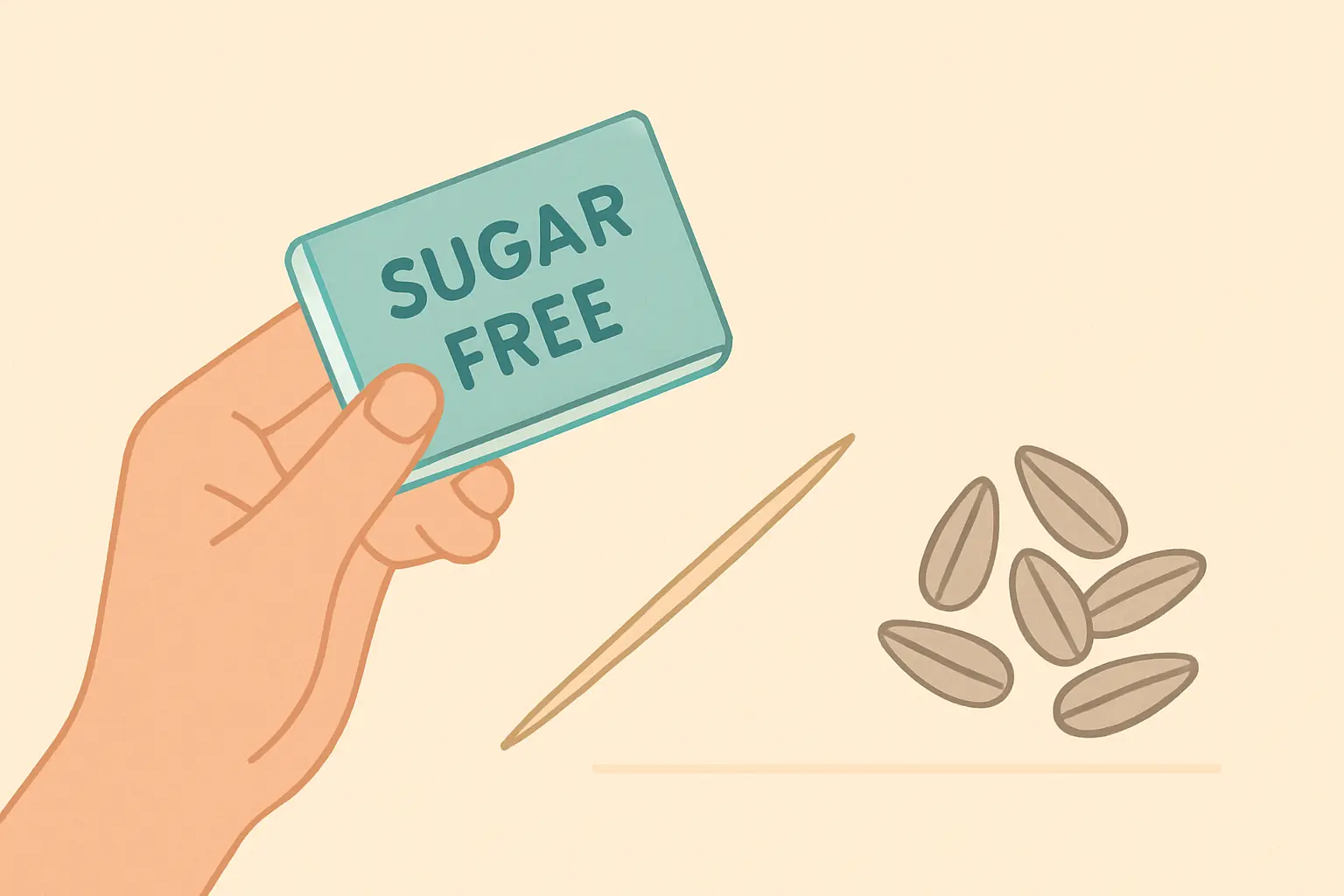
Pouches occupy a specific physical space — between the lip and gum — that cigarettes and vapes don’t replicate, so the substitute needs to be genuinely comparable, not just “something to do with your hands” in the abstract. Sugar-free gum, toothpicks, sunflower seeds, or a cinnamon stick are commonly used stand-ins that occupy a similar space and give the mouth something to do during the specific moments a pouch used to fill.
Match the substitute to the trigger, not just to the general craving — a work-stress trigger might need a different response (a short walk, a breathing exercise) than a driving trigger (gum kept specifically in the car, nowhere else). Keeping the substitute physically stocked in the exact location the trigger occurs (the car, the desk drawer, the kitchen) removes the extra decision point of having to go find it mid-craving.
Gum sensitivity and mouth recovery
Some people notice increased sensitivity or mild soreness where pouches used to sit for the first week or two after stopping — the tissue that has been in regular contact with a pouch is adjusting to no longer having that contact. This is generally minor and temporary, but it is worth expecting rather than being alarmed by. If soreness, bleeding, or any lesion persists beyond a couple of weeks or seems to be getting worse rather than better, that is a reason to see a dentist or doctor rather than assume it will resolve on its own. The NHS’s quit-smoking hub and your GP remain the right first stop for any symptom during a quit attempt that worries you, regardless of which nicotine product you were using.
If you slip on day 3
Day 3 is exactly where a slip is statistically most likely, precisely because it’s often the hardest point of the week. If it happens, the useful response is the same as with any nicotine product: note what specifically triggered it, don’t treat one pouch as erasing your whole week, and restart your count from the next pouch-free moment rather than waiting for a new symbolic “day one.” Our guide to the first 72 hours of quitting cold turkey covers the same slip-recovery logic in more depth if cigarettes are also part of your history.
If you find cold turkey consistently leads to slips on day 3, that is useful information about your own dependence pattern, not a personal failing — it may mean the gradual taper route genuinely suits you better, and switching approaches after a real attempt is a reasonable adjustment, not giving up.
If your pattern started with dip or chew rather than pouches, the same hour-by-hour cold-turkey structure applies with a few product-specific differences — our guide to quitting chewing tobacco and dip covers those. And once you’re past the first week, comparing brand strengths with our Zyn vs Velo vs on! comparison or tracking your progress with a dedicated pouch-quitting app can help you understand what you actually stopped.
Frequently Asked Questions
Is it better to quit Zyn cold turkey or taper down?
Neither is universally better — the method you can actually stick to is the right one. Cold turkey suits people who find an open-ended taper easy to postpone; tapering suits people who prefer a gradual step-down. Our Zyn taper plan covers the alternative route in full if you’re deciding between the two.
What should I do with leftover Zyn cans before I quit?
Get rid of every can in the house, car and bag before your quit day, rather than planning to finish them first. Having a can within easy reach is one of the most common reasons a cold-turkey attempt fails in the first 48 hours.
When is nicotine pouch withdrawal usually hardest?
For most people, days 2 and 3 tend to be the hardest, with symptoms typically easing through days 4 to 7. Our stages-of-withdrawal guide covers the full sourced timeline if you want more detail than this week-specific breakdown.
What can I use to replace the physical habit of a pouch?
Sugar-free gum, toothpicks, sunflower seeds or a cinnamon stick are commonly used substitutes that occupy a similar space in the mouth. Matching the substitute to the specific trigger — driving, stress, a particular time of day — works better than a single generic replacement for every moment.
Is mouth soreness after quitting pouches normal?
Mild sensitivity where a pouch used to sit is common in the first week or two as the tissue adjusts. If soreness, bleeding or any lesion persists beyond a couple of weeks or worsens, see a dentist or doctor rather than waiting for it to resolve on its own.
What if I slip and use a pouch on day 3?
Treat it as information about your day-3 trigger rather than a failed attempt. Note what caused it, and pick your plan back up from the next pouch-free moment rather than waiting for a new symbolic start date. A single slip is a much smaller setback than abandoning the attempt.
Does quitting Zyn cold turkey work the same as quitting cigarettes cold turkey?
The underlying nicotine withdrawal process is similar, but pouches have their own specific habit component — the physical placement between lip and gum — that cigarettes and vapes don’t replicate, which is why a pouch-specific substitute for the oral habit matters more here than in a typical cigarette quit.
If cold turkey keeps failing on day 3, what should I try instead?
Repeated day-3 slips are useful information about your dependence pattern, not a personal failing. A gradual taper, which steps down strength before stopping, may genuinely suit your situation better — switching approaches after a real attempt is a reasonable adjustment.
Get through the first week with real support
iQuit’s SOS tools, craving log and streak shields are built for exactly the day-3 wall this guide describes — log every craving by trigger so you can see your own pattern instead of guessing. Free on Google Play and the App Store.
Download iQuit Free on Google Play
Download on the App Store


