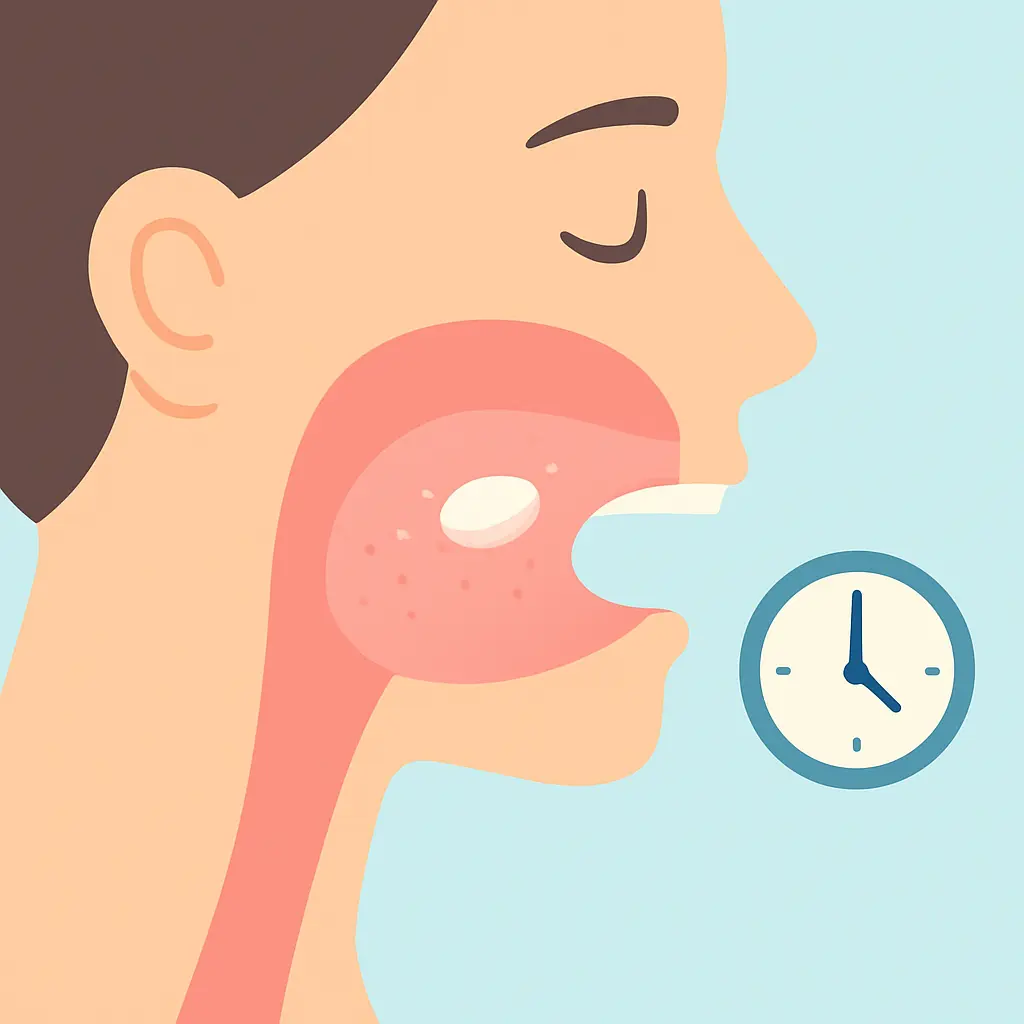
Bought a pack of nicotine lozenges and found they “don’t really do much”? How to use nicotine lozenges correctly is almost always the missing piece, not the product itself. Lozenges are the NRT format most commonly used wrong, because the instinct is to treat them like a mint or a piece of hard candy — chew it, suck it fast, done. The label works completely differently, and getting the technique right is usually the difference between a lozenge that manages cravings and one that just gives you a stomach ache.
The 30-second version
Place the lozenge in your mouth and let it dissolve on its own — do not chew it or suck it hard the way you would a regular sweet. Move it from one side of your mouth to the other occasionally as it dissolves, which usually takes 20 to 30 minutes. Choose 4 mg if you smoke your first cigarette within 30 minutes of waking, or 2 mg if it is later than that. Skip food and drinks for 15 minutes beforehand and while it is in your mouth.
If you have used nicotine patches correctly before, the mindset is similar: the product is doing a specific, timed job, and rushing it or misusing it undermines the dose you are meant to get.
Park it, do not chew or suck
The FDA-approved OTC label for nicotine lozenges is explicit: place the lozenge in your mouth and allow it to slowly dissolve, minimizing swallowing, and never chew or swallow it whole. You should feel a warm or tingling sensation as it works, and the instruction is to occasionally move it from one side of your mouth to the other until it has completely dissolved.
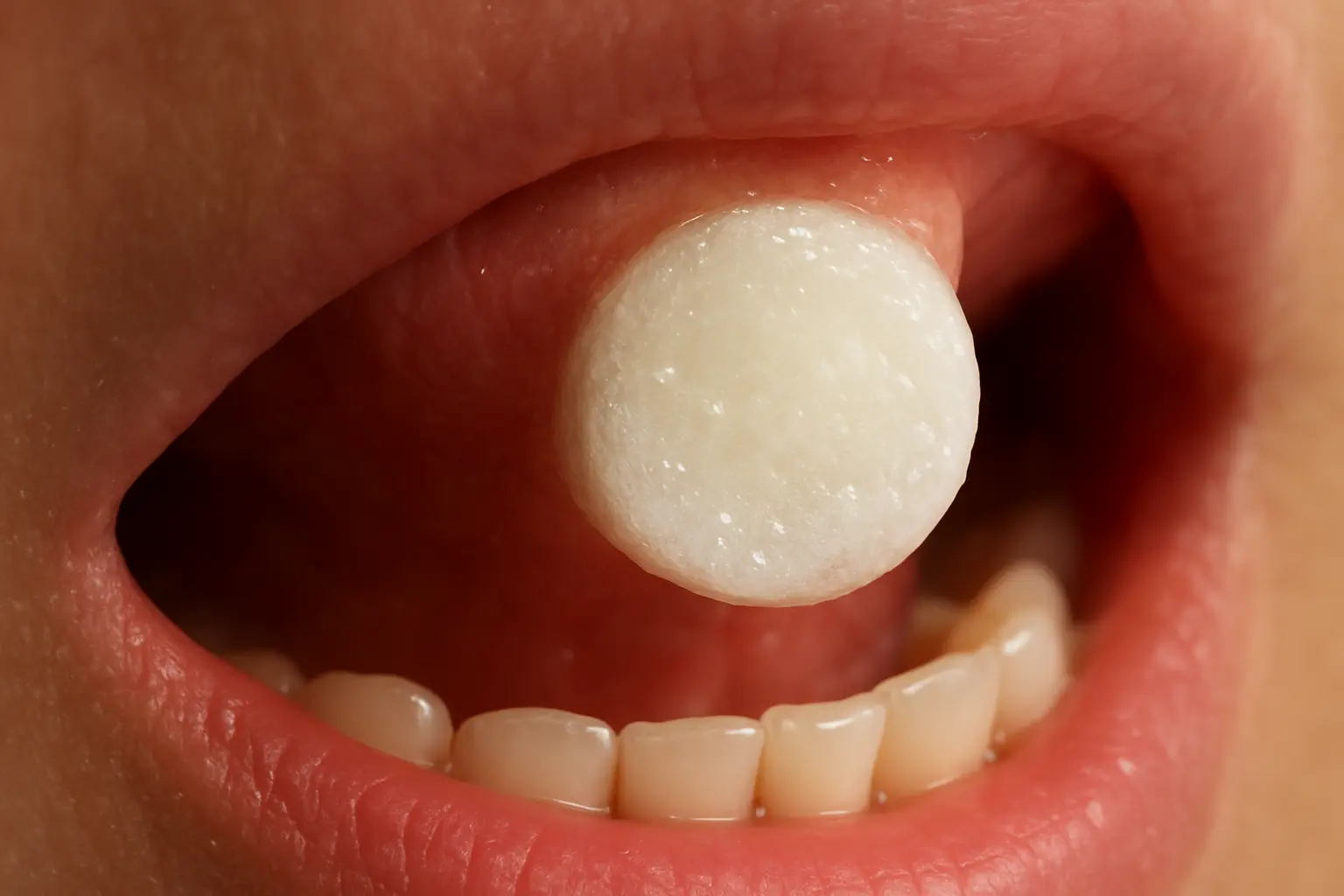
Chewing or sucking it quickly releases the nicotine faster than intended and increases how much you swallow, which is the direct cause of most of the side effects people blame on “the lozenge not agreeing with them.”
This short explainer from a US state tobacco quitline walks through patches, gum and lozenges side by side if you are still deciding which format suits you.
How long one lozenge should last
Expect a single lozenge to take about 20 to 30 minutes to fully dissolve when used correctly. If yours is disappearing in five minutes, you are almost certainly chewing or sucking too hard — slow down and let it sit rather than actively working it with your tongue and teeth constantly.
Timing one lozenge against a clock the first few times is a genuinely useful habit while you calibrate your technique, since “about 20–30 minutes” is easy to misjudge by feel alone in the first week. Most people find the dissolve time settles into a natural rhythm once they stop actively working the lozenge with their tongue and just let it sit against the inside of the cheek.
How many a day and spacing
The label sets a minimum as well as a maximum: use at least 9 lozenges a day for the first 6 weeks to give the treatment a genuine chance of working, but never more than 5 lozenges in any 6-hour window and never more than 20 in a day. Using one immediately after another, rather than spacing them out, is specifically called out on the label as a cause of hiccups, heartburn and nausea.
- Under-using is as much of a problem as overusing. Fewer than 9 a day in the first 6 weeks generally means under-treated cravings and a higher chance of reaching for a cigarette instead.
- Space them out deliberately rather than clustering several close together when a craving spikes — that clustering is exactly what causes the stomach-related side effects.
Food and drink before use
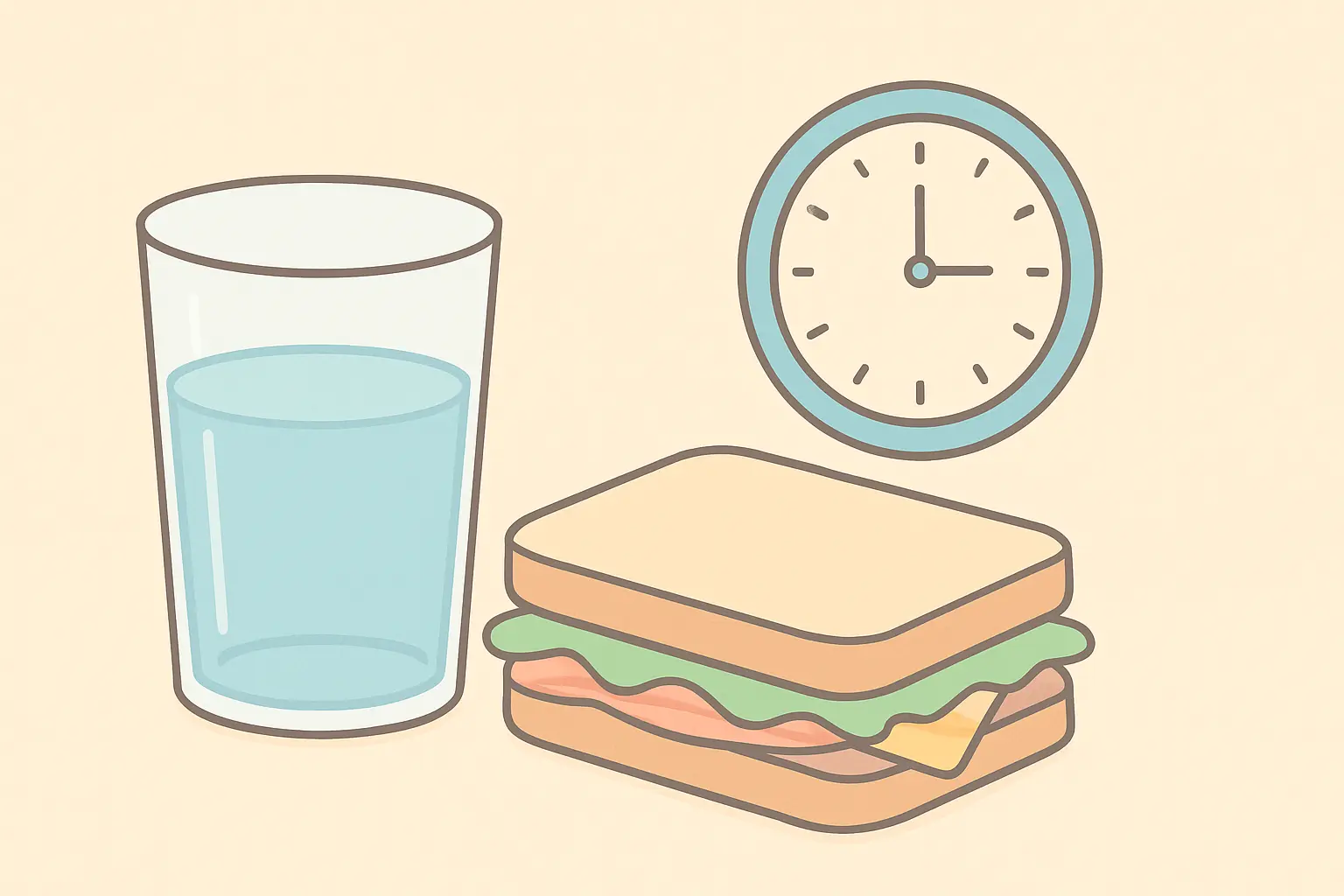
Do not eat or drink for 15 minutes before using a lozenge, or while it is in your mouth. This is the same acidic-drinks and food rule that applies to nicotine gum: coffee, soda, and juice change the pH in your mouth in a way that reduces how much nicotine actually gets absorbed through the lining of your cheek. Skipping this rule is one of the quieter reasons a lozenge can feel like “it’s not doing anything,” even when the technique otherwise looks right.
Side effects that mean you’re doing it wrong
Hiccups, heartburn, a sore mouth, or nausea after a lozenge almost always trace back to one of three things: chewing or sucking it too fast, using two lozenges back to back instead of spacing them out, or ignoring the food-and-drink gap. Slowing down and correcting the specific behavior usually resolves the side effect within a day or two, without needing to stop the product altogether.
If side effects continue after you have corrected technique, spacing and timing, that is the point to talk to a pharmacist or your GP rather than simply pushing through or quietly abandoning the lozenge, since discomfort you are managing alone is a common reason people drift back to smoking mid-quit.
A useful way to tell whether the problem is technique or the product itself: if the discomfort only shows up on days you know you rushed a lozenge or clustered two together, that points squarely at technique. If it happens consistently even when you follow every instruction, that is worth flagging to a pharmacist rather than assuming lozenges simply “don’t agree with you” and giving up on NRT altogether.
The 12-week schedule
The labeled course runs in three stages: weeks 1 to 6 at one lozenge every 1 to 2 hours, weeks 7 to 9 stretching to one every 2 to 4 hours, and weeks 10 to 12 at one every 4 to 8 hours before stopping. The NHS’s own guidance on stop-smoking products adds that the general advice is to use NRT for at least 12 weeks, or longer if needed, and that needing more time is entirely normal rather than a sign anything has gone wrong.
| Weeks | Frequency |
|---|---|
| 1–6 | 1 lozenge every 1–2 hours (minimum 9/day) |
| 7–9 | 1 lozenge every 2–4 hours |
| 10–12 | 1 lozenge every 4–8 hours |
If you have already completed this course and are still using lozenges regularly, our guide to tapering off NRT past the labelled course covers the same step-down logic, adapted here for pieces rather than gum. And if you have not yet picked a strength, our 2 mg vs 4 mg lozenge comparison goes through the decision in more detail than the 30-minute rule above.
Lozenge plus patch
Lozenges are a fast-acting product for breakthrough cravings; a patch delivers a steady background dose across the day. Combining a patch with a fast-acting product like a lozenge is a commonly used approach when a single NRT format is not covering cravings adequately on its own — the patch handles the baseline, and the lozenge handles the spikes. Our comparison of gum, patch, lozenge and inhaler and the broader roundup of nicotine replacement options go through which combinations suit which smoking pattern. Always keep to each product’s own label limits when combining, and check with a pharmacist before you start if you have not combined NRT products before.
If cravings hit fast and hard rather than building slowly, our note on the fastest-acting NRT formats ranks lozenges against spray and gum for genuine speed. And if chewing motion rather than sucking suits you better as a habit replacement, our comparison of oral substitutes against gum covers the non-lozenge alternatives.
Frequently Asked Questions
Should I chew a nicotine lozenge?
No. The FDA-approved label is explicit that you should never chew or swallow a nicotine lozenge — let it dissolve slowly in your mouth, moving it between your cheeks, over about 20 to 30 minutes. Chewing releases the nicotine too fast and increases the amount you swallow, which is the main cause of side effects like hiccups and heartburn (FDA OTC nicotine lozenge label).
How long should a nicotine lozenge last in my mouth?
About 20 to 30 minutes when used correctly, letting it dissolve on its own rather than actively chewing or sucking it. If yours dissolves in a few minutes, you are using it too aggressively and likely swallowing more nicotine than intended (FDA OTC nicotine lozenge label).
Should I choose the 2 mg or 4 mg lozenge?
The label bases this on how soon you smoke after waking: use 4 mg if you smoke your first cigarette within 30 minutes of waking, or 2 mg if it’s later than that. This time-to-first-cigarette rule is a proxy for how dependent your body is on a steady nicotine level (FDA OTC nicotine lozenge label).
How many nicotine lozenges can I use in a day?
The label sets a maximum of 20 lozenges a day and no more than 5 within any 6-hour window, alongside a minimum of at least 9 a day during the first 6 weeks for the treatment to work as intended. Using them back to back rather than spaced out can cause hiccups, heartburn or nausea (FDA OTC nicotine lozenge label).
Why shouldn’t I eat or drink before using a lozenge?
Food and drink, especially acidic ones like coffee or juice, change the pH in your mouth in a way that reduces how much nicotine you absorb through your cheek lining. The label instructs waiting 15 minutes before use and avoiding food or drink while the lozenge is in your mouth (FDA OTC nicotine lozenge label).
Can I use a lozenge together with a nicotine patch?
Combining a steady background product like a patch with a fast-acting product like a lozenge is a commonly used approach for cravings a single NRT format doesn’t fully cover. Follow each product’s own label limits and check with a pharmacist before combining if you haven’t done so before.
How long can I keep using nicotine lozenges?
The standard course is 12 weeks, but NHS guidance says the general advice is to use NRT for at least that long, or longer if needed, and that some people need more time. The label itself says to talk to your health care provider if you feel you need it for longer rather than stopping abruptly (NHS, 2026; FDA OTC nicotine lozenge label).
Why does my lozenge give me hiccups or heartburn?
This is usually caused by chewing or sucking the lozenge too fast, using two lozenges back to back instead of spacing them out, or swallowing excess saliva while it dissolves. Slowing down, letting it dissolve fully, and spacing lozenges out properly generally resolves this within a day or two.
Log every lozenge and see what’s actually working
iQuit’s craving log tracks trigger and intensity alongside your NRT use, so you can tell whether cravings are actually easing or whether your technique needs adjusting. Free on Google Play and the App Store.
Download iQuit Free on Google Play
Download on the App Store