Two or three weeks after quitting, plenty of people notice something unexpected: their nose and sinuses feel worse, not better. If you are searching sinus problems after quitting smoking and wondering whether something has gone wrong, the short version is that this is a known, temporary phase of recovery — not a reason to relight. It catches a lot of people off guard precisely because most quit-smoking advice focuses on cravings and mood, leaving this particular symptom feeling unexplained right when reassurance matters most.
Why your sinuses feel worse after quitting
It feels backwards: you stop putting smoke into your airways, and your nose responds by getting more congested. What is actually happening is a clean-up operation. Cigarette smoke keeps the airway’s natural clearance system suppressed. The moment that suppression lifts, your body starts moving out debris that has been sitting there, sometimes for years, and that process is what you feel as congestion.
This is different from getting sick. There is no new infection, no new irritant — just your own airway finally doing the housekeeping it has been too smoke-damaged to do properly.
It typically shows up alongside a cluster of other early withdrawal symptoms — a scratchy throat, mild coughing fits, and a stuffy or runny nose that seems to switch between the two without warning. None of these are separate problems to solve individually. They are different signs of the same underlying process: an airway that has spent years operating in a suppressed, smoke-dampened state suddenly ramping back up toward normal function.
Cilia recovery and mucus clearance
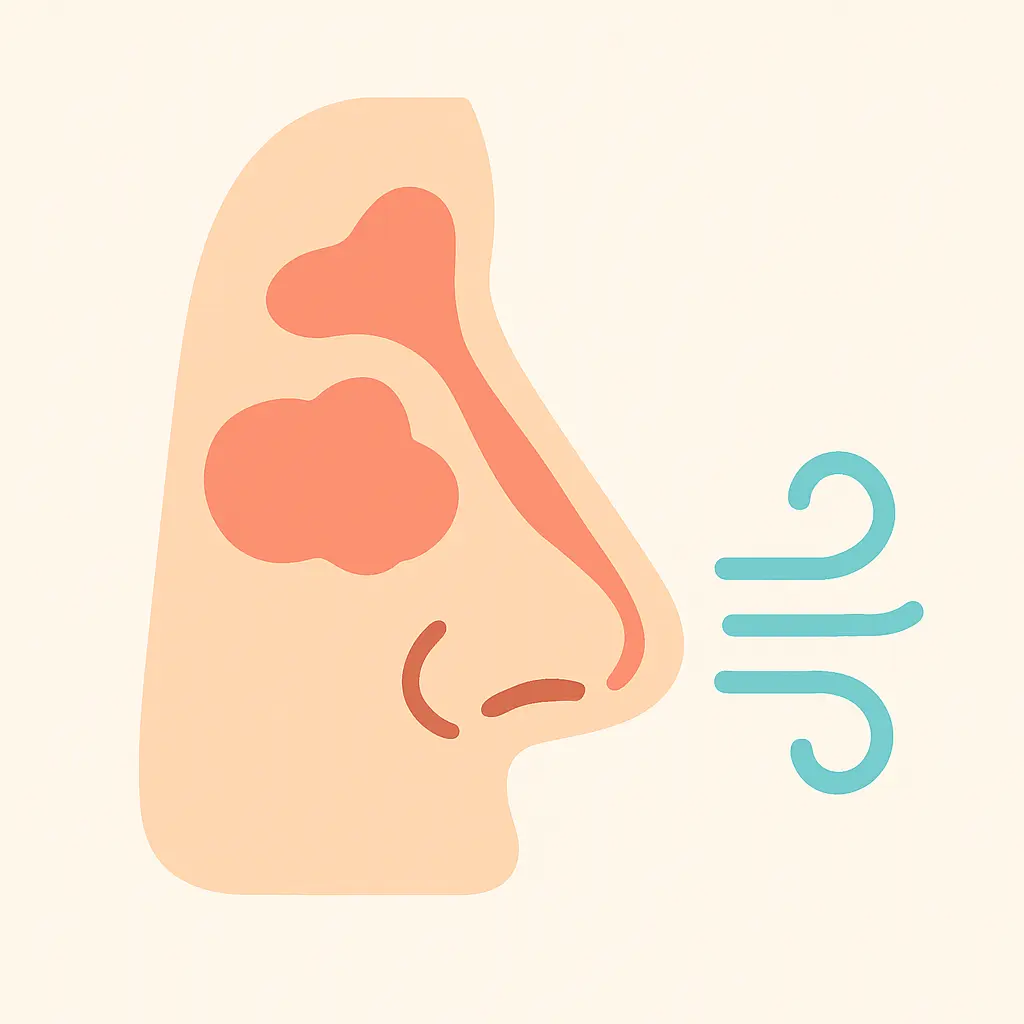
Your nose and sinuses are lined with cilia — microscopic, hair-like structures that beat in a coordinated wave to sweep mucus, dust, and trapped particles out and down toward your throat, where you swallow it without noticing. Cigarette smoke slows and damages this beating motion. Over years of smoking, that clearance system runs at a fraction of its normal efficiency, which is part of why smokers often have chronically congested-feeling sinuses without thinking of it as a health problem — it has simply become their normal.
A 2026 study tracking the respiratory microbiome — the community of microbes living in your nose, throat, and lungs — found that smokers show clear differences in nasal and lung microbial communities compared with people who have never smoked. After quitting, short-term abstinence of around six weeks produced only minor shifts, while a full year of not smoking led to partial restoration, particularly in the nasal and lung communities. Some changes persisted even after a year, a reminder that recovery is real but gradual rather than instant.
That same research found that recovery did not look identical from person to person. Some of the shift was described as highly individualized, shaped by how long and how heavily someone had smoked, and by other factors specific to each person’s airway. That is a useful thing to know if your own timeline does not match someone else’s exactly — the broad direction of recovery is consistent, but the pace genuinely varies.
Post-nasal drip and the ex-smoker’s cough
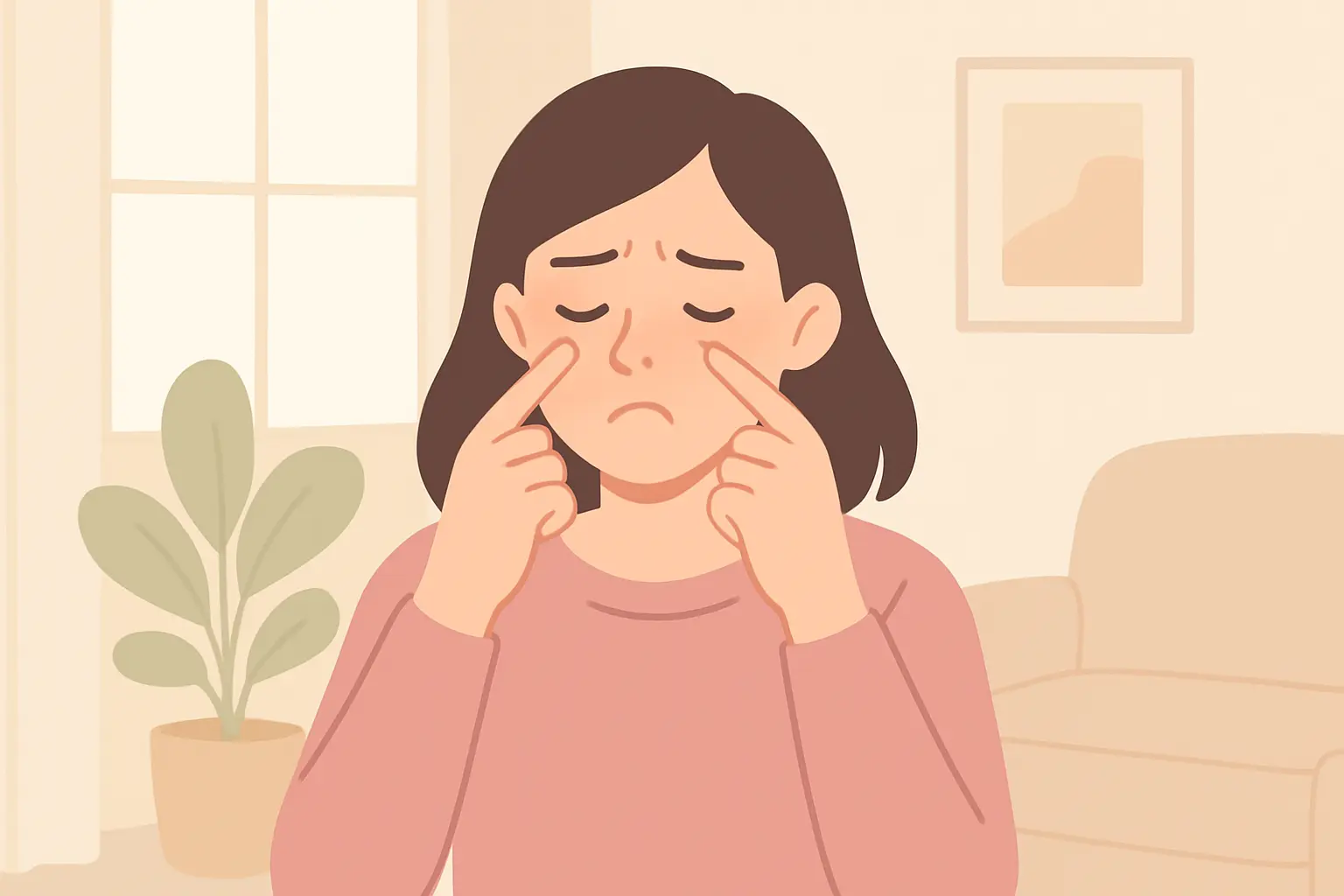
As your sinuses ramp mucus production back up to normal levels, some of it drips down the back of your throat instead of out through your nose — this is post-nasal drip, and it is one of the main reasons people who quit smoking develop a cough in the first few weeks that they did not have (or did not notice) while still smoking. It is closely related to why many people report coughing more after quitting smoking and sometimes bringing up phlegm that looks alarming but is simply years of retained material finally being cleared.
The sinus symptoms and the chest symptoms described in those articles are part of the same overall process — different sections of the same airway, waking up on a similar, if not identical, timeline. Sinus tissue, being closer to the surface and easier to feel, often announces the recovery process first; the deeper airways further down often take a little longer to catch up.
How long it lasts
Most people find sinus congestion and post-nasal drip peak in the first two to four weeks after quitting and then gradually ease. The microbiome research above gives a useful, evidence-based frame: expect only modest change by six weeks, with more meaningful improvement building over months, and most of the disruptive, most-noticeable symptoms settling well before the one-year mark most studies use as their long-term endpoint.
| Time since quitting | What is typically happening |
|---|---|
| Week 1–2 | Congestion and post-nasal drip often peak as cilia activity increases |
| Week 2–4 | Symptoms usually start easing as the backlog of trapped mucus clears |
| 6 weeks | Only minor microbiome shifts detected in research to this point — patience still required |
| ~1 year | Partial restoration of nasal and lung microbial communities, though some changes can persist |
Source: longitudinal respiratory microbiome study, Respiratory Research, 2026. Individual timelines vary.
When it is a sinus infection instead
Ordinary post-quitting congestion is uncomfortable but should not stop you living normally, and it should trend in the right direction over a few weeks. According to the NHS, sinusitis “usually clears up on its own within 4 weeks,” but you should see a doctor if you do not get better after around three weeks of self-care, if painkillers are not helping or symptoms are getting worse, if you feel very unwell, or if you keep getting sinus infections repeatedly. One-sided facial pain, a fever, or thick, discoloured discharge that is getting worse rather than better are also reasons to get it checked rather than assume it is just quitting.
This distinction matters because treating a real infection as “just withdrawal” can delay care you actually need — when in doubt, a same-day GP or pharmacist check is a low-cost way to rule it out, and it is never the wrong call to get a genuinely worsening symptom looked at rather than waiting it out on the assumption that quitting explains everything.
Mayo Clinic explains how to tell a lingering cold from a genuine sinus infection, and what treatment looks like for each.
What helps
None of these will speed up cilia recovery on their own, but they make the weeks of congestion far more manageable:
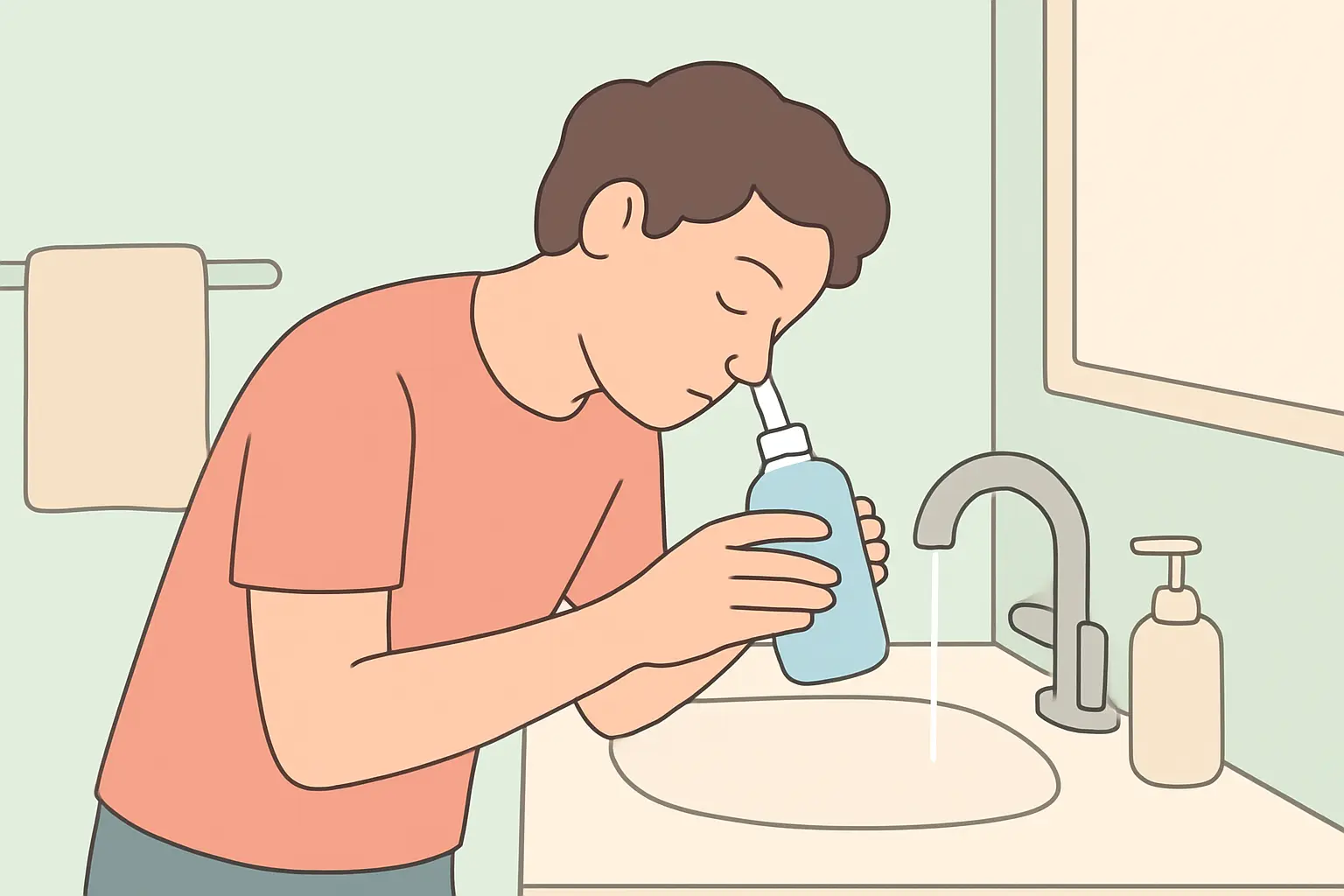
- Saline nasal rinses — help physically flush out trapped mucus and debris while your natural clearance system catches up
- Steam — a hot shower or a bowl of hot water loosens thick mucus and can ease pressure
- Fluids — staying well hydrated keeps mucus thinner and easier for your body to clear
- Sleeping slightly elevated — can reduce the post-nasal drip sensation that disrupts sleep in the first weeks
- Patience — this is the one ingredient every source agrees on; the symptom is a sign of recovery in progress, not a setback
It is worth being clear about what is not on this list: there is no fetched, well-established evidence that any particular supplement, detox product, or specific over-the-counter combination speeds up cilia recovery specifically. If you want relief beyond the basics above, a pharmacist can talk through options suited to your actual symptoms rather than a generic “detox” claim, and can flag anything that would interact with other medicines you take.
Why smell returning makes it feel worse
One reason the first weeks feel especially unpleasant is that your sense of smell is also recovering alongside your sinuses. Smells you had stopped registering — including the smell of stale mucus, your own home, or foods you eat daily — can suddenly feel much stronger and more unpleasant. This is not your sinuses getting worse; it is your senses working properly again, layered on top of genuine, temporary congestion. It passes as both systems settle.
If you are also managing chest symptoms at the same time, it is worth reading about quitting smoking with a chest infection, and if you have asthma, the specific guidance in quitting smoking with asthma covers how airway recovery interacts with an existing condition. For the fuller withdrawal picture beyond the sinuses, the stages of nicotine withdrawal puts this symptom in context alongside everything else your body is adjusting to in the same window.
It also helps to remember that smell recovering is, on balance, good news wearing an uncomfortable disguise. Long-term smoking dulls the sense of smell for many people, often gradually enough that they stop noticing the decline. Getting it back is part of the same broader sensory and respiratory recovery that also restores taste, which is why food often starts tasting noticeably different — usually better — in the weeks and months after quitting, right around the time the sinuses are working through this same adjustment period.
Frequently Asked Questions
Is it normal for sinuses to get worse after quitting smoking?
Yes. It reflects the airway’s cilia becoming more active again and clearing out mucus and debris that built up during years of smoking. It is a sign of recovery, not a new problem, and it is temporary for most people.
How long does sinus congestion last after quitting smoking?
Most people notice the worst congestion in the first two to four weeks, easing gradually after that. Research on the respiratory microbiome shows only modest change by six weeks, with more complete recovery building over months to a year.
When should I see a doctor about sinus symptoms after quitting?
See a doctor if symptoms have not improved after about three weeks of self-care, if you develop a fever or one-sided facial pain, if painkillers are not helping or things are getting worse, or if you keep getting repeated sinus infections (NHS).
Why does my sense of smell make congestion feel worse?
Your sense of smell often recovers around the same time as your sinuses, so smells you had stopped noticing become noticeable again. That can make ordinary congestion feel more intense even though nothing has actually worsened.
Are post-nasal drip and coughing after quitting connected?
Yes. As sinus mucus production returns to normal, some of it drips down the throat rather than out through the nose, which is one of the main triggers behind the cough many people develop in the weeks after quitting.
Will restarting smoking clear up the congestion faster?
No — restarting suppresses cilia activity again, which relieves the sensation temporarily but restarts the entire recovery process from the beginning once you quit again, alongside every other harm of continued smoking.
Track the recovery, not just the discomfort
iQuit’s health-recovery timeline shows what is happening at every stage, so a rough week reads as progress instead of a warning sign.
Download iQuit Free on Google Play
Download on the App Store