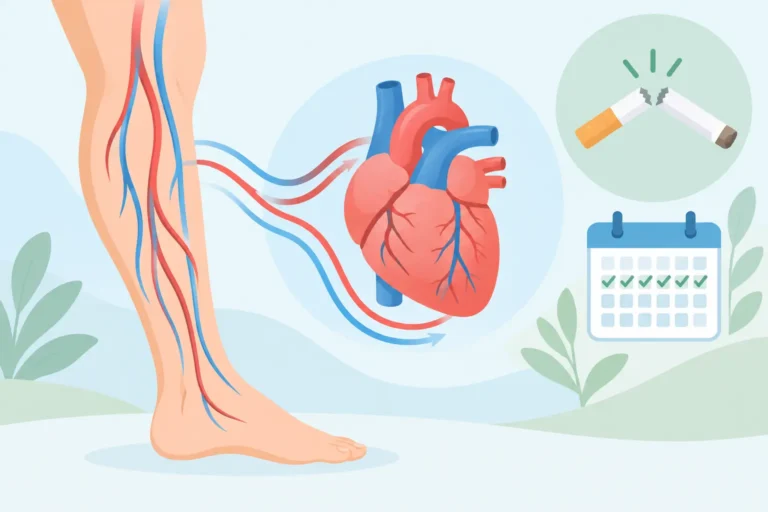

If you have tried a single nicotine patch or a pack of nicotine gum before and relapsed within a few weeks, the problem may not have been willpower — it may have been the dose. Combination NRT vs single NRT is one of the most under-discussed decisions in smoking cessation, and the evidence is more one-sided than most people realize: wearing a nicotine patch every day while also using a fast-acting gum, lozenge, or spray for sudden cravings consistently outperforms using either product on its own.
Combination NRT vs Single NRT at a Glance
Before the studies and the dosing charts, here is the comparison most people are searching for. The table below summarizes how the two approaches differ across the factors that actually change a quit attempt’s odds.
| Factor | Single NRT (patch OR gum alone) | Combination NRT (patch + fast-acting form) |
|---|---|---|
| Long-term quit rate | 13.7% (Cochrane reference group) | 17.4% — a 27% relative increase, RR 1.27 (95% CI 1.17-1.37), high-certainty evidence |
| Craving coverage | Steady background dose only, or fast relief only — not both | Steady background dose plus on-demand relief for sudden urges |
| Side effects | Fewer total products to manage, but breakthrough cravings often go untreated | Slightly more to monitor (skin irritation plus mouth/throat irritation), still considered safe for most adults by NICE and on FDA-approved OTC labels |
| Cost per month | Lower — one product line | Higher — typically around 1.5 to 2 times a single product line |
| Adherence burden | Simple, one routine | Two routines to learn, but many find the rescue dose easier to stick with because cravings are actually relieved |
| Who it suits best | Lighter smokers, first-time quitters, those who prefer simplicity | Smokers who classify as more dependent (typically more than 10 cigarettes a day, or smoking soon after waking) |
What the Cochrane Evidence Actually Shows
The definitive source on this question is the Cochrane review Different doses, durations and modes of delivery of nicotine replacement therapy for smoking cessation (Theodoulou, Lindson and colleagues, Cochrane Database of Systematic Reviews, 2023 update, review CD013308.pub2). Cochrane rated the evidence for combination NRT as high-certainty — its strongest confidence grade — based on 16 randomized trials and 12,169 participants comparing combination NRT against a single form.
The headline number: 17.4% of people using combination NRT (a patch plus a faster-acting product) had quit at long-term follow-up, compared with 13.7% of people using a single form of NRT alone. That is a risk ratio of 1.27 (95% confidence interval 1.17 to 1.37) — roughly a 27% relative improvement in the chance of quitting, and one of the more robust findings in the cessation literature.
This is not a marginal effect. NICE guideline NG209 (Tobacco: preventing uptake, promoting quitting and treating dependence) groups combination NRT alongside varenicline, cytisinicline, and e-cigarettes in its top tier of options “more likely to result in successfully stopping smoking,” while placing single-form NRT and bupropion in a lower tier. That puts combination NRT in the same effectiveness category as the leading prescription medications — at a fraction of the cost and without a prescription in most countries. If you want the full picture of how each individual NRT form stacks up, our complete guide to every NRT option compared covers patches, gum, lozenges, and spray side by side.
How Combination NRT Works: Floor Dose and Rescue Dose
The logic behind combination NRT is straightforward once you separate the two jobs nicotine replacement has to do.
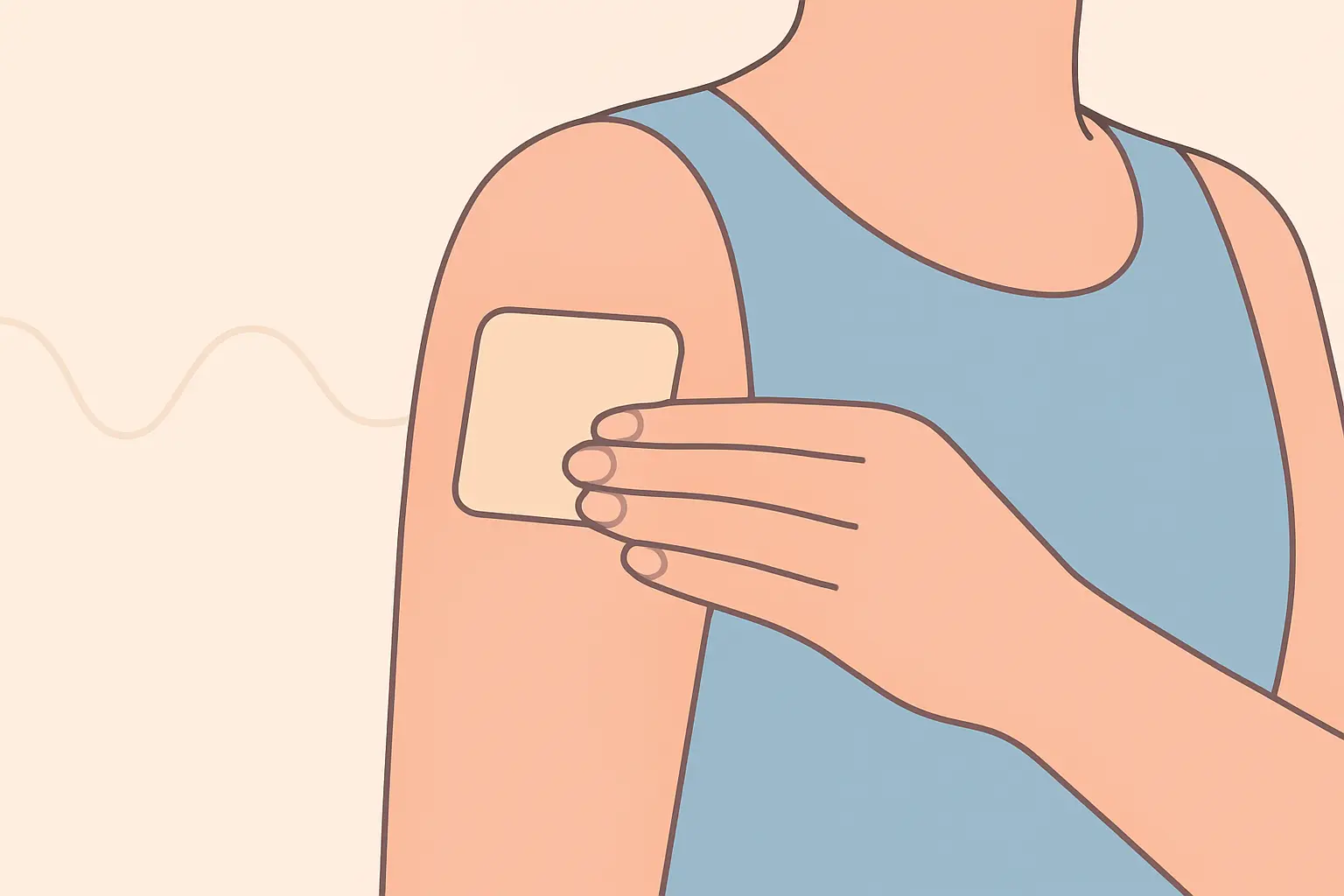
A nicotine patch is the “floor.” Worn continuously, it releases a steady, low-level dose of nicotine over 16 or 24 hours, which keeps baseline withdrawal symptoms — irritability, restlessness, poor concentration — from building up in the background. What a patch cannot do is respond quickly. Its blood-nicotine curve is slow and flat, so when a genuine craving spike hits (after a meal, during a stressful call, when a friend lights up nearby), the patch alone often is not enough.
That is the job of the “rescue” dose — gum, lozenge, nasal spray, or inhalator. These faster-acting forms raise blood nicotine within minutes, closer to (though still slower than) the spike a cigarette produces, and are designed to be used as-needed on top of the patch. Used together, the patch prevents the slow burn of withdrawal and the fast-acting product handles the acute urge — which is exactly why the combination outperforms either used alone.
Choosing Your Starting Doses
Dose selection should always follow the product label and, where possible, a pharmacist or stop-smoking advisor — this is general educational information, not a prescription. As a starting reference, the US over-the-counter patch label sets the starting strength by cigarettes per day, while UK 16-hour products use a slightly different threshold. How soon you smoke after waking (time-to-first-cigarette) is a widely used marker of dependence and is worth mentioning to your pharmacist.
| Smoking pattern | Typical starting patch | Typical fast-acting strength |
|---|---|---|
| More than 10 cigarettes a day (US OTC label threshold) | 21 mg (24-hour) | 4 mg gum or lozenge |
| 10 or fewer cigarettes a day (US OTC label threshold) | 14 mg (24-hour) — the US label says not to start on 21 mg | 2 mg gum or lozenge |
| 10 or more cigarettes a day (UK 16-hour product threshold) | 25 mg (16-hour) | 4 mg gum or lozenge |
| Fewer than 10 cigarettes a day (UK 16-hour product threshold) | 15 mg (16-hour) | 2 mg gum or lozenge |
Note that the US and UK thresholds differ slightly at exactly 10 cigarettes a day, which is why the label on the box you actually buy is the one that matters. For a deeper breakdown of exactly when to pick the 21 mg, 14 mg, or 7 mg patch, see our full guide to nicotine patch strength selection. For the fast-acting side, our comparison of gum, patch, lozenge, and inhaler NRT covers how each form is used. Never exceed the maximum daily dose printed on your product’s label, and check with a pharmacist before combining if you are also using any other nicotine product, are pregnant, or have a cardiovascular condition. The NHS Better Health quit smoking service and the National Centre for Smoking Cessation and Training both publish free guidance you can take to that conversation.
The Step-Down Protocol
Combination NRT is typically used at full strength for 8-12 weeks, then tapered rather than stopped abruptly. A common structure drawn from manufacturer labels and stop-smoking service guidance:
- Weeks 1-6: Full-strength patch daily, plus fast-acting product used as needed for cravings (up to the label’s maximum).
- Weeks 7-8: Step the patch down one strength (21 mg to 14 mg); continue the fast-acting product as needed.
- Weeks 9-10: Step down again (14 mg to 7 mg); begin reducing fast-acting product frequency as cravings become less frequent.
- After week 10-12: Stop the patch; use the fast-acting product only for occasional breakthrough cravings, then taper off entirely, usually within a further few weeks.
The two most common mistakes are stepping down too fast — dropping the patch before withdrawal symptoms have genuinely settled, which is a leading cause of relapse in the first month — and under-dosing heavier smokers from the start, treating a 20-a-day smoker the same as someone who smoked five. If cravings are still frequent at the end of a step, staying at that dose a little longer is generally safer than rigidly following a calendar; your pharmacist can confirm what your product’s label allows.
Managing two products at once? Logging every patch change and every rescue dose alongside your cravings is what turns a two-product routine into a habit you can actually keep. iQuit is free on Google Play and does exactly that.
This short video from the US Centers for Disease Control and Prevention walks through exactly how to combine a patch with a fast-acting product day to day.
Who Should Not Combine NRT
Combination NRT is not automatically the right choice for everyone. Lighter smokers (10 or fewer cigarettes a day, first cigarette well after waking) often quit successfully with a single form, and adding a second product simply adds cost and complexity without a meaningful benefit. People with certain cardiovascular conditions, those who are pregnant or breastfeeding, and anyone under 18 should talk to a doctor or pharmacist before starting any NRT combination — this article is not a substitute for that conversation. If you are already taking varenicline or bupropion, ask your prescriber or pharmacist before adding NRT on top, since combining prescription cessation medication with NRT is a decision for the person managing your treatment rather than something to start on your own. If you are still deciding between a prescription medication route and an over-the-counter NRT route in the first place, our comparison of varenicline, cytisine, and NRT on the NHS lays out that decision separately, and our guide on whether you can smoke while wearing a nicotine patch covers a closely related safety question worth reading before you start.
Cost and Practical Considerations
Over-the-counter patch and gum prices vary widely by brand, pack size, and retailer, and many stop-smoking services in the UK and elsewhere supply NRT free or at a reduced cost. As a rough rule, running a patch alongside a fast-acting product costs somewhere around 1.5 to 2 times what a single product line costs — but set against the price of a pack-a-day cigarette habit, and against Cochrane’s quit-rate improvement, most smokers who are more dependent find the extra spend pays for itself quickly if it works.
The practical friction with combination NRT is usually not cost — it is remembering which product to use when. This is one area where a simple tracking layer helps: logging patch changes and rescue doses, and getting a nudge before a predictable high-risk hour (post-meal, mid-afternoon slump, evening wind-down), makes the two-product routine easier to sustain than trying to remember it unaided. The iQuit app‘s craving log and predictive craving forecasts were built for exactly this kind of routine — they will not replace your NRT, but they can help you use it consistently, which is the single biggest driver of whether combination NRT actually works in practice. For a full breakdown of what an app can and cannot do alongside NRT, see whether a quit-smoking app can replace nicotine patches.

Our Recommendation
If you smoke more than 10 cigarettes a day, or you reach for your first cigarette soon after waking, the evidence strongly favors starting with combination NRT — a patch as your floor dose, plus gum, lozenge, or spray for breakthrough cravings — rather than a single form. If you are a lighter or more occasional smoker, a single form is a reasonable starting point, and you can add a fast-acting product later if cravings prove harder to manage than expected. Whichever you choose, pairing NRT with behavioral support (a quitline, counseling, or a structured app-based program) further improves your odds, and label-following on both dose and duration is non-negotiable — always check with a pharmacist if you are unsure.
Frequently Asked Questions
Is combination NRT safe?
Yes, for most adult smokers. NICE guideline NG209 recommends combining a nicotine patch with a fast-acting form (gum, lozenge, spray, or inhalator) for people who are more dependent, and both products are sold over the counter in the US and UK. Anyone with heart conditions, who is pregnant, or under 18 should check with a doctor or pharmacist first, as should anyone already taking varenicline or bupropion (NICE NG209).
How much more effective is combination NRT than a single form?
Cochrane’s high-certainty review found 17.4% of combination-NRT users had quit long-term versus 13.7% of single-form users — a risk ratio of 1.27, or roughly a 27% relative improvement, across 16 trials and 12,169 participants (Theodoulou, Lindson et al., Cochrane Database of Systematic Reviews, CD013308.pub2, 2023).
Can I use two patches at once instead of a patch and gum?
Do not use two patches simultaneously unless a clinician has specifically advised it, as this can exceed the labeled dose. The evidence base for combination NRT is specifically patch (steady dose) plus a faster-acting form (gum, lozenge, spray, or inhalator) for breakthrough cravings, not two patches together.
How long should I use combination NRT for?
Most protocols run 8-12 weeks at full strength before stepping down, and staying on NRT a little longer is generally preferable to relapsing. Some people safely use NRT for longer with clinical support. Always follow your product’s label and a pharmacist’s guidance on duration (NICE NG209; NHS Better Health).
What are the side effects of combining a patch with gum or lozenge?
Skin irritation at the patch site is the most common patch side effect; gum and lozenges can cause mouth or throat irritation, hiccups, or nausea if chewed or used incorrectly. Combining the two does not meaningfully increase total side-effect risk versus either alone, according to Cochrane’s safety data, but overuse beyond the labeled maximum can cause nicotine-related nausea or palpitations.
Is combination NRT as effective as varenicline?
NICE NG209 places combination NRT in the same top tier of most effective options as varenicline, cytisinicline, and e-cigarettes, rather than publishing a head-to-head quit-rate figure. In practical terms that makes combination NRT one of the strongest options available without a prescription in most markets.
Should light smokers bother with combination NRT?
Not necessarily. NICE guidance recommends combination NRT particularly for people who are more dependent. Lighter smokers often do well with a single form and can add a fast-acting product later only if cravings prove harder to manage than expected.
Can I track my combination NRT routine with an app?
Yes — apps like iQuit let you log patch changes and rescue doses alongside cravings, and its predictive craving forecasts can nudge you before a typical high-risk hour, which helps with the adherence challenge that comes from managing two products instead of one.
Track Your NRT Routine and Cravings in One Place
iQuit helps you log patch changes and rescue doses, forecasts your riskiest hours, and gives you SOS tools the moment a craving hits — free to start.