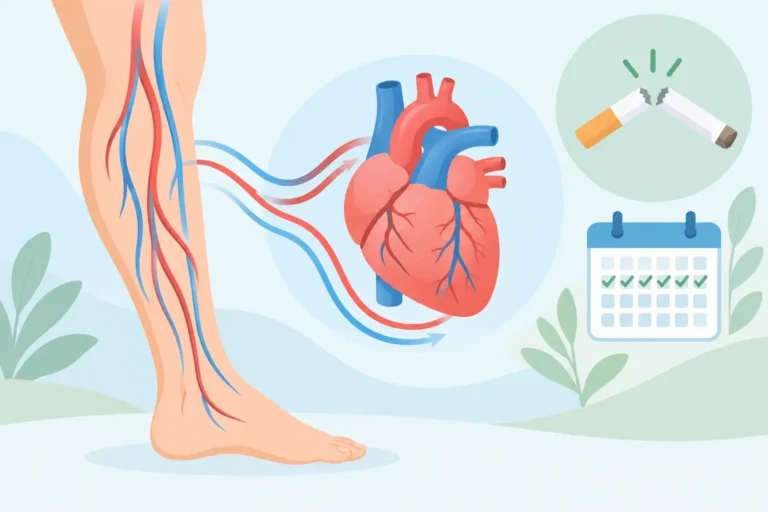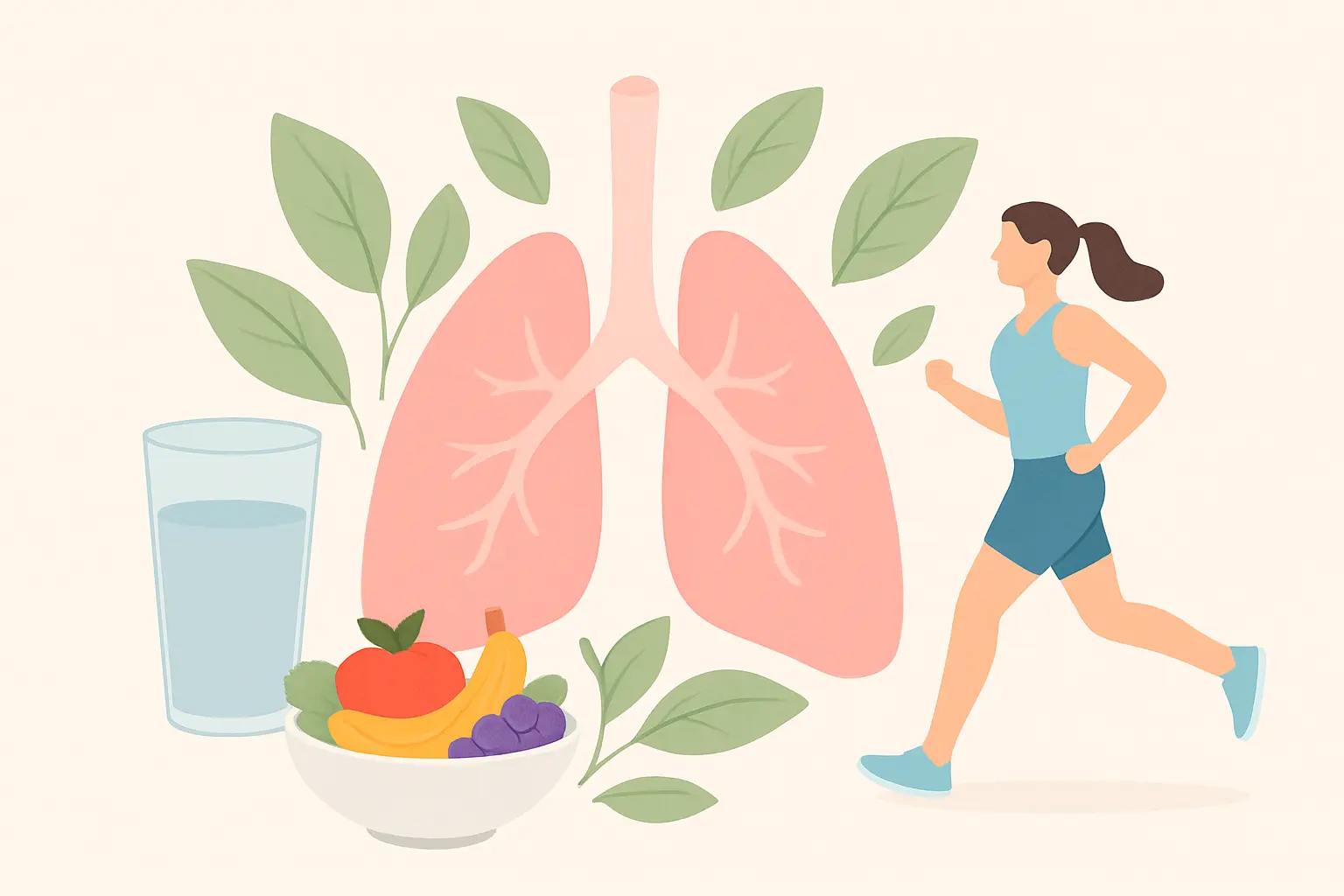
Search “detox my lungs” and you’ll find teas, supplements, and cleanses promising to flush out years of tar in a week. How to clean your lungs after quitting smoking has an honest answer that isn’t as exciting as a miracle tea, but it’s more useful: you can’t detox your lungs with a product, but you absolutely can support the recovery your lungs are already doing on their own — and some approaches genuinely speed that process up while others do nothing at all.
This guide separates what actually helps from what’s just marketing, starting with what your lungs are doing the moment you quit, and ranking the interventions people try by how much real evidence backs them up.
Can you actually “clean” your lungs?
Not in the way marketing implies. The American Lung Association states plainly that lungs are self-cleaning organs that heal naturally once pollutant exposure stops — there’s no product that accelerates this beyond what your body is already equipped to do. What you can genuinely influence is how well you support that natural process: removing the ongoing damage source (smoking), then giving your body the conditions it needs to repair itself.
The Association’s key message is blunt: quitting smoking or vaping is described as the most effective thing you can do to minimize and heal lung damage — everything else in this guide is secondary support around that one central action. Our piece on whether lungs can heal after years of smoking covers the underlying biology of that healing process in more depth, and if you have a diagnosed respiratory condition, our COPD and smoking cessation guide covers what recovery looks like specifically for that group.
This Mayo Clinic Minute covers the broader quality-of-life benefits that come with the recovery process described below:
What cilia do once you stop
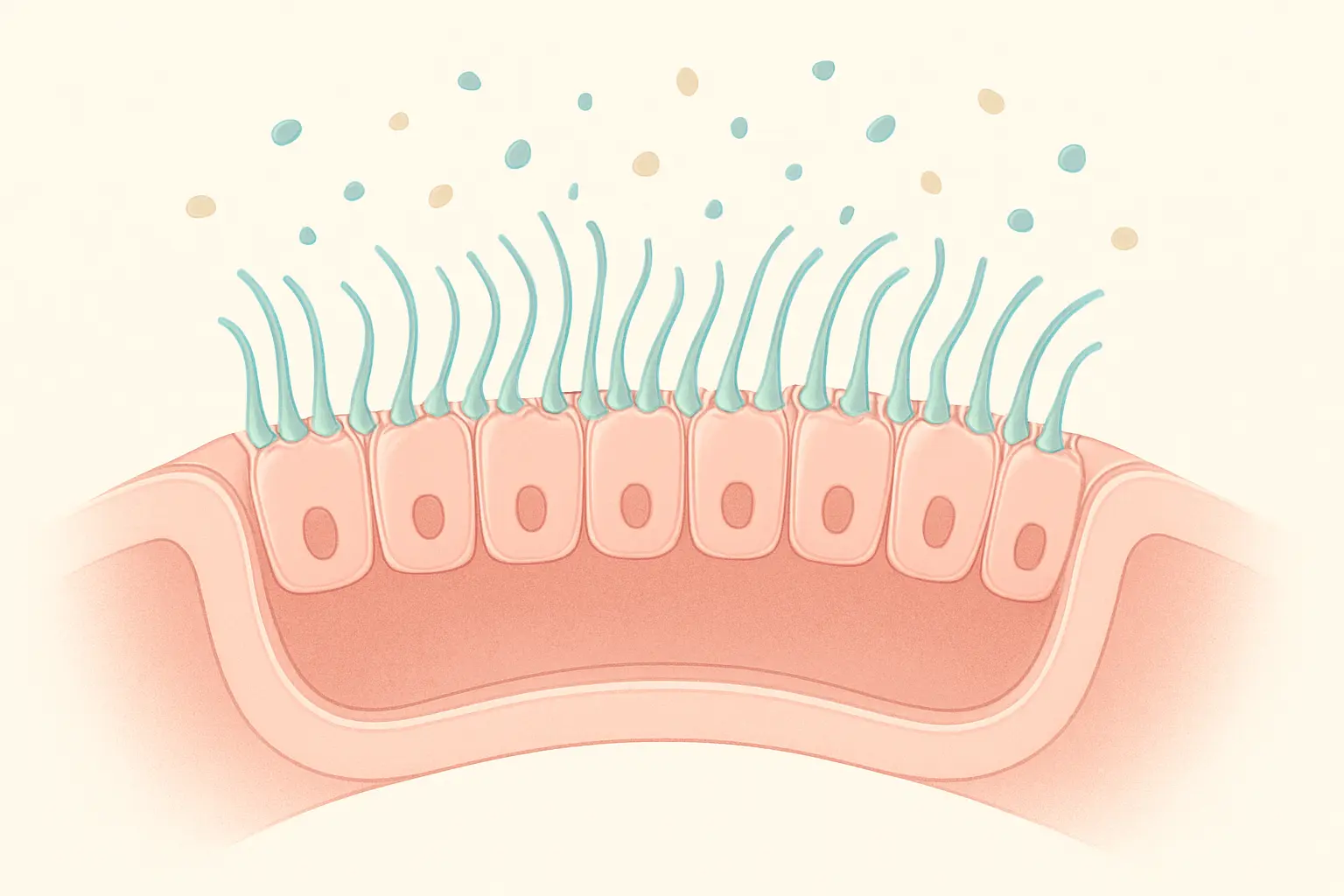
Cilia are the tiny, hair-like structures lining your airways that constantly sweep mucus and trapped particles upward and out. Cigarette smoke paralyzes and damages cilia, which is a major reason smokers accumulate more mucus and cough more before they quit — the normal clearance mechanism is impaired. Once you stop smoking, cilia function begins recovering, and clearance gradually improves, though the exact pace varies by how long and how heavily you smoked.
This is also why many new quitters notice more coughing and mucus production in the first weeks, not less — cilia coming back online start actively clearing out debris that had been sitting there, uncleared, for a long time. Our guide on why coughing increases after quitting explains this mechanism and its typical timeline in detail, and our companion piece on coughing up phlegm after quitting covers what the mucus itself looks like at each stage and which colors warrant a doctor’s visit.
| Approach | Evidence strength | What it does |
|---|---|---|
| Quitting smoking/vaping | Strongest — foundational | Stops ongoing damage, allows cilia and tissue repair to begin |
| Regular exercise | Strong | Supports natural restoration of lung function and capacity |
| Hydration | Moderate | Supports mucus consistency and cilia function |
| Antioxidant-rich diet | Moderate | Supports general tissue repair processes |
| Breathing exercises | Moderate, condition-dependent | Improves breathing efficiency and airway clearance technique |
| Detox teas/supplements | None | No demonstrated effect; some inhaled products flagged as potentially harmful |
Steam, saline and humidity: what they do and don’t do
Steam inhalation and saline nasal rinses can provide short-term comfort by loosening mucus and easing airway dryness, which some people find genuinely helpful during the post-quit period when coughing is more frequent. What they don’t do is accelerate the underlying tissue or cilia repair — the comfort benefit is real, but it’s symptomatic relief, not a recovery accelerant. Maintaining reasonable indoor humidity is a sensible, low-effort habit, particularly in dry winter months or heated indoor air, but it isn’t a lung-cleaning intervention on its own and shouldn’t be relied on as a substitute for the higher-impact steps below.
The same logic applies to the two things people most often ask about next: air purifiers and “lung-cleansing” breathing gadgets sold online. A purifier that genuinely reduces indoor particulate exposure is a reasonable thing to own, especially if you live somewhere with poor outdoor air quality — but it works by lowering the amount of new irritation reaching your airways, not by removing anything already there. That’s a useful goal, just not the one the marketing usually promises.
Exercise: the intervention with real evidence
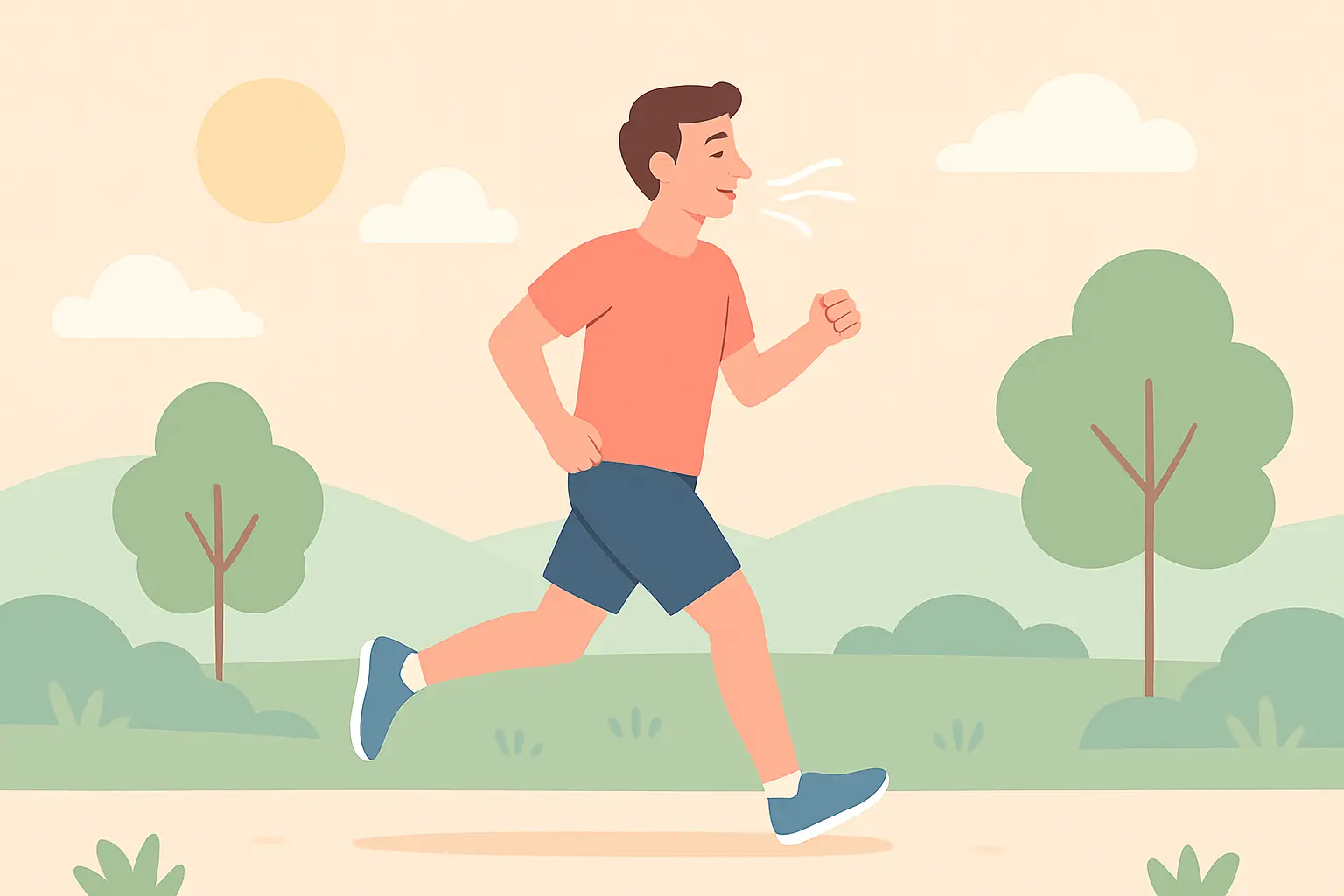
Of everything people try beyond quitting itself, regular exercise has the most consistent evidence behind it. The American Lung Association specifically recommends exercise (with medical clearance if you have existing lung or heart conditions) as supporting the natural and healthy restoration of lung function. Exercise increases airflow and lung expansion, which helps clear the airways more effectively than staying sedentary, and it’s also one of the best-evidenced tools for managing cravings during the quit itself — a genuine two-for-one.
You don’t need an intense program to see benefit; consistent, moderate activity (brisk walking, cycling, swimming) done regularly outperforms occasional intense exercise for lung-related benefits specifically. If you’re rebuilding fitness gradually after quitting, our guide on running after quitting smoking walks through a structured return-to-fitness plan that pairs well with the lung-recovery timeline described here.
A 12-week ladder back to real activity
The single most common mistake after quitting is going too hard in week one, feeling terrible because your airways are still clearing and your cough is at its loudest, and concluding that exercise “isn’t working yet.” A gentler ramp avoids that trap entirely.
- Weeks 1–2: Twenty to thirty minutes of easy walking most days. The goal is frequency, not intensity — you should be able to hold a conversation the whole time. Expect the cough to be at its most noticeable in this stretch; it isn’t a reason to stop.
- Weeks 3–4: Add gentle hills or a slightly faster pace two or three times a week. Notice whether breathlessness on the same route is starting to arrive later than it did — that’s usually the first improvement people feel.
- Weeks 5–8: Introduce one session a week with short, harder efforts (one to two minutes of brisk uphill walking or easy jogging, then full recovery). This is where lung expansion and airflow demands step up meaningfully.
- Weeks 9–12: Build one longer session a week — 45 to 60 minutes at an easy pace — alongside your shorter ones. By this point most people are noticeably less breathless on stairs and hills than they were on quit day.
If you have COPD, asthma, or a heart condition, get medical clearance before starting and treat the ladder above as a starting point for a conversation, not a prescription.
Diet claims, ranked by evidence
Diet’s effect on lung recovery is real but modest compared to quitting and exercise. Diets higher in fruit, vegetables, and varied antioxidant sources are generally associated with better lung function trajectories over time, likely because antioxidants help offset the oxidative stress smoking causes in lung tissue. This is a supportive factor, not a standalone fix — no specific food or supplement reverses existing lung damage on its own, and claims that a single “superfood” cleanses the lungs aren’t supported by evidence. Treat diet the same way you’d treat any general health habit: worth doing consistently, but not a substitute for the steps with stronger direct evidence.
Hydration deserves a specific mention here because it’s the one dietary change with a plausible, direct mechanism: mucus that is adequately hydrated is thinner and easier for cilia to move, which is exactly the process doing the clearing in the weeks after you quit. You don’t need a target number of glasses — pale urine and no persistent thirst are a good enough guide for most people.
Detox teas, supplements and lung-cleanse products
This is the category to be skeptical of. The American Lung Association notes that most detox products marketed for lung cleansing are not FDA-approved and lack adequate scientific data to support their use, and the Association has specifically warned that inhaled products containing essential oils can be dangerous to lung tissue rather than helpful. The core issue is that these products target an organ that already has a highly effective, built-in clearance system — there’s no mechanism by which a tea or supplement meaningfully speeds that up.
If you’re drawn to these products because you want to actively do something for your lung recovery, redirect that energy toward exercise and quitting-adjacent goals instead — they deliver the tangible improvement detox products only promise. Our guide on common quit-smoking myths covers several other unsupported claims in the same category, and it’s worth reading if you’ve encountered other recovery claims that sound too convenient to be true.
Breathing exercises worth doing
Pursed-lip breathing and diaphragmatic breathing are two techniques with genuine support for improving how efficiently you breathe, particularly useful if you’re dealing with breathlessness during the post-quit recovery period. Pursed-lip breathing works by keeping airways open longer during exhalation, which improves oxygen and carbon dioxide exchange and can make breathing feel less labored. These techniques don’t “clean” lung tissue, but they improve functional breathing capacity and can be a genuinely useful daily habit alongside the other steps here.
They’re also worth learning for a second reason that has nothing to do with your lungs: slow, controlled breathing is one of the fastest ways to take the edge off a craving. A few minutes of paced breathing gives an urge time to peak and fall on its own, which is the same principle behind the breathing tools built into most quit programs.
Tracking your actual lung recovery
Because lung recovery is gradual and largely invisible day-to-day, it helps to have something more concrete to measure than “do I feel better.” Objective measures like FEV1 (the volume of air you can forcefully exhale in one second) give a clearer picture than subjective feeling alone — our data on FEV1 recovery after quitting shows what that improvement typically looks like over time, and a simple lung age test can translate your own numbers into a more intuitive result if you want a way to track progress that isn’t just “wait and see how I feel.”
What’s worth tracking, and what isn’t
Useful markers change slowly and consistently: how far you can walk or climb before you’re breathless, how often you cough in a normal day, how much mucus you’re clearing and what color it is, and how you sleep. Checking these once a week gives you a trend; checking them hourly gives you anxiety.
Less useful: home pulse-oximeter readings, which stay in the normal range for most people whether or not their lungs are recovering, and any single bad day. Recovery isn’t linear — a cold, a run of poor air quality, or a stressful week can all make breathing feel worse temporarily without meaning anything about the underlying trend. If breathlessness is getting steadily worse over weeks rather than better, that’s the signal that warrants a doctor rather than a tracking app.
Lung cleaning FAQ
Can you actually detox or clean your lungs?
Not with a product. The American Lung Association states lungs are self-cleaning organs that heal naturally once pollutant exposure stops. Quitting smoking is described as the most effective thing you can do to minimize and heal lung damage.
Do lung detox teas or supplements work?
No credible evidence supports them. The American Lung Association notes most are not FDA-approved and lack adequate scientific data, and some inhaled products with essential oils have been flagged as potentially harmful to lung tissue rather than beneficial.
What actually helps your lungs recover after quitting?
Quitting itself is foundational, followed by regular exercise, which has the strongest supporting evidence of any additional intervention. Good hydration, an antioxidant-rich diet, and breathing exercises provide moderate additional support.
Why do I cough up more mucus after I quit smoking?
Cilia — the tiny structures that clear mucus from your airways — start recovering once you stop smoking, and increased coughing reflects them actively clearing out debris that had built up while they were impaired. This typically settles over the following weeks.
Does steam inhalation clean your lungs?
Steam can loosen mucus and ease airway dryness for short-term comfort, but it doesn’t accelerate the underlying tissue or cilia repair process. It’s a genuine comfort measure, not a recovery accelerant.
Are breathing exercises worth doing after quitting?
Yes, for functional breathing. Pursed-lip and diaphragmatic breathing improve how efficiently you breathe and can ease breathlessness during recovery, though they don’t directly clean lung tissue the way exercise or quitting support actual repair.
How soon after quitting can I start exercising?
Straight away, as long as you start easy. Twenty to thirty minutes of walking most days is enough for the first couple of weeks. Expect your cough to be at its loudest early on — that reflects your airways clearing, not exercise doing harm. Get medical clearance first if you have a lung or heart condition.
Should I buy an air purifier to help my lungs recover?
A purifier can reduce the new irritants reaching your airways, which is a reasonable goal if your indoor or local air quality is poor. It doesn’t remove anything already in your lungs, so treat it as reducing future exposure rather than as a cleaning device.
Track the recovery that’s actually happening
iQuit’s health-milestone timeline shows your lung and circulation recovery as it happens, from carbon monoxide clearing in the first 24 hours to lung function improvements further down the line — real progress, not a detox promise. Free to start on Android and iPhone.