Is nicotine a drug? Yes. Nicotine is a psychoactive drug that changes how your brain works and can cause dependence, even though it is legal to buy in tobacco products and is not on the list of controlled substances. This guide explains how the FDA, the World Health Organization and the National Institute on Drug Abuse describe it, why the law treats it differently from drugs like opioids, how it is also used as a medicine, and what the drug label means for anyone trying to quit.
Is Nicotine a Drug? The Short Answer
The plain answer is yes. The FDA states: “Nicotine is a highly addictive chemical compound present in a tobacco plant” and that it “can change the way the brain works, causing cravings for more of it” (FDA). The World Health Organization is just as direct: “Nicotine is highly addictive and harmful, particularly for children, adolescents and young adults whose brains are still developing” (WHO tobacco fact sheet).
Two things can be true at once. Nicotine is a drug of dependence, and it is not the main thing that kills people who smoke. The FDA draws that line itself: “Nicotine is what keeps people using tobacco products. However, it’s the thousands of chemicals contained in tobacco and tobacco smoke that make tobacco use so deadly.” The WHO adds that nicotine use also “increases cardiovascular risk,” so the two bodies do not describe its direct harm in exactly the same terms.
If you have ever wondered why it feels different from other habits, this is why. The pull is pharmacological, not a lack of willpower. Our explainer on whether nicotine is a stimulant or depressant covers its drug class, and how addictive nicotine is compared with other substances looks at the rankings and why they are debated.
How Nicotine Acts Like a Drug in the Brain
NIDA, part of the US National Institutes of Health, describes the mechanism in plain terms. Addiction “is characterized by compulsive drug-seeking and use, even in the face of negative health consequences,” and “like other drugs of abuse, nicotine increases levels of the neurotransmitter dopamine in these reward circuits, which reinforces the behavior of taking the drug” (NIDA).
Speed is part of the story. When smoke enters the lungs, NIDA says, “nicotine levels peak within 10 seconds of inhalation.” The effects also fade fast, and that “rapid cycle causes the smoker to continue dosing to maintain the drug’s pleasurable effects and prevent withdrawal symptoms.” The FDA makes a similar point about delivery, noting that some products, like cigarettes, “are designed to deliver nicotine to the brain within seconds.”
Withdrawal is the proof of dependence
Dependence shows up when you stop. NIDA lists the symptoms of nicotine withdrawal as “irritability, craving, depression, anxiety, cognitive and attention deficits, sleep disturbances, and increased appetite,” which “may begin within a few hours after the last cigarette.” It adds that they usually peak in the first few days and subside within a few weeks, though for some people they last for months.
This NIDA video explains why addictive drugs are so hard to quit. It is not specific to nicotine, but the reward and craving logic it describes is the one NIDA lays out for tobacco above.
How the FDA, WHO and the Law Classify Nicotine
Classification depends on who is asking. As a matter of public health, the FDA, the WHO and NIDA all describe nicotine as addictive. As a matter of drug law in the United States, nicotine in tobacco products is regulated as tobacco, not scheduled as a controlled substance.
The FDA regulates tobacco products under the Family Smoking Prevention and Tobacco Control Act. Its own guidance describes that act as establishing standards such as a “tobacco standard special rule for cigarettes” (FDA flavor-ban guidance, edition 2). That is a different framework from the one used for prescription and illicit drugs.
The WHO treats the problem at the treaty level. Its fact sheet says that to address the tobacco epidemic its Member States adopted the WHO Framework Convention on Tobacco Control in 2003, and that 182 countries and the European Union are Parties to it. The FCTC is a tobacco control treaty, not a drug scheduling list.
| Source | What it says |
|---|---|
| FDA | “Highly addictive chemical compound”; the deadly part of tobacco is the other chemicals |
| WHO | “Highly addictive and harmful”; also increases cardiovascular risk |
| NIDA | Raises dopamine in reward circuits “like other drugs of abuse” |
| US Controlled Substances Act | Term “does not include” tobacco, so nicotine in tobacco is not scheduled |
| DSM-5 | Tobacco use disorder: at least 2 of 11 symptoms in 12 months |
For a sense of how products differ in risk, the FDA says combustible products such as cigarettes are “the most harmful,” while FDA-approved nicotine replacement therapies “are the least harmful,” with other noncombustible products in between.
Why Nicotine Is Legal and Not a Controlled Substance
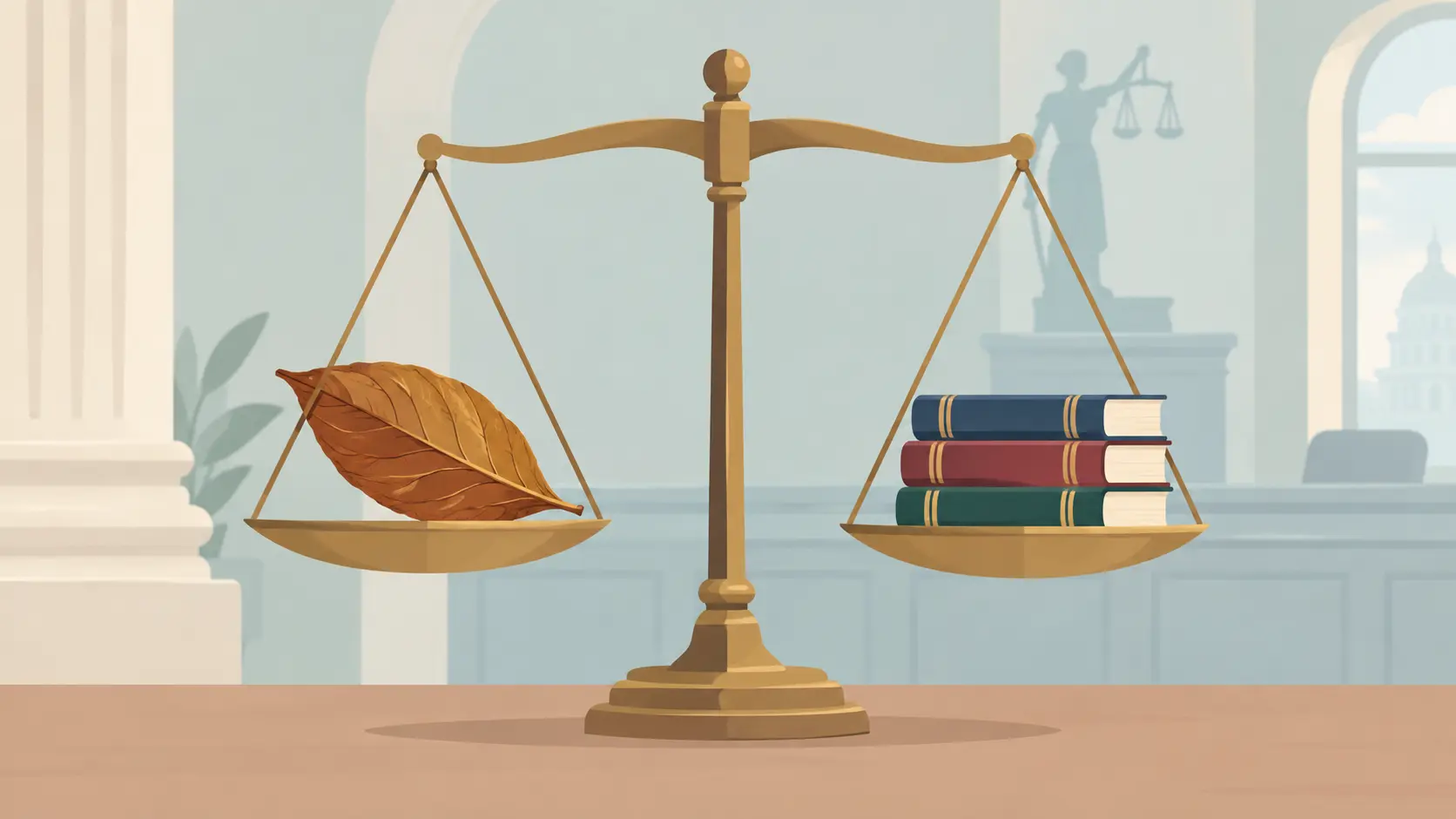
The answer is in the text of the law. The US Controlled Substances Act defines the term this way: “The term ‘controlled substance’ means a drug or other substance, or immediate precursor, included in schedule I, II, III, IV, or V of part B of this subchapter. The term does not include distilled spirits, wine, malt beverages, or tobacco” (21 U.S.C. 802(6), Cornell LII).
So tobacco is excluded by name, and nicotine does not appear in the DEA Diversion Control Division’s alphabetical list of controlled substances. A drug can be addictive and still unscheduled.
The statute itself does not explain the historical reasoning behind that exclusion. What matters for a reader is this: being legal is not evidence of being harmless. For the legal age side of the picture, see our guide to legal smoking age by country.
A policy idea: lowering the nicotine itself
Because nicotine is the part that drives dependence, regulators have looked at limiting how much cigarettes contain. We cover that proposal, and what is and is not settled, in our piece on very low nicotine cigarettes and the FDA cap.
Nicotine as Medicine: Replacement Therapy
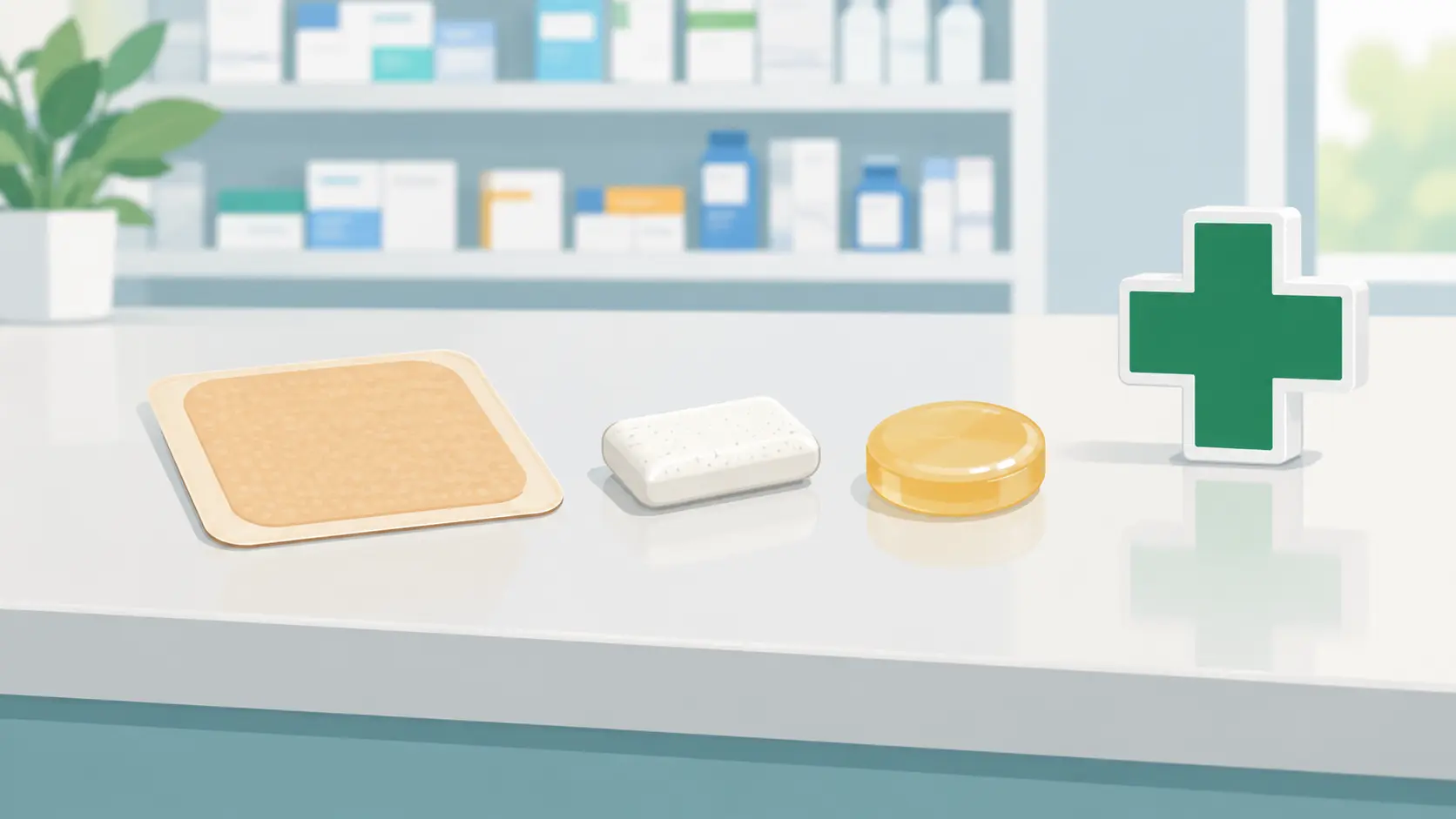
Here is the part that surprises people: the drug that keeps you smoking is also an approved quit aid. A standard over-the-counter nicotine patch label lists the active ingredient as nicotine (21, 14 or 7 mg delivered over 24 hours), the purpose as “Stop smoking aid,” and the use as “Reduces withdrawal symptoms, including nicotine craving, associated with quitting smoking” (DailyMed patch label).
The FDA says FDA-approved NRTs “are safe and effective products that contain nicotine and are designed to help adults quit smoking by delivering small amounts of nicotine to the brain without the toxic chemicals found in cigarette smoke.” It adds that, used properly, they “can double the chances of successfully quitting cigarettes.” The key difference is delivery. A patch gives a slow, steady supply; a cigarette gives a fast spike with thousands of other chemicals.
If you are choosing between forms, our guide to the best NRT options compared walks through patches, gum, lozenges and more. Talk with a pharmacist or doctor about doses, and about prescription options if NRT alone has not worked for you.
Addiction Criteria: Tobacco Use Disorder
Clinicians do not rely on gut feeling to decide whether nicotine use has become a disorder. A 2026 review states: “Nicotine addiction or tobacco use disorder is characterized by clinically significant impairment and distress related to nicotine consumption (DSM-5). Individuals must have at least 2 of 11 symptoms during a 12 month period in order to meet diagnostic criteria” (Child and Adolescent Psychiatric Clinics of North America, 2026).
The full DSM-5 criteria list is a clinical tool, so it is not reproduced here. If you want to know whether your own use meets the definition, ask a doctor or pharmacist, or call a quitline.
Why this framing is useful
Calling it a drug dependence changes what you reach for. Willpower alone is a weak tool against a pharmacological pull. NIDA notes that “only about 6 percent of smokers are able to quit in a given year,” that most smokers “will need to make multiple attempts,” and that “Medications including varenicline, and some antidepressants (e.g. bupropion), and nicotine-replacement therapy, can help in many cases.” Medicines like varenicline and bupropion are prescription-only, so those are conversations for a prescriber.
What This Means for Quitting
Once you see nicotine as a drug, a good plan has the same three parts any dependence plan has: a treatment, support and a way to track what is happening.
- Treatment. Consider an approved NRT, and ask a clinician about prescription options. The FDA says properly used NRT can double the chances of quitting.
- Support. Tell someone, join a program or call a quitline. Our complete evidence-based quit smoking guide covers the options in one place.
- Tracking. Cravings pass, and seeing when they come helps you plan for them. Our companion piece on what nicotine does to your body explains what is happening organ by organ.
iQuit can help with the tracking and support part: you can quit your way, with cold turkey or gradual reduction, log each craving with its trigger and intensity, use SOS tools when one hits, and talk to the AI coach. The dashboard counts days smoke-free, cigarettes avoided and money saved. It does not diagnose or treat nicotine dependence, so talk with a clinician about medicines.
Frequently Asked Questions
Is nicotine a drug?
Yes. The FDA calls nicotine “a highly addictive chemical compound” that can change how the brain works, and the WHO calls it “highly addictive and harmful.” It is legal in tobacco products but acts on the brain like other drugs of abuse by raising dopamine in reward circuits (FDA; WHO; NIDA).
Is nicotine a controlled substance?
No. The Controlled Substances Act defines a controlled substance as a drug in schedule I to V and says the term “does not include distilled spirits, wine, malt beverages, or tobacco.” Nicotine also does not appear in the DEA alphabetical list of controlled substances (21 U.S.C. 802(6); DEA).
Is nicotine a stimulant or a depressant?
Its pharmacological class is covered in our article on whether nicotine is a stimulant or depressant. For classification purposes here, what the FDA, WHO and NIDA agree on is that nicotine is highly addictive and acts on the brain’s reward circuits (FDA; WHO; NIDA).
Is nicotine as addictive as heroin?
The FDA, WHO and NIDA do not rank nicotine against heroin, so that comparison is not made here. What they do say is that nicotine is highly addictive: NIDA reports that only about 6 percent of smokers are able to quit in a given year, and that most need multiple attempts (NIDA; FDA).
Why is nicotine used as a medicine if it is addictive?
Replacement products deliver a small, steady dose without the smoke. The FDA says approved NRTs are “safe and effective” when used properly and can double the chances of quitting cigarettes. A patch label lists its purpose as “Stop smoking aid” (FDA; DailyMed patch label).
Does nicotine cause cancer?
The FDA says the thousands of chemicals in tobacco and smoke, not nicotine, make tobacco use so deadly. The WHO says nicotine is highly addictive and harmful and increases cardiovascular risk. Neither body states that nicotine alone causes cancer (FDA; WHO).
How do doctors diagnose nicotine dependence?
Under DSM-5, tobacco use disorder requires clinically significant impairment and distress related to nicotine use, with at least 2 of 11 symptoms during a 12 month period. A clinician makes the diagnosis; this article cannot. A pharmacist, doctor or quitline can help you assess your use (Child and Adolescent Psychiatric Clinics of North America, 2026).
Treat Nicotine Dependence With a Plan
A Drug Dependence Needs a Plan, Support and Tracking.
iQuit gives you a real-time dashboard of days smoke-free, cigarettes avoided and money saved, craving logging with triggers and intensity, SOS tools for hard moments and an AI coach, so you can quit your way. Free on Google Play and the App Store.
Download iQuit Free on Google Play
Download on the App Store