You feel jittery and irritable, but you also keep reaching for a cigarette out of pure habit — so is nicotine withdrawal physical or psychological? It is genuinely both, and the split matters: the physical half responds to nicotine replacement, while the psychological half responds to changing your routines and cues. Confusing the two is one of the most common reasons a quit plan stalls.
Physical or psychological? Both, in different proportions
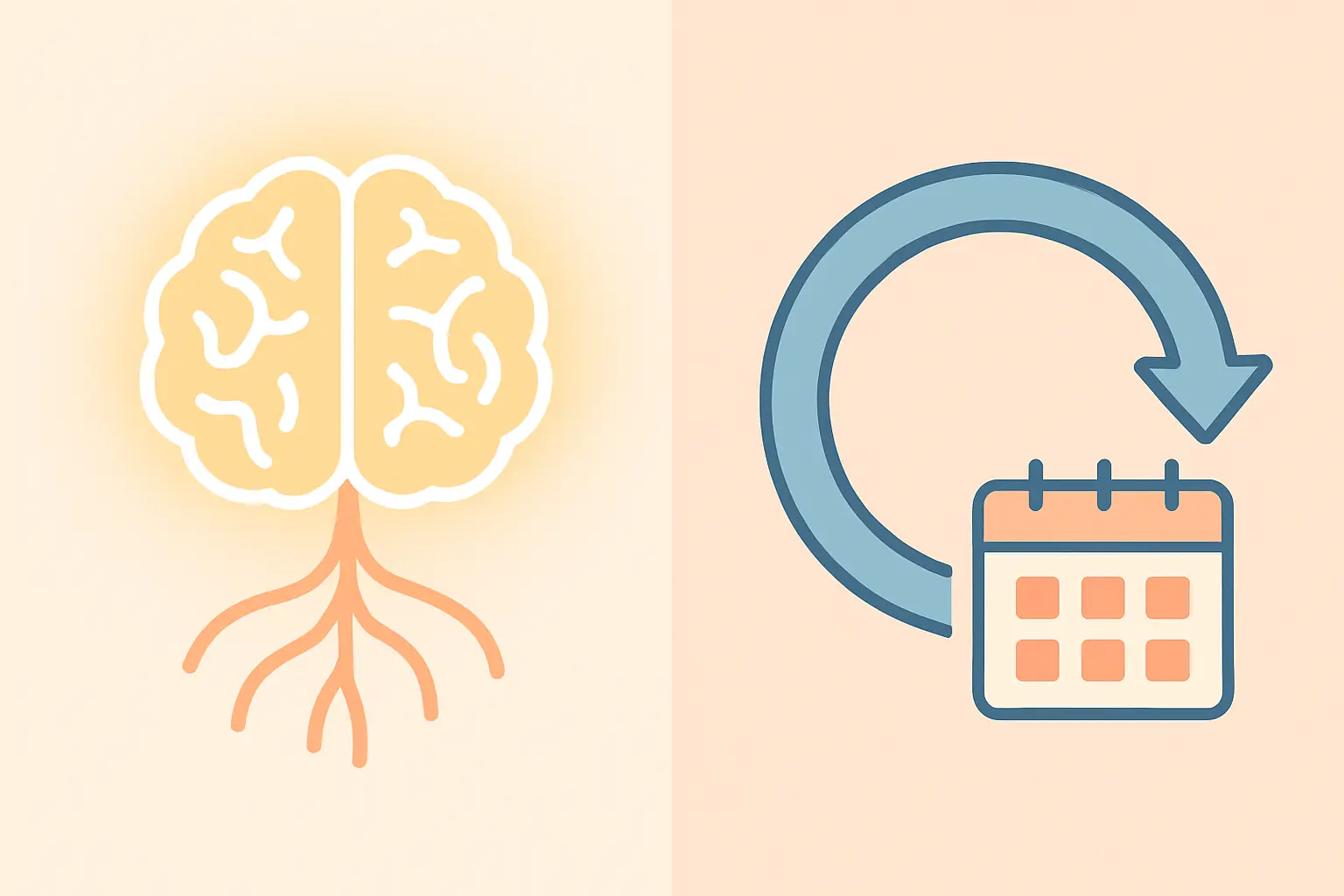
Nicotine withdrawal is not a single thing with a single cause. Smokefree.gov, run by the US National Cancer Institute, puts the basic mechanism plainly: “Nicotine is what makes tobacco addictive. When you quit smoking, your body has to get used to not having nicotine. This lack of nicotine is what causes nicotine withdrawal symptoms” (Smokefree.gov). That adjustment happens on two tracks at once: a physical one, playing out in brain chemistry and the nervous system, and a psychological one, playing out in habits, routines, and identity.
Neither track fully explains why quitting is hard on its own. If withdrawal were purely physical, it would be over once nicotine cleared your system and the acute symptoms passed. If it were purely psychological, nicotine replacement would do nothing. In practice, both are real, they overlap in time, and they call for different tools.
Related but distinct is the question of whether nicotine itself acts as a stimulant or a depressant on your nervous system — it genuinely does both, depending on dose and context, which is part of why the physical withdrawal picture is not as simple as “one drug, one effect, one clean recovery curve.” Our explainer on whether nicotine is a stimulant or a depressant covers that pharmacology in more depth if you want the fuller picture underneath the physical half discussed here.
What the physical half is
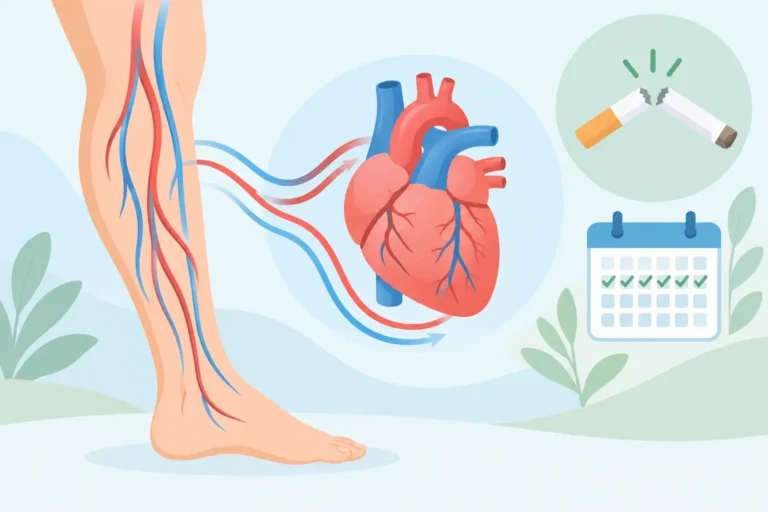
The physical side is your nervous system adjusting to the absence of a drug it had adapted to. Nicotine itself has real, measurable acute effects on the body — the FDA’s approved labeling for nicotine gum states plainly that “nicotine can increase your heart rate” and “nicotine can increase your blood pressure,” which is why the same label flags caution for anyone with heart disease, a recent heart attack, or uncontrolled blood pressure (DailyMed / FDA labeling). When that stimulus disappears, your body has adjustments to make in the other direction too.
This is the half nicotine replacement therapy is built to smooth over: a measured, tapering dose of the same drug, delivered without smoke, so the physical adjustment happens gradually instead of all at once. Our detailed guide to the stages of nicotine withdrawal and hour-by-hour, day-by-day timeline both map out how this side typically progresses; this piece focuses on the split itself rather than repeating that timeline.
What makes the physical half genuinely physical, rather than “just in your head,” is that it happens whether or not you consciously want a cigarette. You can be fully committed to quitting, with no desire whatsoever to smoke, and still feel the restlessness or concentration trouble that comes from your nervous system readjusting. That distinction is worth holding onto on a hard day: feeling rough is not the same as wanting to relapse, and the two can be entirely separate experiences happening at once.
This staff-training clip from University Health Network Toronto, one of Canada’s largest academic hospital networks, walks through the pathophysiology behind withdrawal:
What the psychological half is
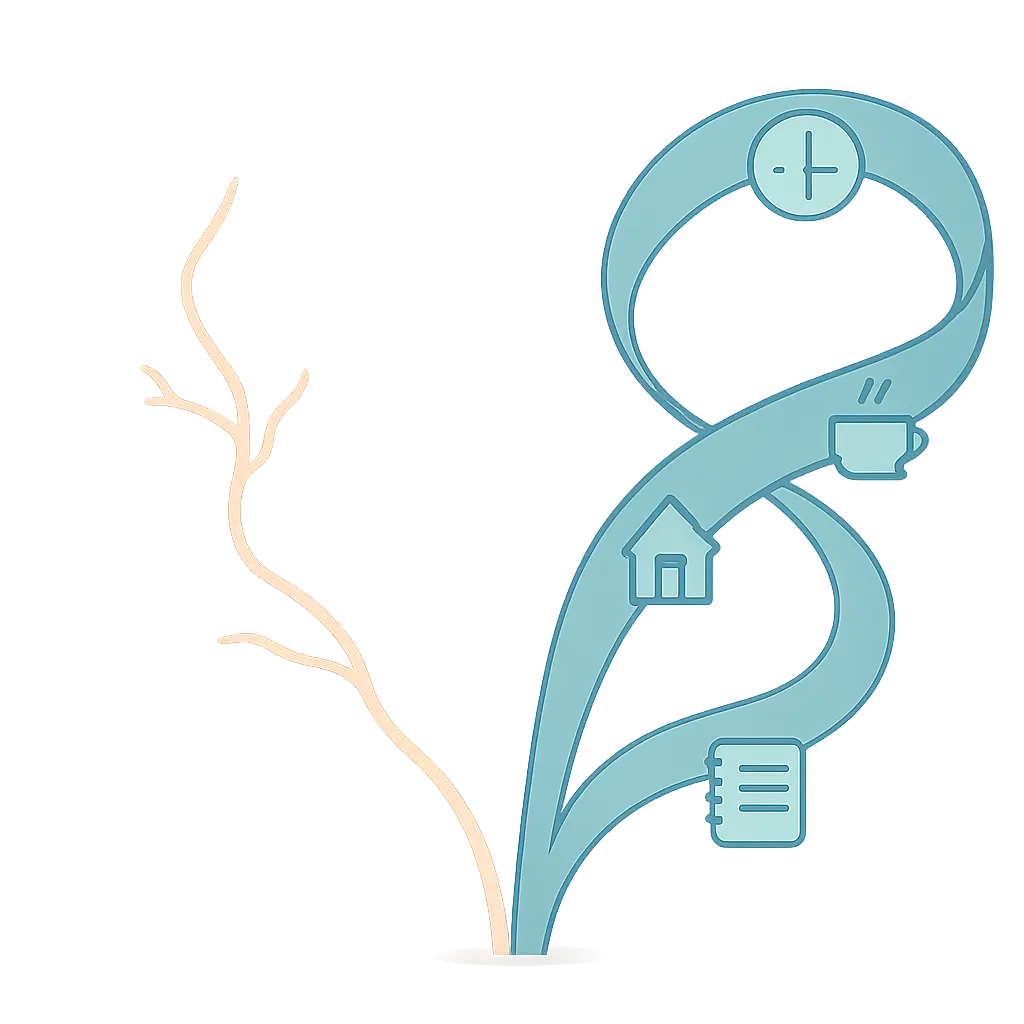
The psychological half is about cues, routine, and identity rather than brain chemistry directly. Every cigarette was probably paired with something else — a coffee, a phone call, a stressful moment, a drive, a specific friend. Those pairings do not disappear when nicotine leaves your bloodstream; they persist as learned triggers that can produce a craving weeks, months, or years after your last cigarette, long after any physical withdrawal has resolved.
This is also reflected in how nicotine dependence is formally diagnosed. The DSM-5 diagnostic manual restructured its definition of nicotine use disorder specifically to capture this behavioral dimension: researchers note the new definition of nicotine use disorder was “aligned with other SUDs through the addition of craving, inclusion of DSM-IV abuse criteria other than legal problems, establishment of a diagnostic threshold of ≥2 criteria, and creation of a severity metric based on criteria counts” (SUDs meaning substance use disorders) (Chou et al., Journal of Clinical Psychiatry, 2016). Craving and behavioral patterns, not just physical tolerance, are now central to how clinicians define the disorder. Our piece on nicotine craving vs. habit goes deeper into telling these two apart in the moment.

Which symptoms belong to which
In practice the two halves overlap and reinforce each other, but a rough split helps decide what to do about each symptom:
| Mostly physical | Mostly psychological / behavioral |
|---|---|
| Restlessness, difficulty concentrating in the first days | Craving triggered by a specific place, person, or routine |
| Changes in appetite and sleep in early withdrawal | Missing the hand-to-mouth ritual itself |
| Irritability tied to the nicotine adjustment window | Identity-based thoughts (“I’m a smoker who’s quitting” vs. “I don’t smoke”) |
| Symptoms that fade on a broadly predictable early timeline | Cravings that can resurface unpredictably, long after quitting |
This is a rough framework, not a diagnostic tool — real cravings are usually a mix of both at once. But asking “is this the drug, or is this the cue?” is genuinely useful in the moment, because the two calls for different responses.
What NRT fixes and what it does not
Nicotine replacement therapy directly addresses the physical half: it supplies a measured, declining dose of nicotine so your nervous system is not managing an abrupt drop to zero. What it does not do is retrain the cue-response patterns built over years of pairing cigarettes with specific moments. Someone on a nicotine patch can still feel a strong pull to smoke at the exact time and place they always used to — because that trigger is behavioral, not chemical, and a patch has nothing to say to it.
This is why combining NRT with behavioral strategies consistently outperforms either alone, and why quit programs that only address one half tend to see relapse once the other half resurfaces. If your main struggle right now is a racing heart or restlessness in the first few days, that is the physical half and NRT is doing real work. If your main struggle is wanting a cigarette specifically at 3pm at your desk, that is the psychological half, and no amount of nicotine will fix it — only breaking or replacing the cue will.
Building a plan that covers both
A quit plan that only reaches for NRT when a craving hits is treating every craving as physical, even the ones that are not. The more useful approach is to log what is actually happening: the time of day, what you were doing, who you were with, and how intense the urge felt. Over a week or two, patterns emerge — certain times and situations account for most of your cravings, and those are almost always the behavioral half showing up.
From there, you can match the tool to the trigger: NRT or a craving-surfing technique for the physical pull, and a genuinely different routine, a substitute action, or simply anticipating the trigger in advance for the cue-driven ones. iQuit’s craving log records the time, trigger, and intensity of each urge specifically so you can see this split for yourself rather than guessing, and its predictive craving forecasts learn your riskiest hours and nudge you before the cue hits rather than after.
This is also why a single quit method rarely works for everyone. Someone whose cravings are overwhelmingly cue-driven — always at the same desk, the same drive, the same phone call — may need very little pharmacological support and a lot of routine redesign. Someone whose early days are dominated by genuine physical discomfort may need the opposite emphasis: solid NRT dosing first, with behavioral work layered in once the sharpest physical edge has passed. Neither approach is wrong; they are answers to different questions, and a plan that only asks one of them will underperform for people who mostly need the other.
If severe symptoms — chest pain, extreme mood changes, or anything that feels medically concerning — show up during withdrawal, that is a separate question from the physical/psychological split covered here; see our guide on whether nicotine withdrawal is dangerous for what is normal and what warrants medical attention, and our breakdown of how long nicotine stays in your system for the physical clearance timeline underneath all of this.
Frequently Asked Questions
Is nicotine withdrawal mostly physical or mostly psychological?
Both, and the proportion shifts over time. The physical adjustment to the absence of nicotine tends to be most intense in the earliest days, while the psychological, cue-driven side often persists longer and is more commonly responsible for cravings weeks or months into a quit attempt.
Can nicotine patches stop psychological cravings?
Not directly. Nicotine replacement therapy addresses the physical, chemical side of withdrawal by supplying a measured dose of nicotine. It does not retrain the learned cues and routines that trigger cravings, which is why behavioral strategies alongside NRT tend to work better than NRT alone.
Why do I still crave cigarettes months after quitting?
This is typically the psychological, cue-based half of dependence rather than physical withdrawal, which generally resolves much earlier. A specific place, situation, or emotional state that used to be paired with smoking can trigger a craving long after nicotine has left your system.
Does the DSM-5 recognize a psychological component to nicotine dependence?
Yes. The DSM-5 restructured its definition of nicotine use disorder to explicitly include craving alongside behavioral criteria, aligning it with how other substance use disorders are diagnosed, rather than defining dependence purely by physical tolerance and withdrawal.
How do I tell if a craving is physical or psychological?
Ask whether it is tied to a specific place, activity, or emotional state (psychological) or feels like a general restlessness or irritability without an obvious trigger (more physical). Logging the time, trigger, and intensity of cravings over a week or two usually reveals the pattern.
Which symptoms of withdrawal go away first?
Physical symptoms tied to the body’s adjustment to the absence of nicotine tend to follow a broadly predictable early timeline. Behavioral, cue-triggered cravings are less predictable and can persist far longer, which is why a quit plan needs strategies for both.
Cover both halves of withdrawal at once
iQuit’s craving log and predictive forecasts separate physical urges from behavioral triggers, so you know which tool to reach for.
Download iQuit Free on Google Play
Download on the App Store