If you take blood pressure medication, or you check your own numbers at home, does nicotine raise blood pressure is not an abstract question — it changes how you read your own results and what you tell your doctor about patches, gum, pouches or a vape. The short answer is yes, but the size and duration of that effect depends heavily on how the nicotine reaches your bloodstream.
What nicotine does to blood pressure in the first minutes
Nicotine is a fast-acting autonomic drug. Cardiology researchers describe its immediate effect plainly: nicotine “activates nicotinic acetylcholine receptors, increases catecholamine release, raises heart rate and blood pressure, and promotes vasoconstriction and haemodynamic load.” That means within minutes of nicotine reaching your bloodstream, your sympathetic nervous system — the “fight or flight” system — fires, your heart beats faster, and your blood vessels narrow slightly, all of which pushes blood pressure up temporarily. This happens whether the nicotine comes from a cigarette, a vape, a patch, gum, or a pouch; the receptor-level mechanism does not change with the delivery method, only the speed and size of the dose.
For context on how much nicotine is actually involved in a single cigarette compared with other products, how much nicotine is in one cigarette breaks down the numbers.

Acute vs. sustained effects
The immediate spike described above is an acute effect — it rises and falls with each dose of nicotine. But researchers distinguish this from more sustained vascular stress: nicotine has also been shown to impair the blood vessel lining’s ability to relax properly (endothelial dysfunction), which is a slower-building form of harm layered on top of the instant blood-pressure and heart-rate spike. Repeated acute spikes, many times a day, are part of why chronic nicotine exposure is treated as a genuine cardiovascular stressor and not just a series of harmless blips.
This is also the reason cardiology bodies use a specific phrase when discussing nicotine separately from smoking: less harmful is not harmless. Removing combustion (tar, carbon monoxide) removes a large share of cardiovascular damage, but it does not remove nicotine’s own, separate acute effect on blood pressure.
Does NRT raise blood pressure?
NRT is not blood-pressure-neutral, but it is meaningfully different from smoking or vaping in how it delivers nicotine. Cardiologists reviewing the trial evidence in 2026 noted that “NRT delivers nicotine slowly and at lower peak concentrations, unlike many modern consumer products engineered for rapid systemic exposure,” and that randomized trials of supervised NRT have “generally not” found an association with major cardiovascular events. But the same reviewers were careful to add that “most included trials evaluate medically supervised, time-limited nicotine replacement therapy rather than chronic high-dose consumer exposure” and that “cardiovascular events are rare and not primary endpoints” in that trial evidence — meaning these results are reassuring for supervised use, not a blanket guarantee that NRT has zero effect on blood pressure for every individual.
If you are on blood pressure medication and considering NRT, this is a conversation for your GP or pharmacist rather than an assumption in either direction — see how the NRT options compare for the format differences (patch vs. gum vs. lozenge) that can also affect how steady or spiky your nicotine levels are through the day.
Vapes, pouches and blood pressure
Vaping and oral nicotine pouches also raise blood pressure through the same nicotine mechanism, and there is now pooled quantitative data on vaping specifically. A 2025 umbrella review in BMJ Open, drawing on 69 systematic reviews (co-authored in part by researchers from the WHO Regional Office for South-East Asia), found that e-cigarette use was associated with “increased blood pressure (mean difference for systolic blood pressure = 0.51 mmHg… mean difference for diastolic blood pressure = 0.59 mmHg)” pooled from 23 studies, alongside a small increase in heart rate, endothelial dysfunction, and increased platelet activity. The same review found that adverse events reported across randomized trials were “similar between ENDS [e-cigarettes] and NRT” — suggesting the two deliver a broadly comparable nicotine-related cardiovascular signal, distinct from combustible cigarettes.
For nicotine pouches and snus specifically, 2026 cardiology literature notes that continued snus use after a heart attack has been linked to higher mortality in prospective studies, consistent with nicotine’s sympathomimetic (fight-or-flight-activating) effect regardless of the smoke-free delivery method. The pattern across every non-combustible product is the same: removing smoke removes a large category of harm, but the nicotine component still carries its own blood-pressure signal.

Why quitting lowers blood pressure even though NRT contains nicotine
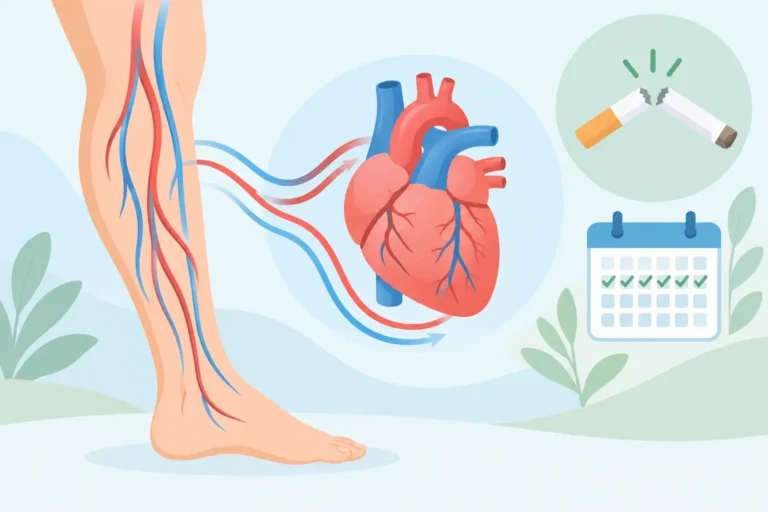
This can feel contradictory at first: if NRT still contains nicotine, and nicotine raises blood pressure, how does quitting smoking with NRT’s help lower your blood pressure overall? The answer is that smoking’s cardiovascular burden comes from far more than nicotine alone — carbon monoxide reduces the blood’s oxygen-carrying capacity and forces the heart to work harder, thousands of other combustion chemicals damage blood vessel linings and promote clotting, and the repeated, rapid nicotine spikes from cigarettes (roughly one every time you inhale, many times per cigarette) are sharper and more frequent than the steadier release from most NRT formats. Removing all of that, while accepting NRT’s smaller, slower nicotine exposure during a supervised quit attempt, is a substantial net reduction in cardiovascular load — which is why blood pressure after quitting smoking tends to trend downward over time even for people who use NRT to get there.
If you have already had a cardiac event, this same logic applies with higher stakes and more reason to involve a cardiologist directly — see quitting smoking after a heart attack for that specific situation. For the broader picture of nicotine’s cardiovascular effects beyond blood pressure alone, is nicotine bad for your heart covers the full evidence picture.
Measuring blood pressure correctly while quitting
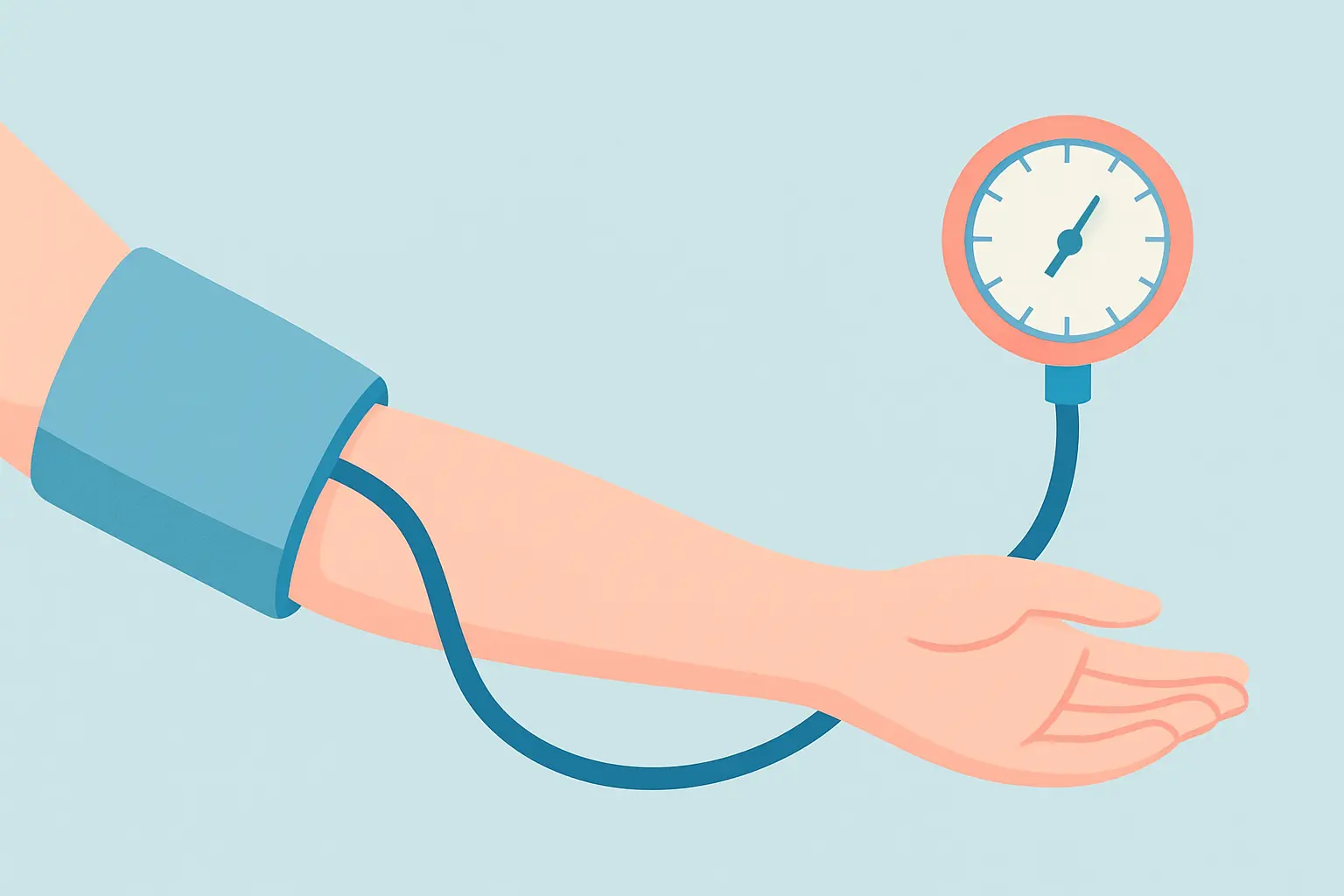
If you are tracking your own blood pressure during a quit attempt — whether you are using NRT, cold turkey, or a vape as a step-down — measurement timing matters, because a recent dose of nicotine (or caffeine, or exercise) can temporarily inflate your reading. The CDC’s guidance is specific: “if you smoked, drank alcohol or caffeine, or exercised within 30 minutes of having your blood pressure measured, your reading might be higher.” The CDC also recommends sitting “in a comfortable chair with your back supported for at least 5 minutes before your reading,” keeping “both feet flat on the ground” with legs uncrossed, resting your arm at chest height, and taking “at least two readings, 1 or 2 minutes apart” for an accurate result.
In practice, this means a blood pressure reading taken right after a cigarette, a vape session, a piece of nicotine gum, or a coffee is likely to run higher than your true baseline — worth remembering before assuming a single elevated reading reflects a lasting problem.
When to speak to your doctor
Talk to your doctor before starting or continuing any nicotine product — including NRT — if you already have high blood pressure, heart disease, a prior heart attack, or you take medication that affects heart rate or blood pressure. The same applies if you notice a pattern of unusually high or fluctuating readings during a quit attempt, rather than assuming it will resolve on its own. If your interest in nicotine’s effects is really about cravings and the psychological pull of smoking rather than blood pressure specifically, the brain’s dopamine-craving loop explains the other side of why nicotine is so hard to put down. And if you are also weighing whether nicotine calms you down or winds you up, is nicotine a stimulant or a depressant answers that directly.
Tracking blood pressure alongside your quit
Log your numbers, not just your quit streak
iQuit does not diagnose or manage any condition — but its mood journal and craving log can sit alongside your own home blood pressure readings, so you have a fuller picture (cravings, mood, nicotine use, and your own BP log) to bring to a GP or cardiologist appointment. Free on both stores.
Download iQuit Free on Google Play
Download on the App Store
Frequently Asked Questions
Does nicotine raise blood pressure?
Yes. Nicotine acutely raises blood pressure and heart rate within minutes by activating the sympathetic nervous system, regardless of whether it comes from a cigarette, vape, patch, gum or pouch. This is a well-documented, receptor-level effect, separate from the additional harm caused by burning tobacco (2026 European Heart Journal Open cardiology commentary).
Does nicotine replacement therapy raise blood pressure?
NRT delivers nicotine more slowly and at lower peak levels than smoking or vaping, and supervised clinical trials have generally not linked it to major cardiovascular events. However, reviewers caution these trials do not prove zero blood pressure effect for every individual, since cardiovascular events are rare and not the trials’ main focus (European Heart Journal Open, 2026).
Does vaping raise blood pressure?
Yes, measurably. A 2025 BMJ Open umbrella review of 69 systematic reviews found e-cigarette use associated with a pooled mean systolic blood pressure increase of 0.51 mmHg and diastolic increase of 0.59 mmHg, alongside a small heart rate increase and endothelial dysfunction.
If nicotine raises blood pressure, why does quitting smoking lower it?
Smoking’s cardiovascular burden comes from far more than nicotine alone — carbon monoxide, tar and thousands of combustion chemicals damage blood vessels and increase clotting risk. Removing all of that while using a smaller, steadier nicotine source like NRT during a quit attempt produces a substantial net reduction in cardiovascular load, which is why blood pressure trends downward after quitting even with NRT use.
Can smoking or vaping make a blood pressure reading inaccurate?
Yes. The CDC states that smoking, alcohol, caffeine or exercise within 30 minutes of a blood pressure reading can make it run higher than your true baseline. Sitting quietly for at least 5 minutes beforehand, with feet flat and back supported, gives a more accurate result.
Do nicotine pouches affect blood pressure?
Yes, nicotine pouches and snus raise heart rate and blood pressure through the same nicotine mechanism as cigarettes and vapes. Continued snus use after a heart attack has specifically been linked to higher mortality in prospective studies (European Heart Journal Open, 2026).
Should I tell my doctor I’m using NRT if I have high blood pressure?
Yes. Anyone with high blood pressure, heart disease, or taking medication that affects heart rate or blood pressure should discuss any nicotine product, including NRT, with their doctor or pharmacist rather than assuming it is automatically fine for their situation.